


























Choosing the Right Storage Approach in Gauteng
Not every storage need is the same. A family in Midrand clearing space for a renovation may need short-term unit access, while a small business in Johannesburg may want organised storage for stock and files. Students often need a smaller setup for holiday breaks, and moving households may only need a stopgap between homes. Start by listing what must be stored, how often you will need to get to it, and whether the items need dry conditions or extra care.
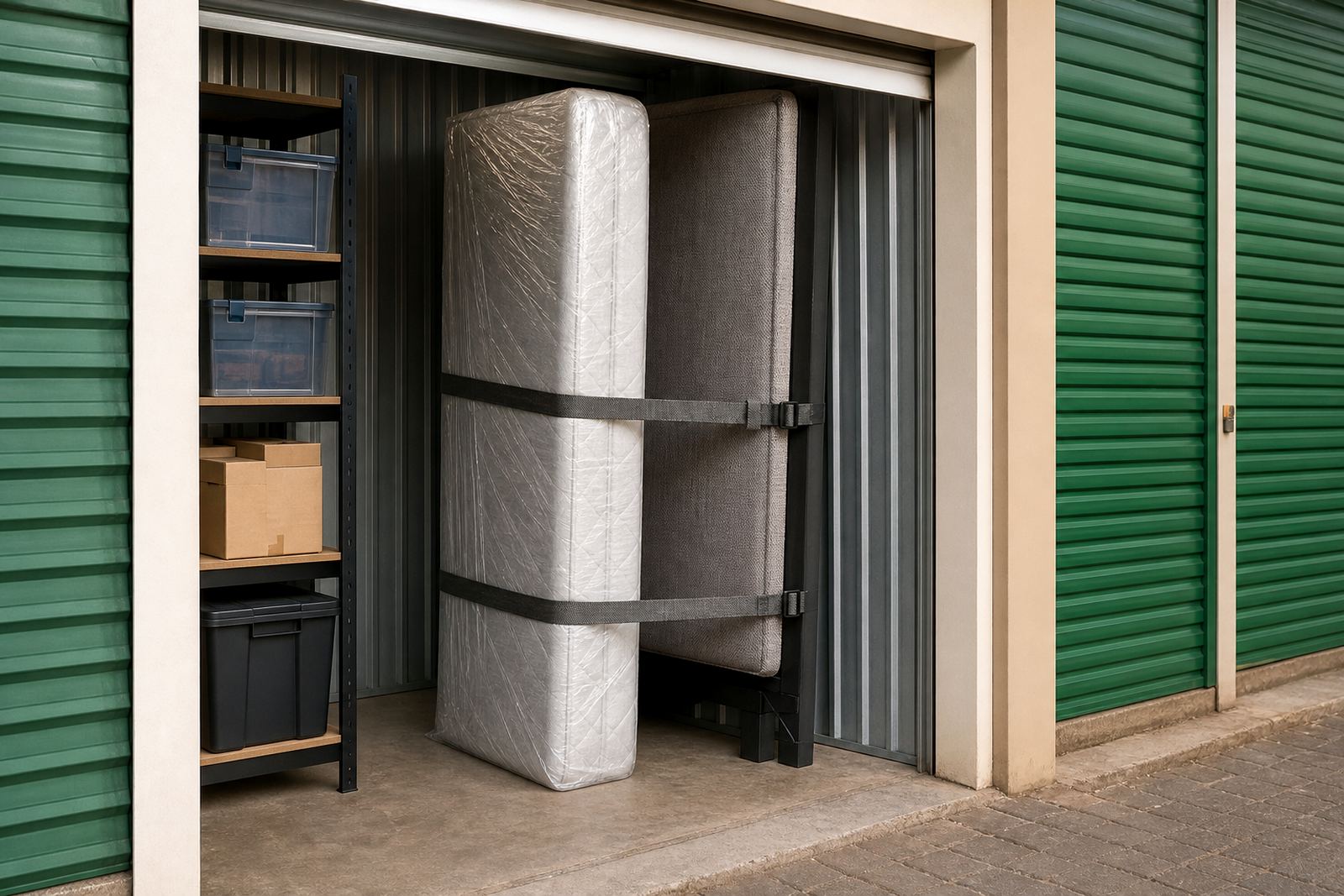
When you compare options, think about how much handling is involved. If you will visit often, easy access matters. If you are storing sealed boxes and archived paperwork, tidy stacking and clear labelling will save time later. It helps to choose only the space you need, rather than paying for more than necessary.
- List bulky items first, then boxes and smaller pieces
- Separate regular access items from long-term storage
- Keep a simple inventory before moving anything in
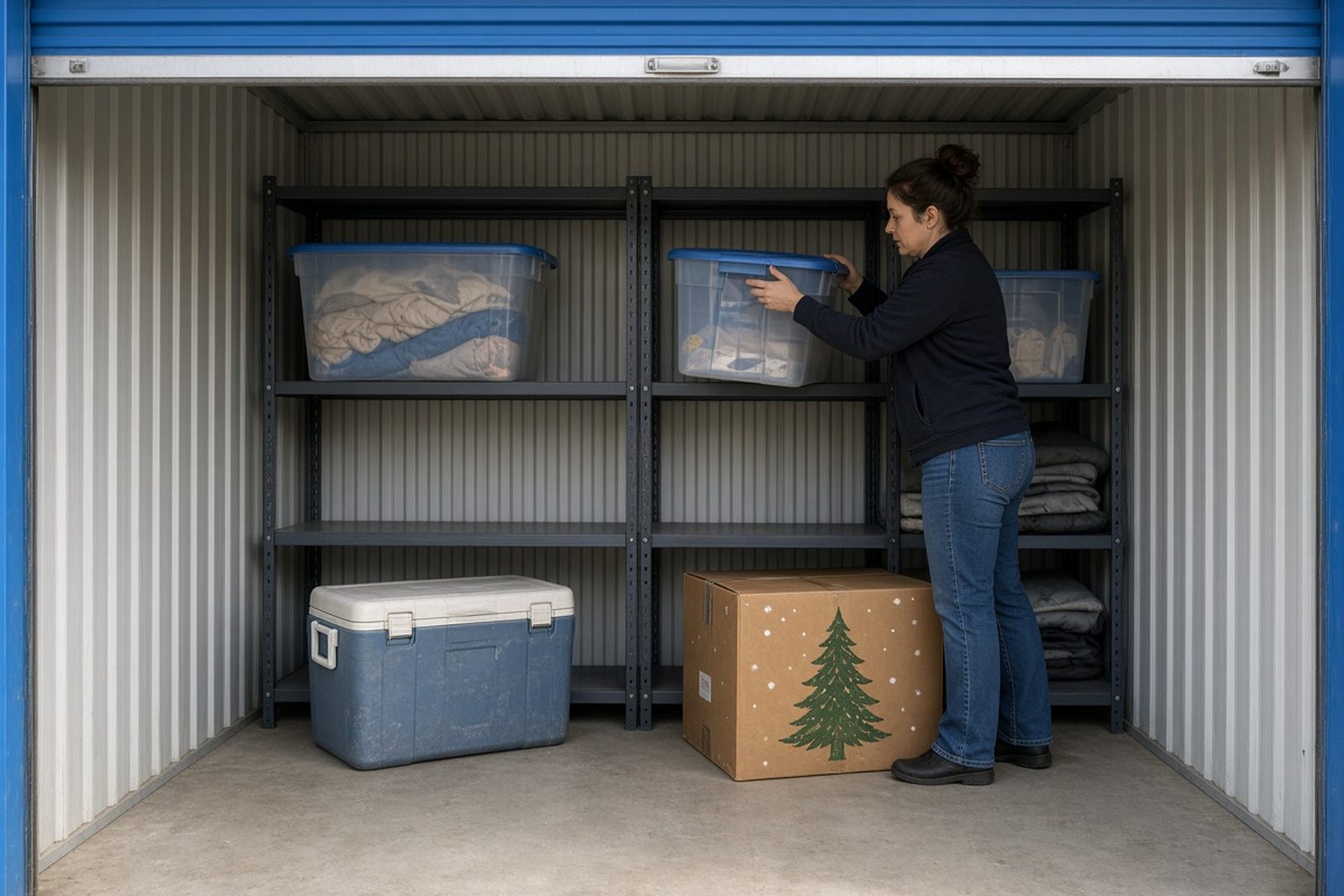
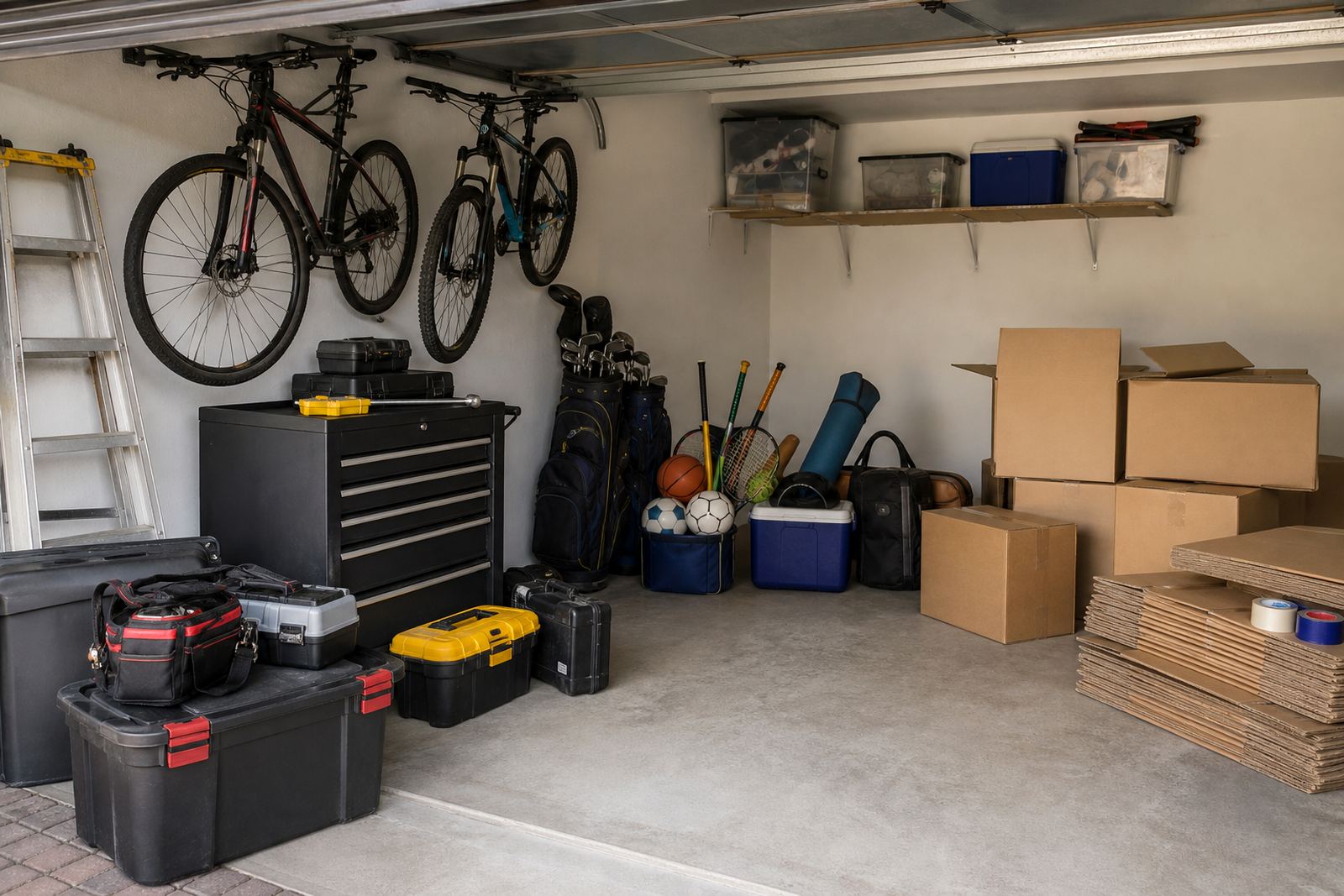
- Plan for seasonal goods such as winter clothing, sports gear or display stock
Access Habits That Save Time and Frustration
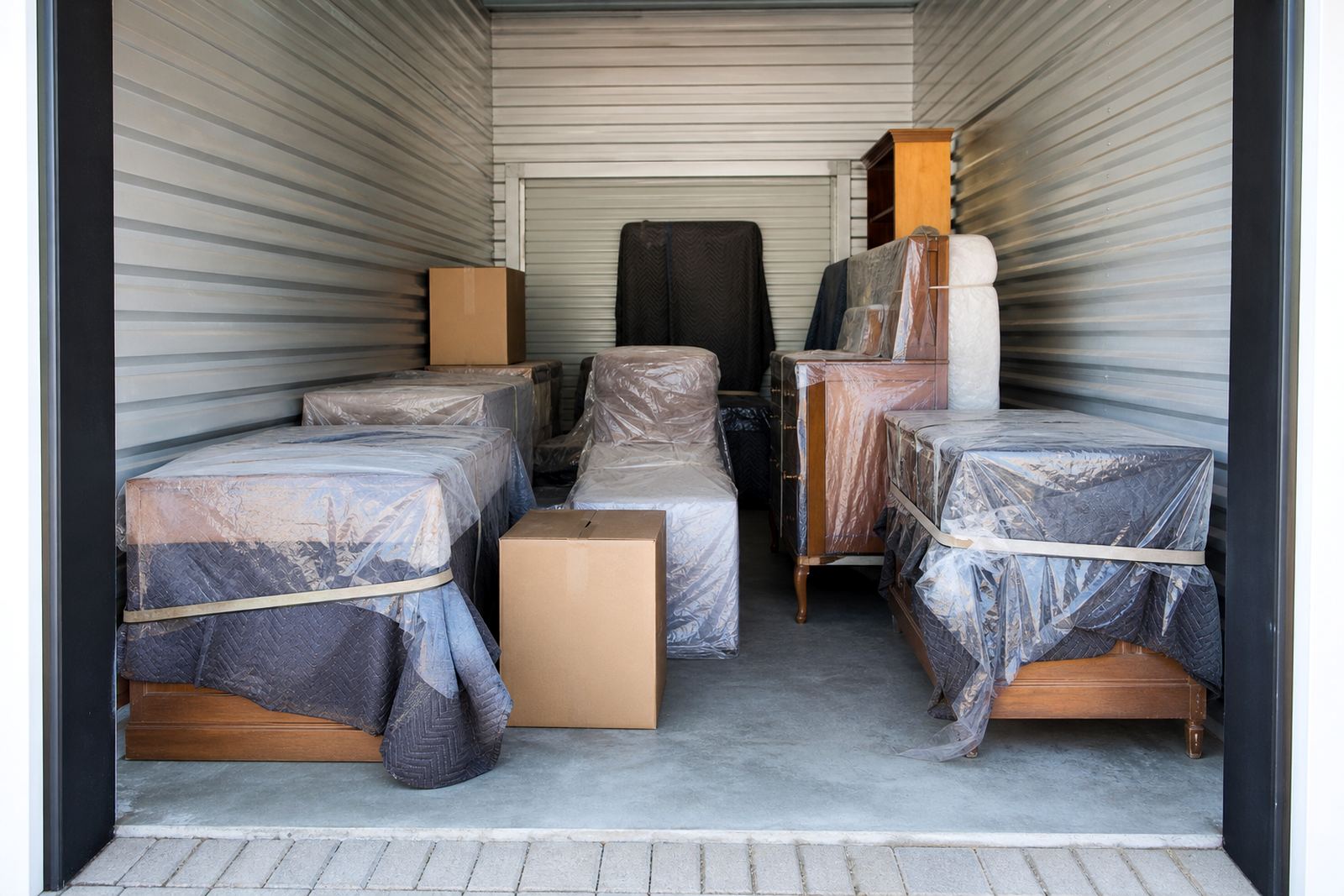
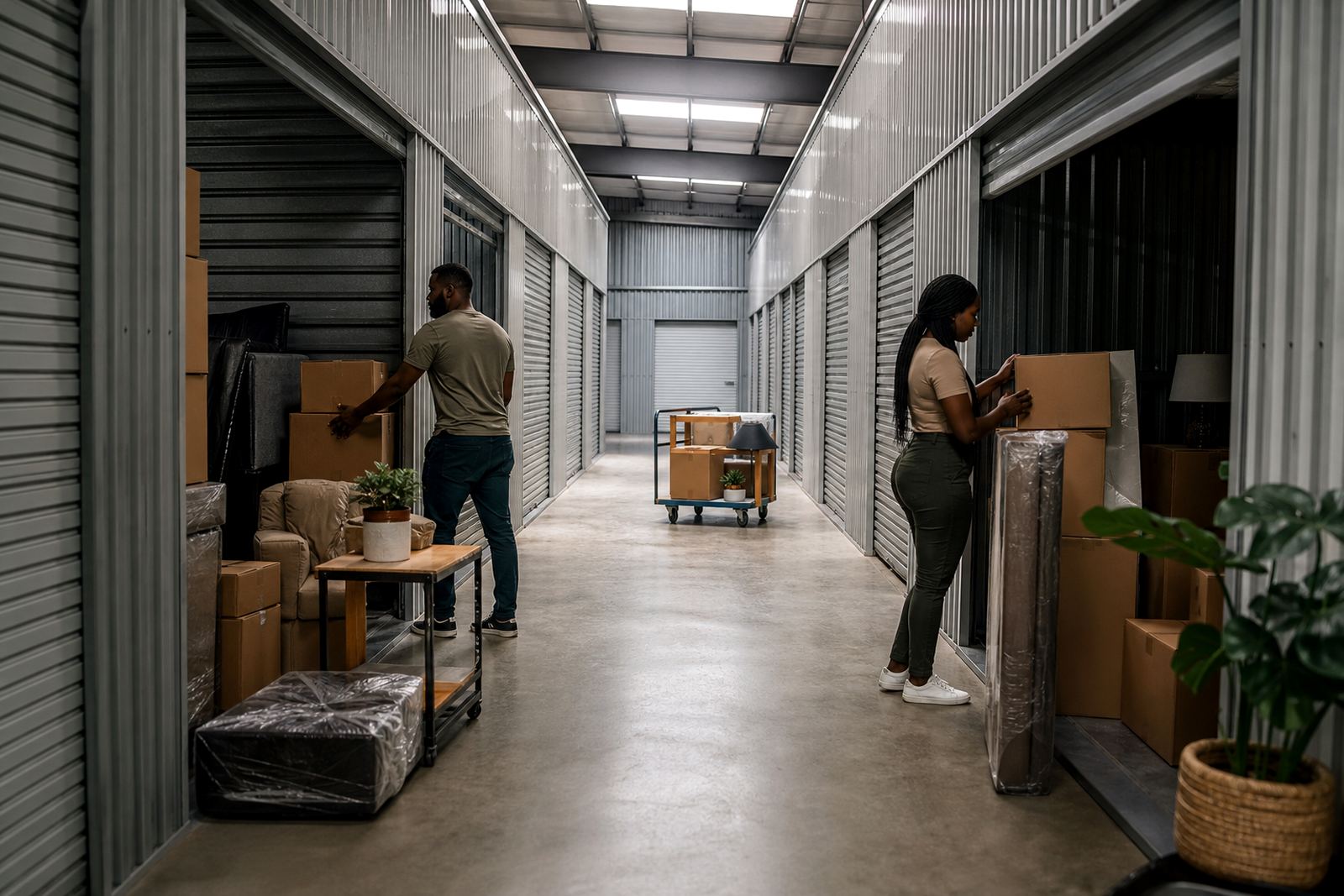
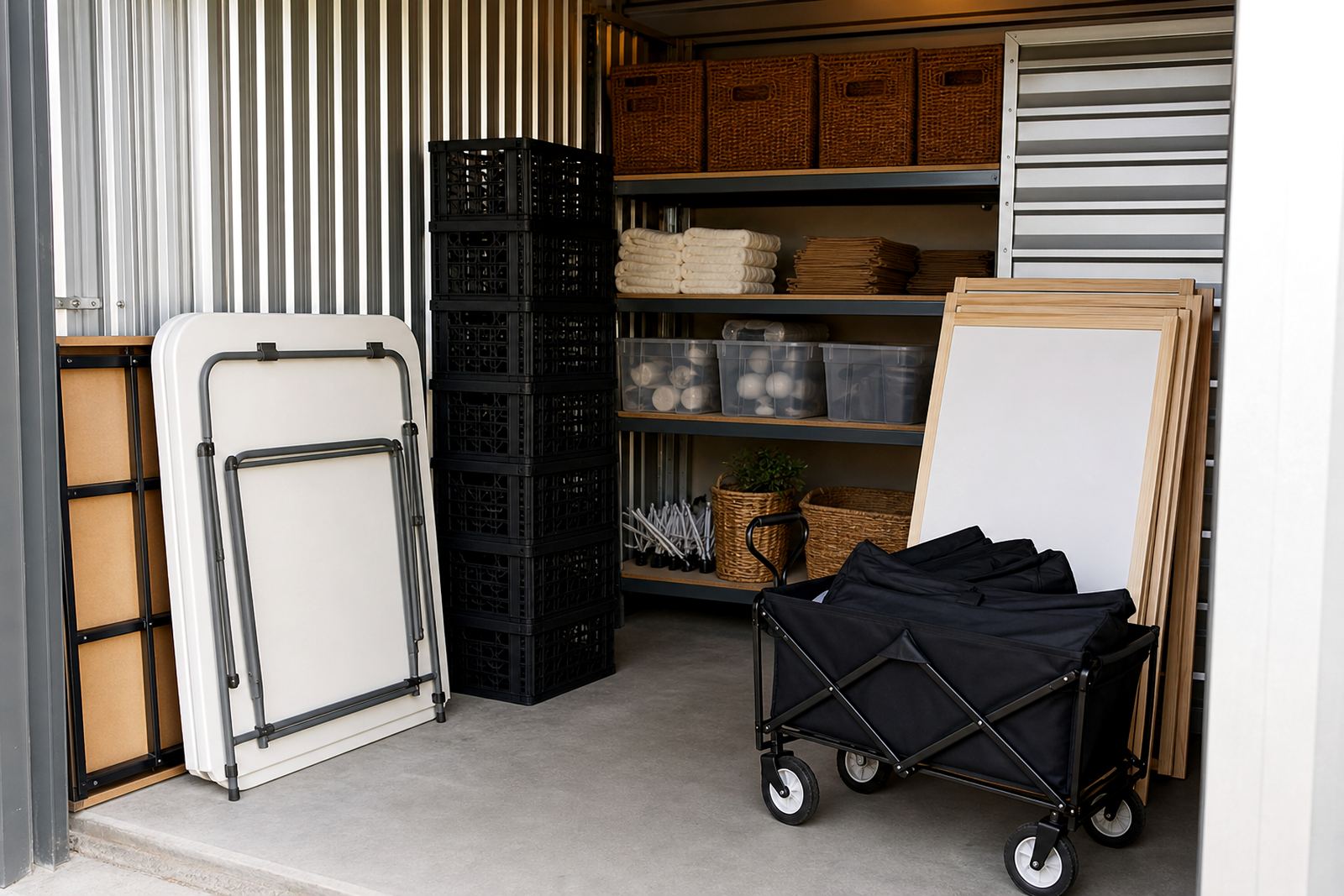
Good access habits make storage easier from day one. In busy parts of Gauteng, time is often limited and a planned visit is better than a rushed one. Keep frequently needed items near the front of the unit, and leave a safe walkway if you may need to retrieve something later. That small bit of order prevents unnecessary unpacking.
If your storage is linked to business stock or office records, agree on who may visit and when. This is especially useful for shared teams, contractors or family members helping with a move.
- Label every box on at least two sides
- Stack heavier items at the bottom and lighter ones above
- Keep a list of high-use items near the entrance
- Use sturdy boxes for repeat handling
Packing Methods for Move, Declutter and Archive Use
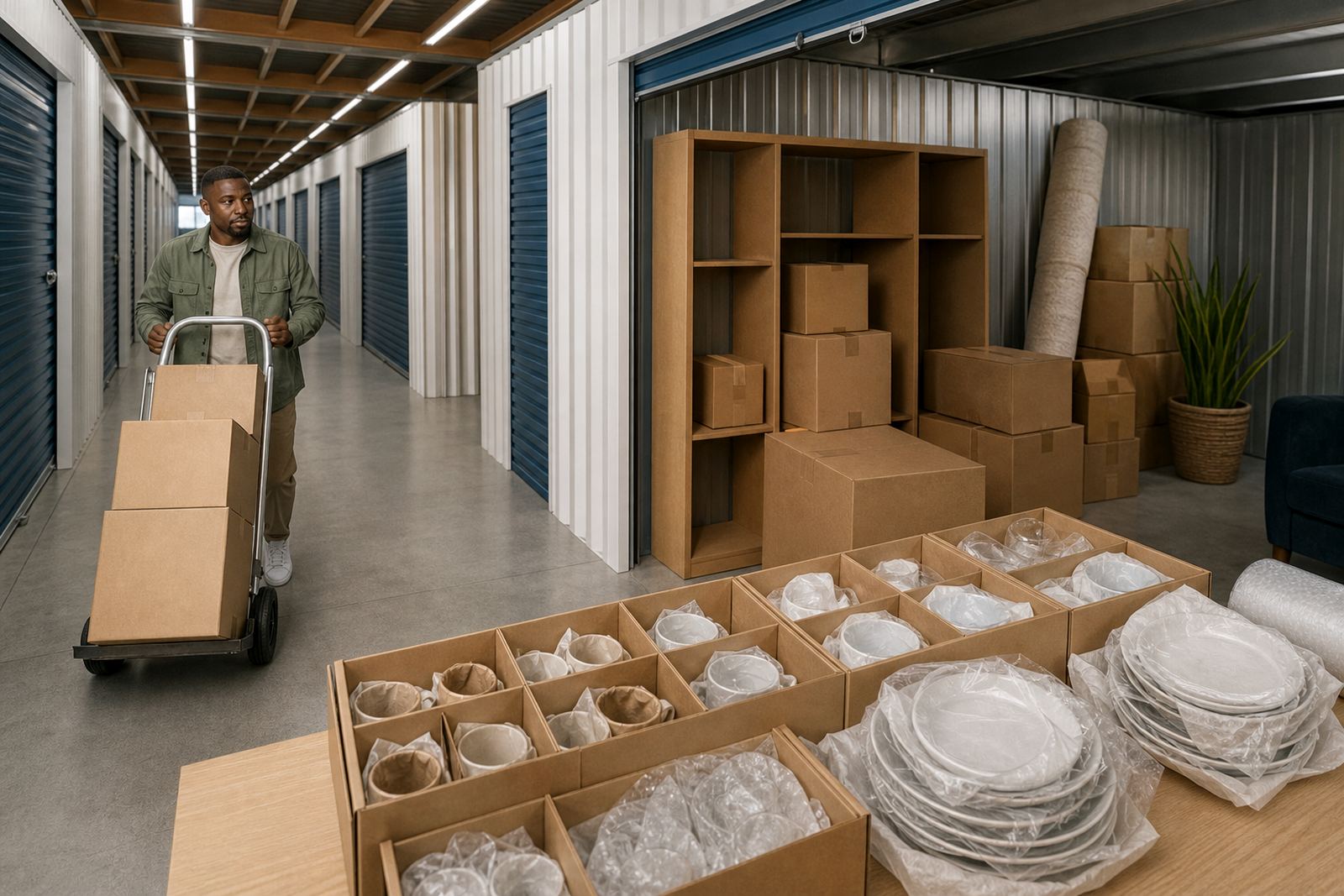
Packing is easier when you work room by room. Kitchen items, books, clothing and office papers all need a different approach. Use clean, dry packing materials and avoid overfilling boxes because damaged cartons waste space and are harder to lift. For fragile items, use wrapping paper or suitable cushioning and keep the contents clearly marked.
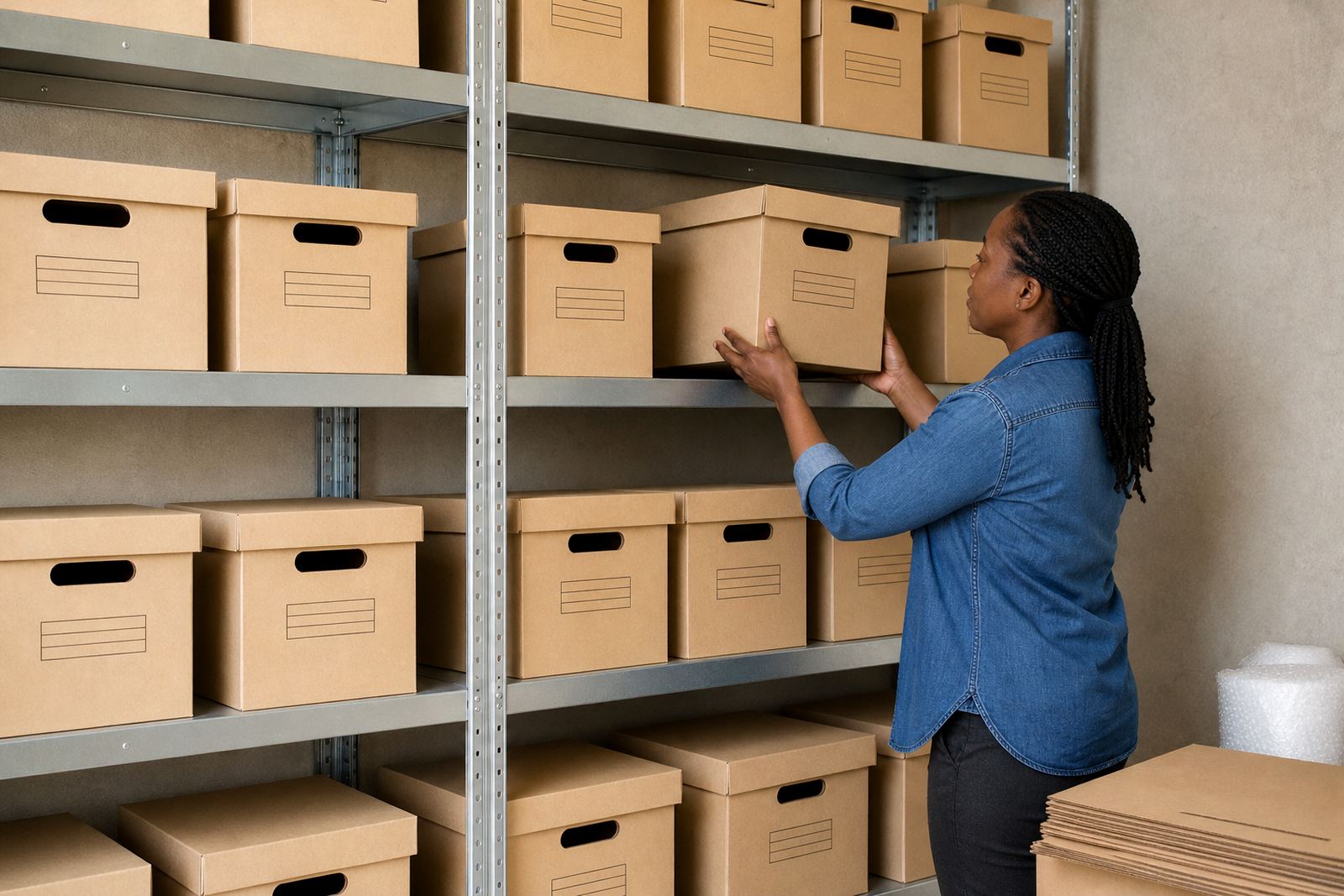
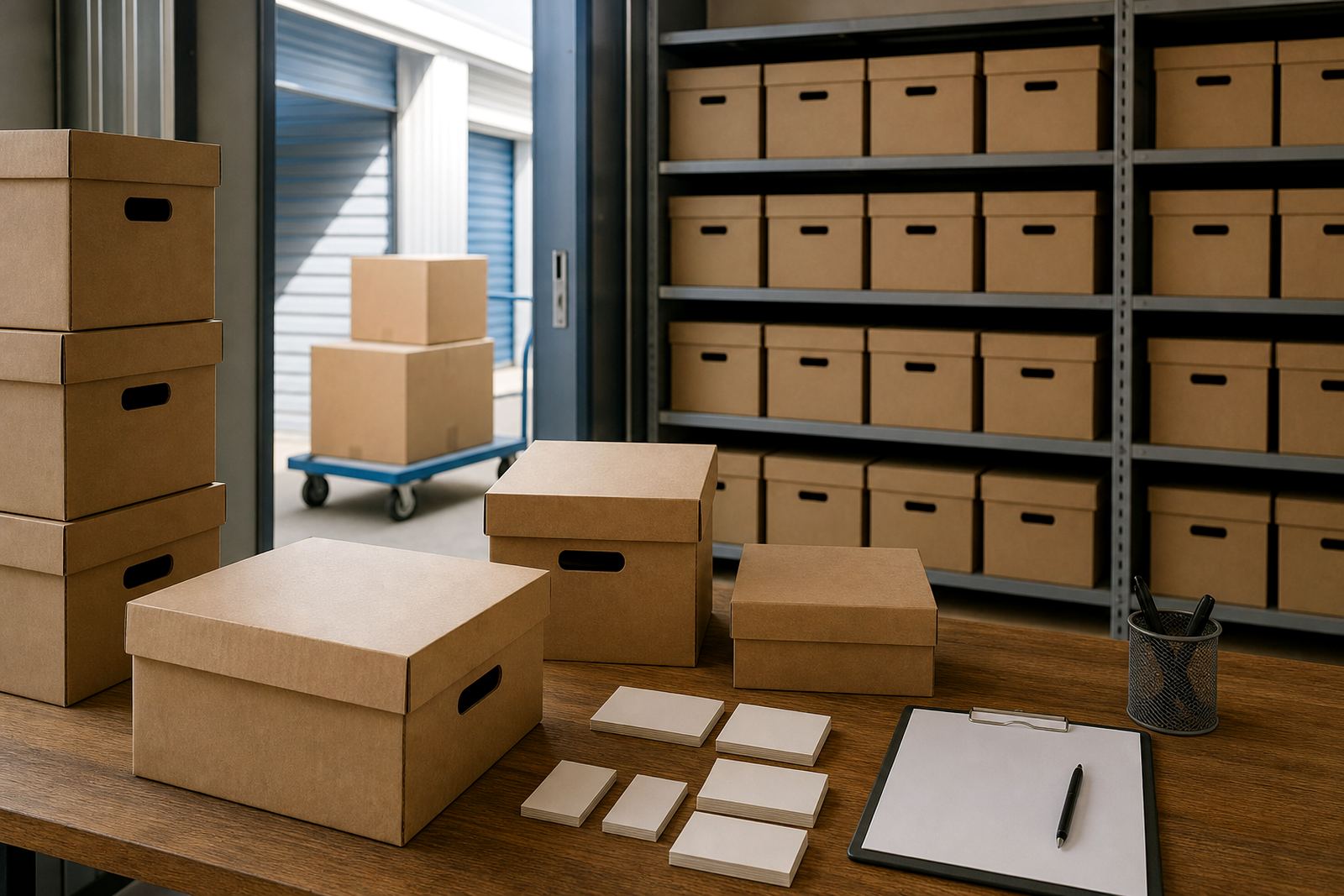
For archive planning, file boxes should be arranged so that labels face outward. For decluttering, group items by destination: storage, donation, recycling or disposal. That makes move-out day far less stressful. It also keeps your unit tidy if you are storing for several months instead of just a few weeks.
- Wrap breakables individually
- Do not pack heavy books into large boxes
- Seal boxes properly to keep out dust
- Mark seasonal and priority items clearly
Security Habits Worth Keeping
Security is not only about the storage facility. Customers also play a part by choosing sensible packing and keeping records of what is stored. A lock that fits well, a unit that closes properly and a clear list of contents all help reduce risk. For items in business storage, keep serial numbers, file names or stock descriptions in a separate record.
It is also wise to avoid leaving items visible through open vehicle windows while moving boxes in or out. In some areas, especially where foot traffic is high, an extra minute spent loading discreetly can make a difference. Good habits are simple, but they matter.
- Keep an item list with dates and descriptions
- Use your own lock where allowed
- Check boxes and seals before and after visits
- Store valuable paperwork in labelled folders, not loose piles
Storage for Students, Businesses and Growing Households
Different customers use storage in different ways. Students often need a temporary space for bedding, books and a few boxes during holidays or travel. Businesses may need stock organisation, archive planning or a place for surplus display items. Growing households often need short-term space while renovating, relocating or making room for a new family member. The best setup is the one that fits the pattern of use, not just the amount of goods.
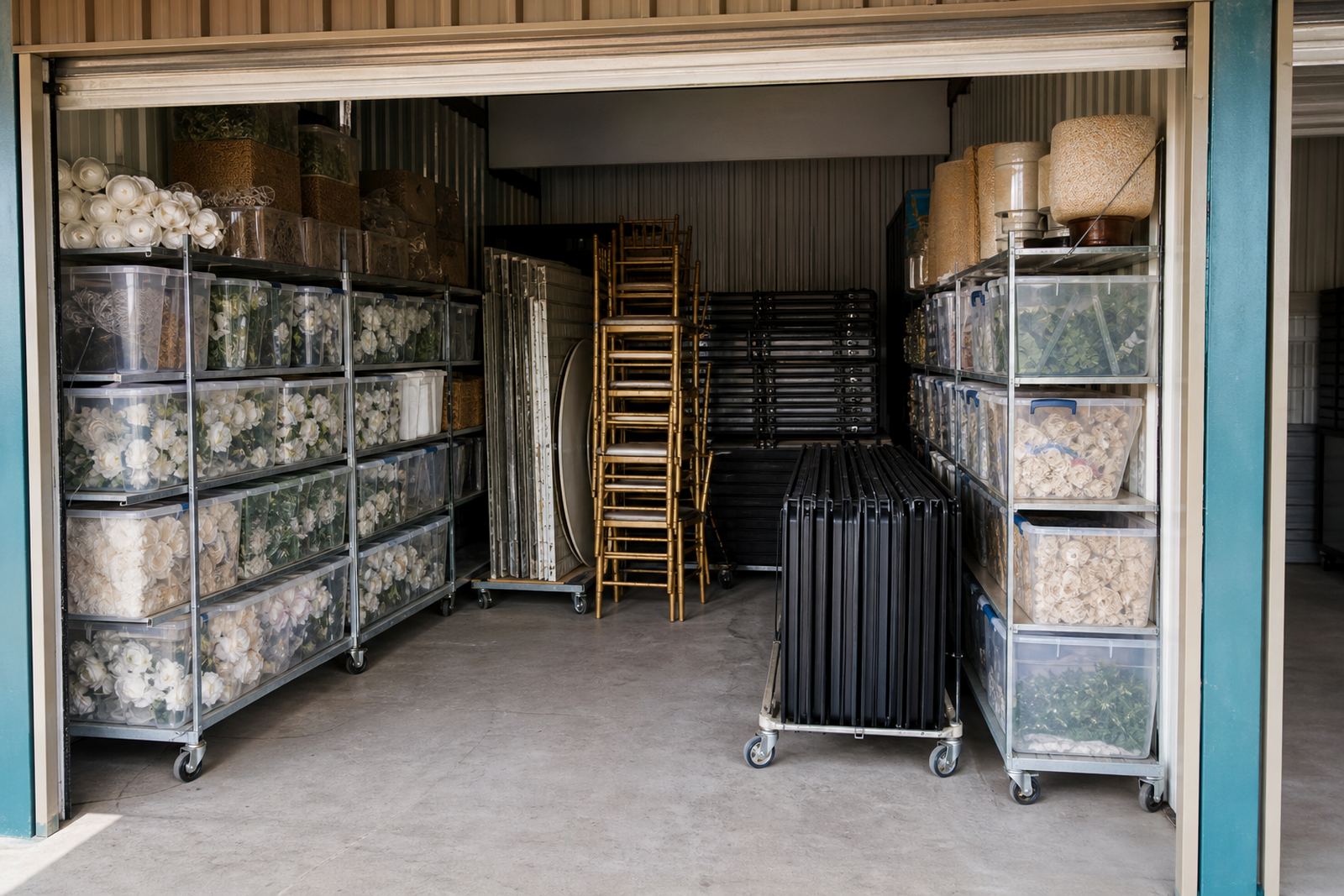
For businesses in Midrand, Centurion, Pretoria or Kempton Park, storage can support stock rotation and help keep work areas clear. For households in Sandton, Randburg or Edenvale, it can create breathing room during a busy season. The goal is practical space management, not overcomplicating the process.
- Students should keep essentials separate for easy retrieval
- Businesses should group stock by type or frequency of use
- Households should store only what will be needed again
Packing Supplies and Support from First Box to Final Move
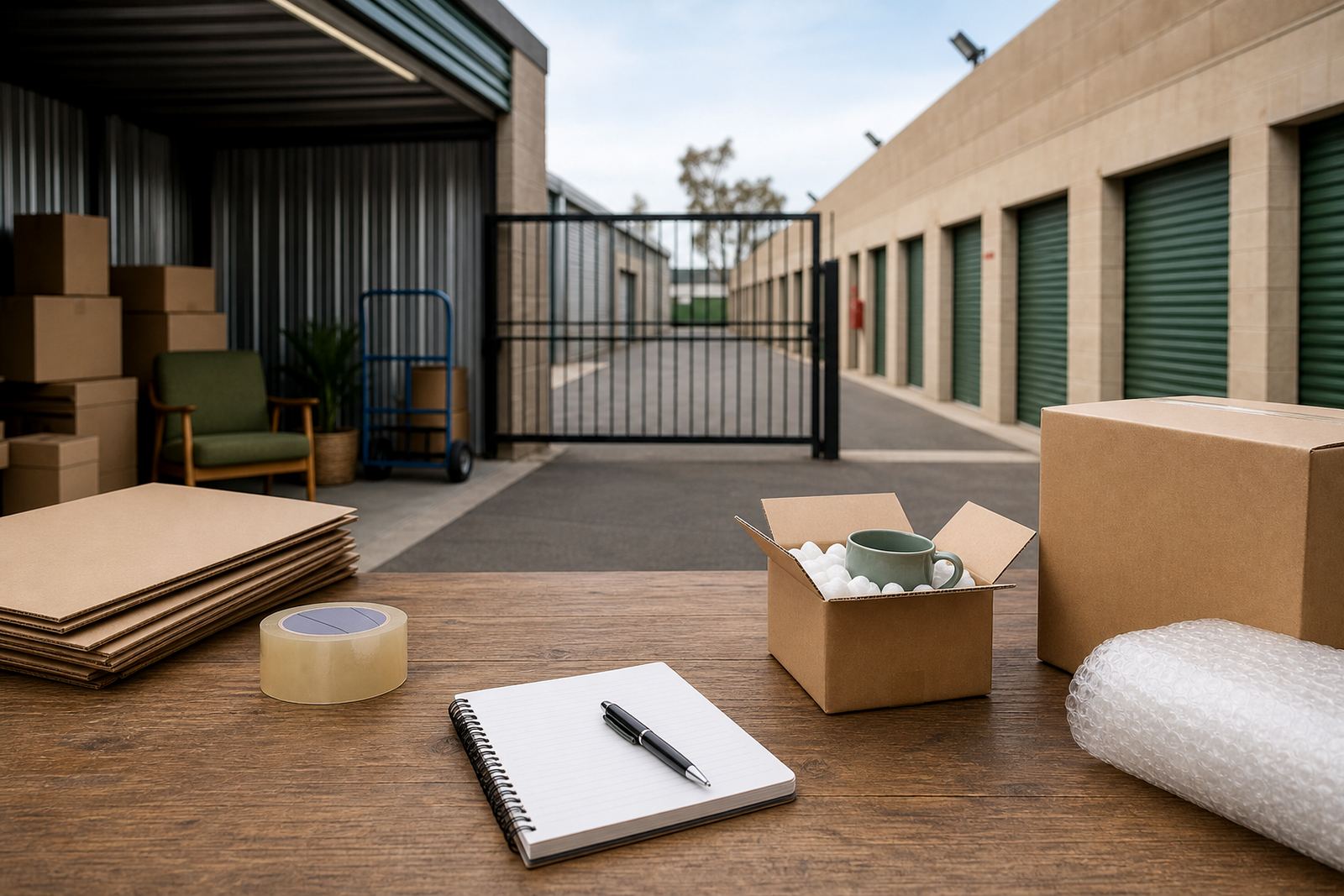
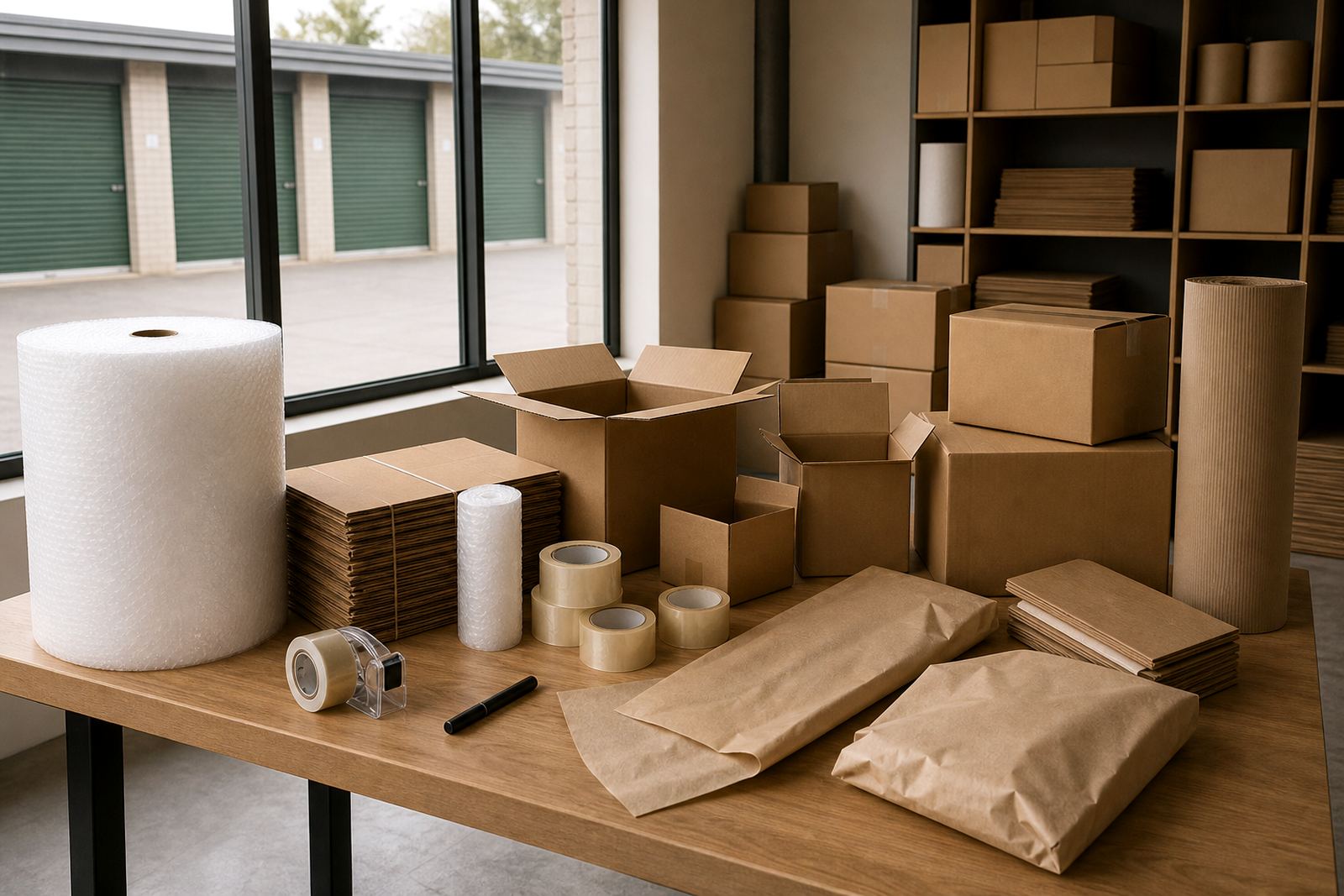
The right packing supplies make a move far easier. Strong boxes, tape, wrapping materials, markers and protective covers all help with organised storage. If you are unsure how many supplies you need, it is better to start with a planned list than guess and run short halfway through. A small packing station at home or in the office can also speed up the process.
Our team in Midrand assists customers across Gauteng with unit size guidance, access arrangement and packing supply advice. From move-in support to move-out planning, the aim is to keep the process practical and manageable. When you want to start a storage plan, use the enquiry form on our contact page and we will help you work through the next step.
- Build a packing station before moving day
- Choose supplies to match the weight and shape of your items
- Set aside labels, tape and markers early
- Plan the order of packing before the first box is filled