

Keep the daily basics out of storage from day one
The easiest way to use self-storage well is to separate what you need every week from what can stay packed away. That means setting aside a small group of items before the first box is sealed. If you are moving in Midrand, decluttering a flat in Randburg or clearing a storeroom in Pretoria, this one habit can stop a lot of searching later.
Think in terms of repeat use. If you need it for work, school, cleaning, cooking or charging devices, it should not disappear into the back of a unit. Keep these items in a clearly marked box, bag or plastic tub that stays in the car or at home.
- Keys, spare keys and access cards
- Chargers, power banks and extension leads
- Important papers and active files
- Medication and health items used often
- School books, uniforms and sports gear in current use
- Cleaning cloths, basic tools and a small first aid kit
Use a daily essentials box, not loose piles
A proper daily essentials box makes life much easier than leaving items in random bags. Choose one container that is easy to spot and simple to open. Label it clearly on the top and at least one side. If you are storing in Johannesburg or Centurion and going in and out often, this saves time at the gate and in the unit itself.
Keep the box small enough to move without strain, because the whole point is quick access. For a family, one box may be enough for chargers, documents, toiletries and a few kitchen basics. For a business, it may hold invoice pads, stamps, order books and the current month’s paperwork. Do not bury this box under furniture or stack it behind large items. Put it near the front of the unit so you can reach it without unpacking half the load.
- Use one colour or one label style for daily items
- Keep like with like, such as documents with documents
- Seal the box lightly so you can open it often
- Store it at eye level or near the front row of the unit
Separate what you use at home from what stays in storage
Storage works best when you divide your belongings into clear groups. There are the items you need every day, the items you use seasonally, and the items that can stay packed for months. If you mix these together, you end up pulling apart boxes just to find one file or one winter jersey.
In Gauteng many households keep only a portion of their belongings at home because space is tight. A Midrand family might store blankets, extra kitchenware and old toys while keeping school materials and day-to-day clothing at home. A small business in Kempton Park may keep archives, back stock and event items in storage, but still need the current stock count sheet, delivery notes and packaging materials close by.
- Keep active items at home or in a work bag
- Store seasonal items together, such as winter bedding
- Label boxes by use, not just by room
- Separate current records from archived files
That way when you need something in a hurry, you know exactly where to look and do not waste time opening every box.
Packing for access matters as much as packing for safety
People often pack for long-term storage, but forget that some boxes will need to be reached sooner. If you know you will need a box again in two weeks, pack it differently from a box that can sit untouched for six months. Use stronger labels, keep a short contents note on the outside and avoid overfilling. A box that is packed too tight is slow to open and harder to close again.
For coastal humidity in parts of Gauteng it is still wise to use clean, dry packing materials and avoid putting damp items into storage. If you are storing near Sandton, Edenvale or Randburg and will visit the unit regularly, arrange items so the things you need first are nearest the door. Save yourself the trouble of lifting heavy boxes just to reach a folder or phone charger.
- Keep a contents list on the outside of each key box
- Use clear bags for smaller daily items where helpful
- Place frequently used boxes near the front of the unit
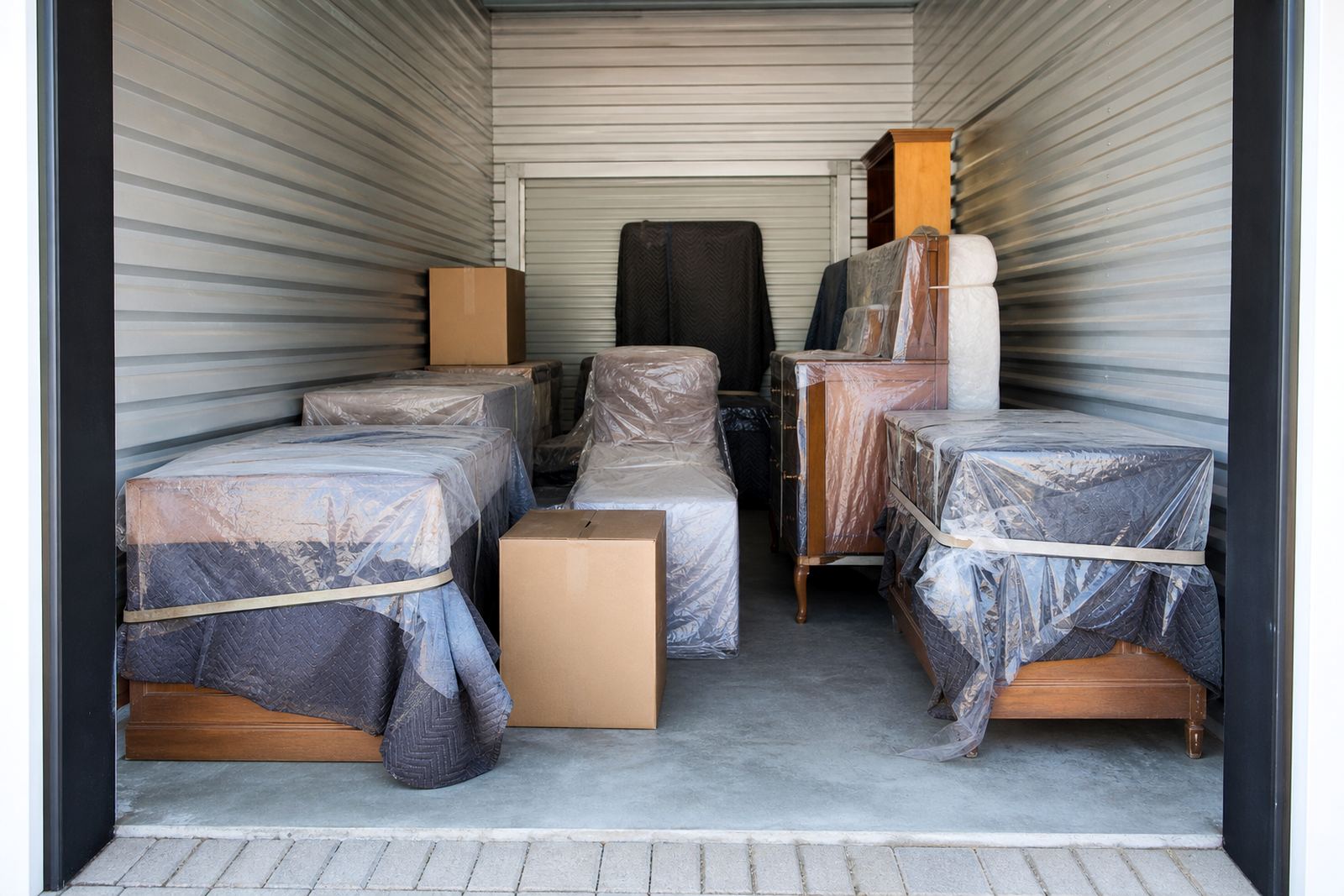
- Leave a small walkway inside the unit for easier access
What businesses should never pack away without a backup
Business storage can help when stock, files or equipment take up too much floor space. Still, some items should stay available to the team at all times. If your office, workshop or trading space in Pretoria or Midrand stores business materials, keep one working set separate from the rest.
This is especially useful for companies managing deliveries, walk-in customers or admin tasks. Keep current records accessible, and make sure the person handling the unit knows what is inside. If multiple staff members need access, the process should be simple and agreed in advance. That helps prevent delays when someone arrives for stock or a file and the needed item is locked away behind older boxes.
- Current invoices, statements and active client files
- Delivery notes and order books in daily use
- One working set of stock counting tools
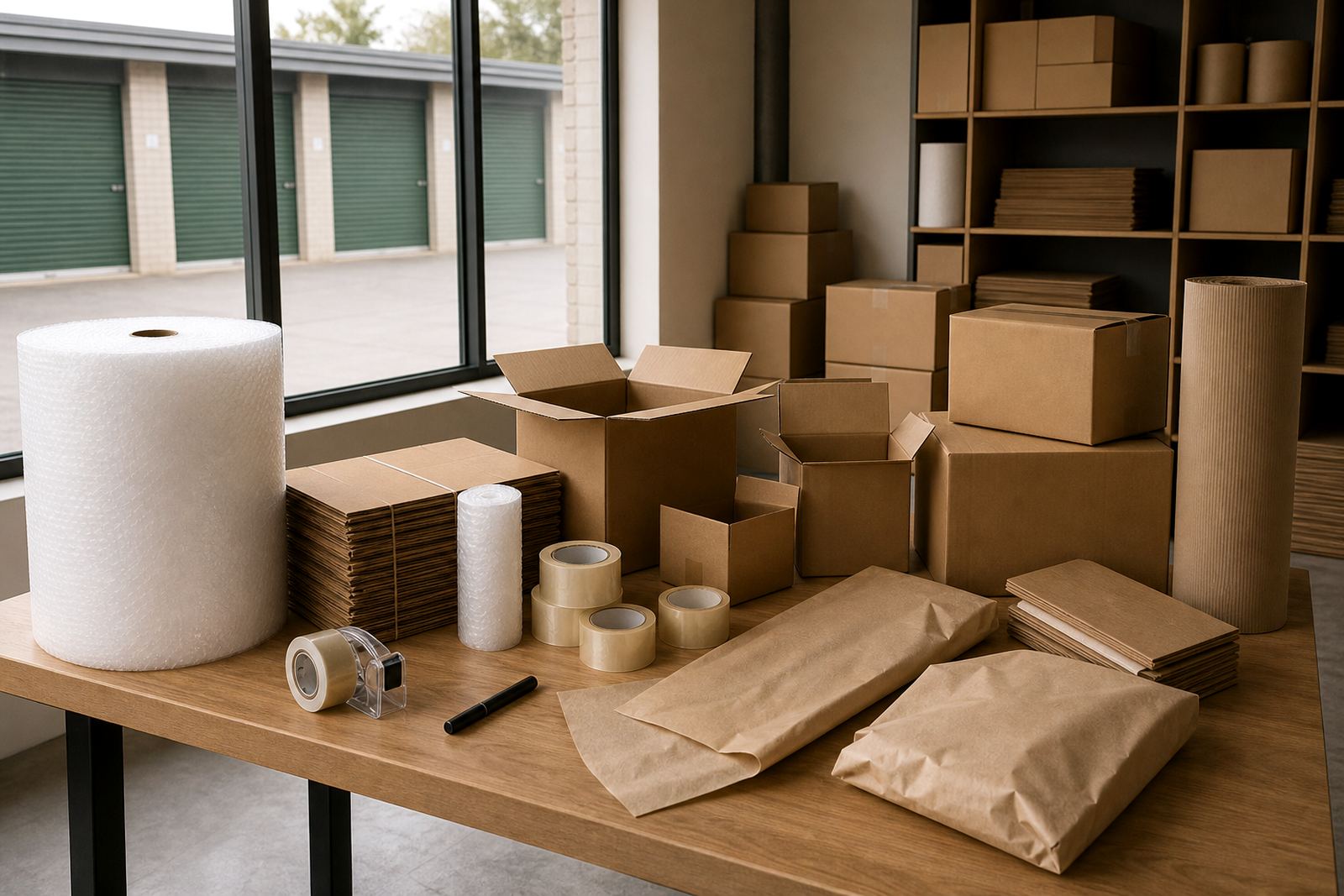
- Frequently requested packaging materials
- Staff items that are needed on rotation
For a busy business, separate daily items from archive items before the first load goes out. It is much easier to maintain order than to fix a mixed unit later.
A simple local routine for Midrand households and traders
Here is a practical routine that works well for many Midrand customers. Before moving anything into storage, make two piles at home or at the office. One pile is for daily use and stays out. The other pile is for storage and gets packed in order. Then set aside one small box for urgent items only. This can include keys, documents, chargers, basic tools and any other item you would not want to search for on a busy Monday morning.
For example, a family moving from a cluster home near Midrand might keep school items, medication and kitchen basics with them, while storing extra furniture, seasonal clothing and old decor. A trader sending boxes into storage in Johannesburg may keep current stock sheets and packaging tape at hand, but place slow-moving inventory in the unit. That approach keeps life moving without constant trips back and forth.
When you plan this way, storage becomes a support, not a source of stress. You know what is where, and you know what stays close. That is the difference between a tidy unit and a frustrating one, and it saves time every week.
If you are unsure, ask before the unit fills up
Not everyone knows how much to keep at home and how much to store. That is normal. A little guidance at the start can help you choose the right unit size, organise packing supplies and arrange access in a way that suits your routine. If you are moving, decluttering, managing business stock or planning a student move, ask for support before the first load arrives.
The goal is simple: keep the items you need today close by, and put everything else where it can stay safe and out of the way. Separate daily items before you pack, and the rest becomes much easier to manage.