Start by sorting garage items into real use groups
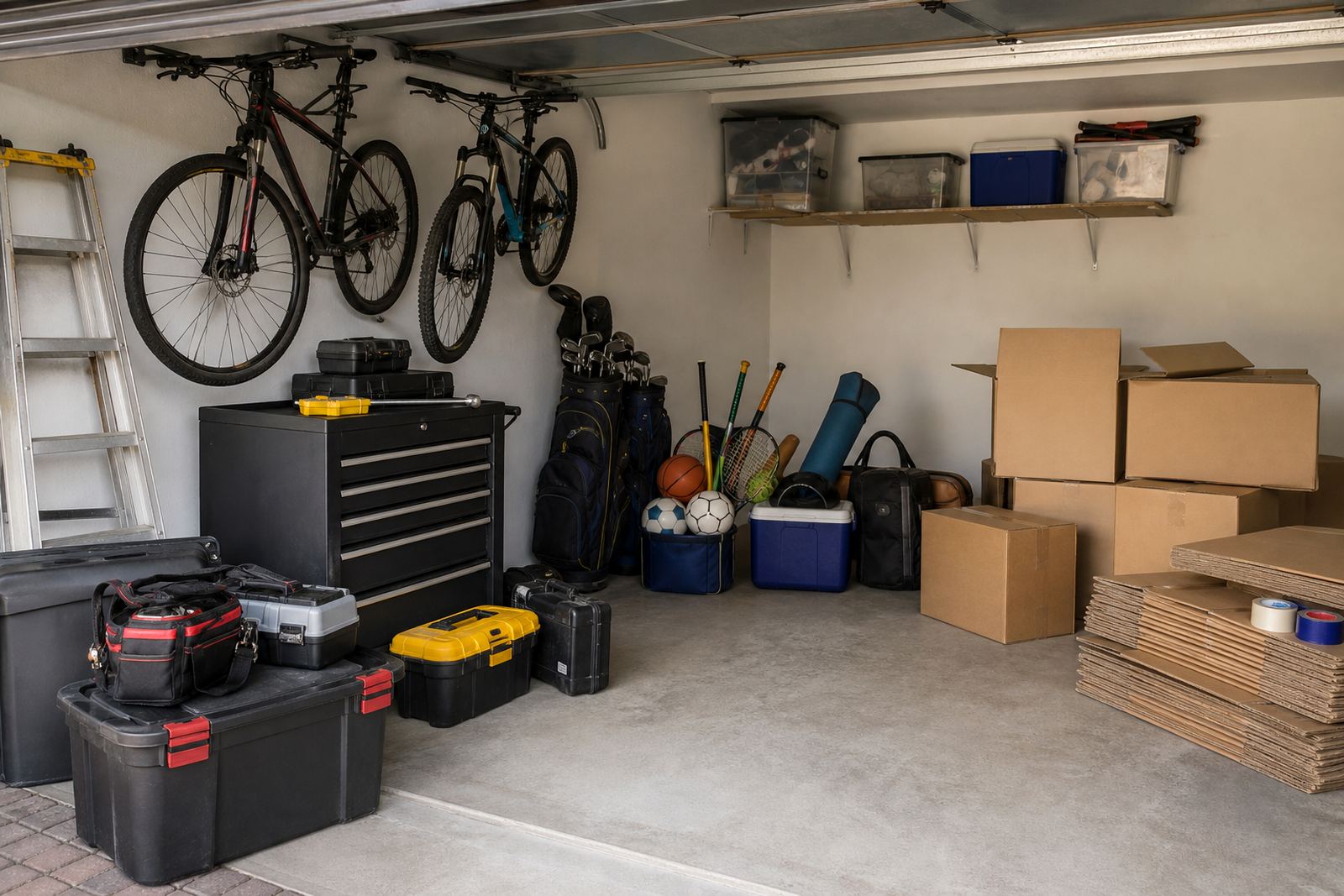
The easiest way to store garage items is to stop treating everything as one pile. Put tools, sports gear, garden items, car care products and seasonal extras into separate groups before anything goes into a unit or box.
That first sort saves time later because you can see what belongs together and what can be stored higher up, lower down, or kept within quick reach. It also helps in a Midrand home where the garage may double as a parking bay, laundry area or work space.
- Keep hand tools together, then move power tools into their own group.
- Separate active sports gear from out of season kit.
- Put cable reels, extension leads and light utility items in one section.
- Keep car cleaning products away from soft items like pads, gloves and towels.
Use clear labels so you do not reopen every box
Once the groups are set, label each box or tote by category and by how often you use it. A clear label on two sides is better than a lid label only, especially when boxes are stacked.
For garage storage, plain wording works best. Write things like drill bits, pool toys, bike spares or braai accessories rather than short codes only you will understand. If several people use the garage, simple labels cut down on clutter and arguments.
- Use one label for each category, not a mixed list of random items.
- Mark fragile or spill-prone items clearly.
- Keep frequently used items at shoulder height or lower.
- Write the date on boxes with seasonal items so you know what has stayed untouched for months.
Pack tools and small parts so they do not disappear
Tools and fix-it items often cause the most frustration because small parts slip through gaps. Group screws, brackets, drill bits, plugs and tape into smaller containers before placing them inside a larger storage box. This keeps the contents from shifting every time the box moves.
For heavier tools, use sturdy boxes or sealed tubs that can handle the weight. If you store items in a self-storage unit, place the heaviest boxes on the bottom and avoid overfilling them. A box that bulges is harder to lift and more likely to split.
In Gauteng, dust can build up quickly, so sealed containers are useful for keeping metal items cleaner between uses. If you are storing items near the coast or moving them from coastal areas into Gauteng, dry everything properly before packing to reduce rust and damp smells.
- Use smaller containers inside a larger box for screws and fittings.
- Wrap sharp tools so they do not damage other items.
- Keep power tool batteries separate and check them before storing.
- Line the bottom of a box with cardboard to help prevent scratches.
Make sports gear easy to find before the weekend
Sports gear is best stored by activity, not by family member. Keep cricket kit together, cycling gear together, and ball sports items in their own section. That way you can grab what you need quickly when training, school matches or weekend games come up.
Large items like bats, racquets, shin guards and helmets can be stored upright or in long boxes, while smaller items such as balls, grips and mouthguards can go into a clearly marked tote. If the garage is used daily, place the most active gear near the front so it is easy to take out and put back.
A useful rule is to keep clean and dirty items apart. Muddy boots, sweaty kit and outdoor shoes should not sit with dry clothing or spare towels. Let them air out first, then store them once they are fully dry.
- Group items by sport, then by season.
- Keep water bottles and drink coolers in one easy-to-reach place.
- Store helmets and protective gear where they will not be crushed.
- Use stackable containers for balls and smaller training items.
Reserve a section for utility items and emergency basics
Garage storage is not just for hobbies. Many homes keep spare light bulbs, extension cords, batteries, cleaning supplies, spare keys, insect spray and basic maintenance items in the garage. These should have their own section so they do not get mixed with leisure gear.
It helps to create a small utility zone near the entrance or inside a secure storage unit. A neat utility zone also makes it easier to check stock before something runs out.
- Store candles, torches and backup batteries in one container.
- Keep extension leads and adapters coiled neatly.
- Place cleaning chemicals upright and away from soft goods.
- Separate household emergency items from vehicle tools.
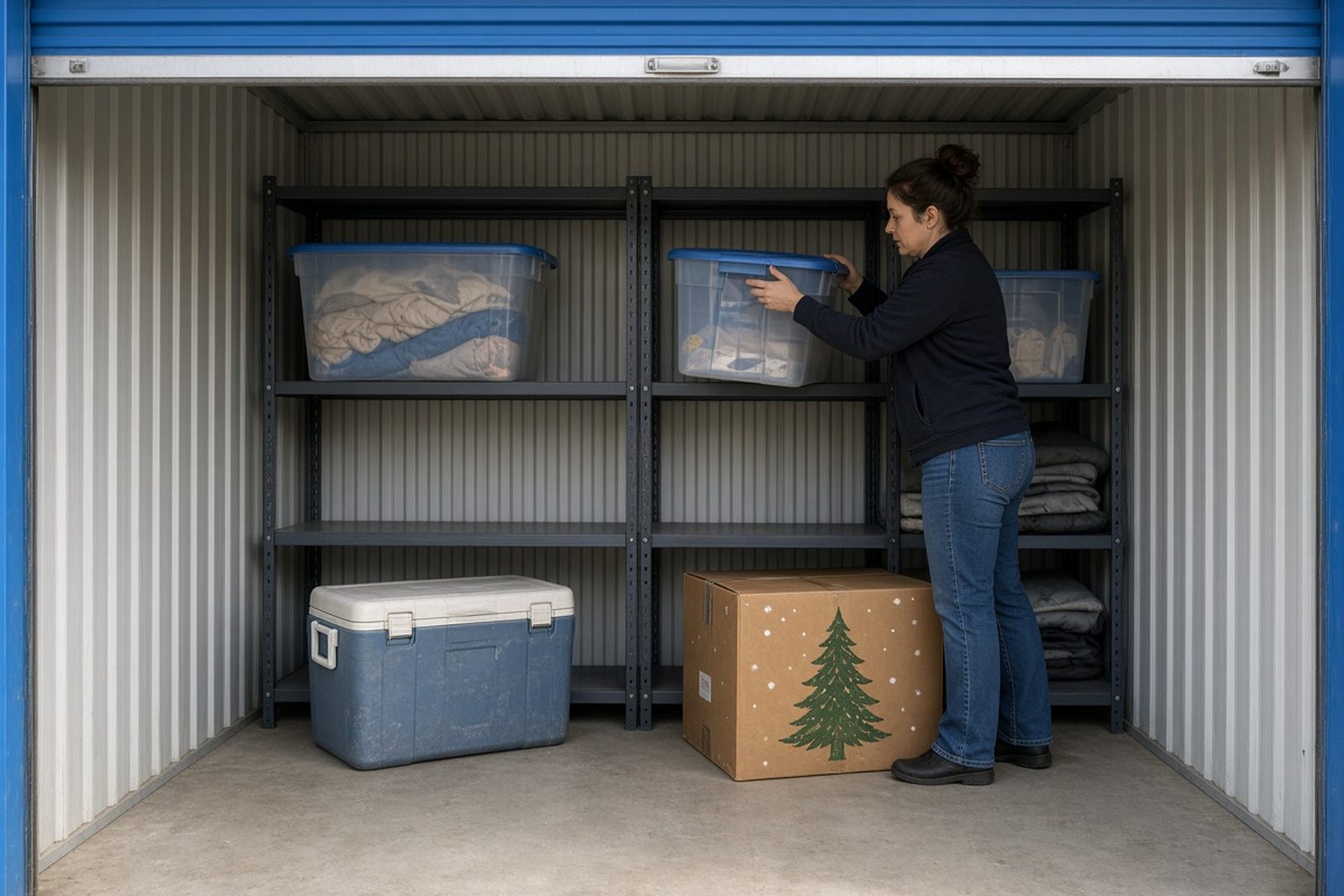
Use self-storage when the garage is full or shared
When the garage is already tight, self-storage can free up space for what you use every day and keep the rest properly sorted. This is useful for moving households, growing businesses and families who need a bit more room for seasonal gear, archive boxes or spare stock. In Midrand and surrounding areas like Johannesburg, Pretoria, Centurion and Kempton Park, many people use storage when the garage becomes the overflow point.
Access matters, so store your items where you can plan visits around your routine. Ask about access arrangements, unit size guidance and move-in support before choosing a unit. If you are storing business stock or documents, you may also want help with stock organisation, archive planning or packing station setup so the stored items stay easy to manage.
Security and order both matter. A well kept storage space should have controlled access, clear passageways and a layout that lets you place heavier items safely. That way your tools, boxes and utility items stay grouped, not scattered across the unit.
- Choose a unit that matches the amount you actually need to store.
- Keep a simple inventory list for boxes and large items.
- Place frequently used items near the front of the unit.
- Use strong boxes and proper packing supplies for mixed garage goods.
A local example: clearing a Midrand double garage without losing track
A Midrand family with a crowded double garage might start by moving school sports bags, garden tools and spare household items into separate groups. The items used every week stay at home in a neat corner, while the long-term extras go into a storage unit for easier access and better control.
The family could keep cricket gear, bicycles and repair tools in labelled boxes, then move old décor, spare camping kit and rarely used utility items into storage. With that approach the garage becomes usable again for parking and everyday movement, rather than acting as a catch-all for everything that has no home.
That same method works for businesses too. A small team can store packaging materials, display items or overflow stock off site and still collect them when needed. The key is grouping items properly before they leave the garage or storeroom, so nothing gets lost in transit.