
Why box weight matters before you even seal the lid
People often think packing is only about fitting everything in, but weight is just as important as size. A box packed with books, tools or canned food can become awkward very quickly, while a lighter box with mixed items is easier to lift, carry and place on a shelf. In self-storage, that difference matters because boxes are usually moved more than once, from the home to the vehicle, then into the unit, and sometimes back out again.
If the weight is uneven, the bottom of the box can bulge, the handles can tear and the contents can shift inside. That puts pressure on other boxes too, especially when they are stacked in a unit. Good packing is not about filling every gap. It is about making sure each box can be handled safely by one person, or two if needed.
What to keep light, and what to separate into smaller boxes
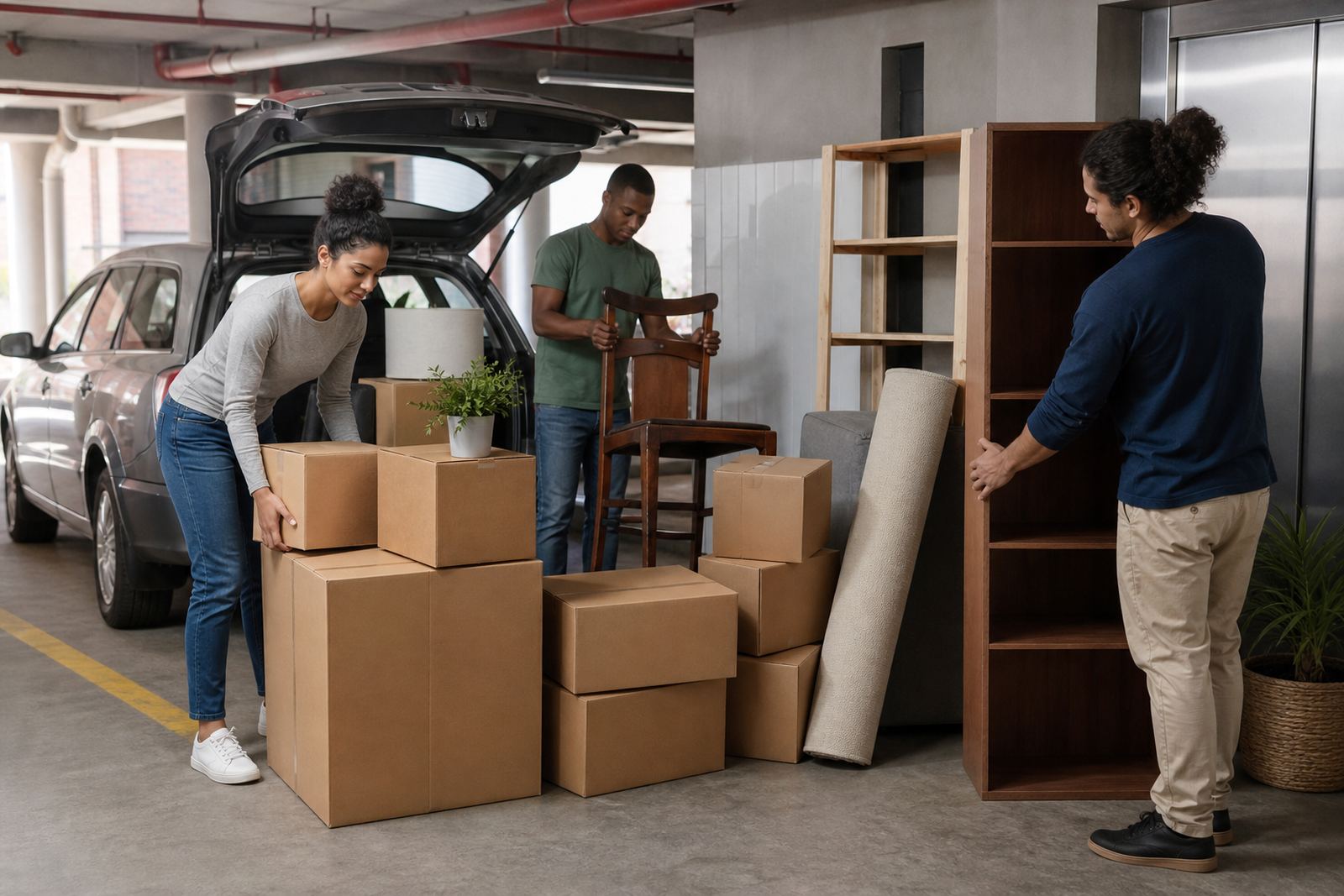
Some items belong in small boxes no matter how tempting it is to use one large carton. Heavy goods should be split up so the load stays manageable. This is especially useful when you are moving in Gauteng, where stairs, tight passages and basement parking can make carrying more difficult than expected.
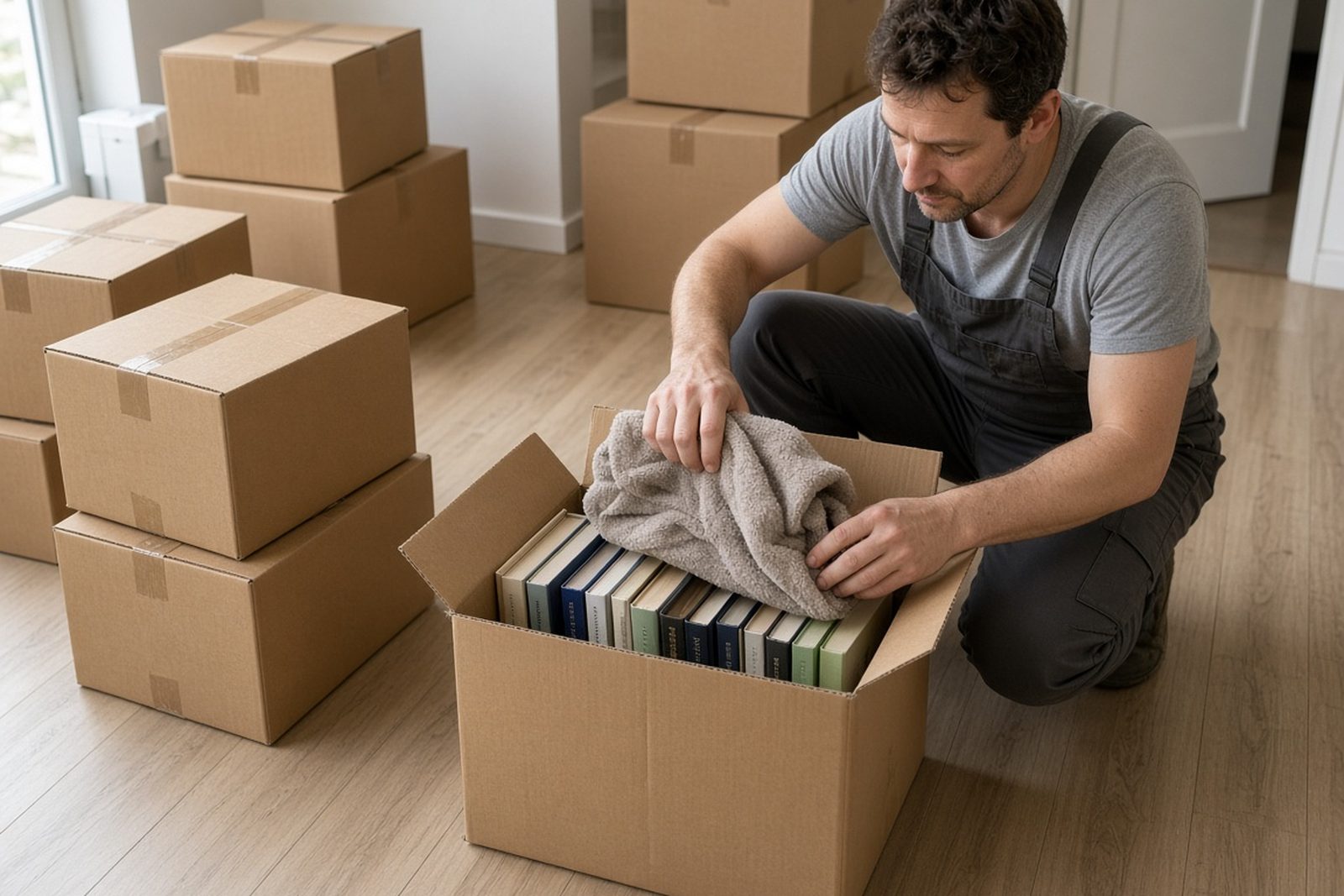
- Books, magazines and paperwork should go into smaller boxes.
- Tools, hardware and metal kitchen items need to be spread out.
- Tiles, bottles, jars and other dense goods should not all go together.
- Mixed household items can go in medium boxes with lighter items on top.
- Fragile goods need space for packing paper or padding, not extra weight from above.
When you are unsure, aim for a box that can be lifted without strain. If you need to shift your grip halfway through the lift, the box is probably too full. That is a simple test, but it saves trouble later on.
How balanced packing helps in a storage unit
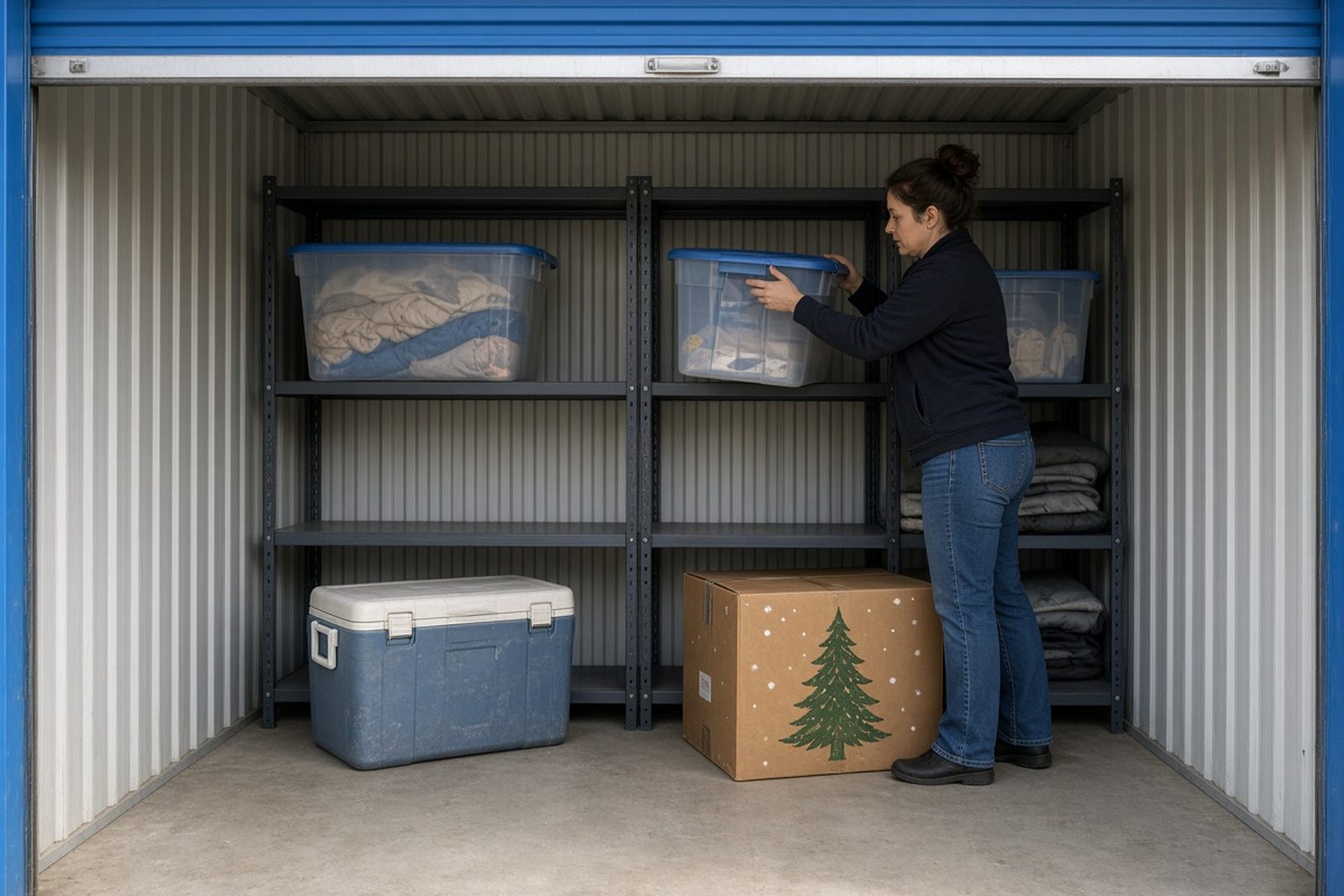
Inside a storage unit, balanced boxes make the whole space easier to use. Neatly packed cartons stack better, stay upright and create safer aisles between piles. Unbalanced boxes have a habit of leaning, which can cause a row of boxes to tilt or collapse. That is not only untidy, it can damage items underneath and make access harder when you need something quickly.
For business storage, the same principle applies to stock, files and packing supplies. A unit with evenly packed boxes is easier to organise by category, season or priority. It also makes it simpler to add or remove items without unpacking everything else. For families, it helps with storage of clothing, linen, school items and holiday goods.
- Heavier boxes should go on the bottom.
- Lighter boxes should sit on top, not the other way around.
- Leave a small gap near the front for access to items you may need first.
- Do not stack boxes so high that they become unstable.
- Keep similar sizes together where possible for cleaner stacking.
Packing for Midrand moves, apartments and office shifts
In Midrand and nearby areas like Sandton, Randburg and Edenvale, many moves happen around estates, office parks and apartment blocks. That often means lifts, loading bays and time restrictions. Overpacked boxes slow everything down. They take longer to move, they are harder to load into vehicles and they can cause unnecessary strain during a busy move-out day.
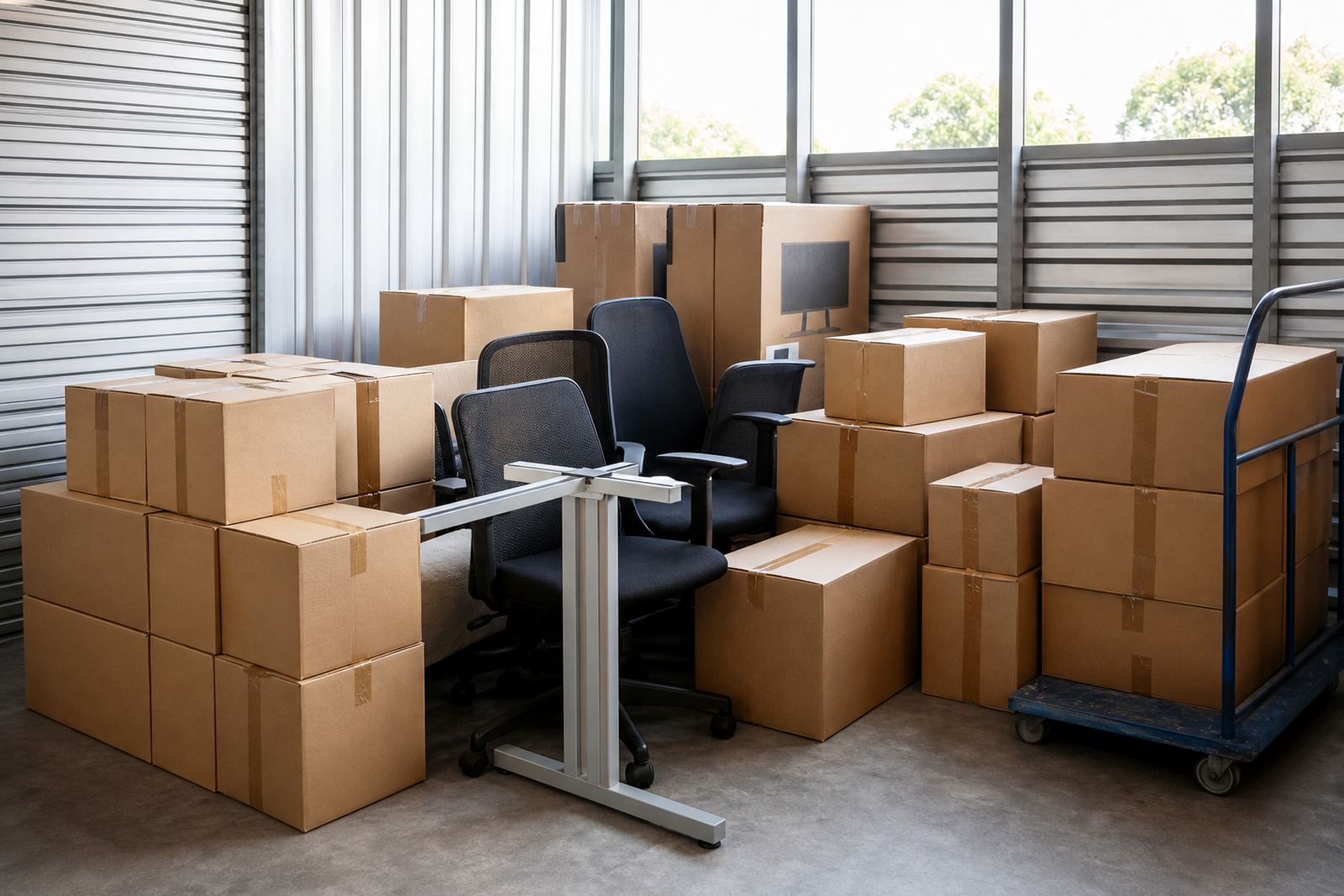
A practical local example is a small office move from Midrand to Centurion. Files, stationery and meeting supplies may look light when spread out, but once they are all placed into one big box the weight adds up fast. If that box is then stored in a unit for archive planning, it becomes even more important to keep the load balanced so staff can retrieve specific files later without lifting something awkward or damaging the box base.
The same goes for student storage during holidays. Bedding and clothes are easy to pack together, but books, chargers and kitchen items should be separated. A few extra smaller boxes are far better than one overloaded carton that is impossible to manage on move day.
Packing materials help, but they cannot fix too much weight
Good packing supplies make a real difference, especially when boxes are going into storage for a few weeks or longer. Strong cartons, packing paper, tape and wrapping help protect contents from dust, handling and general movement. But no amount of tape can properly hold a box that is too heavy for its own structure.
At a Midrand base, packing advice often starts with the same question: what is inside the box, and who will lift it? That determines the right size, the right material and whether the contents should be split. If a box has sharp edges, glass items or heavy kitchenware, padding is useful but the load still needs to stay within a sensible range. In humid coastal areas the pressure is different, but in Gauteng the bigger challenge is often repeated handling and dry-season dust getting into poorly sealed cartons.
- Use smaller cartons for dense items.
- Fill gaps with paper, not extra heavy goods.
- Seal the base properly before packing.
- Mark weight-sensitive boxes clearly.
- Keep fragile items separate from dense household goods.
A better system for homes and businesses alike
Whether you are decluttering a flat in Pretoria, moving stock in Kempton Park or setting up a packing station for a small company, the same rule applies: pack so that every box can be carried, stacked and stored without strain. This makes move-in support easier, reduces damage and keeps access simpler over time.
For business storage support, it also helps with stock organisation. Group similar items, label boxes by use or date and avoid creating one or two overfilled cartons that no one wants to touch later. For home users, it means less frustration when you need to find something quickly and less risk when moving boxes in and out of a unit after hours or on a weekend.
Balanced packing is not complicated. It just takes a little planning before the tape goes on. If a box feels too heavy in your hands, it probably is. Split it, repack it and make the load easier for everyone involved.
Three quick checks before you close the carton
Before sealing any box, pause for a final check. It only takes a moment and can prevent injury or damage later. Many packing problems start with one last item being squeezed in because there is a bit of space left. That is usually the point where the weight becomes uneven.
- Can one person lift the box without bending awkwardly?
- Does the bottom feel firm when you pick it up?
- Would you be comfortable stacking another box on top of it?
If the answer to any of those questions is no, repack the contents. A few extra boxes is better than a load that is too heavy to manage safely. That approach is useful for home storage, office move support and decluttering projects alike.