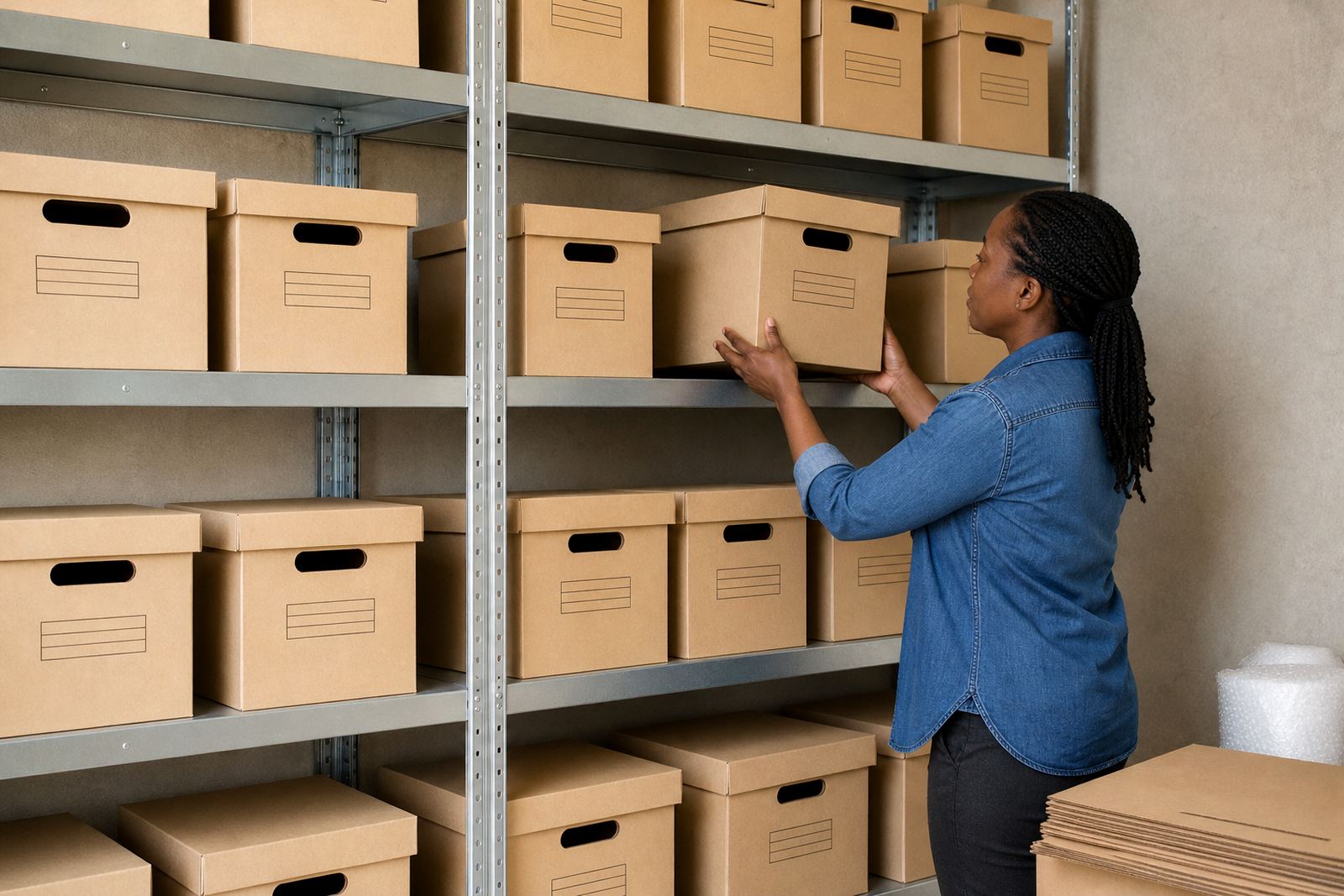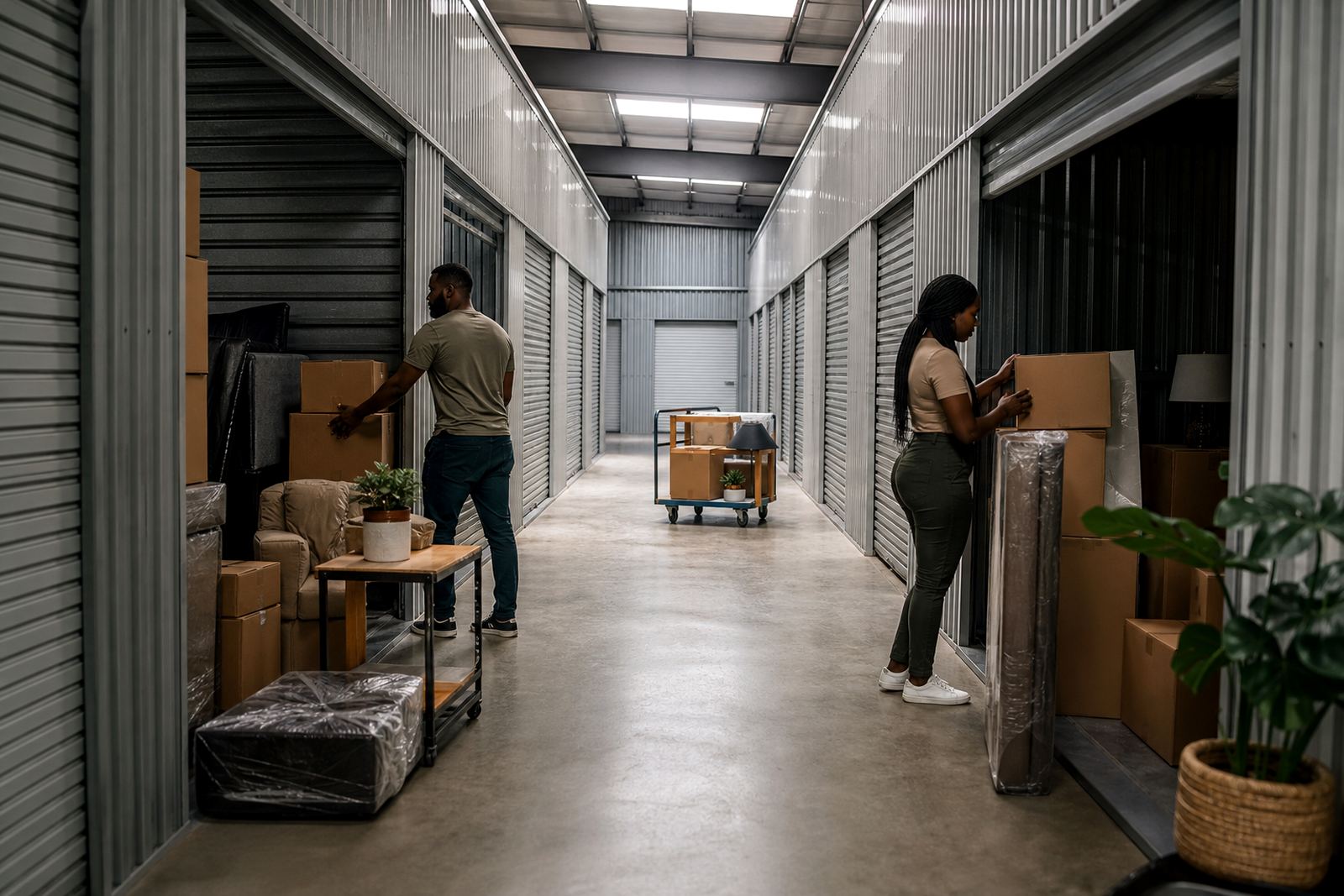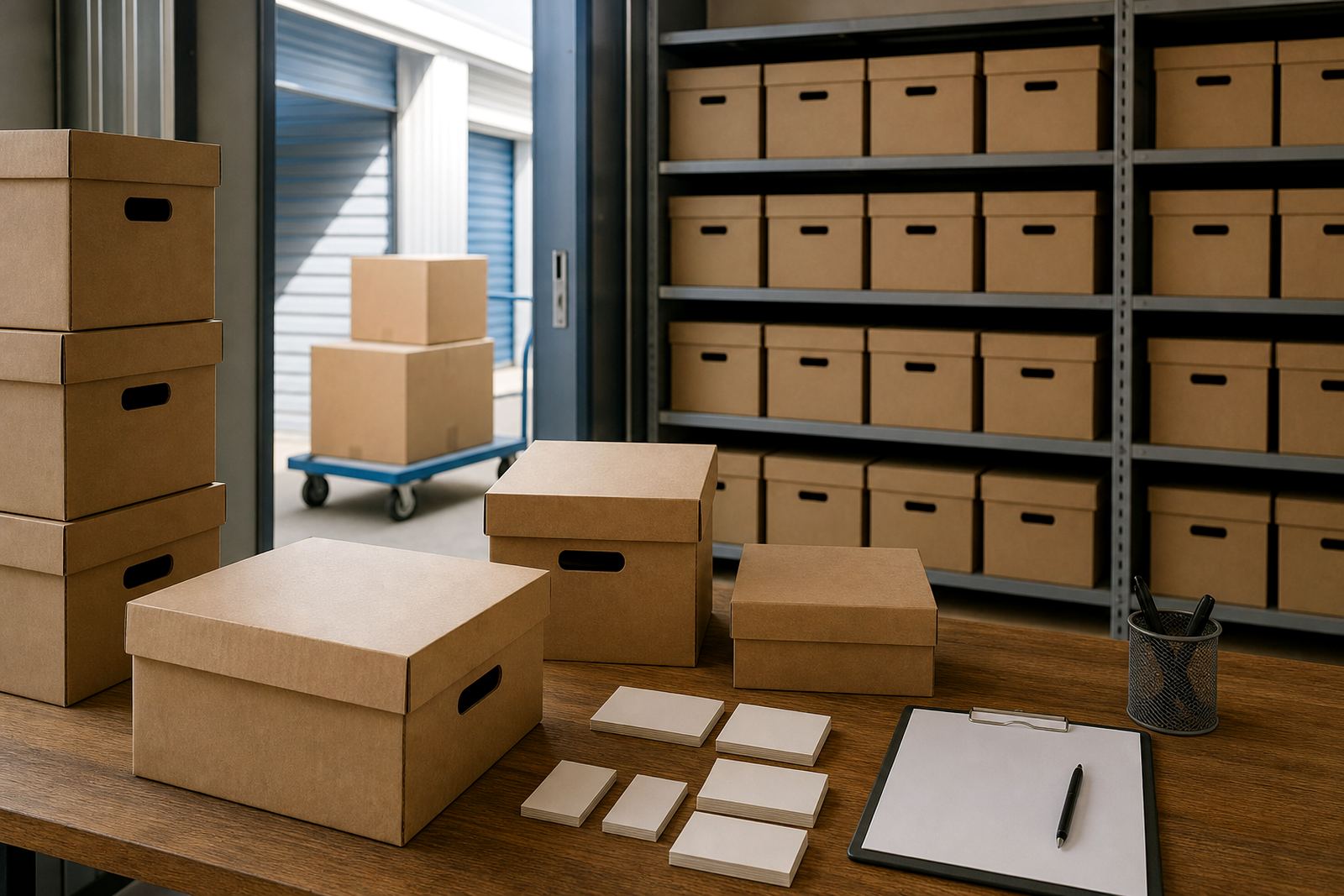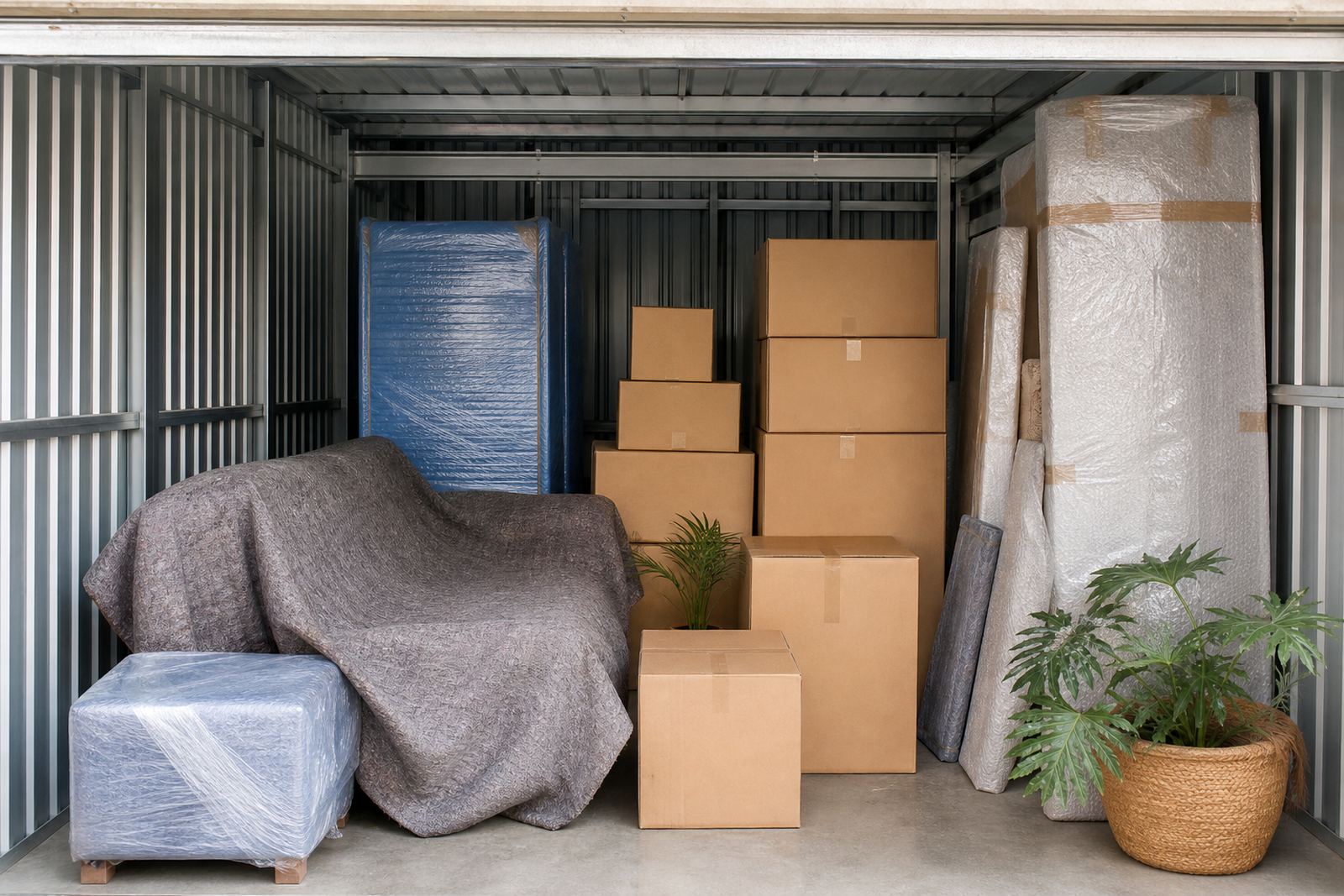
Start by sorting what stays in the lounge and what goes into storage
Before anything is wrapped, decide which lounge items you will actually need during the storage period. Sofas, side tables, coffee tables, lamps, framed pictures, sound systems and TV units all take different amounts of space, so it helps to separate daily-use items from pieces that can sit safely in storage. If you are in Midrand and waiting for a lease handover or a renovation finish date, this step can save a lot of back and forth.
Make one pile for items that must stay accessible and another for items that can be packed deeper into the unit. This is useful for households as well as small businesses storing display pieces, sample décor or reception furniture.
- Keep together the items you may need to retrieve early.
- Set aside electronics and cables as a separate group.
- Label fragile décor before it leaves the lounge.
- Measure large pieces so the unit layout makes sense.
Protect upholstered furniture from dust moisture and pressure marks
Fabric sofas, recliners and armchairs should be cleaned and dried before storage. In Gauteng, dust and dry air can still settle into seams, while coastal humidity is less of a factor here than in the east coast areas, so the bigger concern is trapped moisture from cleaning or damp moving blankets. Do not cover upholstery with sealed plastic for long periods. It can trap air and cause musty smells if the item was not fully dry.
Use breathable covers, clean sheets or proper furniture wrapping, and keep items off the floor where possible. If a couch has removable cushions, store them separately so the frame can stand flatter. A sectional should be split into manageable parts where possible, because it is easier to move through passages and safer in a unit. A small gap between large items and the walls also improves air flow and makes access less awkward.
- Vacuum fabric seams before wrapping.
- Let cleaned furniture dry fully before packing.
- Remove loose cushions and store them neatly.
- Keep legs, fittings and bolts in a clearly marked bag.
Pack décor so fragile items do not get buried
Lounge décor is often where small damage happens first. Lamps, mirrors, ornaments, picture frames and decorative baskets can be crushed if they are packed into boxes with no order. Wrap fragile items individually and place heavier pieces at the bottom of each box. If you have glass-topped side tables or framed artwork, use stiff cardboard or corner protectors so the edges are not knocked during handling.
When you are storing a full lounge set, keep décor boxes close to the front or on top of stable items, not underneath bulky furniture. That way you do not need to shift the whole unit just to find a remote tray or one frame. In a place like Sandton or Randburg, where many households keep a mix of imported and locally made décor, it pays to label each box by room and fragility level. That makes unpacking at home far less stressful.
- Wrap glass separately and mark the box clearly.
- Use smaller boxes for books and ornaments.
- Keep picture frames upright, not flat under weight.
- Label the contents and the room they belong to.
Store televisions sound equipment and cables with access in mind
Electronics need special handling because dust, pressure and loose cables can create problems later. A television should be stored in its original box if you still have it, but if not, use a firm box with padding on all sides. Never place a screen face down against hard surfaces. Sound bars, speakers and receivers should be wrapped and grouped with their remotes, power cords and mounts. The trick is to keep each system together, otherwise setup becomes a headache later.
Write the item name on the outside of the box and keep one inventory note for every component. If your lounge has a gaming console, media player or Wi-Fi related equipment, put these in a separate box that is easy to reach. This is especially useful for business owners who keep demo screens, stock displays or reception units in storage while office work continues. A little order now saves time when you need to retrieve one item quickly.
For shared family units or storage used by a small office, place the most likely first-use items near the front of the unit. That might be the TV bracket, one lamp, or the coffee table that will go back into use before everything else. It sounds simple but it makes access faster and less frustrating.
Plan the unit so heavy furniture does not block the things you need
A good layout matters just as much as packing. Put heavier items such as sofas, cabinets and tables along the sides or at the back, then leave a central aisle if space allows. That way you can reach boxes without moving the whole lounge set every time. If the storage unit is being used for a move-out, a renovation, or stock held by a home-based business, an aisle is worth keeping even if it feels like you are using a bit more space.
Stack carefully and never place fragile décor under weight. When possible, stand couches on their bases rather than on their backs or arms. Keep soft items away from anything that can compress them for long periods. In Midrand, where many customers use storage while waiting for bond registration, settlement dates or office handover, the best units are the ones that stay easy to work in. You should be able to get to a box without emptying half the space first.
- Place bulky furniture first, then fill the gaps with lighter boxes.
- Keep the front of the unit open for regular access.
- Use shelving or pallets if suitable for the item mix.
- Do a final walk-through before locking up.
Use storage support when the lounge is part of a bigger move
Many lounge moves are tied to something bigger, like office relocation, a student move, a family downsizing plan or a long renovation. In those cases the storage plan should match the actual timeline, not just the moving date. If you know you will need the TV first and the side tables later, say so when arranging access. If your furniture is being stored while an office is being repainted or while stock is being reorganised, keep a clear list of what sits where.
Local example: a family in Centurion moving from a townhouse to a smaller home may store a three-seater couch, an entertainment unit and a stack of décor boxes while they decide what fits in the new place. If the coffee table is needed first, it should be loaded near the front. If a business in Pretoria stores reception furniture and sample pieces during building work, then access arrangement becomes just as important as security. Planning in this way keeps the process orderly and reduces unnecessary lifting.
At LastBox, customers use the enquiry form on our contact page to ask about unit size guidance, packing supply advice, access arrangement and move-in support. That sort of practical planning makes storing lounge items far easier, whether you are in Midrand, Johannesburg, Pretoria, Centurion or Kempton Park. The aim is simple: keep your furniture protected and make sure the right item is still reachable when you need it.