Why traders need a base between market days
When you trade at weekend markets, roadside stalls, pop-up events or taxi rank spots, the real challenge is what happens after closing time. Stock has to be taken down quickly, packed properly and stored in a way that makes the next load-out simpler, not messier. For traders in Midrand, Johannesburg, Pretoria, Centurion and Kempton Park, self-storage can act like a working back room without the cost of adding space at home or renting a full commercial premises.
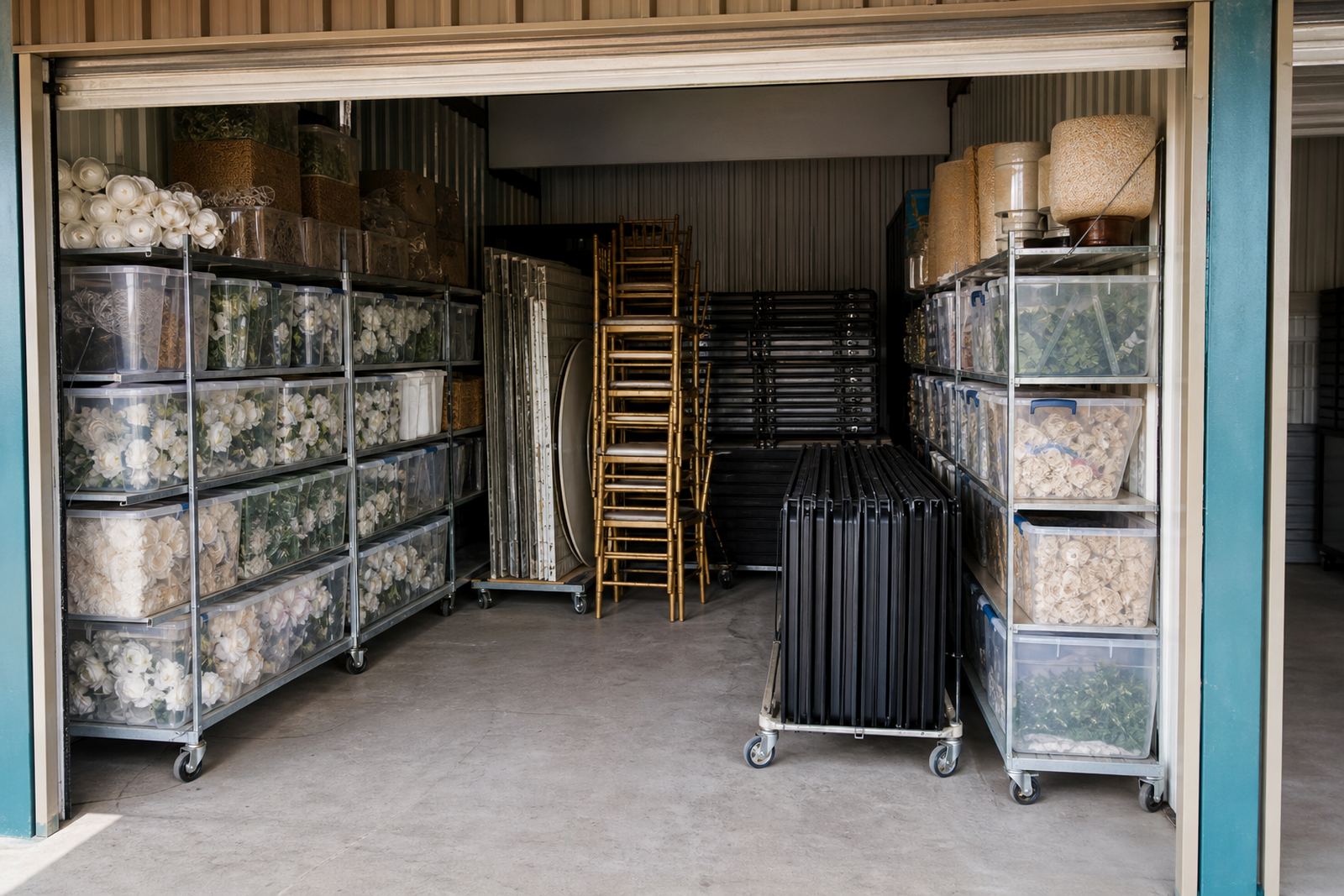
A good storage setup helps you separate fast-moving stock from slower sellers, keep display gear in one place and avoid the common problem of boxes being scattered between a garage, a spare room and a bakkie canopy. It also gives you a safer place for items that do not handle damp, heat or rough handling well. For traders who work across Gauteng, this kind of arrangement can save time every week and cut down on last-minute panic before market day.
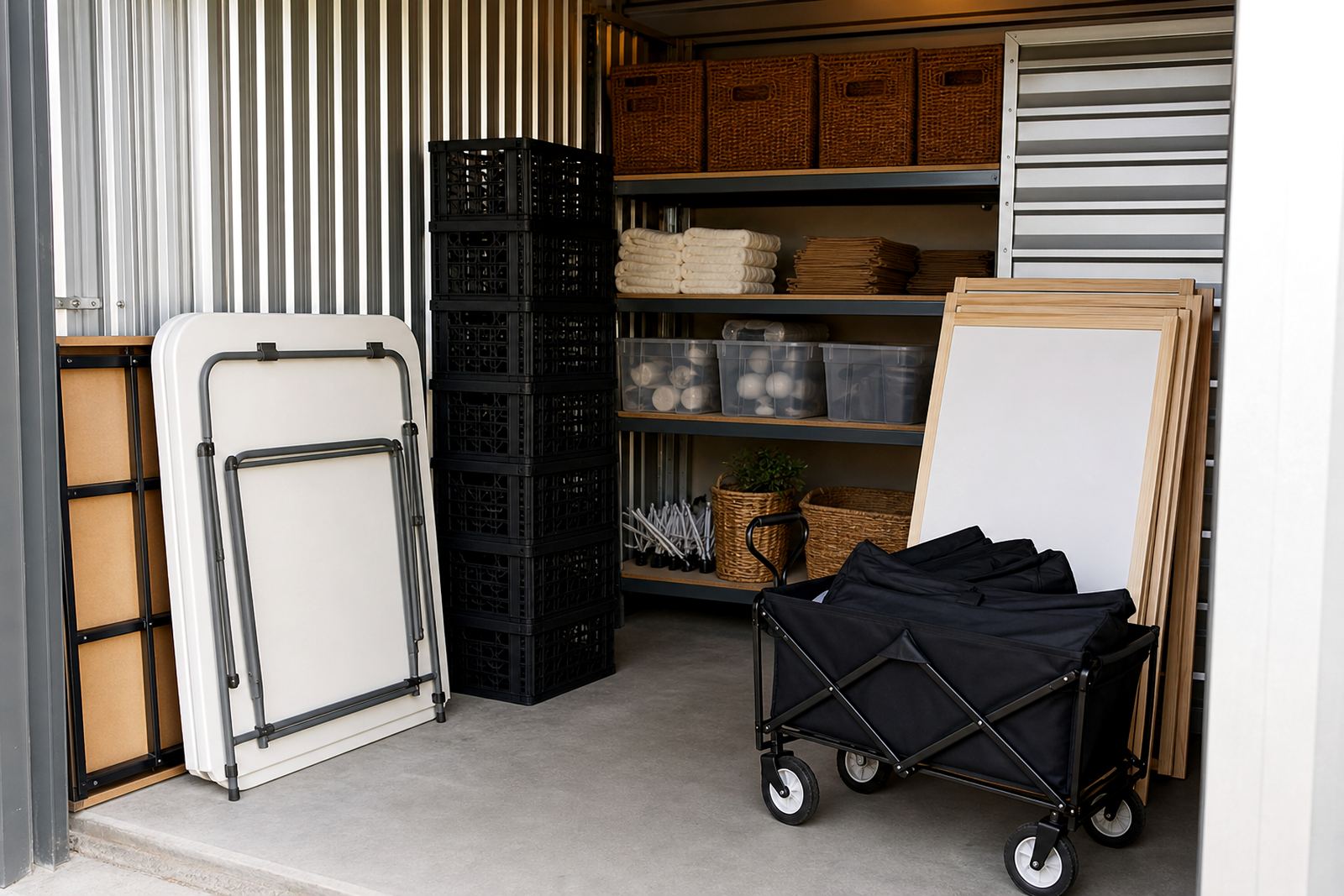
LastBox works with traders who need practical storage for stock, signage, tables, folding chairs, gazebos, basket displays and packing materials. The idea is simple: keep the essentials together, make access straightforward and reduce the number of trips needed to get ready. That matters when you are loading before sunrise or packing down after a long day on your feet.
What to store and what to keep separate
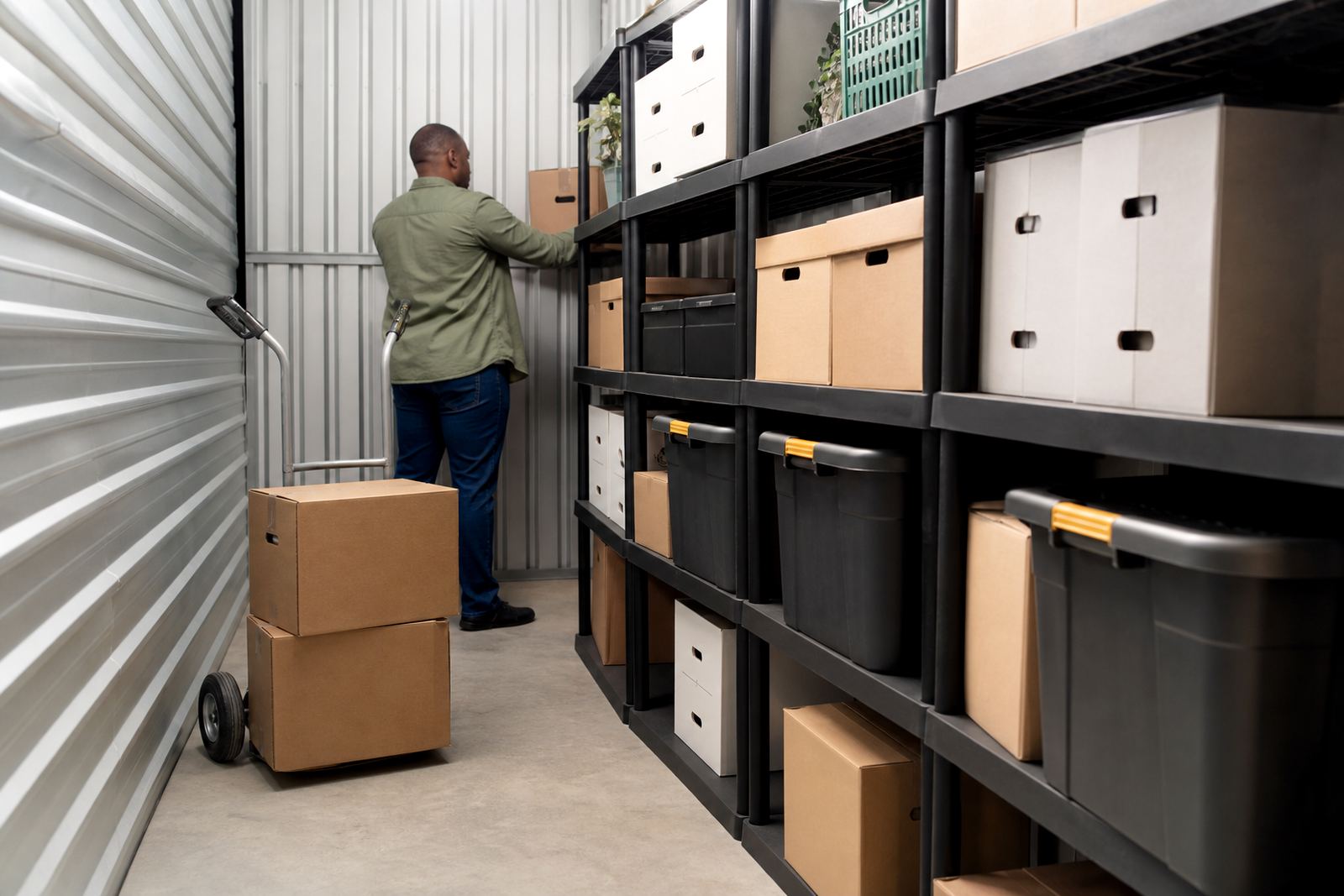
Not everything belongs in the same unit or the same stack of boxes. Traders do better when stock is grouped by use and by how often it moves. Fast sellers should be close to the front. Seasonal stock, spare packaging and backup equipment can sit further back. This makes stock rotation easier and helps you spot what needs restocking before the next event.
A practical split for many traders looks like this:
- Daily stock such as packaged goods, accessories or small display items
- Event kit such as tables, chairs, gazebos, tablecloths and signs
- Packing supplies like boxes, tape, labels, wrap and bags
- Business records, invoices and order books kept in dry labelled containers
- Spare stock and seasonal items that are not needed every week
If you sell food, crafts, clothing, phone accessories or household goods, the storage approach changes slightly, but the principle stays the same. Keep similar items together and avoid mixing stock with tools or loose equipment. It sounds basic, but many traders lose time because one important box gets buried under three others and then nobody can find the right size cable or price labels.
Access, security and weather protection matter
Traders often work with stock that is light enough to move but valuable enough to need proper care. Access is important because you may need to collect stock early in the morning or return after trading hours. A storage unit should fit the way you work, not force you into awkward timing every time you need to load or offload.
Security also matters, especially when stock is held for several events at once. A well-managed facility gives traders a place where goods can be stored off-site while still being organised and checked.
Coastal humidity is not the main issue in Midrand, but damp weather, dust and heat still affect cardboard, labels and soft packaging. Traders who use paper bags, printed swing tags or wrapped items know how quickly poor storage can lead to bent corners, faded packaging or moisture damage. A cleaner and drier storage environment helps keep stock in better condition between events, and that is especially useful when you rely on presentation to make sales.
- Use sealed containers for smaller items that can scatter easily
- Store fragile goods above floor level where possible
- Keep aisle space clear so you can get in and out without reshuffling everything
- Label front-facing boxes by event, product type or season
Packing supplies that make set-up faster
Good packing is part of good trading. If your boxes are weak, your labels fall off or your wrap runs out at the worst time, the whole operation slows down. Many traders keep a small packing station in storage so they can sort, label and re-pack stock in one place before heading out. That makes the load-out cleaner and reduces mistakes when orders are being prepared in a hurry.
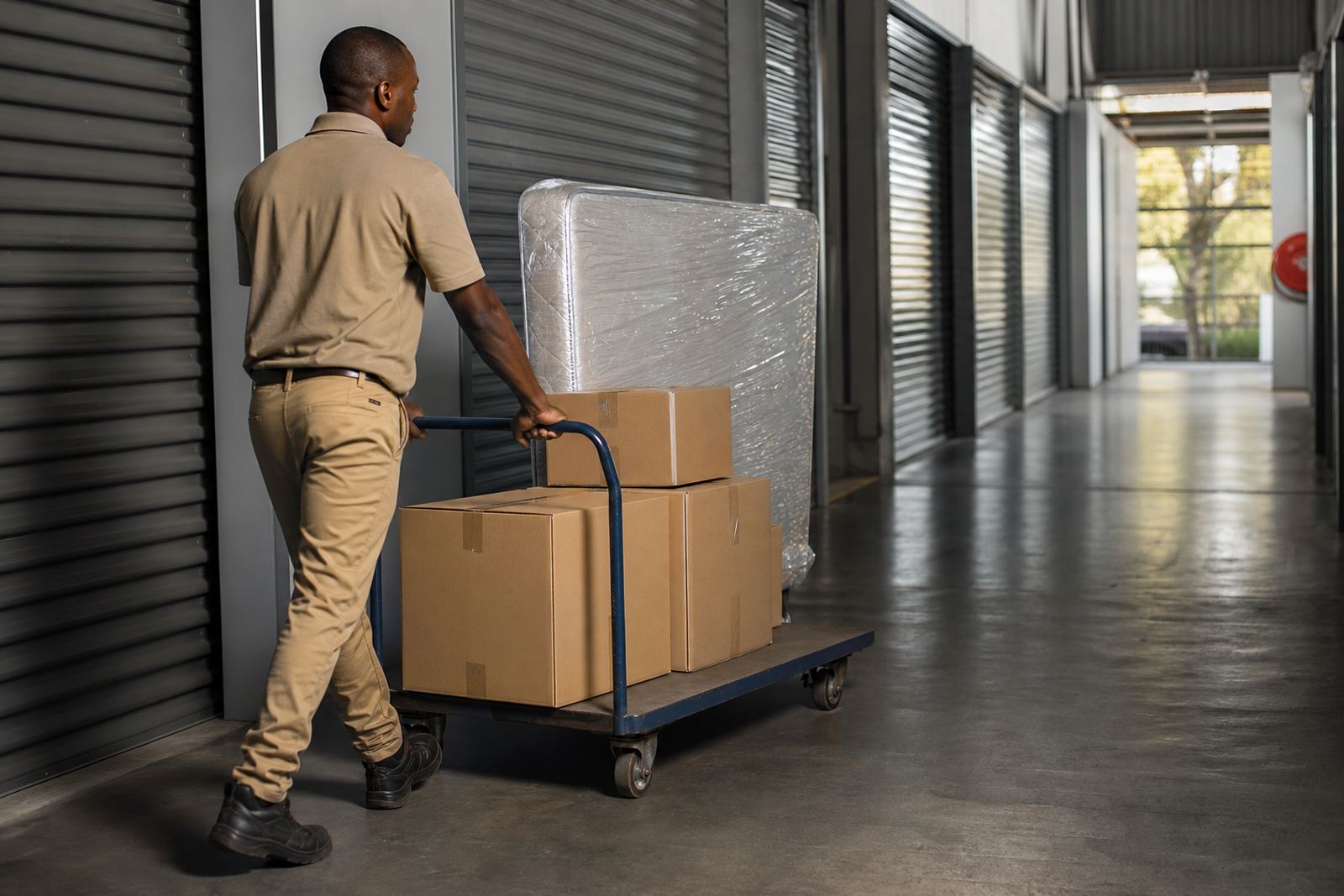
LastBox also supplies moving boxes and packing materials that are useful for traders who need to pack stock safely between events. The point is not to overpack everything into one container. The point is to use the right box, the right tape and the right wrap for the type of item being stored. Lightweight promotional items can go in neat labelled cartons, while heavier stock needs stronger boxes and careful stacking.
Useful packing habits for traders include:
- Wrapping delicate items separately instead of piling them loose into one box
- Keeping a roll of tape, marker pens and spare labels with each stock group
- Using colour coding for event gear, stock and admin files
- Writing the product name and quantity on at least two sides of each box
This kind of routine saves time during busy trading weeks. It also helps if more than one person is handling stock. A good system means anyone on the team can see what is inside a box without opening everything and creating another mess to sort later.
A Midrand example: from market tables to organised stock
Take a trader based in Midrand who sells homeware and small gift items at weekend markets in Sandton, Pretoria and Centurion. During the week, stock arrives in batches and needs to be checked, sorted and packed for the next outing. If that trader keeps everything at home, the spare room fills quickly and packing becomes a daily interruption. Boxes get stacked in odd places, tape goes missing and stock counts become guesswork.
With self-storage, the trader can keep display pieces in one section, sale stock in another and packing supplies near the front. When a market booking comes through, they can collect the right cartons, load the bakkie and head out without digging through household storage first. After the event, unsold stock goes back into the same labelled groups. That simple routine makes stock control easier and keeps the business moving, even when the week is busy.
For traders who also work with assistants or family members, shared storage can make handovers easier. One person can replenish bags and labels while another checks stock levels. If you are juggling orders from different trading points across Gauteng, a neat storage base can save more time than most people expect.
How LastBox supports trading businesses
LastBox assists traders who need more than empty space. The team can help with unit size guidance, access arrangement, packing supply advice, business storage support and archive planning for documents that must stay dry and ordered. For traders who move stock often, this kind of support is practical because it helps match the storage plan to the way the business actually runs.
The Midrand base serves customers across Gauteng, including Johannesburg Storage, Pretoria Storage, Centurion Storage, Kempton Park Storage, Sandton Storage, Randburg Storage and Edenvale Storage. That spread is useful for traders who operate in different parts of the province and want a storage option that is not too far from their regular routes. Whether you are collecting stock before a market or dropping off packing materials after one, local access matters.
The team includes Mxolisi Mdletshe as MD, with support from Goitseone Mabandla in Operations, Johan Shabalala in Storage Advice, Omolemo Phasha in Customer Service, Farah Jacobs in Packing Supplies, Moagi Ngcobo in Facilities and Kamini Soobramoney in Marketing. Clients reach the team through the enquiry form on the contact page, which keeps requests organised and easy to follow up. For traders, that means fewer missed messages and a clearer path to getting the right storage arrangement in place.
Simple storage habits that keep traders ahead
Storage works best when it becomes part of the trading routine. A trader who stores neatly today spends less time searching tomorrow. The aim is to make loading, checking and packing as quick as possible so that stock stays ready for the next event. That means regular counts, clear labels and a habit of putting things back where they belong.
Here are a few habits worth keeping:
- Do a stock count after each market or event
- Move damaged packaging out before it spreads to the rest of the stock
- Keep older stock in front so it is sold first
- Set aside a small area for returns, repairs or repacking
- Review what was used most often so your next packing day is easier
For many traders, the biggest benefit is not just having extra space. It is having a system that supports the business between sales days. Once stock, equipment and packing materials are organised properly, the whole operation feels steadier. That is the kind of practical support traders need when they are building a business across Gauteng, one market day at a time.