
Start by sorting files into clear record groups
The quickest way to lose control of archive files is to box everything together and hope it will sort itself out later. Before anything goes into storage, separate records by type, then by year, then by department or client. That gives you a practical order that makes sense when someone needs to pull out one folder quickly.
In many Gauteng offices, the biggest issue is not space but time. Staff members end up searching through mixed files for statements, contracts or supplier records while the rest of the team waits. A clean structure cuts down on that waste. Keep active files in the office and move older records into storage once they are no longer needed day to day.
- Separate finance, HR, sales, compliance and general admin records
- Keep each year together, even if some months are thin
- Use one label style across all boxes so anyone can read them
- Remove duplicate copies before packing to reduce clutter
Choose boxes that protect paper in Midrand conditions
Paper does not cope well with damp corners, dust or rough stacking. In Midrand and nearby areas, storage should help keep files dry and easy to access, especially during humid summer weeks or after heavy rain. Use strong moving boxes or archive cartons that hold their shape and do not sag when stacked.
Do not overpack boxes. A heavy box is harder to lift and more likely to burst at the bottom. Leave a little space for folders to sit flat, and avoid cramming in loose paperwork. If you use plastic sleeves or lever-arch folders, keep them upright and consistent so the files do not bend. A small amount of extra care now saves a lot of sorting later, that is the reality.
- Use clean, dry cartons for paper files
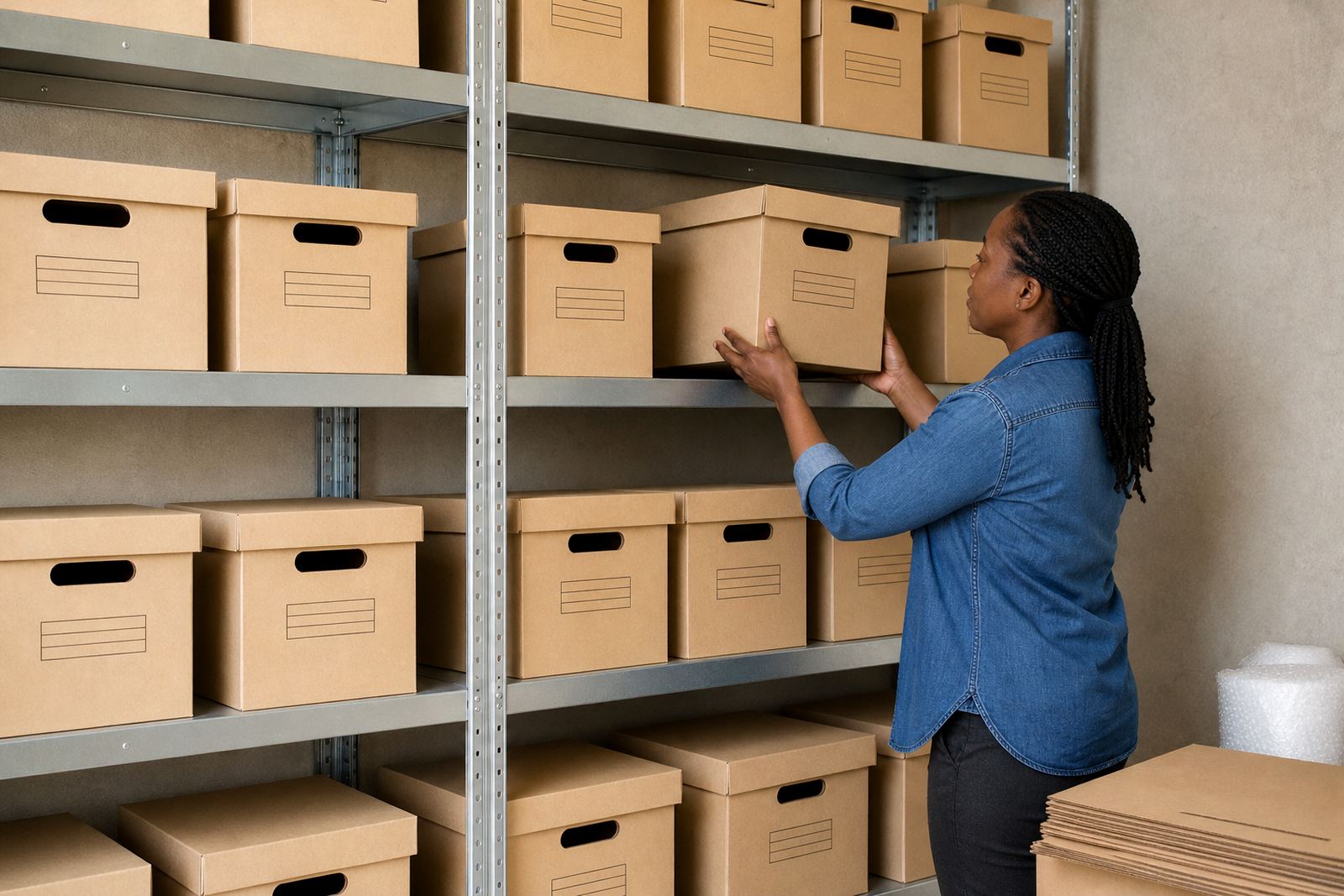
- Keep boxes off the floor on pallets or shelving
- Avoid packing near water pipes or external walls with damp patches
- Wrap fragile archive items separately if they need extra support
Label every box so retrieval stays simple
Good labels turn storage from a guessing game into a working system. Each box should show the business name, file category, date range and any special notes, such as “tax records”, “client contracts” or “closed accounts”. If a box contains sensitive paperwork, note that too so only the right staff handle it.
Many businesses in Johannesburg, Pretoria and Centurion store records for years at a time, so labels need to still make sense after a long gap. Use large writing or printed labels and place them on more than one side of the box. If one label gets scratched or covered, another should still be visible. A simple numbering system also helps when your archive grows over time.
- Label at least two sides of each box
- Include a date range rather than only a year
- Number boxes in sequence, then keep a master list
- Mark confidential boxes clearly for controlled access
Plan access before the files leave the office
Archive storage works best when you know how often files will be needed and who must get to them. If your business needs weekly access to supplier records, that should be kept near the front. If the files are only used at tax time or during audits, they can sit deeper in the unit. This simple planning avoids a lot of back-and-forth later.
At LastBox, businesses often ask for access arrangement support because they want a process that suits staff and trading hours. If your team works across Sandton, Randburg or Edenvale, it helps to decide who can remove or return files and how those movements are logged.
- Identify which files are active, semi-active and dormant
- Set one person to control archive issue and return
- Keep a sign-out sheet for borrowed folders
- Plan visits around business hours and traffic between branches
Keep business records safe with basic storage discipline
Security matters because archive files often contain client details, invoices and staff information. Choose a storage unit with controlled access, clear site rules and good perimeter security. It also helps if the site is well lit and monitored after hours, especially when records are stored for long periods. The unit itself should stay neat, dry and easy to check.
Do not stack archive boxes directly against the door where they could block access or get damaged when the unit is opened. Leave a walkway so staff can reach the back without moving everything in front. If you are storing files alongside stock or equipment, keep paperwork separate from dusty goods, tools or chemicals. For a business based in Midrand, that separation is often the difference between tidy records and a messy unit.
- Store files away from cleaning products, paint and other chemicals
- Keep the archive section separate from trading stock
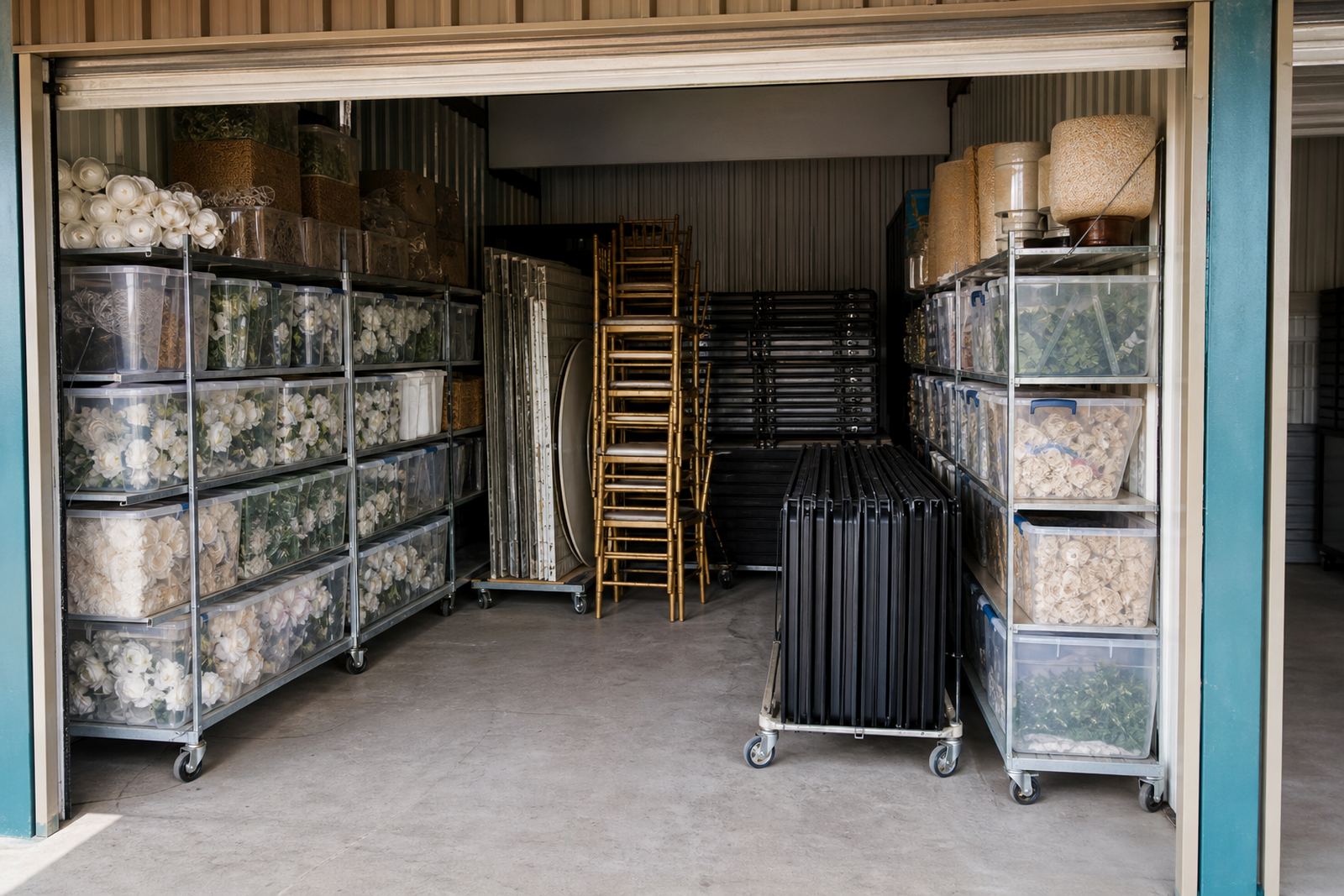
- Use shelving if you need faster access to many boxes
- Check the unit regularly for damp, pests or box damage
Make archive cleanup part of the wider office routine
File storage is easier when it is not treated as a once-off task. Set a regular review cycle so old records can be checked, sorted and moved out of active space before they pile up again. This works well for smaller companies, but it also helps larger teams with branch offices in Pretoria, Kempton Park or Centurion where paperwork can build up quietly.
LastBox supports move-in support, business storage support and archive planning for companies that need a practical system rather than a quick fix. If your office is also handling a move, packing station setup or stock organisation, combine the archive clean-out with the rest of the relocation work. That way the records are packed once, labelled properly and stored in a way that still makes sense six months later.
- Review archived files at fixed times each year
- Remove papers that are no longer required for operations
- Keep one storage list that can be updated as boxes move
- Use packing supply advice before a larger archive transfer