
Why a clear path matters from day one
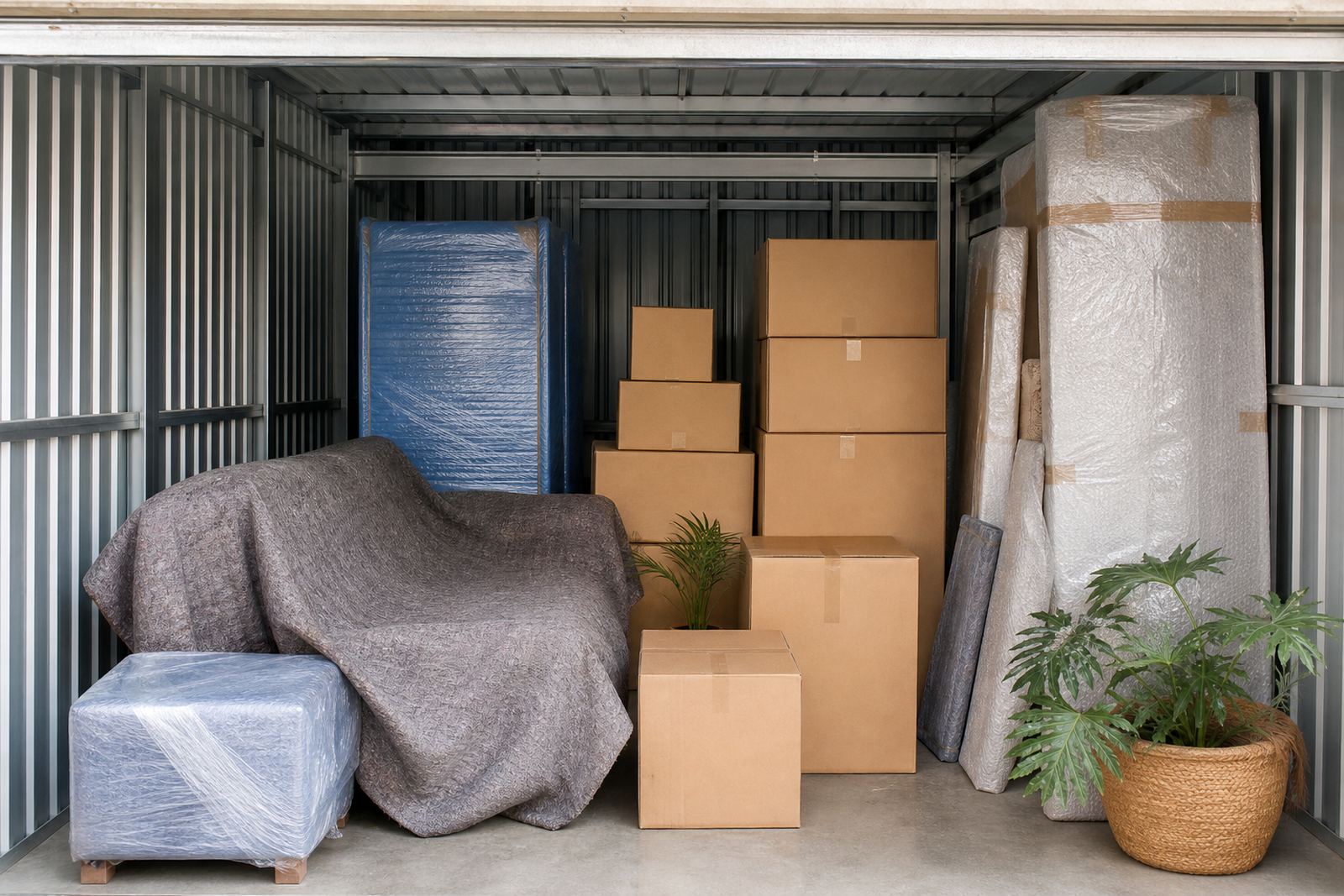
When people pack a unit in a hurry, they usually push everything to the back and stack boxes tight against the front. It feels efficient at first, but it becomes awkward the moment you need one file box, a winter coat, or a spare chair for a Saturday function. A clear access path means you can step in, find what you need, and get out again without unpacking the entire unit.
In practical terms, think of the path as a small aisle from the door to the back wall, with enough room to turn and lift a box safely. In Midrand, where people often store business stock, household goods and office items in one place, that walkway can save a lot of time on a weekday when traffic and delivery schedules are already tight.
It also helps with basic care. If you need to check for moisture, dust, or pest activity, a passage through the unit makes inspections easier. That matters in Gauteng, and even more so if your goods came from humid coastal areas or will stay in storage through summer rain. A neat layout is not only about convenience, it is about looking after what you have paid to store.
Plan the unit like a room you still need to use
One useful approach is to treat the unit like a small storeroom rather than a pile-up space. Put the items you may need first near the front or along one side, and keep seasonal or long-term items deeper inside. A labelled shelf or stack on the left, for example, can leave the centre open for movement. It does not need to be fancy, just practical.
If you are storing for business use, the same rule applies to stock, archives and packing materials. Place fast-moving items closer to the door and keep slow-moving cartons further back. That way your team can collect what they need without disturbing the full layout. For an office move or archive plan, a clear order also makes it easier to track folders, equipment and furniture pieces later on.
- Keep frequently used items within arm's reach of the entrance.
- Stack heavier boxes low, not at the top of a loose pile.
- Leave one side of the unit open for walking and turning.
- Group similar items together so you do not search box by box.
- Mark boxes clearly on at least two sides, not just the top.
Use packing methods that support easy access
Good packing makes access simpler, not harder. Strong cartons, wrapped items and even weight distribution help you move only what you need. If boxes are all the same size where possible, they stack more neatly and are less likely to lean into the walkway. That small bit of order goes a long way when you are collecting stock or checking household goods after a few months.
Clear labels are important too. Write the room, category or item type on the outside of each box, and add a number if you have several similar cartons. For example, “Kitchen 1”, “Kitchen 2”, or “Client files A”. If you keep a short list of what is near the front, you can locate things quickly without unpacking everything. A simple photo of the layout on your phone can also help, it sounds small but it saves time.
If you are using moving boxes and packing supplies across Gauteng, choose materials that suit the item, not just the price. Fragile goods need enough cushioning, and heavier contents need smaller boxes so they can be lifted safely. That helps keep the access path clear too, because overfilled boxes often end up dropped in the middle of the unit when they become too heavy to move properly.
How to handle the first row without blocking the back
The front row of a storage unit deserves special attention. If you place large furniture or tight stacks directly in front of the doorway, every visit becomes a shuffle. Instead, use the front section for items you may remove often, like trade samples, seasonal decor, or moving supplies. Keep a small open area near the entry so the door can open fully and you have space to stand safely.
For homes, this can be the difference between a calm visit and a frustrating one. A family in Pretoria storing extra lounge furniture may want access to a winter blanket box without moving dining chairs and a mattress first. For a small company in Centurion, the first row might hold stock that turns over weekly, while archived paperwork sits behind it. That kind of planning stops the whole unit from becoming one big obstacle course.
- Place the most-needed items closest to the door.
- Keep tall items against the side walls where possible.
- Do not block the back with loose bags or odd-shaped boxes.
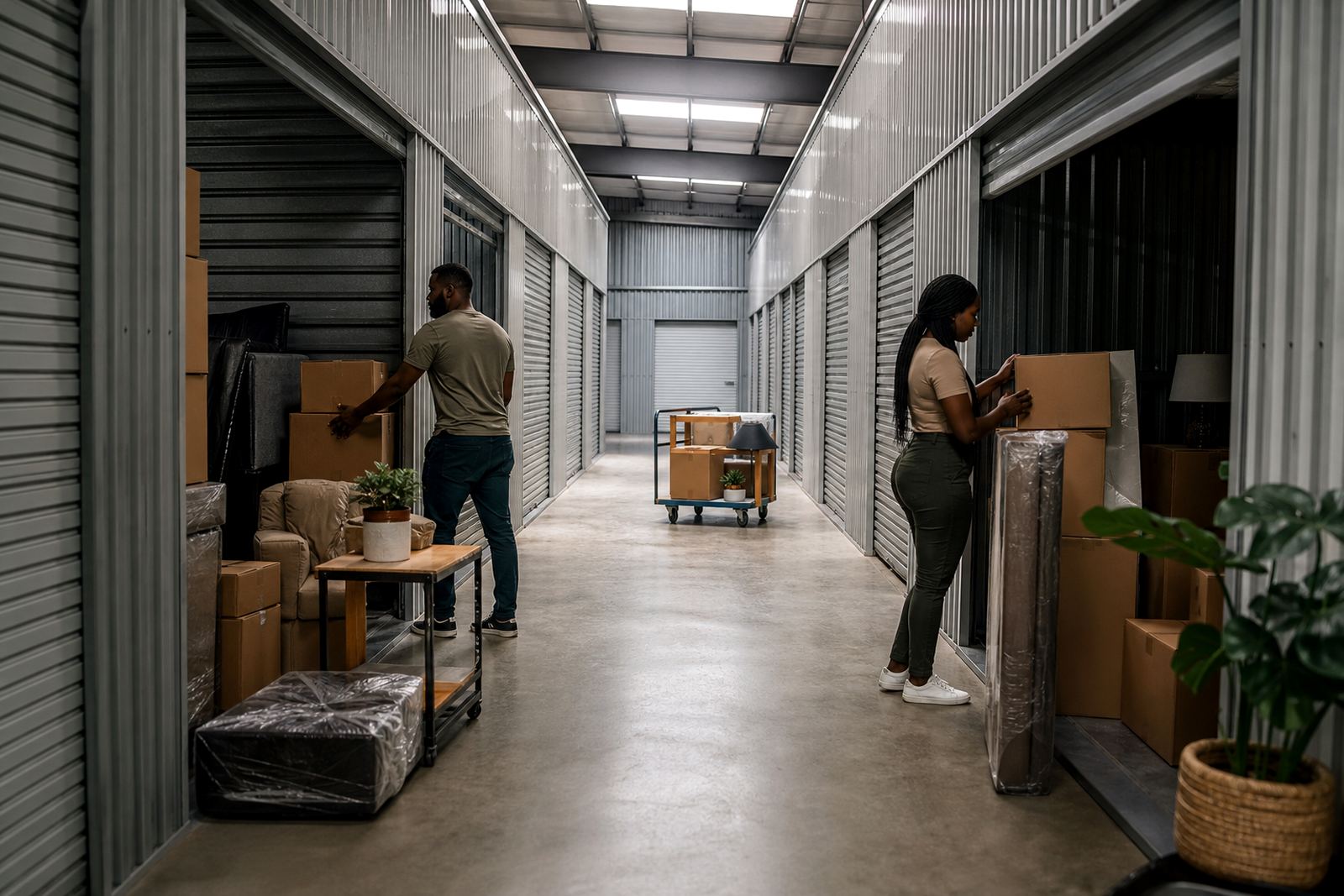
- Leave a gap for a trolley or a carrying route if you use one.
- Make sure nothing can topple into the path when you open the unit.
A Midrand example: balancing stock and access
Consider a small online seller based in Midrand who keeps spare stock, packing tape, bubble wrap and seasonal items in storage. If every carton is loaded in one heap, the business loses time every time an order comes in. A better setup is to place the most active stock near the front, packing materials on a shelf or in marked boxes beside the wall, and old records or slow-moving items toward the back.
That approach works well for people moving between neighbourhoods too. Someone commuting from Sandton to Kempton Park may not have time to spend an hour reorganising a unit after every visit. When the access path stays open, they can collect one or two items, check the rest, and leave quickly. It reduces stress and keeps the unit practical instead of becoming a space you avoid because it is too much effort to enter.
If lighting is limited, a clean walkway makes the unit easier to navigate with a torch or phone light. You are less likely to trip, knock something over, or drag items across the floor. The result is simple: less faffing around, better control over what you store, and fewer surprises when you return.
Make access part of the storage routine
A clear path is not something you set once and forget. Each time you add or remove items, take a moment to put the walkway back in order. Keep loose boxes out of the centre, close open cartons, and return borrowed space to the side walls. If someone else collects items on your behalf, make sure they know which section must stay open.
This matters for business storage support, student storage help, move-in support and move-out planning alike. The same habit helps whether you are storing office chairs, archive boxes, home appliances or boxes of clothes. A unit with a clear passage is easier to inspect, easier to clean and easier to manage over time. It also helps when municipal rules or site access times mean you need to work quickly and leave the area tidy.
At LastBox, we see that good storage is not just about what fits into the unit, but how you can use it later. If you keep a path open from the start, the unit stays useful for the whole rental period, not only on moving day.