

Start with the rooms that carry the most pressure
Most downsizing plans go off track because people try to sort everything at once. Start with the rooms that create the most pressure, usually bedrooms, the kitchen, the garage or a spare room full of mixed items. Work one room at a time and keep the decisions simple: keep, store, donate or discard.
If you are moving from a family home in Midrand to a smaller unit in Centurion, a storage unit can take the items that you are not ready to place in the new home straight away. That helps you move without forcing every decision before moving day. It also gives you time to see how your new layout works before you commit to selling furniture or keeping bulky boxes in the passage.
Keep a notepad nearby and write down what you are storing, especially if it includes seasonal clothing, paperwork, spare crockery or furniture that may fit later in a different room. Clear notes now save time later when you need something quickly.
Use storage to protect the pieces worth keeping
Not every item needs to go into long-term storage, but some things are worth holding onto while you settle in. That can include family items, extra office stock, important documents, child-related items or furniture that is still in good condition and may suit the next place once you know the layout. Storage is also useful if you are waiting for built-in cupboards to be installed or if you are managing a move during a busy work period.
In Gauteng, a lot of downsizing moves happen between suburbs where space and access vary quite a bit. A flat in Sandton may not offer the same parking or lift space as a townhouse in Edenvale, and that changes how you move and store belongings. A secure unit can keep your items organised while you work through the move in stages.
- Keep items you may need within the first month separate from deep storage.
- Store furniture only if it suits the next home or has resale value.
- Use labelled boxes for documents, seasonal clothes and sentimental items.
- Avoid storing damaged pieces that you already know you will not use again.
Pack in a way that makes the move easier later
Packing for downsizing is not just about fitting things into boxes. It is about making sure you can find and use them later without opening every carton. Use strong cartons, proper tape and clean wrapping paper for breakables. Do not overload boxes with books or files because they become hard to lift and can break at the bottom. Use smaller boxes for heavy items and larger ones for light linen, cushions or plastic containers.
Label each box on more than one side and note the room and a short description inside the box. If you are storing items for longer than a few months, avoid plastic bags for soft goods because trapped moisture can create problems, especially in humid areas like parts of the East Rand and along the coastal routes where some customers have family homes. Keep mattresses, fabric and paperwork off the floor where possible and leave a small gap from the wall for airflow.
For downsizing moves, good packing also helps if you are still waiting on municipal approvals, body corporate access times or a cleaner to finish before handover. The better the packing, the less stress on the other side.
Think about access before you choose what goes into storage
Downsizing often works best when you divide your belongings into groups based on how soon you may need them. For example, you may need winter clothes, important paperwork or school items sooner than holiday decor or spare dining chairs. Put the most likely-to-be-needed items closer to the front of the unit so you do not waste time shifting boxes around later.
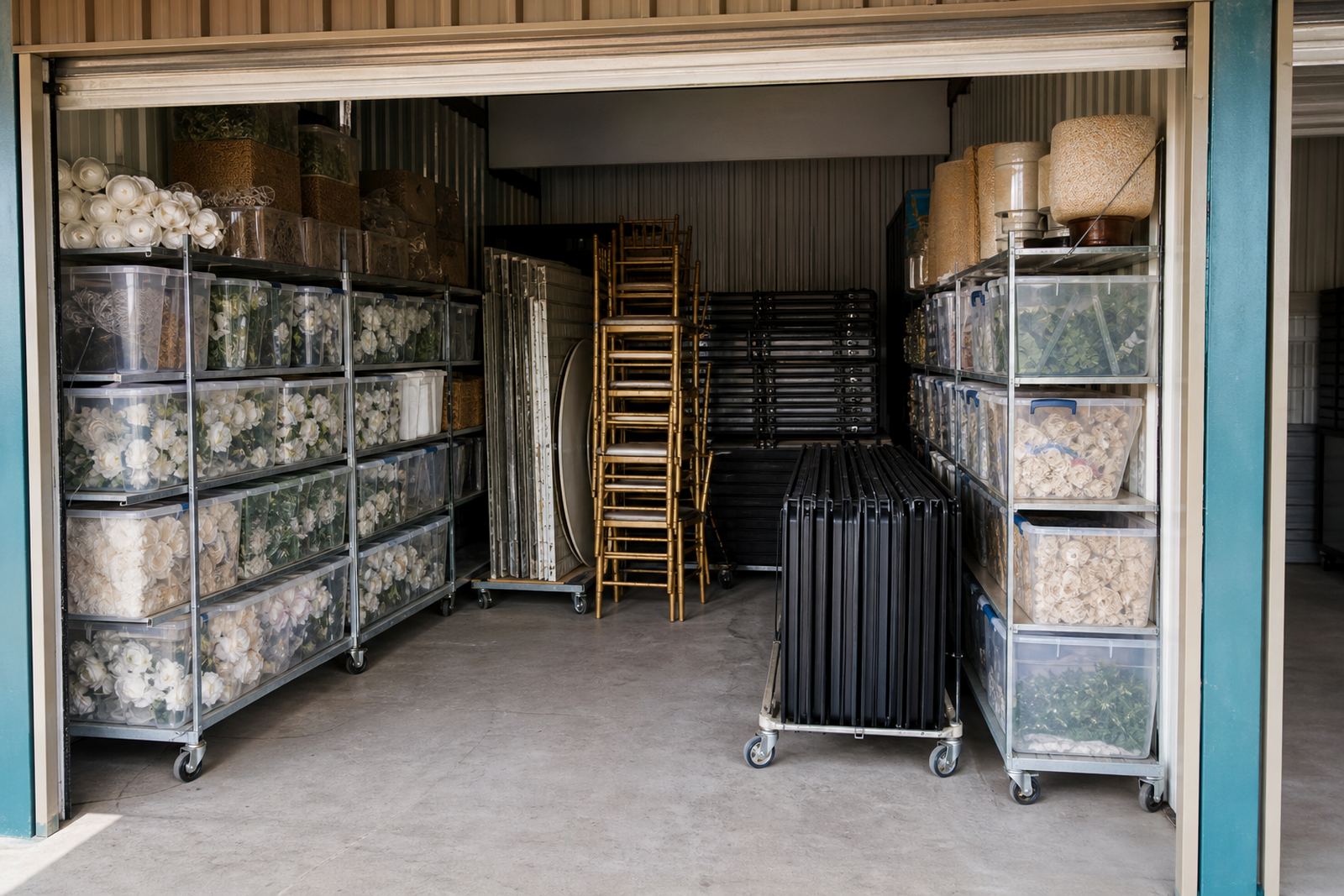
It also helps to plan your unit size around the way you pack. Items stacked neatly with a small aisle can be easier to manage than a tightly packed space that looks efficient but becomes difficult to reach. If you are unsure how much space to allow, ask for unit size guidance before moving day. That can help if you are balancing family furniture, business stock or archive boxes at the same time.
- Group similar items together before loading the unit.
- Keep one clear path to the back where practical.
- Place heavier boxes at the bottom and lighter boxes on top.
- Store frequently used items near the door for quick access.
Booking a unit for a move in Pretoria
Consider a couple in Midrand moving to a smaller home in Pretoria after the children leave home. They want to keep the dining table, a few chairs, several boxes of books and the household documents, but not the extra lounge set or the old chest freezer. Instead of crowding the new place on day one, they place the surplus furniture and sorted boxes into storage and move the essentials first.
That approach gives them time to see what the new home actually needs. After a few weeks, they may decide the large bookshelf is too much for the new lounge, while the smaller side cabinet fits perfectly. Storage keeps the decision flexible. It also reduces pressure on family members who might be helping over a weekend and do not have time for repeated trips back and forth. One well planned move is usually better than three rushed ones, and the final result is much easier to live with.
Use support services to keep the process steady
Downsizing is easier when you break the job into smaller parts. Some people need help choosing the right unit, others need guidance on packing supplies or a plan for office files, stock or archive boxes. A practical support process can include move-in support, packing supply advice, access arrangement, business storage support, archive planning, decluttering support, student storage help, office move support, stock organisation, packing station setup and move-out planning.
If you are moving a household and a small business at the same time, the need for structure becomes even more important. Files, inventory and home contents should not end up in the same pile. Keep each category separate from the start, and make sure your labels are clear. That way, when you need a document or an item of stock, you can find it without opening every box.
For customers in Gauteng, the practical side matters more than the idea of storage itself. You want easy access, clear communication and secure handling from the moment you enquire through the contact form. Downsizing is already a big adjustment. The right storage plan should make it easier, not more complicated.