
Start with records you actually need to keep
Archive planning works best when you begin with the question: what must stay, what can go, and what should be reviewed later. In many South African homes and businesses, old invoices, property papers, tax records, staff files and supplier records all end up in the same pile. That makes it hard to find anything when a request comes through.
Before you pack a single file, sort documents into groups. Keep active records close at hand, move older records into archive boxes, and separate anything that can be securely destroyed once the legal or business need has passed. If you are not sure, keep a simple review list so you can check the item later rather than guessing.
- Current files: used weekly or monthly
- Reference files: used now and then
- Archive files: kept for compliance, history or admin
- To review: items with no clear use yet
Use one naming system and stick to it
The best archive system is the one that people can follow under pressure. Use one naming style for every box, folder and shelf note. If you label some items by date, some by department and some by person, the system becomes messy very quickly.
A practical pattern is to start with the year, then the subject, then the detail. For example, 2024, supplier invoices, or 2025, HR leave records. Keep the same order on every label so anyone in the office can find the right box without asking around.
- Write the same details on the box and the contents list
- Use large clear lettering that is easy to read under low light
- Add a simple reference number if you have many boxes
- Keep a master list in one safe place
Choose boxes that protect files from Gauteng conditions
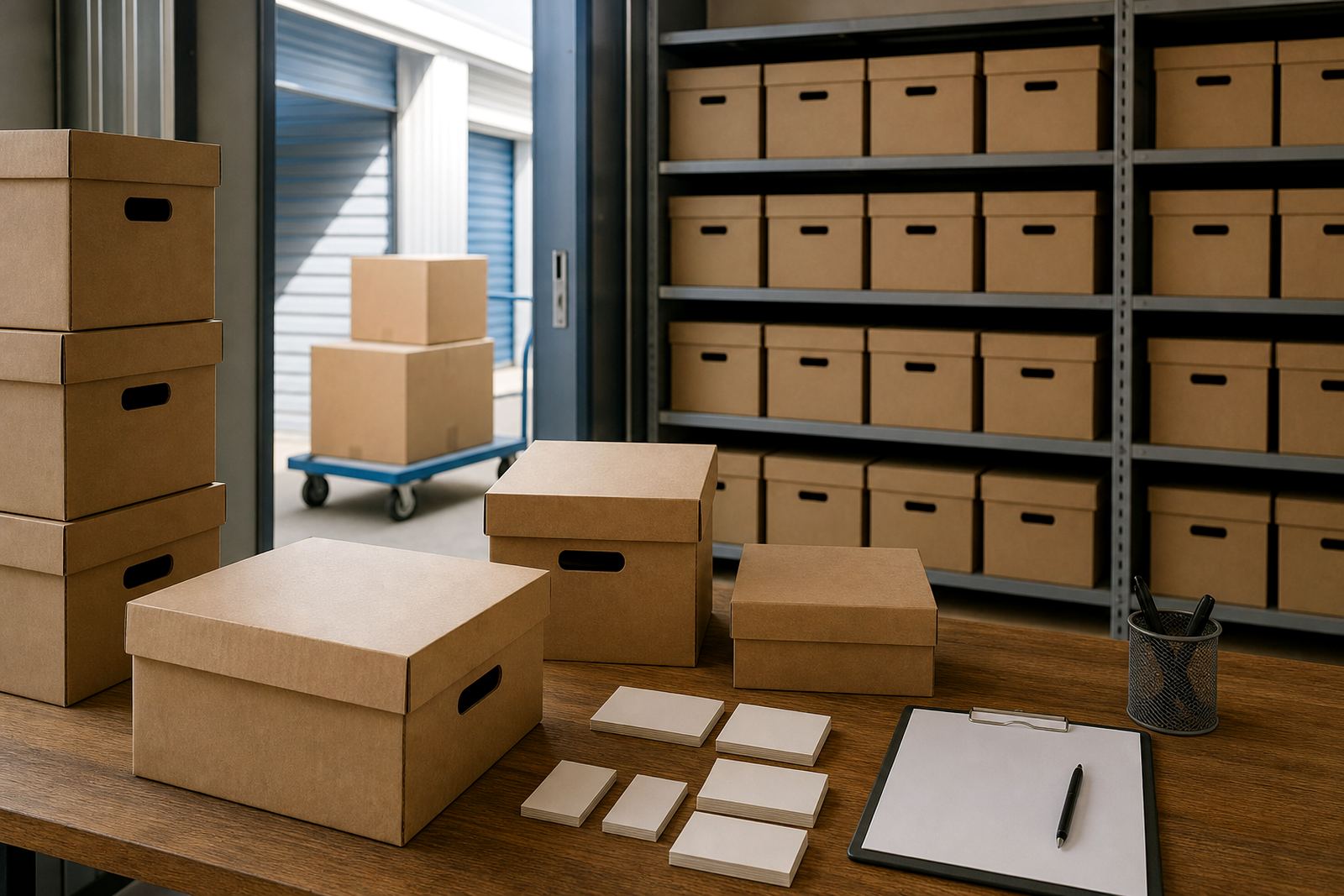
Archive boxes should do more than hold papers. They need to protect against dust, heat and the sort of humidity that creeps in during wet weather, especially in storage areas that are not fully climate controlled.
Use sturdy moving boxes and packing supplies that keep files upright and flat. Avoid overfilling boxes because crushed folders make documents harder to use later. If a box contains anything sensitive, choose packing that helps keep moisture and dust out, and store the box off the floor where possible.
At LastBox, customers often ask for packing supply advice before they start archiving. That is a sensible step, because the right box size and the right seal can save a lot of hassle later.
Build a simple archive map before the boxes leave your office
Once the boxes are packed, create a basic map of where each set is stored. This is especially useful for businesses in Midrand, Johannesburg or Pretoria that keep records across more than one site. Without a map, archive boxes tend to disappear into a corner and no one wants to open every box just to find one file.
A good archive map does not need to be complicated. It can be a spreadsheet or a paper register, as long as it records the box number, contents, location and the date it was packed. If you use self-storage units, make sure the map matches the unit layout so access stays straightforward.
- Box number or code
- Contents summary
- Date packed
- Review or disposal date
- Who authorised the archive move
Keep access simple, but controlled
Archive systems often fail because too many people can move or remove records without a clear process. Controlled access does not have to be strict or difficult. It just means you know who may collect a box, when they may do it and how it must be signed out.
For business storage support, a small sign-out register works well. For home archives, keep the most important records together in one clearly marked box. If you need regular access, arrange the storage so the most used items are nearest the front. That saves time and reduces the chance of boxes being shuffled around for no reason.
Where a team is working across several branches, one person should own the archive list. Goitseone Mabandla, Johan Shabalala and the rest of the LastBox team work with customers who need practical storage guidance, so the process stays manageable instead of becoming another admin task.
Use storage space that supports long term order
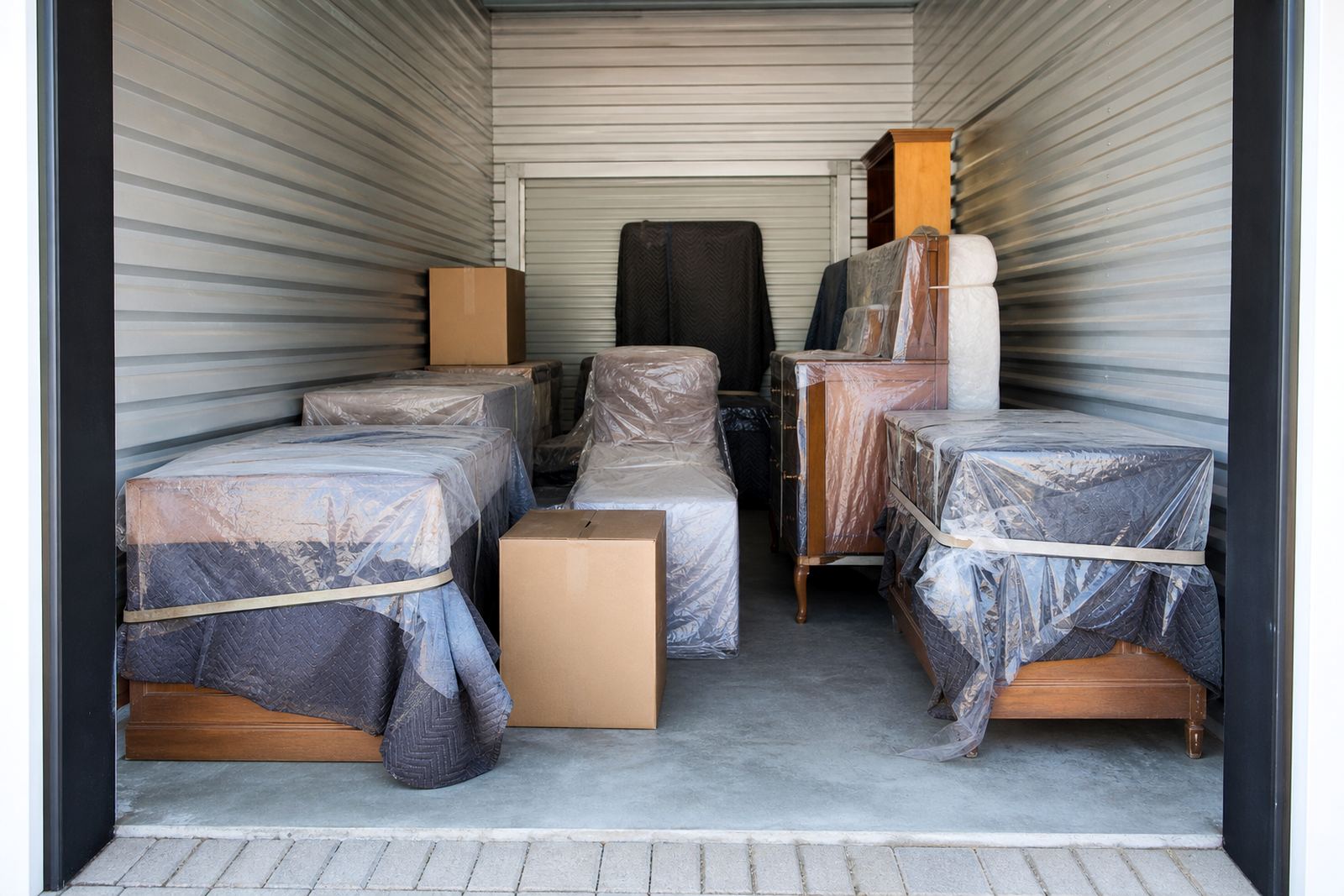
Sometimes the best place for archive records is not the office at all. When shelves are full and walkways are tight, a separate storage unit can help keep old files away from daily activity. That is useful for businesses in Sandton, Randburg, Edenvale, Kempton Park and Centurion that need more order without taking up valuable office space.
Adequate storage should make it easier to keep records stacked neatly, checked regularly and accessed when needed. Move-in support, unit size guidance and access arrangement all matter here, because archive storage should fit around real work patterns not the other way around. If you are planning a move-out later, keep the archive list updated so nothing is left behind by mistake.
For many small firms, the simplest approach is to keep active files at the office and shift older records into a unit that can be monitored and revisited on a set schedule. That keeps the workspace clear and the archive easier to maintain.