
Start with a proper clean before anything is wrapped
Before furniture goes into a storage unit, clean each item carefully so dirt, food crumbs and body oils are not trapped against the surface. For timber tables and chair frames, a soft cloth and mild cleaner is usually enough. For sofas, vacuum the seats, backs and under the cushions, then check seams and folds for crumbs, coins and small items that can attract pests.
If you are storing furniture in Midrand, Johannesburg or Pretoria, this first step matters even more during the hot months. Dust settles quickly and can work into fabric and timber grain, while damp winter air can leave a stale smell if items go in dirty. Let everything dry fully before you wrap it. A sofa that still holds moisture will not thank you later, and neither will the wood.
- Remove cushions, throws and loose covers where possible
- Vacuum under seats, along seams and inside storage pockets
- Wipe timber surfaces with a slightly damp cloth, then dry them
- Allow at least a few hours of drying time before packing
Take furniture apart where it makes sense
Large tables and some chairs store better when they are partially disassembled. Taking off table legs or removing chair arms can save space and reduce strain on joints. Keep screws, bolts and brackets together in a labelled bag, and tape that bag to the underside of the item or place it in a clearly marked box.
Do not force parts apart if they were fitted tightly at the factory or if the joinery feels delicate. In that case, it is often safer to store the item intact and protect the corners well. The aim is not to strip everything down, but to make each piece easier to handle and less likely to knock against another one during loading or access. A neat pile of parts also makes move-out simpler when the time comes.
- Take photos before dismantling, especially for dining sets and office pieces
- Keep all hardware in one bag per item
- Mark each piece so reassembly is straightforward
- Store tabletops flat if they cannot be taken apart
Wrap timber, metal and fabric differently
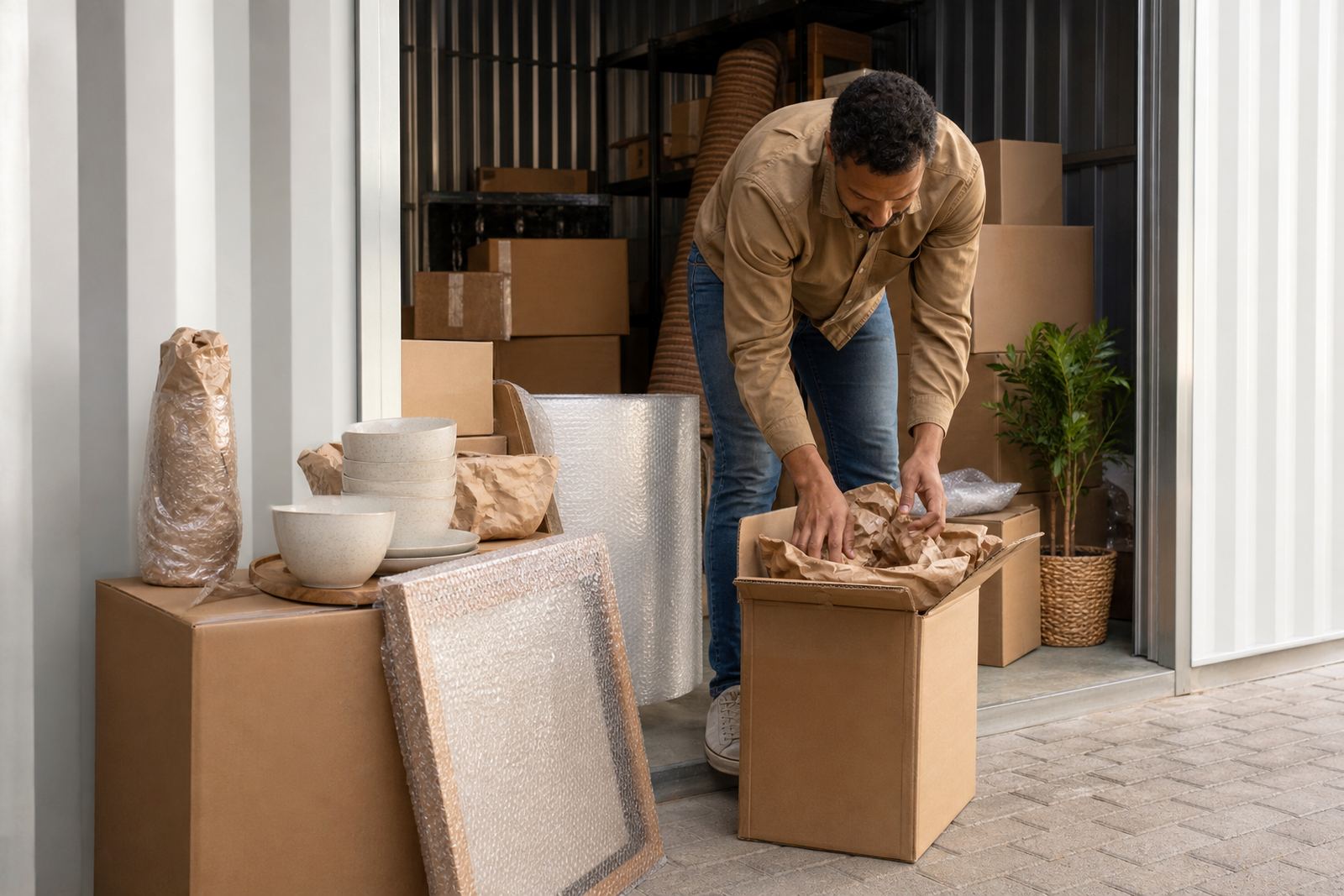
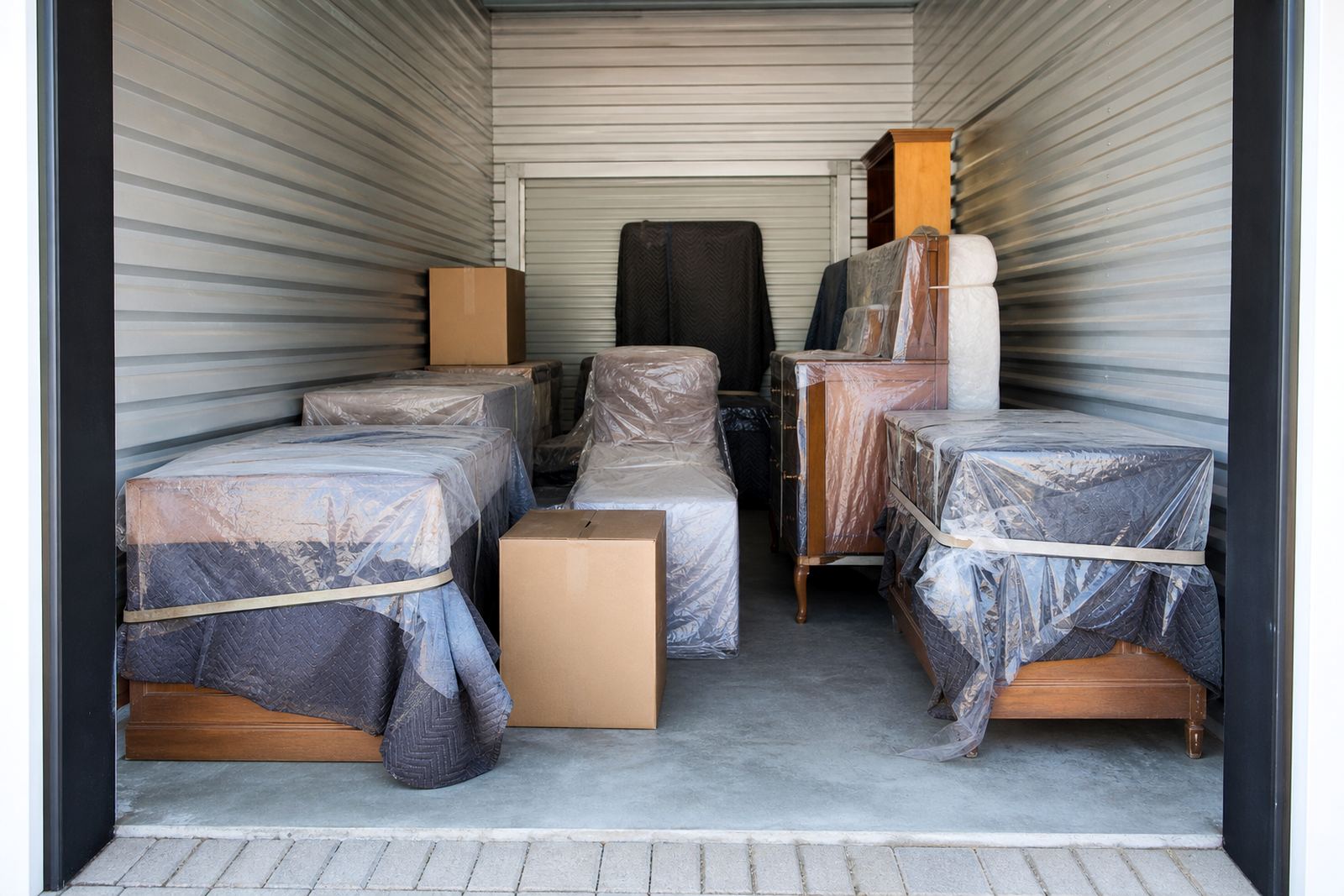
Different materials need different care. Timber tables and chair legs should be covered with clean moving blankets, cardboard corners or soft wrapping that will not scratch the finish. Metal parts can be wiped dry and wrapped so they do not rub through paint. Sofas need breathable protection. Plastic wrap can help during loading, but do not seal upholstery for long periods in a humid unit because trapped moisture can lead to odours and mildew.
For homes and businesses across Gauteng, especially in places like Centurion, Sandton and Edenvale where furniture often moves between houses, offices and storage, the safest approach is layered protection. Use blankets first, then wrap the outer layer just enough to keep dust off. Avoid taping directly to varnished surfaces or fabric. That can leave marks and make the unpacking job harder.
- Use blankets for wood and metal edges
- Cover sofas with breathable wraps or cotton sheets
- Keep tape off polished finishes and upholstery
- Do not place heavy wraps over weak arms or decorative legs
Keep furniture off the floor and away from damp corners
Once the items are wrapped, think about where they sit inside the unit. Furniture should not rest directly on a bare floor if there is any chance of condensation, dust build-up or minor water entry. Pallets, boards or other raised supports help improve airflow underneath. This is useful in Gauteng during storm season, and it matters even more near coastal routes where humidity can travel with the load or linger on items after delivery.
Place the heaviest pieces along the back wall and lighter items in front if you need repeated access. Leave enough aisle space to reach boxes, documents or smaller pieces without shifting the entire stack. If you are storing for a business in Midrand or Pretoria, this sort of layout helps with stock checks and makes it easier to collect one chair, one table or one sofa set without a full move-out.
- Use pallets or boards to lift items slightly off the floor
- Leave a clear walkway to the back of the unit
- Store sofas on their feet if possible, not on the arms
- Keep furniture away from unit walls where air movement is poor
Think ahead about access, lifting
Storage is easier when you plan for the times you may need access. If you expect to remove one item at a time, place those pieces near the front. If a sofa is too large for a narrow passage, check the route before storing it so there are no surprises on collection day. This is useful for student moves, office changes and home renovations, where timing can change fast.
If your furniture is going into a unit after hours or between errands, make the label on each item easy to see. A quick check now saves a lot of fuss later.
- Place frequently needed items close to the front
- Label each piece clearly before storing
- Measure entrances and stairways before collection or delivery
- Keep a torch handy for early mornings or evening access
A Midrand example: a family dining set and a lounge suite
Consider a family in Midrand who is renovating a kitchen and repainting the lounge. The dining table is cleaned, the legs are removed and the bolts are sealed in a marked bag. The chairs are covered with blankets and stacked carefully so the seats do not press into one another. The sofa is vacuumed, cushions are packed separately and the frame is wrapped with a breathable cover. Once inside the unit, the pieces are raised slightly off the floor and arranged so the family can reach other boxes without moving the full set.
That kind of preparation works for households and small businesses alike. A reseller storing showroom chairs, or an office keeping spare visitor seating, can use the same method. Good storage is not complicated, it is just organised. Clean first, protect the finish, leave air space and keep the layout sensible. The furniture comes out far better, and the move-out takes less time.
- Clean and dry every piece before wrapping
- Use the right protection for wood, metal and upholstery
- Store on a planned layout, not in a tight pile
- Make access easy for the next visit or move