

Start with a clean sort before you tape a single box
The best storage jobs begin on the floor, not in the unit. Lay everything out by category first: kitchenware, clothing, files, tools, spare stock, seasonal items and anything that will not be needed right away. This makes it easier to see what should be stored together and what should stay at home or with the office.
In Midrand and the wider Gauteng area, many people use storage when moving house, during a business expansion, or while clearing a garage for renovations. If you sort first, you avoid paying to store broken items, duplicates or things that should be donated. It also helps when you need to retrieve one box later because similar items are packed together.
- Keep frequently used items in separate boxes near the front of the load plan
- Set aside anything wet, dirty or oily for cleaning before packing
- Group small loose items into containers so they do not get lost
Choose the right boxes and pack them to handle stacking
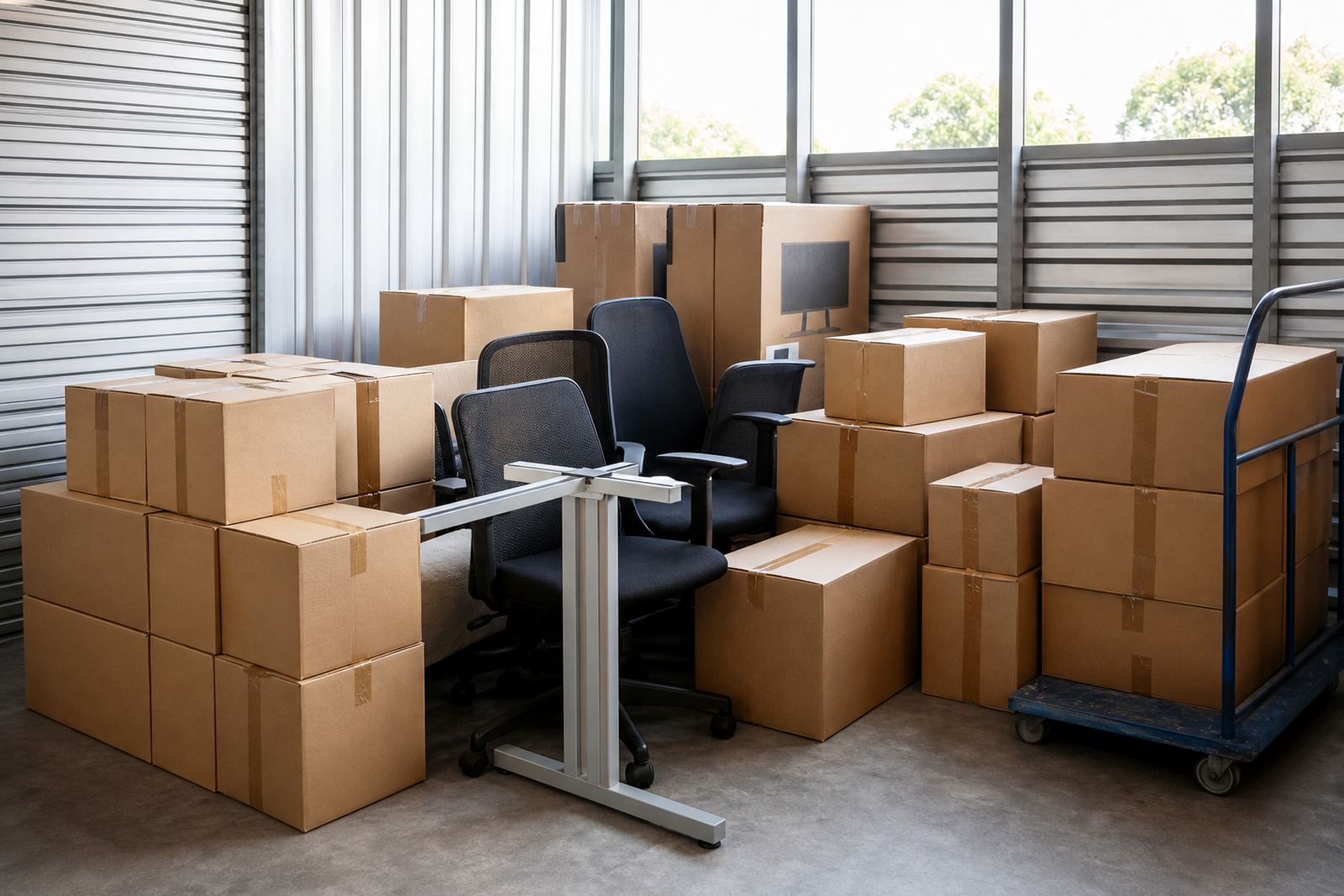
Strong boxes make a big difference in storage. Use same-sized boxes where possible because they stack more neatly and reduce the chance of boxes collapsing under weight. For heavier items like books, tools or files, use smaller boxes so the load stays manageable. Larger boxes work better for light but bulky goods such as bedding, cushions and soft toys.
Do not overfill boxes. A box that bulges at the top is harder to close and more likely to split when moved. Keep weight balanced, with the heaviest items at the bottom and lighter items on top. Seal every box properly with packing tape, and reinforce the base if the contents are dense. If you are packing for a business move or archive storage, label each box on at least two sides so it can be identified quickly from any angle.
- Use small boxes for heavy contents and larger boxes for light items
- Fill empty space with paper or soft packing material so contents do not shift
- Mark boxes with the room, category and whether they need priority access
Wrap loose items so they can handle dust and movement
Loose items need more than a box. Wrap breakables individually, use paper between stacked plates and protect corners on frames, mirrors and small appliances. Even if the unit is clean and dry, items can shift during loading and unloading, especially if they are placed on a trolley, in a bakkie or in a trailer for the trip to storage.
For furniture pieces that are going into a unit, remove detachable parts and place them in a labelled bag taped to the item. This saves time when the items come out again. If you are storing office chairs, shelving, display pieces or folding tables, tie them neatly so they do not snag on other items. In coastal or humid conditions, such as when stock has moved from Durban or the East Rand by mistake, use extra wrapping on metals and timber to help reduce moisture exposure.
- Wrap glass, ceramics and electronics separately
- Keep screws, brackets and small fittings in sealed labelled bags
- Use blankets or padded covers for furniture edges and corners
Protect against moisture and dust
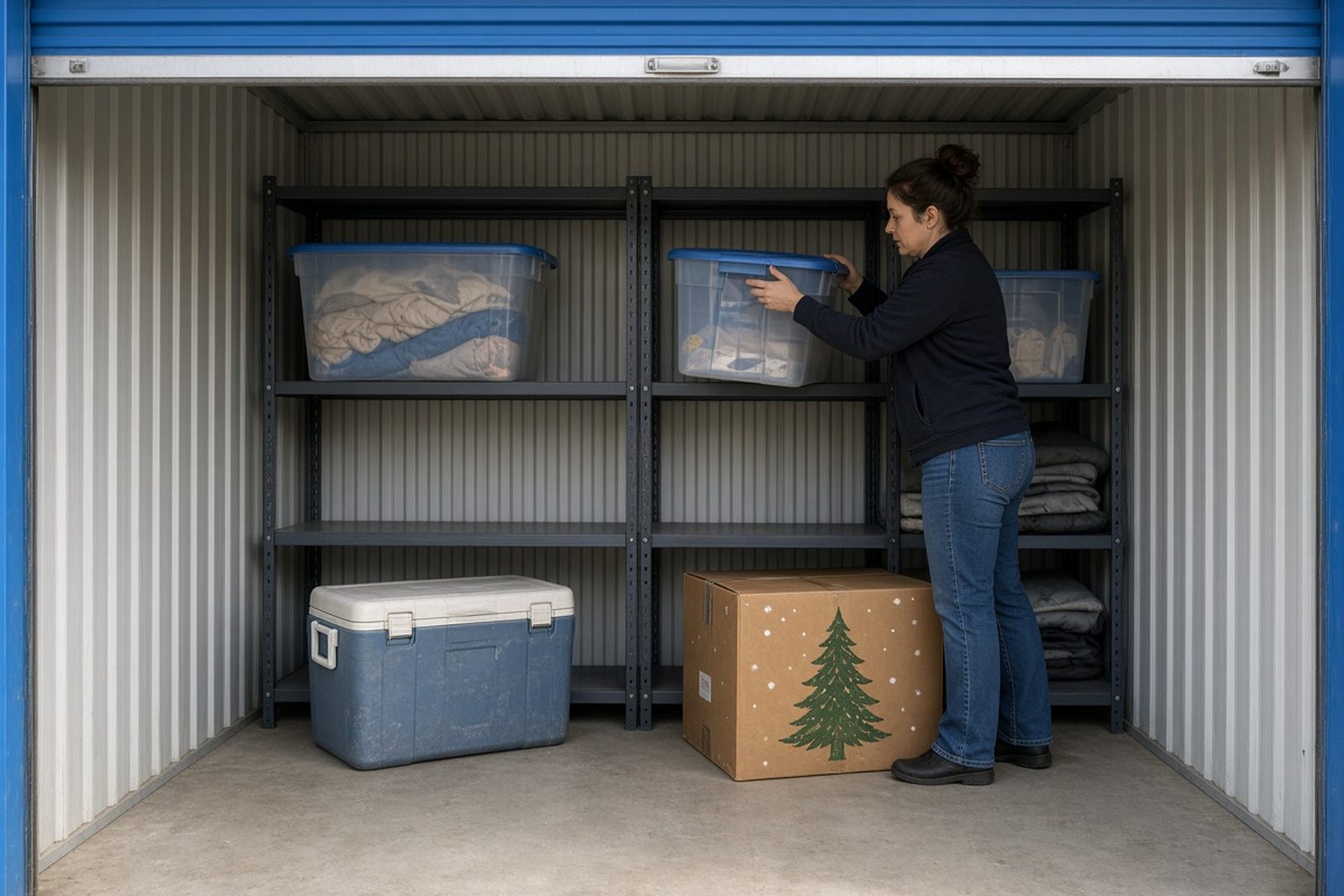
Storage in Gauteng still needs moisture awareness, especially when goods come from garages, storerooms or retail back rooms. Use clean, dry boxes only. Never pack damp fabric, washing still drying, or items with visible rust. Allow everything to air out before sealing it away. If you are storing documents, photographs or fabric, add extra dry packing material and avoid placing the boxes directly on the floor.
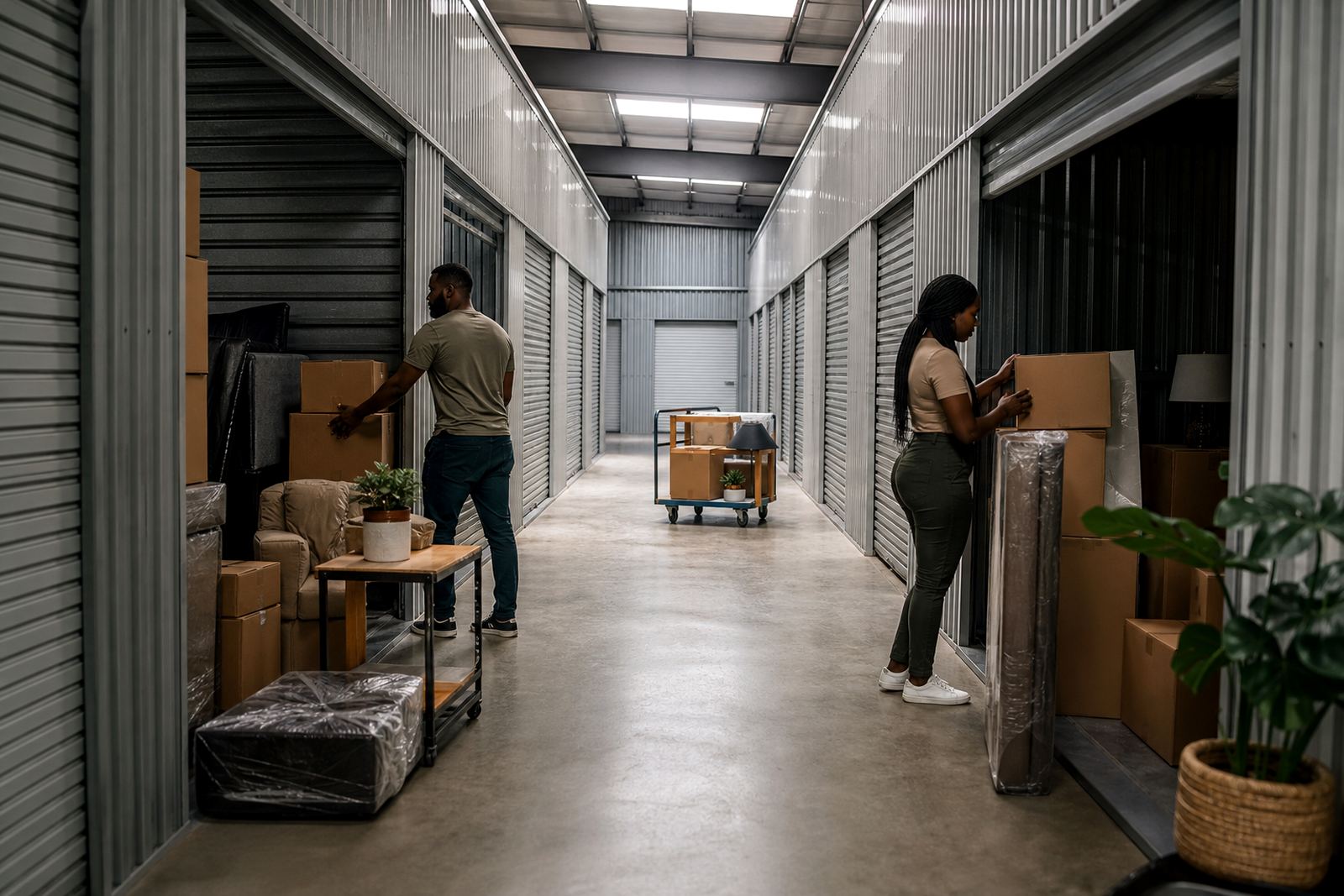
If you are sorting stock or household goods after dark, make sure the area is well lit and you can close and seal boxes without rushing. A small torch, fresh tape and a marker pen are worth having on hand. For businesses with stock that turns quickly, a clear record of what went into each box is very useful if access is needed during business hours.
- Only store fully dry items to reduce mould and odour risks
- Use pallets or boards where needed to keep boxes off the floor
- Keep a simple written list of what is in each numbered box
Make unit access easier by packing with the exit in mind
Good packing is not only about the first day in storage. It is also about the day you need something back. If you may need regular access, leave a clear walkway in the unit and place commonly needed boxes near the front. Heavier items should go at the back or on the bottom, with lighter, less urgent items above them. Do not pack the unit so tightly that you need to remove half of it just to reach one box.
For business storage, this matters even more. Stock organisation, archive planning and packing station setup all improve when boxes are arranged in a sensible order. If you are storing display materials, seasonal stock or office supplies, keep related items together so staff can find them without wasting time. A little planning here can save an entire afternoon later, especially when clients or suppliers are waiting.
- Leave a central path if you expect regular access to the unit
- Place priority boxes near the entrance for quick retrieval
- Keep similar categories together so nothing gets split across the unit
A Midrand example: packing for a move between homes and office space
A family in Midrand moving from a townhouse to a temporary rental may need storage for dining chairs, kids’ books, winter clothing and a few appliances. At the same time, one parent may be moving a small business into reduced office space in Centurion. In that case, packing needs two systems: one for home goods and one for business items. Mixing them creates confusion later, especially when only one part of the load is needed first.
The practical answer is to label everything by purpose, not just by room. Home boxes can be marked kitchen, lounge or bedroom, while business boxes can be marked files, samples, stock or office equipment. When the move-out day comes, the right boxes can be loaded in the correct order and the unit can be accessed without unpacking everything. That sort of planning is often the difference between a calm move and a stressful one.
Across Midrand, Johannesburg, Pretoria, Centurion and Kempton Park, people use storage for many reasons: decluttering, student breaks, business stock and office moves. The same packing rules apply every time. Keep it dry, keep it labelled and keep it easy to reach.
What to do before you seal the last box
Before the final tape goes on, do one last check. Heavy items should be secure, fragile items should have enough padding and each box should close flat without pressure. If something is awkwardly shaped, use a smaller box or wrap it separately rather than forcing it into the wrong container. This is also the time to confirm which boxes need frequent access and which ones can go deeper into the unit.
For personal storage and business storage alike, a neat packing method is worth the effort. It protects your belongings, makes the move faster and keeps the unit easier to manage. If you are unsure how to prepare a mixed load, or need advice on packing supplies and box sizes, it helps to speak to someone who works with storage every day. A clear plan now means fewer problems later.