Why renovation dust is harder on furniture than people expect
Even a short home improvement project can leave a fine layer of dust on couches, curtains, mattresses and wooden tables. Once plaster is chipped, tiles are cut or ceilings are stripped, that dust moves through the whole house and settles into fabric, joints and corners. In Midrand and the wider Gauteng area, where homes often sit close to busy roads and building work happens all year round, it can take very little for clean items to become covered again.
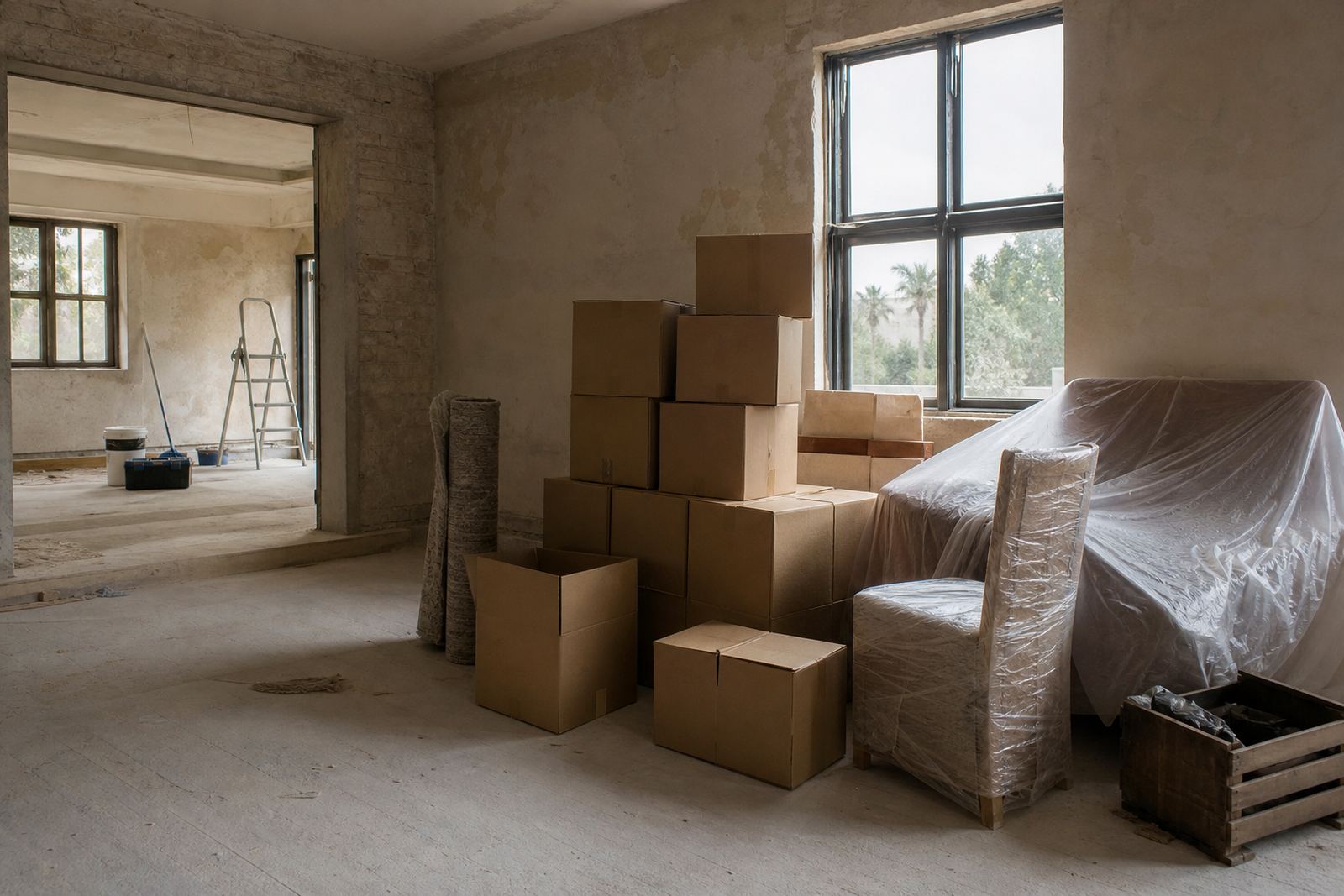
Moving furniture into self-storage during the worst part of the renovation helps protect items from paint splatter, scratches and accidental knocks. It also keeps passageways open so workers can move materials and tools without squeezing around bulky items. That makes the job safer and usually faster. We have seen that when the lounge is cleared properly, people tend to keep more control over what gets damaged and what stays in good condition.
For larger projects, it is worth thinking beyond the obvious rooms. If the work is likely to run for more than a few days, storing the most sensitive items off site is often the cleaner choice.
What to store before the first wall is opened
The best time to move items out is before the contractors start, not once the dust has already settled. Start with anything fabric, polished or breakable, then work through the rest of the home. Many customers also store boxes, seasonal items and household extras so the house feels less crowded while the work is underway.
- Sofas, armchairs and loose cushions
- Mattresses, base sets and bed frames
- Dining tables, sideboards and coffee tables
- Televisions, appliances and fragile décor
- Carpets, rugs and curtains
- Childrens toys, books and personal keepsakes
If the renovation includes painting or floor sealing, it is smart to remove anything that can absorb odour or moisture. In coastal areas near Gauteng supply routes, some people also worry about humidity during storage, so using sealed boxes and proper packing materials matters. A little planning up front saves time later and keeps unpacking far easier.
How storage helps when the home is still in use
Not every project means moving out of the house. Many families stay put and renovate room by room. In that case, storage can work as a temporary buffer. You can clear the room being worked on, keep the rest of the house more usable and avoid moving the same furniture from one corner to another every few days.
For example, a family in Centurion doing kitchen and lounge repairs may need to keep dining furniture, spare chairs and packed boxes somewhere safe while the dust is at its worst. A storage unit gives them space to do that without stacking things in the garage or against a wall where moisture, knocks and pests can cause problems.
- Rooms stay easier to clean during the build
- Contractors get better access to walls and floors
- Furniture is less likely to pick up stains or dents
- Boxes do not get buried under rubble or tools
- You can bring items back in once each room is finished
Packing furniture so it survives the storage period
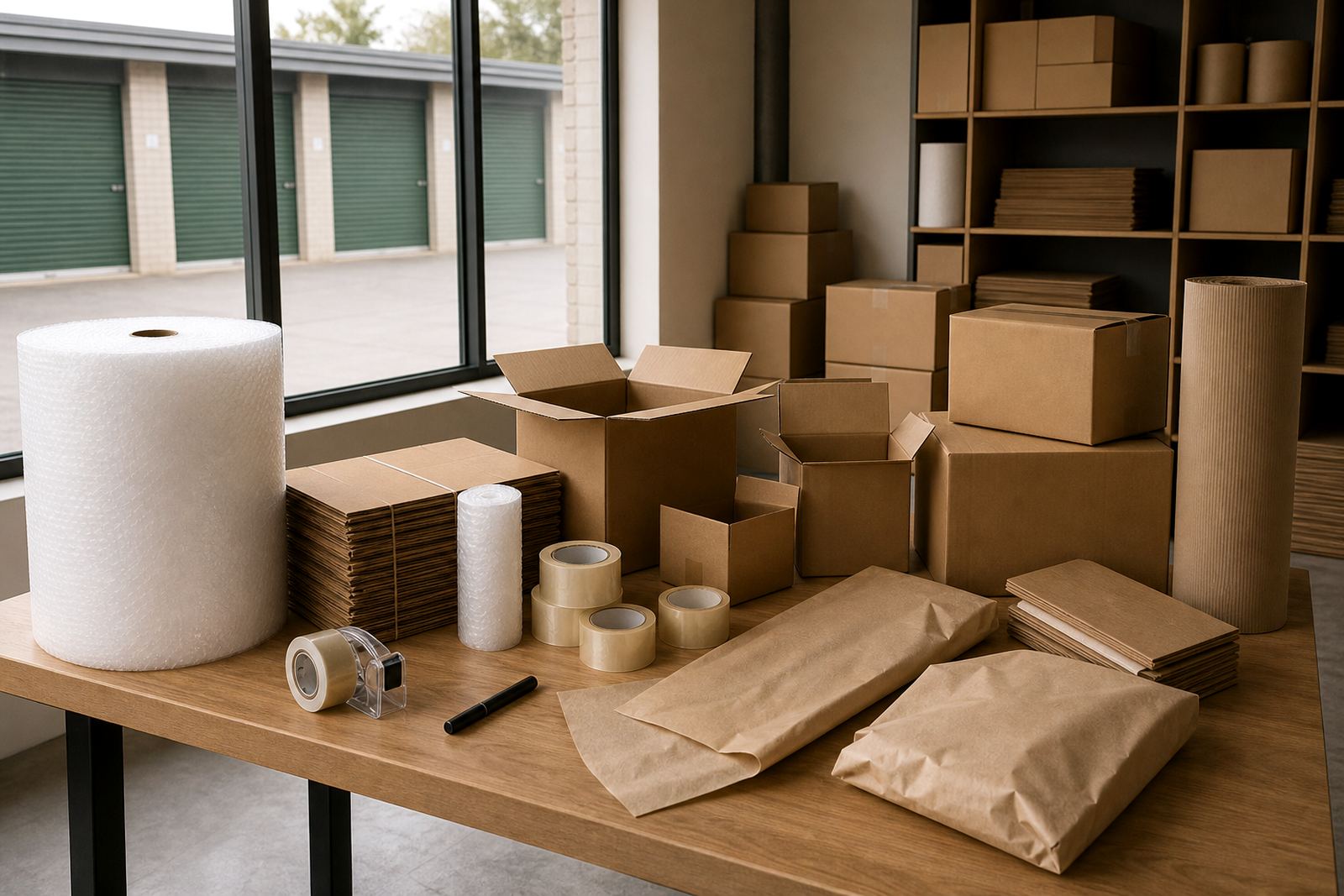
Good packing is just as important as the storage space itself. Furniture should be cleaned before it is wrapped, because dust and grit trapped under covers can scratch finishes over time. Use proper packing supplies, sturdy boxes and protective wrapping for corners, glass and hardware. If an item can be taken apart safely, keep the screws and small parts together in a clearly marked bag.
It helps to label everything by room and by priority. That way, if you only need one box of bedding or a specific chair during the renovation, you do not have to unpack the lot. Try not to overfill boxes, especially with books or kitchen items, because heavy boxes split more easily during loading. Also leave a small aisle in the unit if you may need to fetch something before the project ends.
Practical packing notes:
- Use mattress covers and furniture blankets where needed
- Wrap mirrors, framed items and glass shelves separately
- Do not place heavy items on top of soft furnishings
- Keep cleaning products and paint away from fabric
- Seal boxes properly to help keep out dust and moisture
Choosing a unit size for a renovation in Gauteng
Unit size depends on how much of the house is being worked on. If you are clearing one room, a smaller unit may be enough for boxes, bedding and a few pieces of furniture. If the whole house is being painted, tiled or rewired, you may need more space for bulky items and easy access. The aim is to store what you need without paying for space you will never use.
At LastBox, the team gives unit size guidance based on what you want to keep inside and how often you may need access. That matters for homeowners in Midrand, Johannesburg, Pretoria, Centurion and Kempton Park, where renovations often happen in stages and families want to get to winter bedding, paperwork or stock while the work continues. Access arrangement is useful too if you are moving items in after hours or around contractor schedules.
For businesses, the same idea applies. Office move support, stock organisation and archive planning can all help when a premises is being improved and furniture must be kept clean until the site is ready again. Since LastBox operates from its Midrand base, the focus has stayed practical: clear guidance, secure storage and enough flexibility for real moving and renovation timelines.
Booking a unit for a move in Johannesburg
A common case is a homeowner in Midrand who is renovating a family home while keeping two children, pets and a working schedule in place. The dining set, lounge suite and spare room furniture need to come out before sanding begins, but the family still needs a bed, a few chairs and enough space to live normally. Instead of stacking everything in the garage and covering it with old sheets, they place the larger furniture in storage and keep only daily essentials at home.
The result is simpler than most people expect. Contractors have more room to work, the floors are easier to protect and the family is not constantly moving items from one room to another. When the project is complete, the furniture comes back cleaner and easier to place. It is a small change that makes a big difference, especially during long projects where dust keeps coming back day after day.
Renovation protection is really about reducing avoidable problems. Clean storage, proper packing and a bit of planning can prevent a lot of frustration later on, and that is often worth more than people realise.