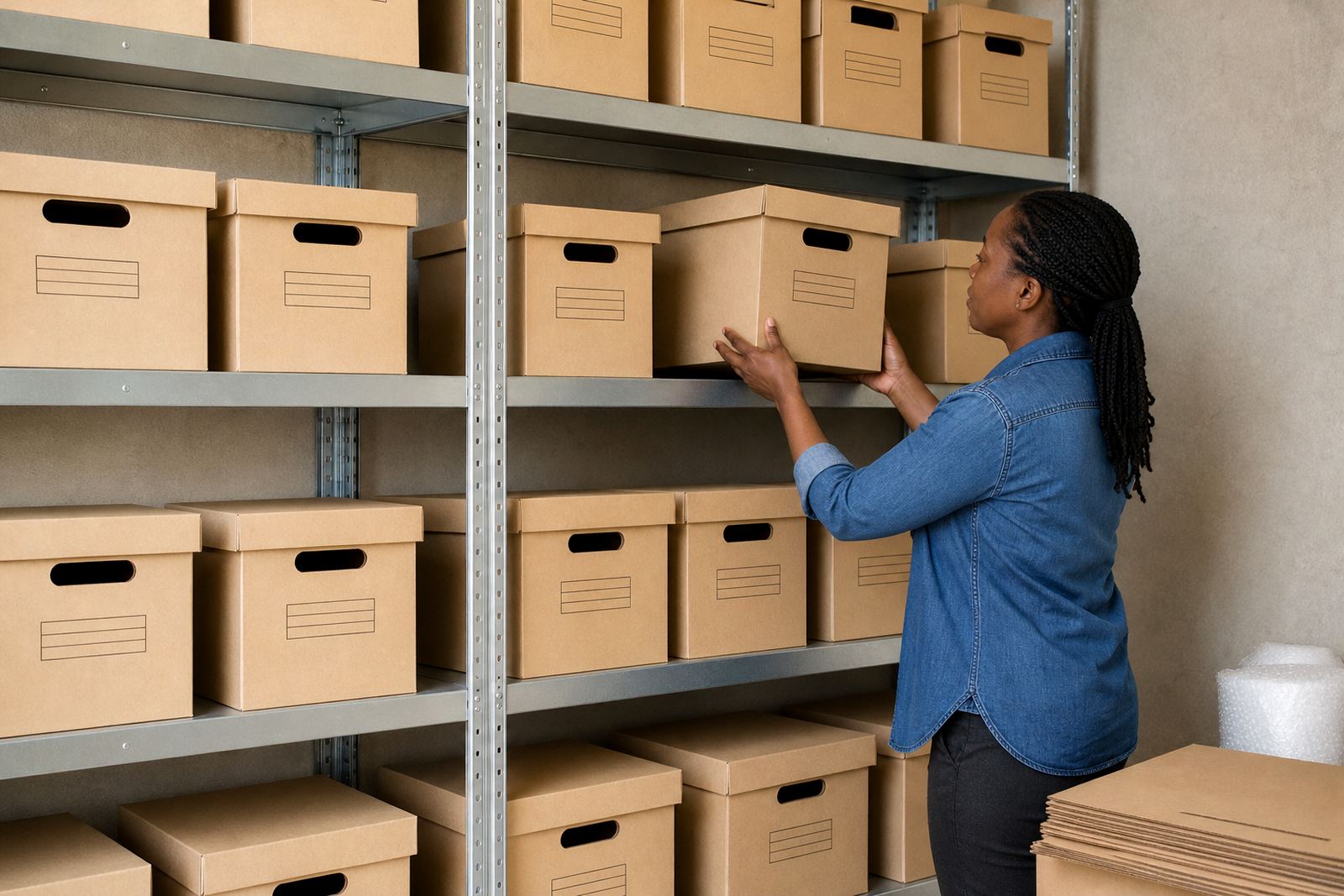


Start with a bedroom sort before anything goes into boxes
The best storage plan starts in the bedroom itself. Before you pack a single bag, separate what you want to keep, what can be donated and what should be thrown away. That simple step reduces the amount you move into storage and makes it easier to organise the rest.
When customers in Midrand are preparing for a move, we often suggest starting with clothing and linen first because they are easy to sort and fold. Bedroom furniture can come later, once you know exactly how much space you need in your storage unit and which items must stay together.
- Sort by room or by person, not by random box.
- Keep seasonal clothing apart from everyday items.
- Set aside bedding you will need during the first week after moving.
- Measure larger pieces like beds, headboards and pedestals before arranging transport.
Pack clothes so they breathe, fold well and stay usable
Clothing stores best when it is clean, dry and packed in a way that allows airflow. In Gauteng, dust is a common issue, and in summer the heat can make sealed plastic storage sweaty if garments were packed too soon after washing. Let clothes dry fully, then fold them neatly into strong boxes or storage bags with labels on two sides.
Heavy winter items such as coats, blankets and jerseys should be packed separately from lighter summer wear. If you are storing school uniforms, work clothing or occasion wear, keep those in one clearly marked box so they are easy to find again. A little planning now saves time later when you need one specific item quickly.
- Wash or air clothes before packing them away.
- Use acid free tissue for delicate fabric where possible.
- Do not overfill boxes, since crushed folds can leave deep creases.
- Add a label with the room name and a short contents list.
Keep linen flat, dry and simple to identify later
Linen takes up more room than many people expect, especially duvets, pillows and extra blankets. The easiest way to manage it is to pack by set. Keep fitted sheets, flat sheets and pillowcases together, then place each set in its own box or linen bag. If you use under-bed storage at home, move those items first so the bedroom is easier to empty.
A dry, clean storage unit is important for linen because fabric picks up smell easily. In humid coastal areas, people often ask how to avoid musty bedding. The answer is simple enough: do not store damp linen, avoid sealed bags with trapped moisture and make sure the unit itself is kept neat and off the floor where needed. If you are storing for several months, check the items from time to time when access arrangements allow.
- Roll duvets instead of stuffing them into tight bags.
- Place pillowcases inside one pillowcase to keep sets together.
- Use clear labels like
Protect bedroom furniture from scratches, dust and damp
Bedroom furniture needs more care than soft items because corners, handles and surfaces can be damaged during transport and storage. Before moving a bed, chest of drawers or wardrobe, empty all drawers and remove loose parts where possible. Wrap pieces in blankets or padded covers, then keep screws and fittings in a clearly labelled bag taped to the matching item.
If your storage unit is on a concrete floor, it helps to use pallets or other lifting methods where appropriate so items are not sitting directly on the floor. That matters in wet weather and during high humidity, especially if you are storing near the coast or for a long period. In Midrand and the wider Gauteng area, dust and temperature shifts are common enough to make good packing worth the effort.
- Take photos before disassembling furniture so reassembly is easier.
- Protect mirrors and dressing table glass with cardboard or bubble wrap.
- Keep mattresses flat if the unit size allows, not bent against a wall.
- Label bed parts and legs together so nothing goes missing.
Choose a unit plan that matches bedroom access and timing
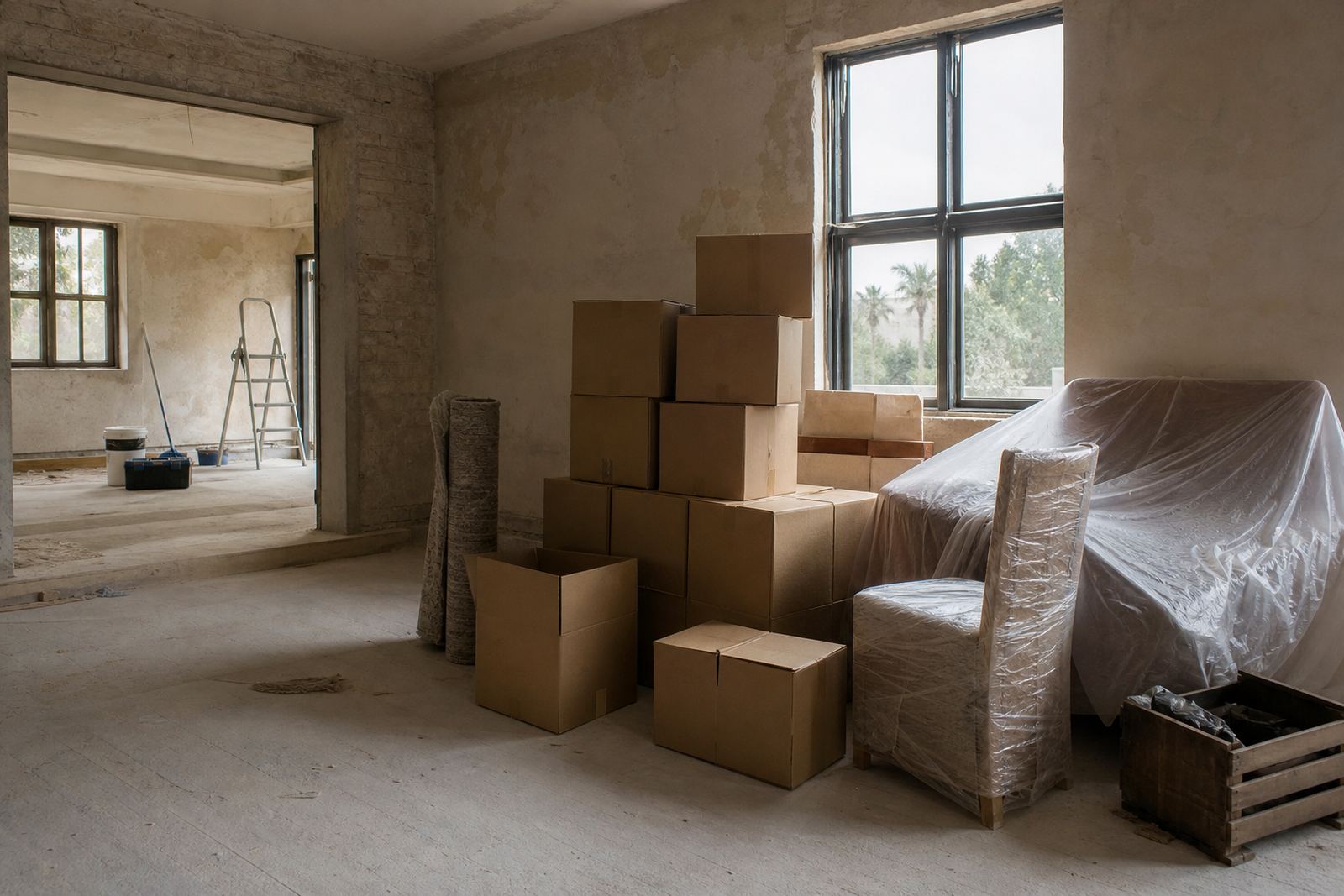
Not every household stores bedroom items for the same reason. Some people need space while moving from a flat in Sandton, others are clearing a spare room during renovations in Centurion or Pretoria, and some are holding extra stock of linen for a guesthouse or short term let. The unit you choose should match how often you will need access and how much you want to keep together.
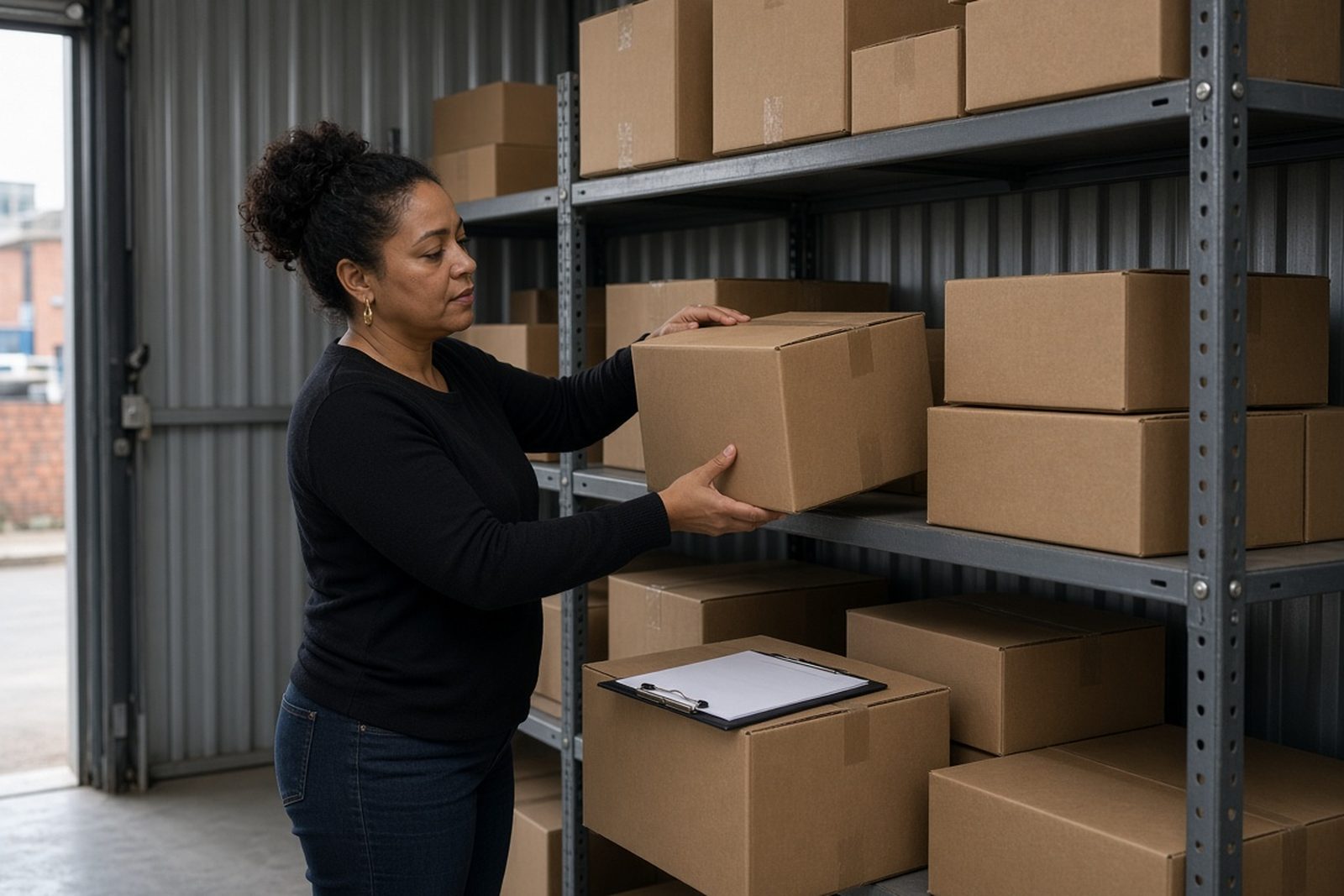
For furniture that may be needed soon, leave a clear aisle inside the unit so you can reach it without unpacking everything. For a longer storage period, group similar items together and place the most important boxes near the front.
- Put frequently needed items closest to the entrance of the unit.
- Stack light boxes on top and heavier ones below.
- Leave a walkway if you may need to remove one bed or cupboard later.
- Check opening times and access rules before you arrive with a loaded vehicle.
A Midrand example: one bedroom, three different storage needs
A young professional in Midrand may only need to store a mattress, two boxes of clothing and a bedside unit while relocating between rentals. A family in Johannesburg might be holding three bedrooms of linen and furniture during a home renovation. A small business in Kempton Park could be storing spare bedding, packaging and archive files for a short period while reorganising space at home and at work.
Each case calls for a different approach, but the packing rules stay the same. Keep clothing dry, keep linen grouped, and keep furniture protected from dust and knocks. If you are unsure about unit size or how to plan the load, our team can help with unit size guidance, packing supply advice and move-in support through the enquiry form on the contact page. That way you can store bedroom items without crowding the unit or leaving pieces exposed.
LastBox supports customers across Midrand, Johannesburg, Pretoria, Centurion and Kempton Park, with local storage points in Midrand Storage, Johannesburg Storage, Pretoria Storage, Centurion Storage, Kempton Park Storage, Sandton Storage, Randburg Storage and Edenvale Storage. Whether you are storing a single room or preparing for a bigger move, the goal is the same: keep the bedroom items in a state that makes unpacking easier later.