




Start with the item, then choose the pack
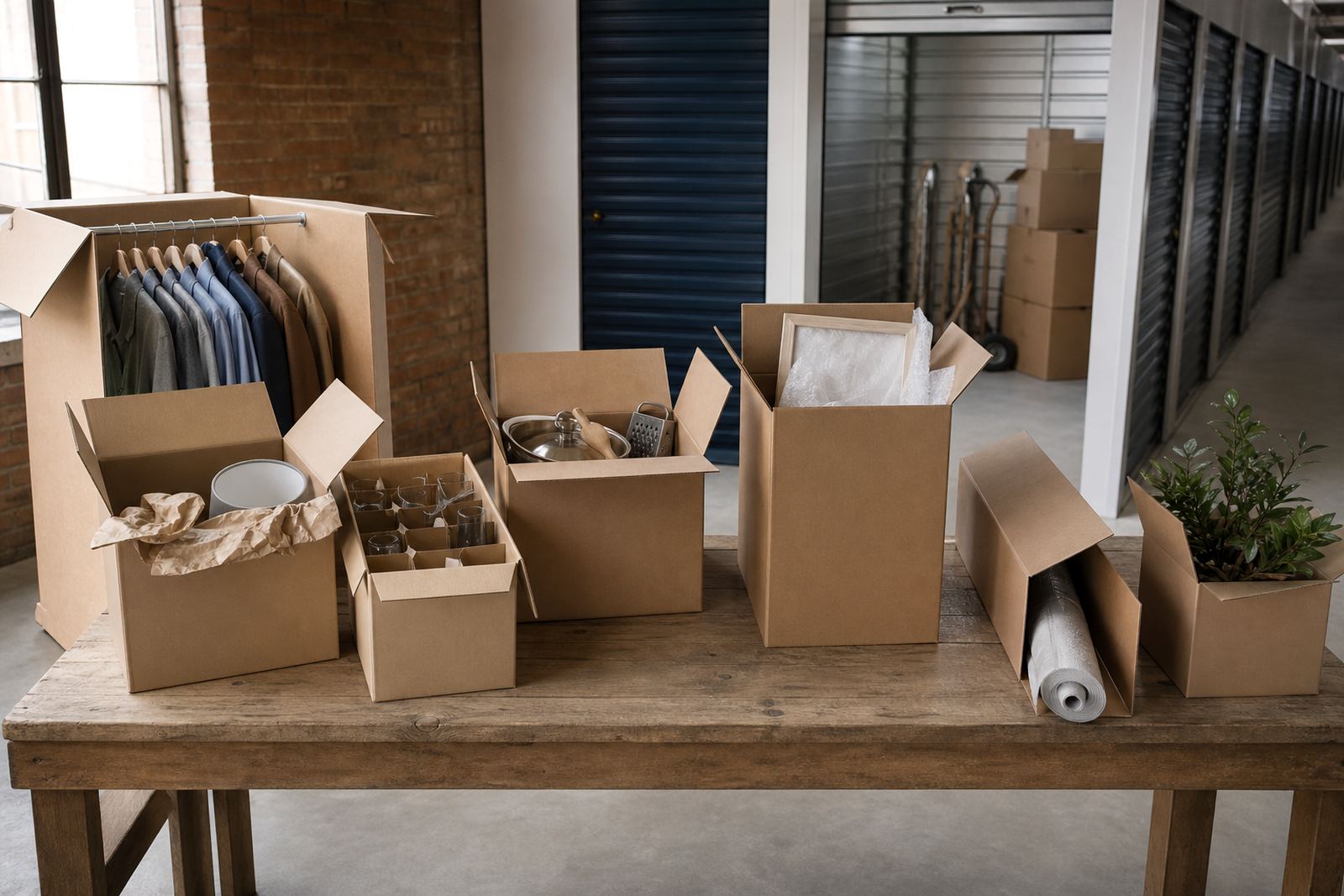
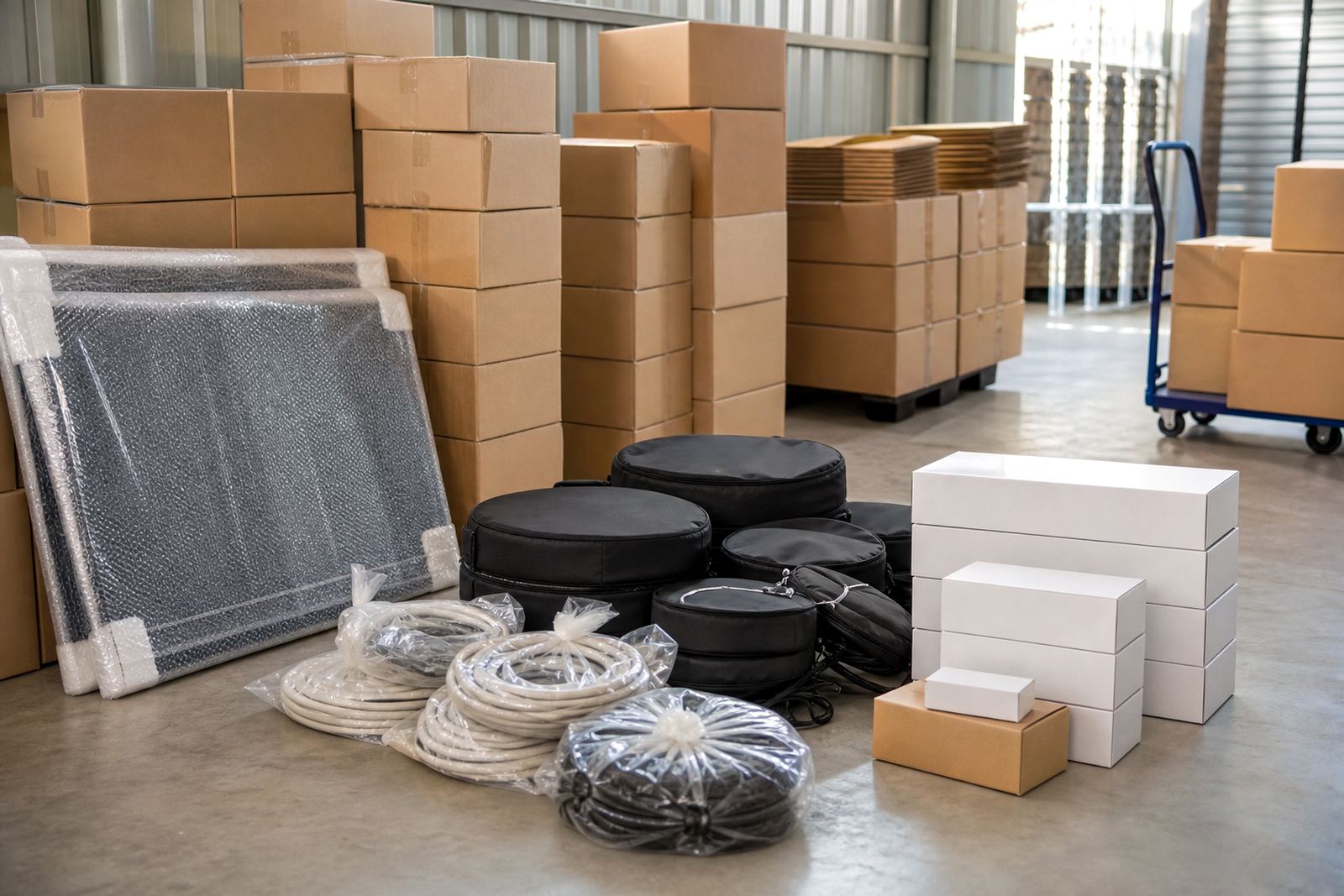
The easiest way to pack well is to match the material to the item. Heavy books need small boxes so they do not become too difficult to lift. Linen, cushions and clothing can go into larger boxes or bags, while crockery, glassware and small appliances need more careful wrapping and firmer support inside the box. If you are packing for a storage unit in Midrand, Johannesburg, Pretoria, Centurion or Kempton Park, think about how often you may need access later. Items you may need soon should go near the front.
For business storage, the same rule helps with stock, files and office equipment. Keep related items together, label every box clearly and avoid mixing loose goods with fragile ones. In Gauteng, where some areas get dust and humidity can rise in summer, clean and dry items before packing so you do not trap moisture inside sealed cartons.
- Use smaller boxes for dense items like books, tools and files
- Use medium or larger boxes for light household items and textiles
- Keep fragile items wrapped and separated from heavy goods
- Pack clean, dry items only to reduce musty smells and damage
What packing materials do the job properly
Good packing is not about using the most material, it is about using the right material. Strong boxes, tape, paper, wrap and labels do most of the work. For storage, the aim is to keep boxes neat, stable and easy to stack without crushing what is inside.
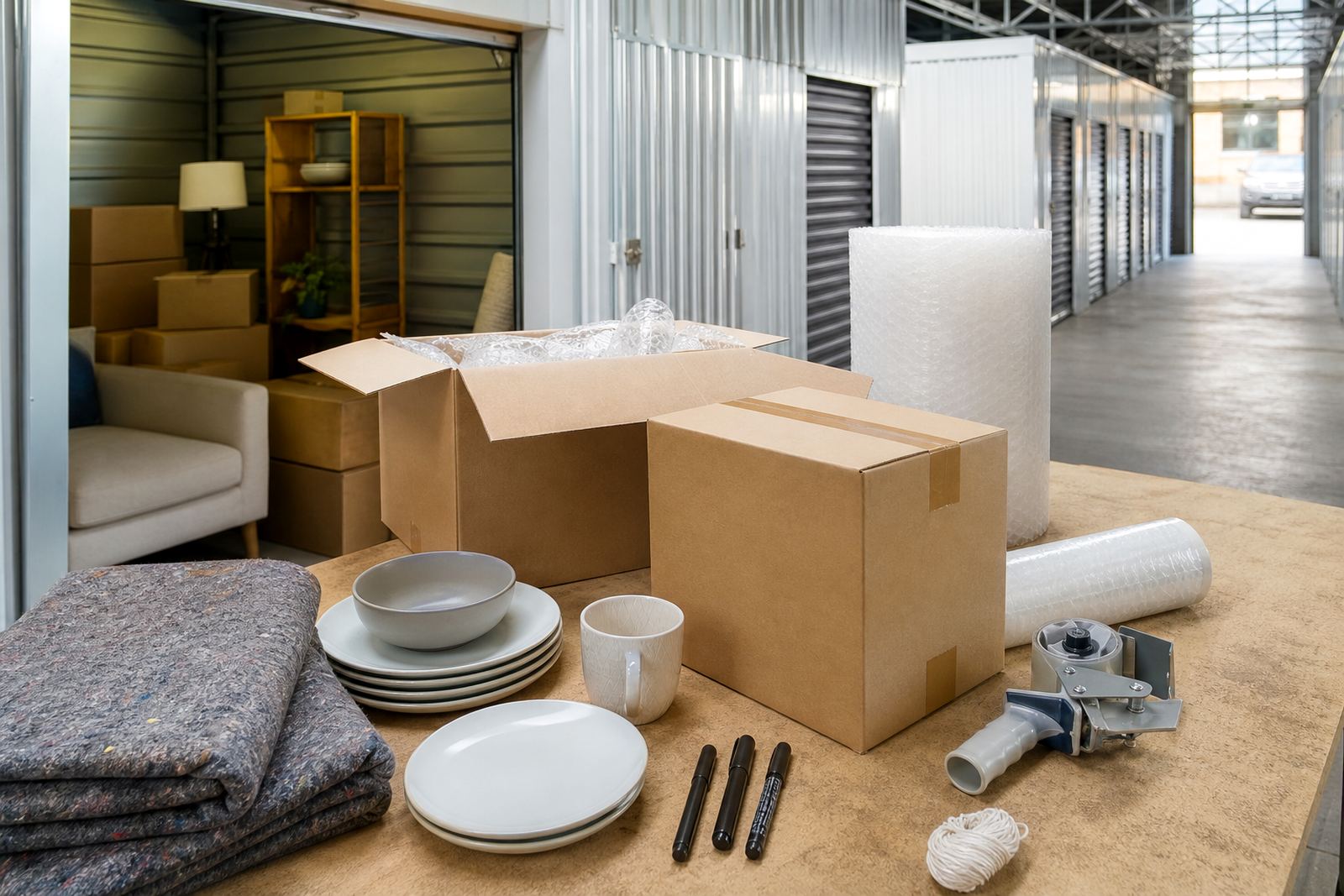
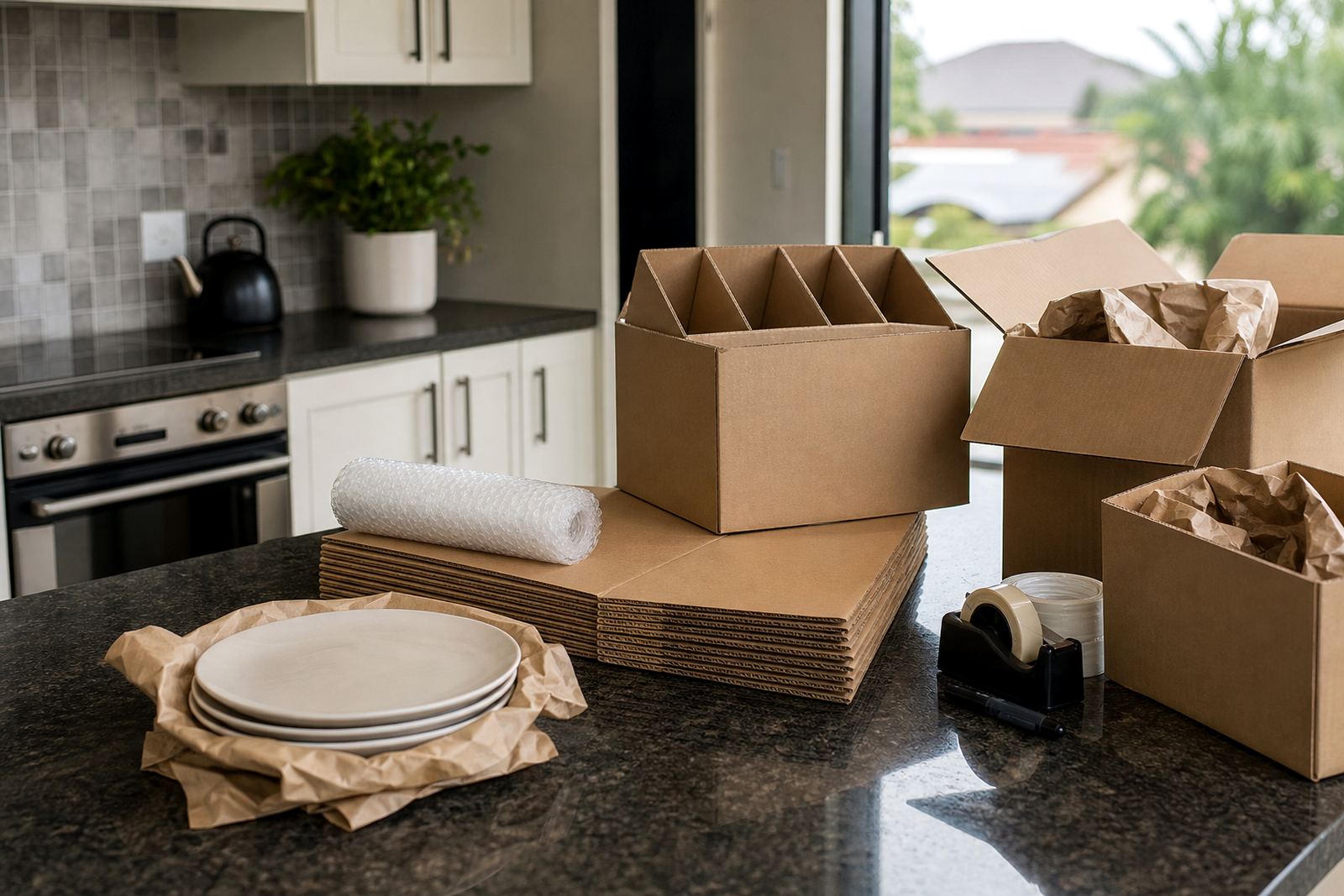
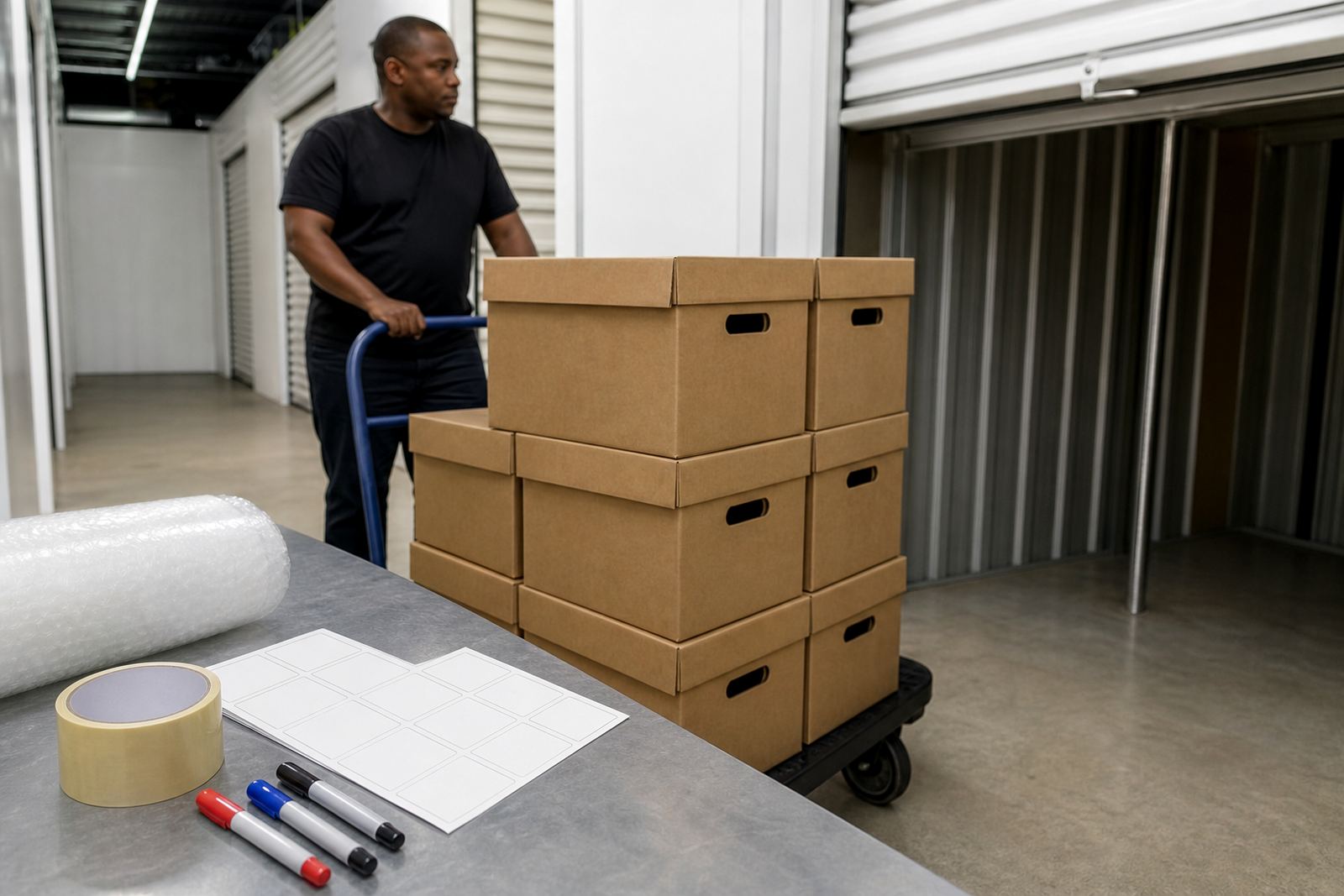
Use sturdy cartons for general household goods and stronger boxes for heavier items. Packing paper is useful for filling gaps around plates, mugs and ornaments. Wrap helps protect corners and surfaces, while tape keeps the box closed through transport and handling. Mark each box on the top and at least one side, so it is easy to identify even when stacked in a unit.
- Boxes should be dry, clean and strong enough to hold their contents
- Use packing paper or wrap to stop items shifting inside the box
- Seal seams properly with tape, especially on boxes that will be lifted often
- Label by room, contents and whether the box is fragile or heavy
Packing for a storage unit, not only for the truck
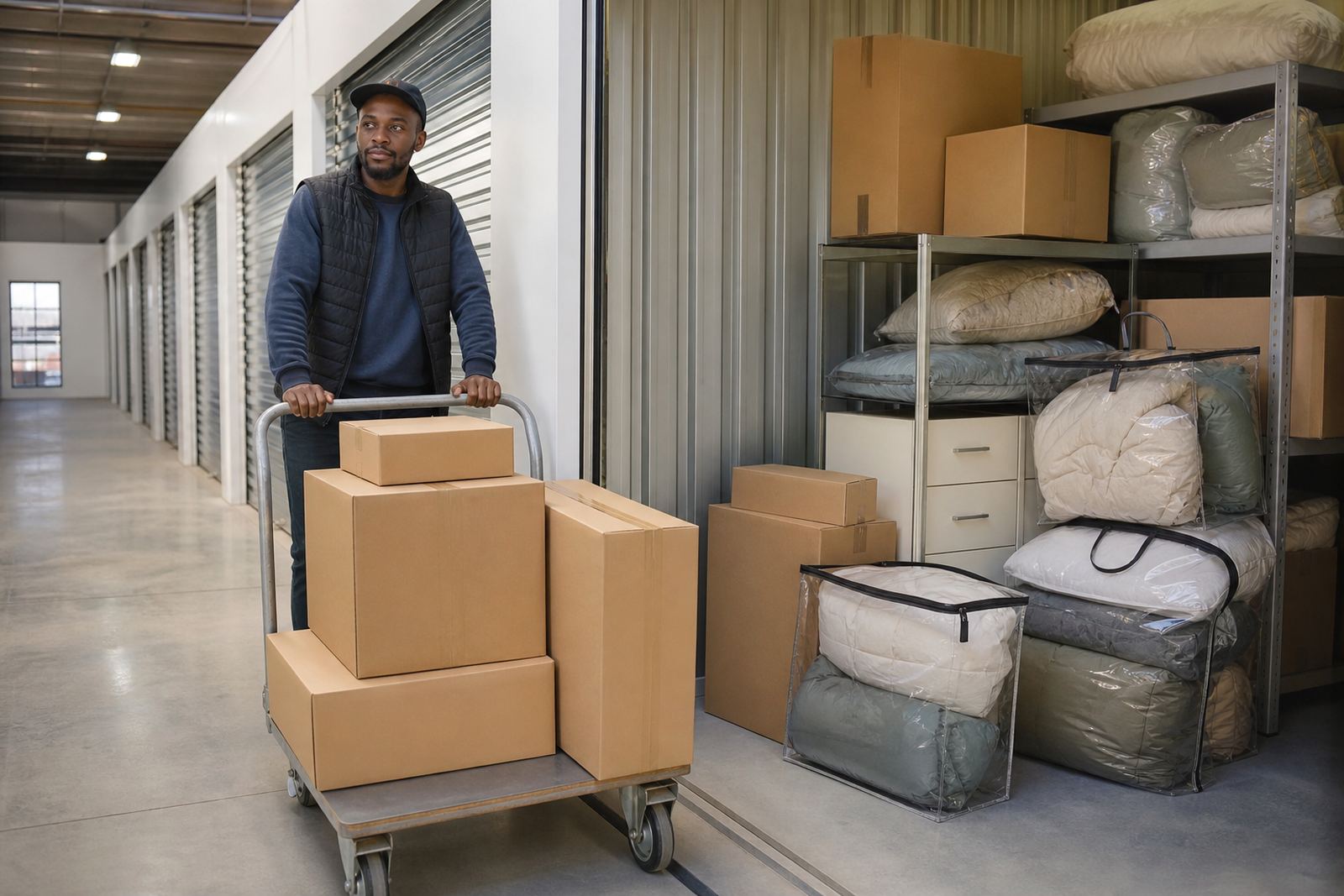
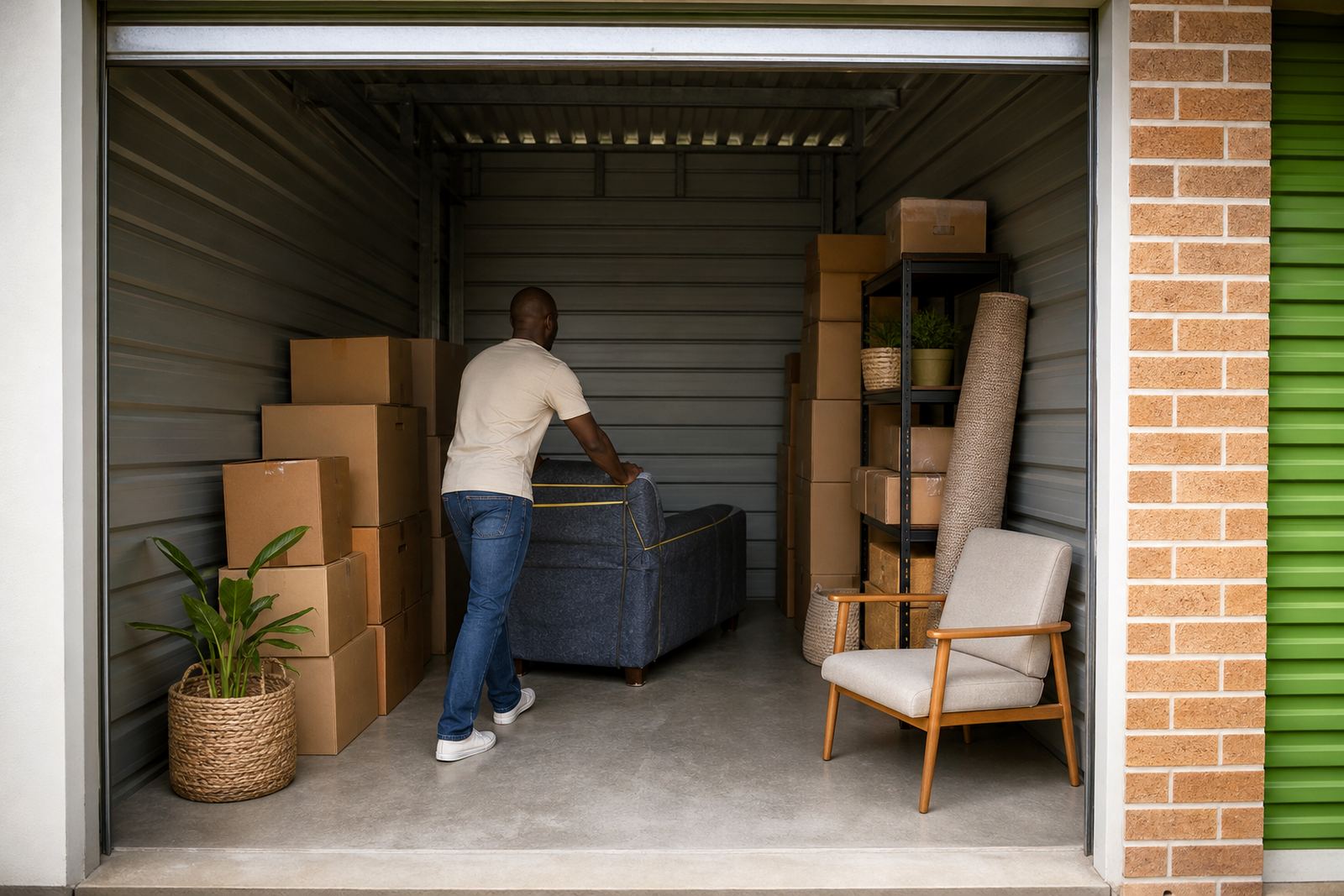
Storage packing is slightly different from moving packing. A moving box may only need to last one trip, but a storage box may sit for weeks or months. That means neat stacking, sensible weight and clear access matter just as much as protection. Put heavier boxes at the bottom and lighter boxes on top. Leave a walkway if your unit layout allows it, so you can reach the back without unpacking everything.
If you are storing business stock, archives or office supplies, plan the layout before you arrive. Keep records together, group similar stock and place the most frequently used items nearest the door. For student storage or short-term decluttering, it also helps to separate seasonal clothing, study material and personal items into clearly marked groups.
- Store heavy cartons low and light cartons higher up
- Keep a clear path to items you may need first
- Group stock, files and household items separately
- Use clear labels so you can find things without opening every box
How to protect fragile, valuable and awkward items
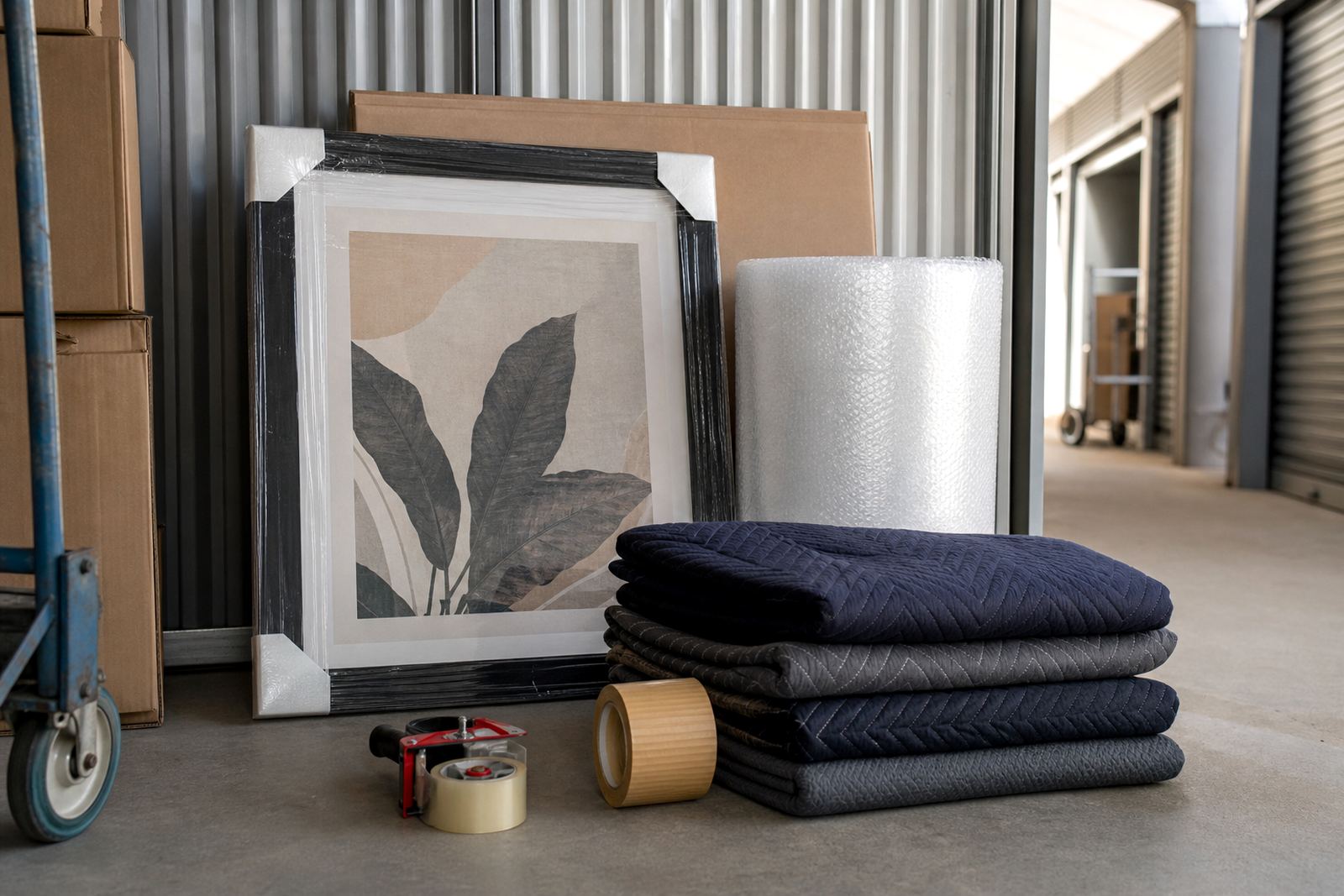
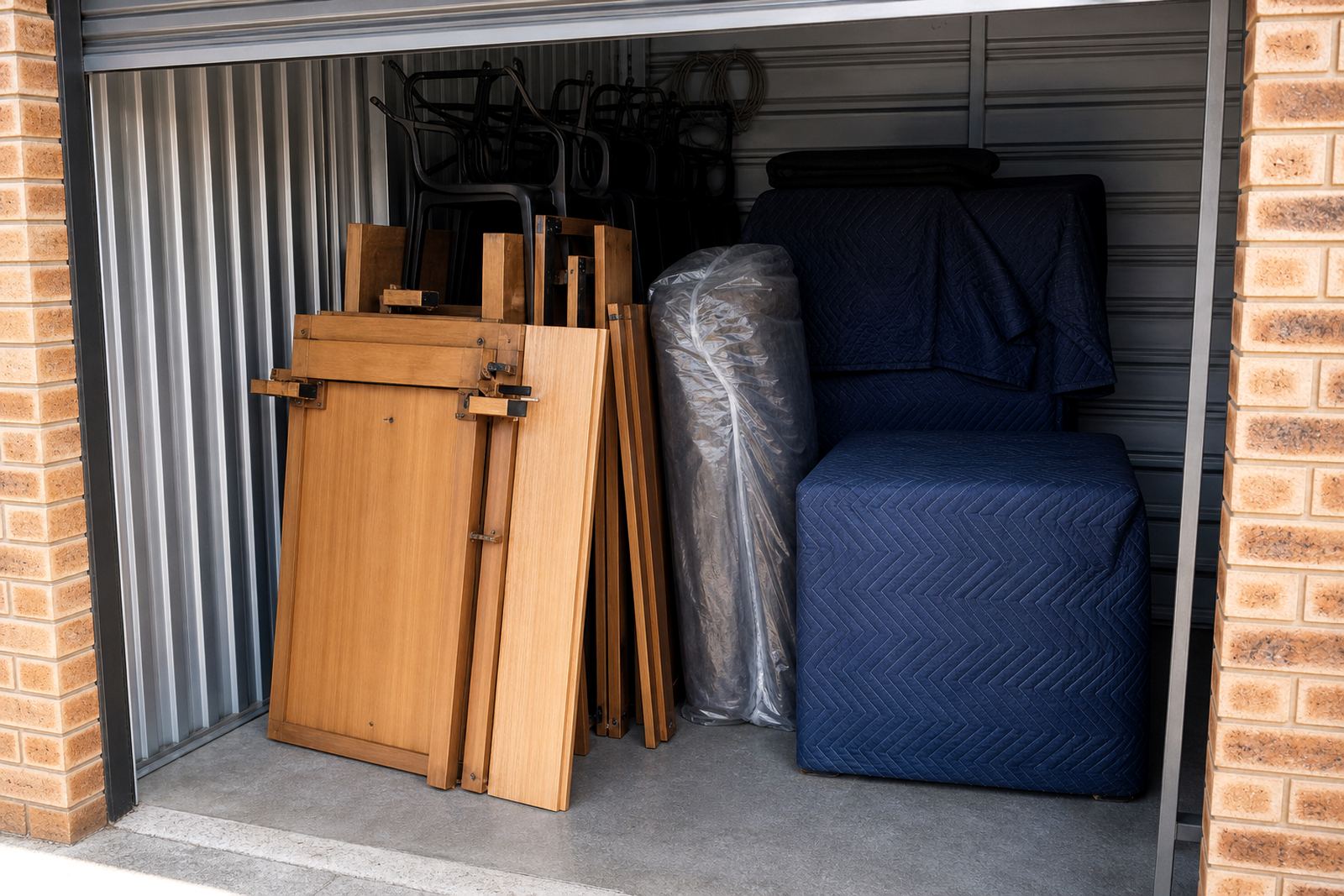
Fragile goods need extra time and a steady hand. Wrap each item on its own, then fill empty space so items cannot move around. Plates should stand upright, not lie flat in a loose stack. Glasses, frames and ornaments need cushioning on all sides. For mirrors, long lamps, artwork and odd-shaped items, use enough padding to protect corners and edges. Do not leave gaps in the box because movement inside is what causes most damage.
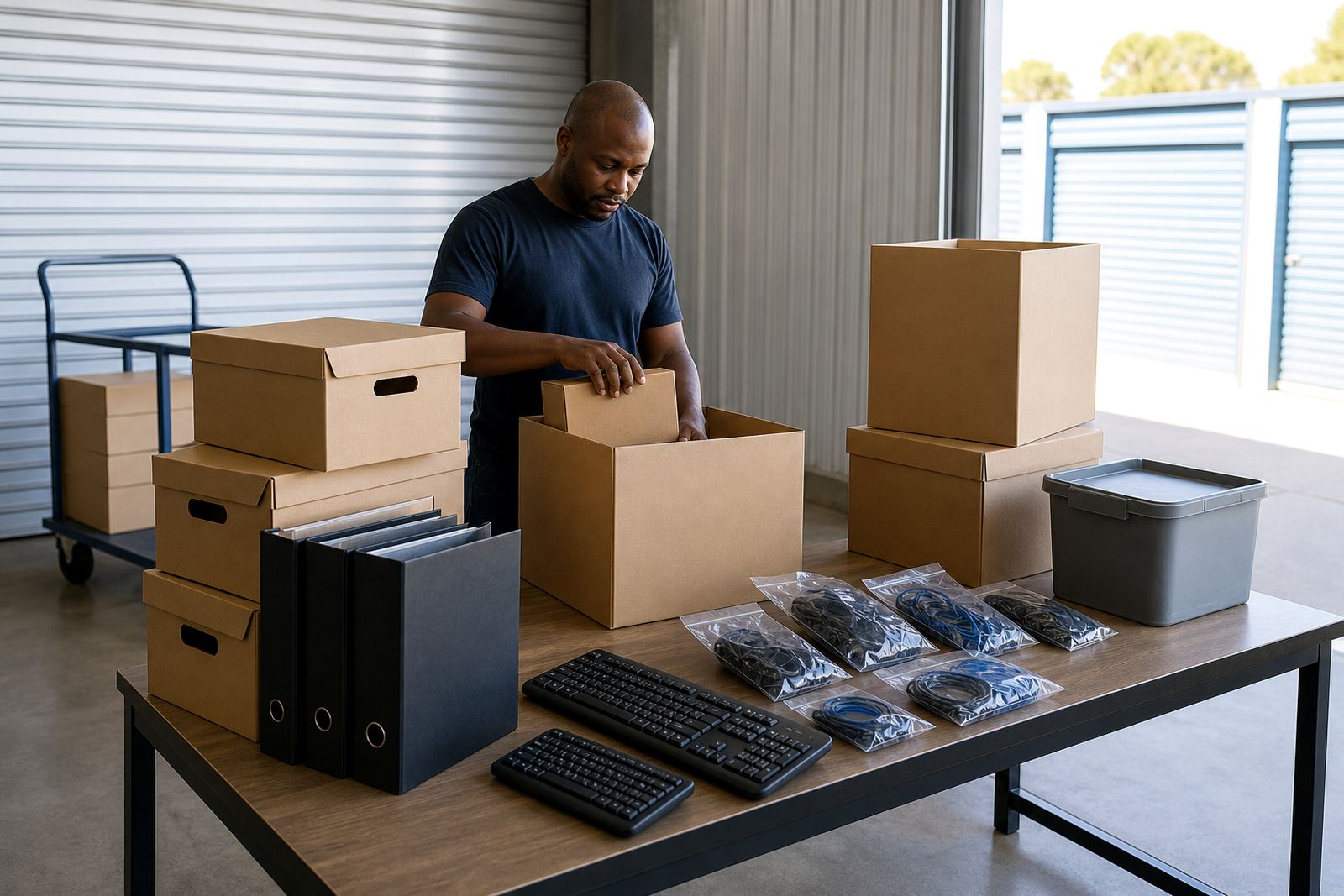
If you are storing appliances or small office equipment, keep accessories in a separate labelled bag and tape it to the main item if suitable. This saves time later and reduces the chance of missing parts.
Simple packing habits that save time later
Good packing habits are simple, but they pay off every time you open a box. Pack room by room, finish one group before starting the next and keep a written list of what went where. If you are moving between Midrand, Sandton, Randburg or Edenvale, that list makes loading and unloading much easier. It also helps when arranging access to a storage unit or planning a move-out.
LastBox customers often ask for practical support with packing supply advice, unit size guidance and move-in planning. The same approach works for homes, student rooms and business stock. Pack in a way that suits the trip, the unit and the items themselves. That is the part that keeps storage orderly and moving day calmer.
- Pack one room or category at a time
- Keep a list of box contents for later reference
- Set aside essentials separately for quick access
- Choose packing methods that suit the length of storage