
Start with one room and one simple question
Before you tape up a single box, stand in one room and ask a simple question: does this item need to be stored, used soon, or let go? That one habit keeps storage from turning into a place where old clutter goes to hide. In Midrand homes, where space often runs tight between family life, deliveries and work from home setups, a quick sort can make the rest of the move easier.
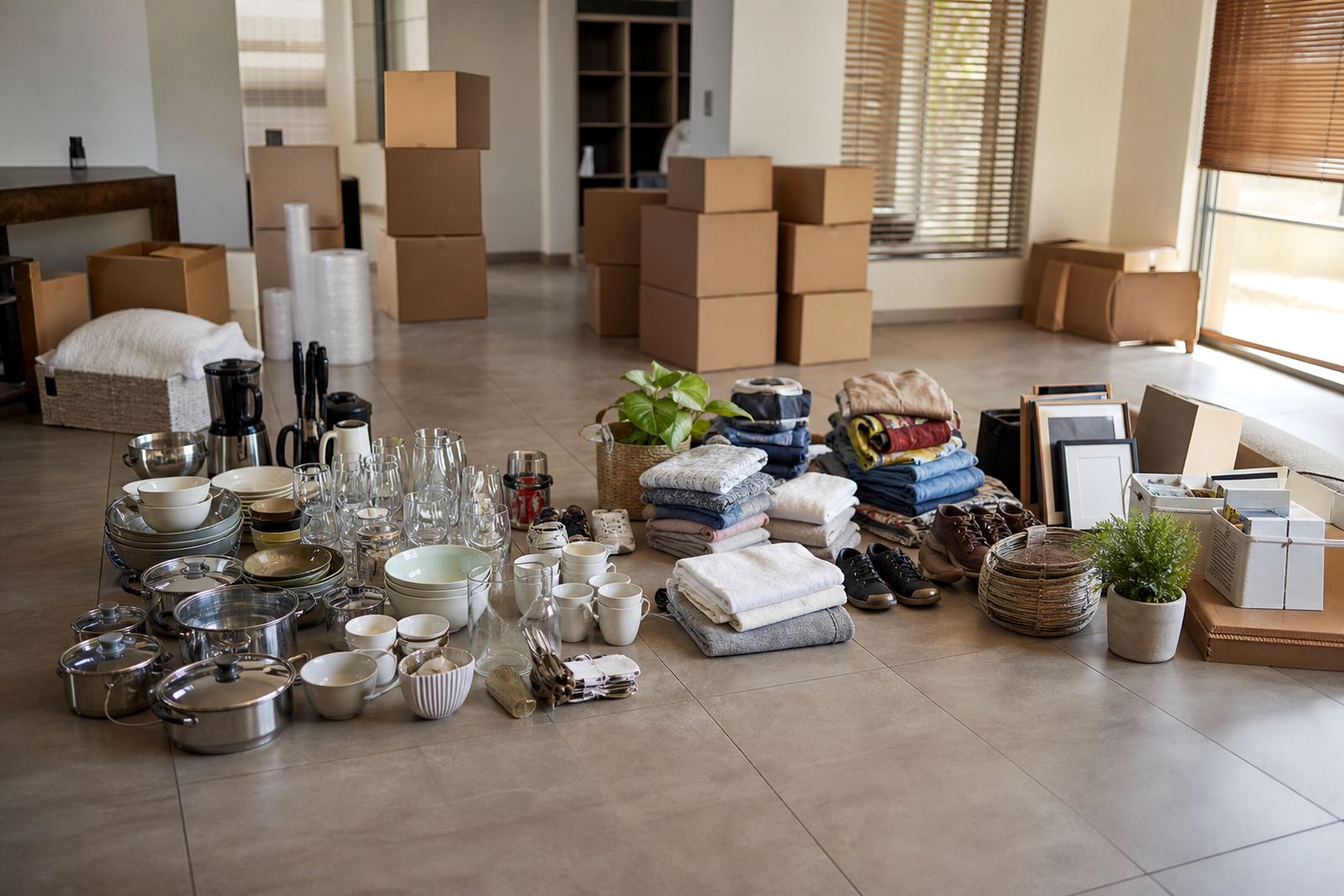
Many people start packing too early. They fill boxes with mixed items from every corner of the house and later struggle to find chargers, invoices, winter clothes or spare kitchenware. A better approach is to sort by use and by room first, then pack what belongs together. It sounds slower at the start, but it saves time when you need access again.
- Keep everyday items in a separate pile for last-minute packing.
- Set aside broken or unwanted goods for disposal or donation.
- Group similar items together before you reach for boxes and tape.
- Mark anything that may need quick access after move-in.
Match the sort to the reason for storage
The reason you are using self-storage should guide how you sort. A family in Pretoria storing school furniture for a few months will pack differently from a small business in Johannesburg storing stock, files or display equipment. If you know what the storage is for, you can decide what must stay easy to reach and what can go deeper into the unit.
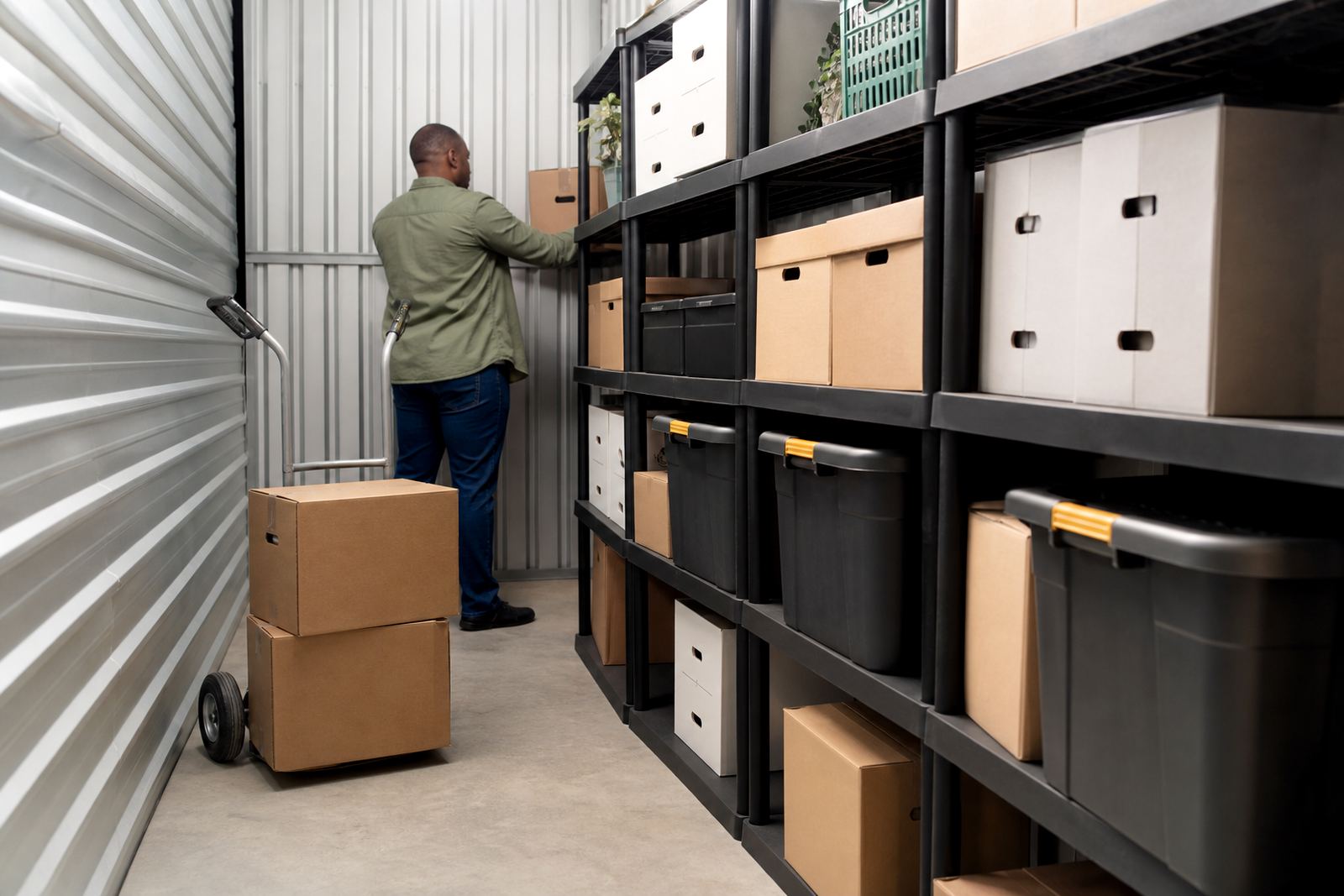
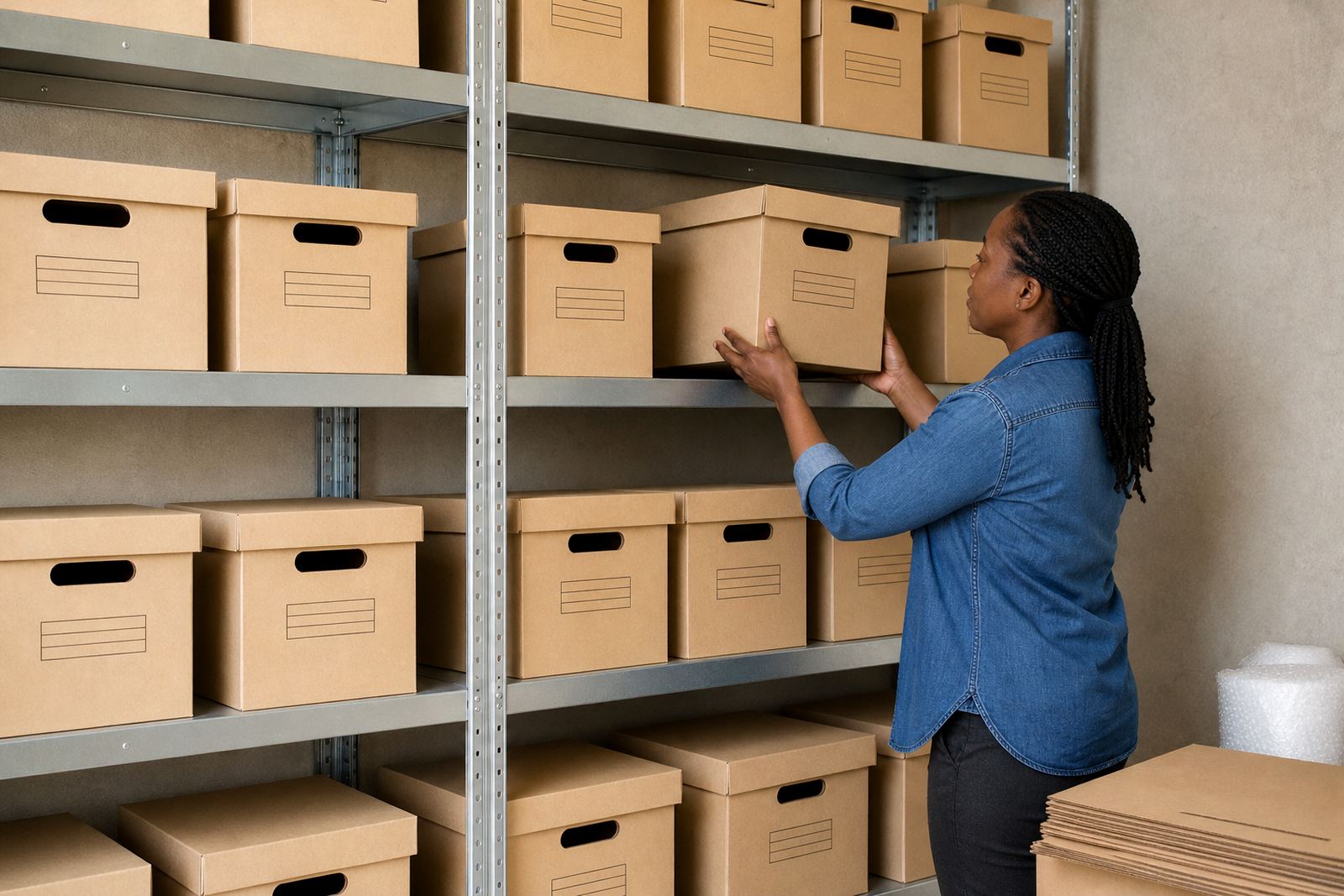
For business storage, keep stock that moves often near the front and older archive boxes toward the back. For home storage, seasonal décor, camping kit and spare linen can be boxed together and labelled clearly. Students using storage during the holiday period often need a different plan again, with books, clothing and electronics separated so they can collect the right things without opening every box.
If you arrive with a clear plan, you can load, store and leave without wasting a morning on repacking.
- Keep documents, keys and small valuables in a separate carry bag.
- Put seasonal items in one group so they are easy to find later.
- Separate business stock from office records and equipment.
- Label boxes by room, use and priority level.
Sort out what should never go into storage
Sorting is not only about deciding what to keep. It also helps you spot what should not be packed at all. Many storage problems start when people rush and box up the wrong things, only to discover issues later. A proper sort gives you a chance to check contents before they leave the property.
Some items are better handled separately because of safety, smell, moisture or local rules. In coastal humidity this matters even more, but even in inland areas like Midrand and Kempton Park, damp can creep into poorly packed items if they are stored badly. Cleaning products, food, wet fabrics and damaged goods should be dealt with before packing, not after.
If you are unsure about awkward items, ask for guidance before moving day. A short conversation can prevent damage to your belongings and avoid filling the unit with things that should have stayed behind. That kind of planning helps whether you are using a small unit for household overflow or a larger space for business stock.
- Remove perishables and open food items before boxing anything.
- Let wet or recently cleaned items dry fully first.
- Keep hazardous materials out of standard storage boxes.
- Check that electronics are dry and unplugged before packing.
Use labels that tell the truth later
Good labels are one of the simplest ways to make storage useful. A box marked “kitchen” is better than no label at all, but a box marked “kitchen, glasses and mugs, unpack first” is far more useful. The aim is not just to know what is inside, but to know how quickly you may need it and where it should go when you retrieve it.
Write labels on more than one side of the box so you can read them even when they are stacked. If you are storing for a move, note the destination room too. If it is business storage, write the product group, date packed and whether the box needs regular access. This small detail is especially handy for teams in Sandton, Randburg and Edenvale who may visit storage during a working week and need things in a hurry.
Do not rely on memory. After a few weeks, every brown box looks similar and most people forget what they placed in the second or third layer. A proper label system reduces stress and helps the storage unit stay orderly, which matters when you need to make use of limited access time.
Make one pile for fast access and another for long stays
Not everything in storage has the same urgency. Some items may be needed next week. Others can stay untouched for months. Sort them into two clear groups before boxing so that access later is easier. This is useful for families between homes, businesses storing stock, and office teams moving files or spare furniture.
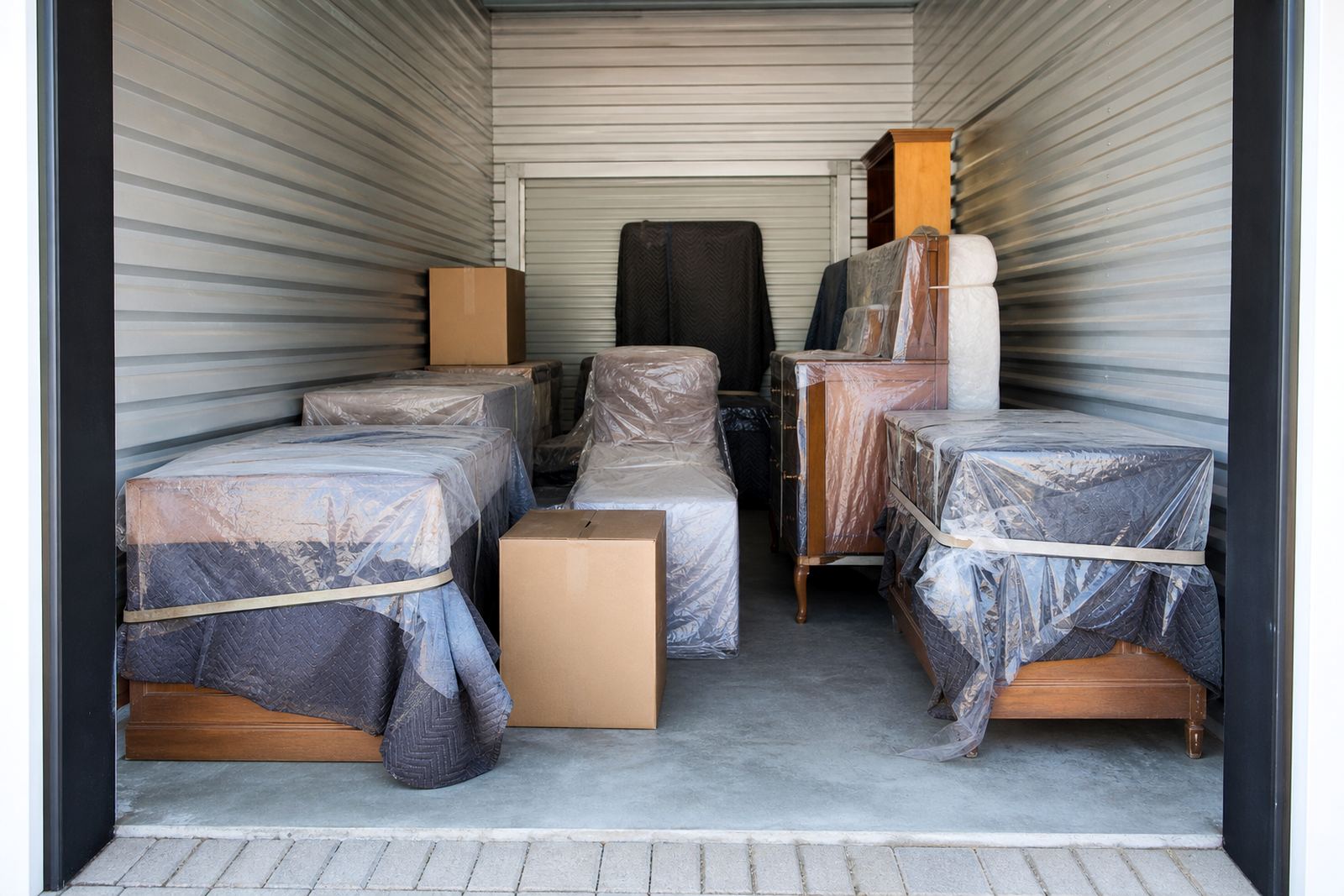
Keep the quick access group near the door of your unit or in the first few boxes loaded. These are the things you may need on a rainy Sunday, after hours, or during a busy workday. The long stay group can be packed more tightly, as long as the contents are dry, clean and clearly marked. This way you are not digging through six boxes to find one charger or a set of serving plates.
A local example: a business in Midrand clearing part of its storeroom before year-end stock take can sort display items, archive files and spare supplies separately before any packing starts. That makes move-in simpler and cuts down on repeated trips between the office and storage. It also helps when arranging access around staff schedules, deliveries and traffic on the N1 or the main roads into Pretoria and Johannesburg.
- Quick access items should be packed last and loaded first.
- Long stay items can be stacked behind and below other boxes.
- Separate fragile goods from heavy goods before sealing boxes.
- Keep a short written list of what is in each group.
Finish the sort before buying too many boxes
One of the most common mistakes is buying packing supplies too early. People guess how many boxes they need, then end up with the wrong sizes or too many small cartons. A better approach is to sort first, then decide what needs boxes, what needs wrapping, and what can be reused or folded flat. That keeps packing supply orders practical and reduces waste.
Once the sort is done, you can choose moving boxes, tape, wrap and protective material based on what you are actually storing. Books need smaller, stronger boxes. Linen and soft items can go into larger boxes. Fragile items need more careful wrapping. If you are packing for business storage, your needs may also include document boxes, inventory organisation materials and a proper packing station setup.
For households and businesses across Gauteng, a little sorting before packing is one of the easiest ways to save time, money and effort. It keeps the load neater, the unit easier to use, and the unpacking far less painful when the time comes to move items out again.