
Start with the right unit and a clear plan
If you are storing household goods, office files or business stock, it helps to choose a unit size that suits what you are actually keeping. A unit that is too small can become cramped and hard to move around in, while a unit that is far bigger than you need can tempt you to stack carelessly. Good planning begins before the first box goes in.
At our Midrand base, many customers ask for unit size guidance before moving day. That is often the best time to look at what must stay easy to reach, what can be stacked, and what should be kept off the floor. If you are storing in Gauteng where summer rain, dust and traffic delays are part of life, planning the layout early can save a lot of lifting later.
- Group items by use, such as daily business stock, seasonal items, or household furniture.
- Keep a simple list of what goes in first so you do not bury important items.
- Leave a small aisle if you may need access during the month.
Use strong packing habits from the first box
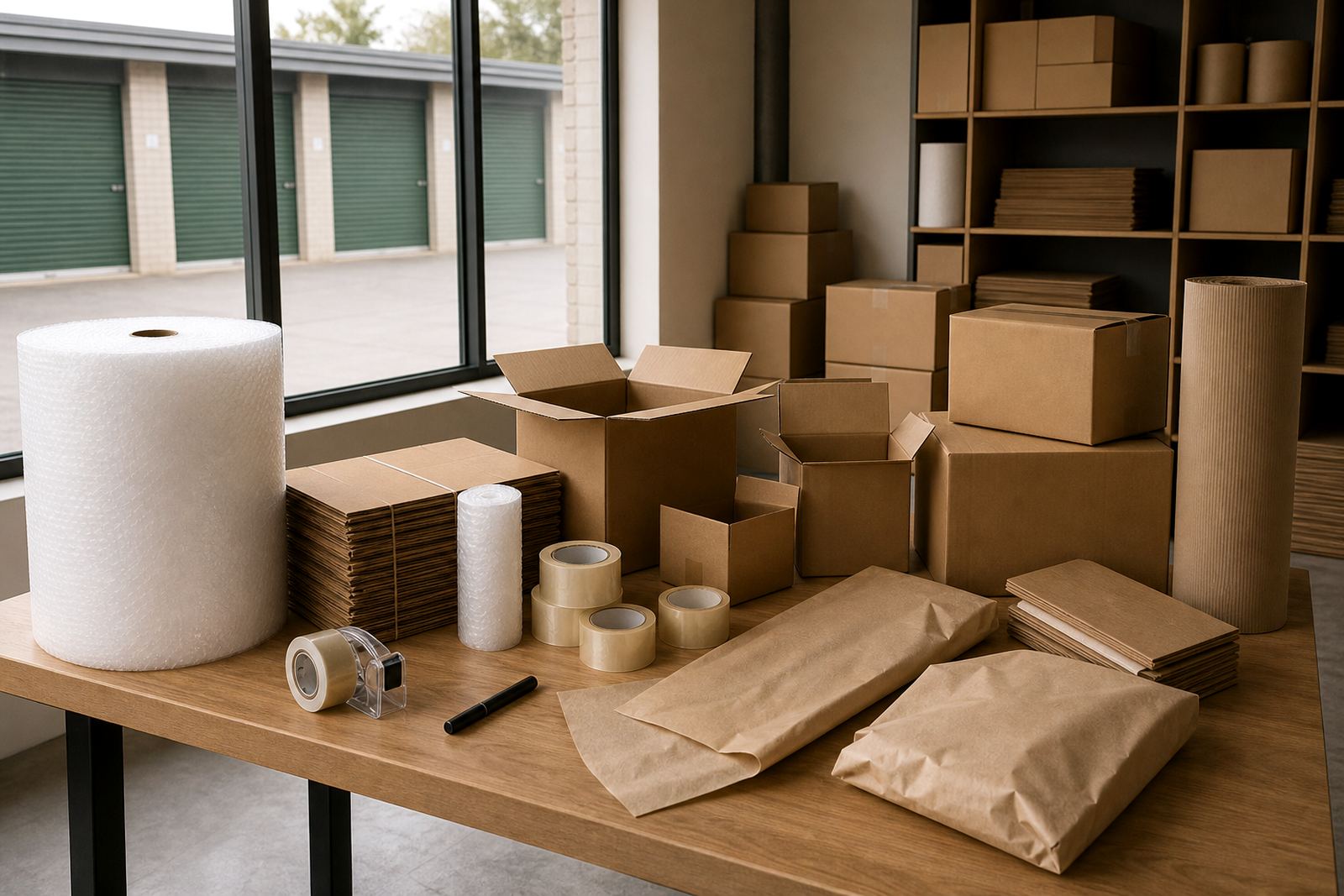
Secure storage starts with how you pack. Sturdy boxes, clean wrapping paper and proper sealing tape all help your items stay in better shape while they are stored.
For fragile items, wrap each piece separately and fill empty space so contents do not move inside the box. For books and files, use smaller cartons so they are not too heavy to lift. If you are storing in a coastal area then moisture control matters even more, so avoid packing damp items and do not seal anything that is still warm from a recent wash or clean.
- Use smaller boxes for heavy items like books, tools and files.
- Line boxes with clean paper or soft wrapping where needed.
- Seal every box properly and label at least two sides.
- Keep screws, fittings and small parts together in clearly marked bags.
Locking up well is about more than a padlock
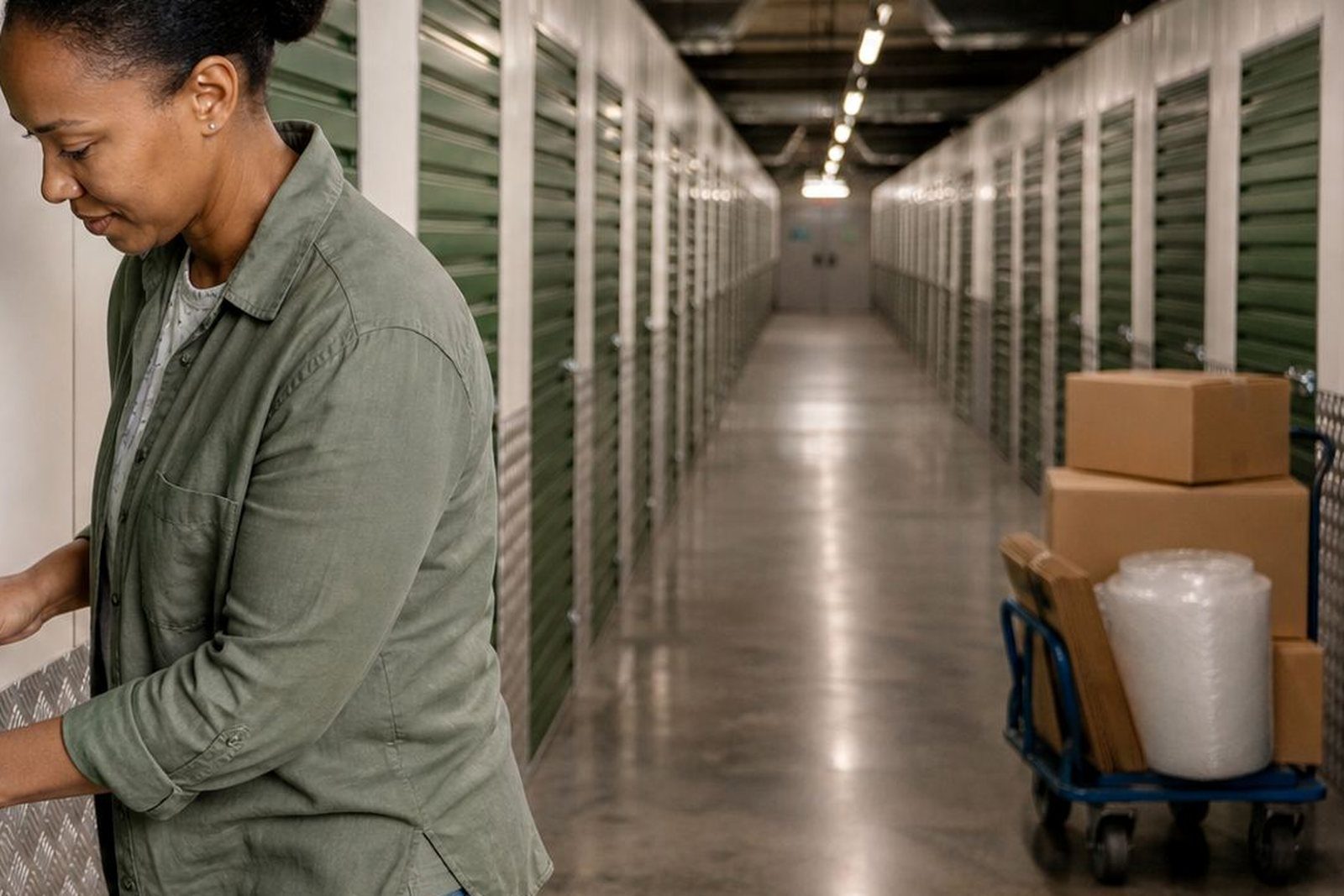
A secure unit should be closed properly every time you leave, even if you are only stepping out for a few minutes. Make sure the doors are shut fully, the lock is fastened correctly and nothing is left where it can be pulled out from the side. A solid lock matters, but so does the habit of checking it twice.
Customers using our storage units across Midrand, Johannesburg, Pretoria, Centurion and Kempton Park often combine a strong lock with tidy stacking and regular checks. That simple routine helps reduce avoidable problems. If you have business stock or archive boxes, keep the most important items away from the door so they are not visible or easily moved.
- Check the lock before leaving and again when you return.
- Do not leave keys, labels or access details in plain sight.
- Keep a record of who is allowed to collect or drop off goods.
Arrange the unit so access stays easy
One of the best ways to protect stored goods is to keep the unit organised. If you stack everything tightly against the front, you may need to unpack half the space just to reach one file box or a small appliance. That creates unnecessary handling and can lead to damage.
Think of the unit as a working space rather than a dumping ground. Put heavier items on the bottom, lighter cartons on top and leave enough room to move safely. If your storage is for business use, set aside one section for outgoing stock and another for items that will stay put. That small system makes access arrangement much simpler.
For customers in Sandton, Randburg and Edenvale, where office and retail collections can change quickly, a neat layout often saves time during busy trading periods. It also helps if you are dealing with stock organisation or packing station setup for a small team.
Protect goods from Gauteng weather and daily wear
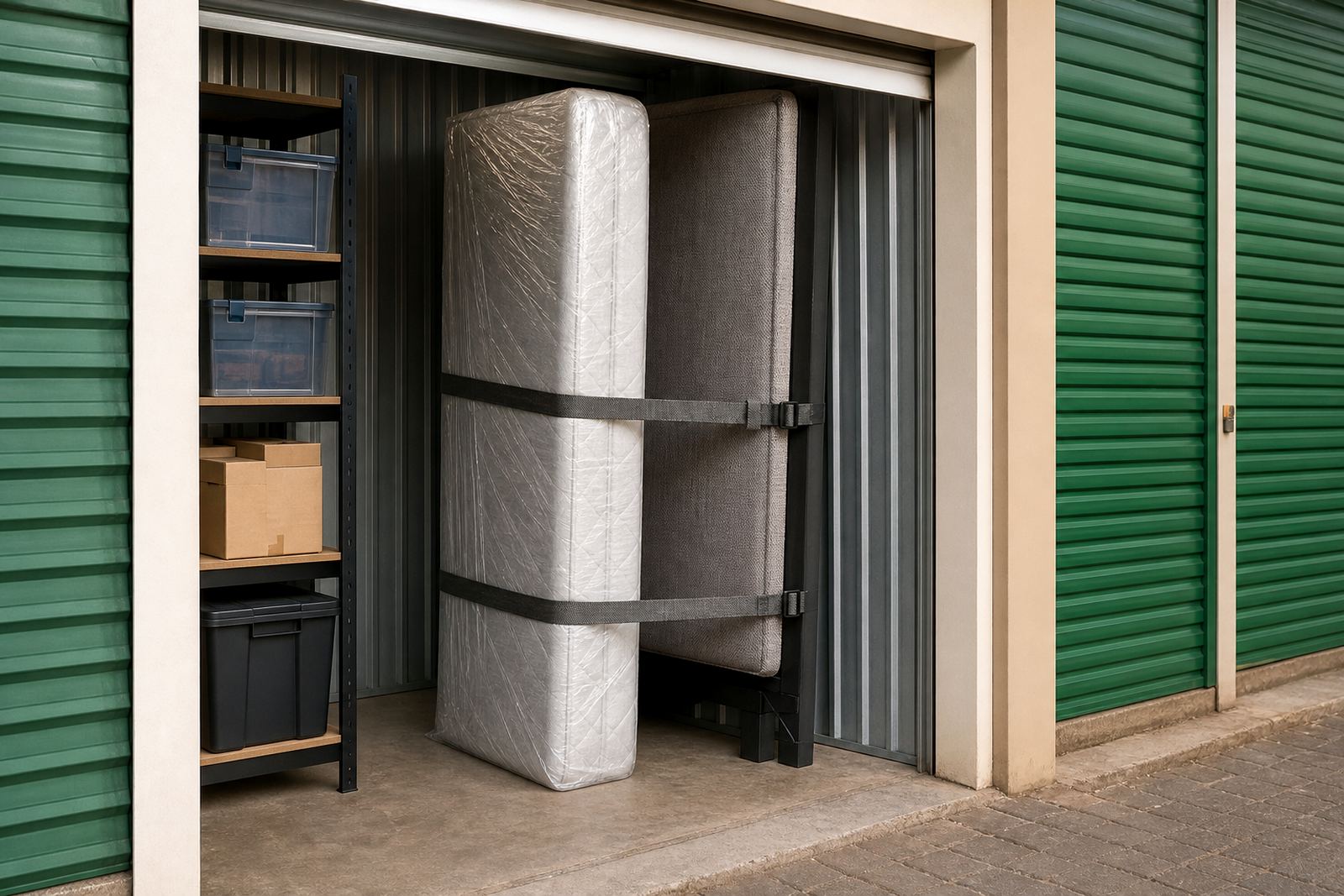
Storage in Gauteng means dealing with dusty roads, summer storms and sometimes damp conditions after a cold snap. Even in a secure unit, your packing should guard against dust and moisture. Use clean covers for furniture, keep mattresses off the floor where possible, and avoid storing wet or dirty items alongside clean goods.
Wooden furniture should be wiped dry before storage, and metal items should be kept free of moisture to reduce rust. If you are storing documents, photos or archives, keep them in strong cartons and away from the unit door where temperature changes can be more noticeable. A little care at the start can prevent a lot of sorting later.
- Cover furniture with clean, breathable protection.
- Keep boxes away from direct contact with the floor where practical.
- Do not store food, fuel, paint or anything that can spoil or leak.
- Place delicate items in the centre of the unit, not near the door.
Make moving day calmer with support and sorting
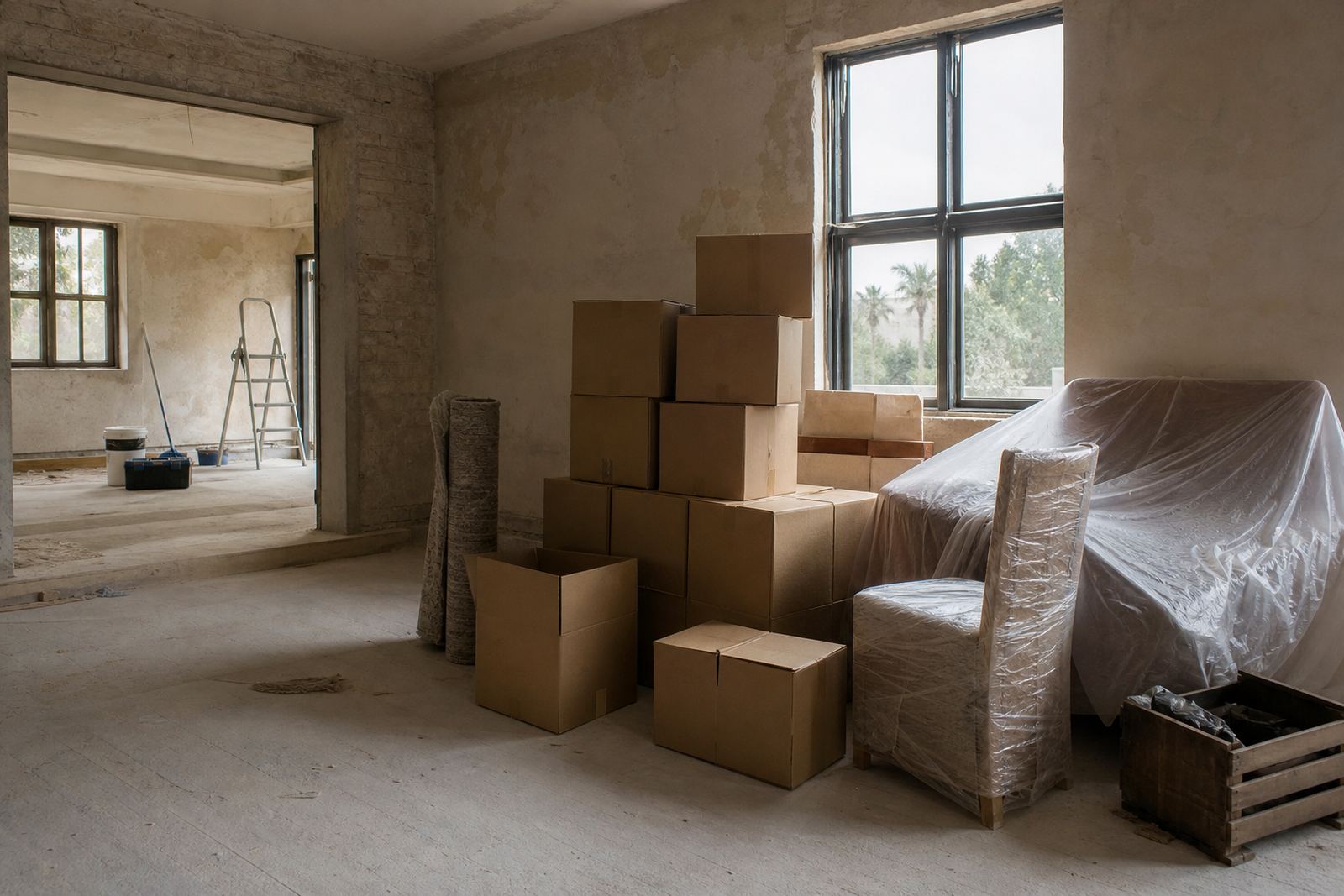
Moving into storage is easier when someone has already thought through the order of loading and the final layout. That is where move-in support, move-out planning and decluttering support can help. Whether you are moving a home, clearing a garage or setting aside stock for a business project, a clear plan keeps the day moving.
In Midrand, a family moving between homes before school term starts may store sofas, bedrooms sets and packed kitchen items for a few weeks. A local small business may need the same space for archive planning or stock organisation. The need is different, but the good habits are much the same: label well, stack carefully and keep the items you will need first near the front. A tidy unit is just easier to work with, simple as that.
If you also need moving boxes or packing supplies, ask for packing supply advice before you begin. The right cartons, tape and wrapping can make the whole process less stressful and help your stored items stay in better condition.
A simple routine keeps peace of mind in place
Secure storage is not about doing one big thing perfectly. It is about small habits that repeat every time you visit the unit. Check the lock, keep the layout sensible, and make sure your items are packed for the time they will spend in storage, not just for the trip in. That is what gives many customers real peace of mind.
From our Midrand base, we work with customers across Gauteng who need storage for homes, offices and growing businesses. The same advice usually applies: choose carefully, pack properly and keep access simple. A well arranged unit does not just look better, it is easier to use and safer to manage over time.