Start with what you are actually storing
The first step is to list what will go into storage and how often you may need to get to it. A few plastic tubs, a mattress set and some spare furniture need a different setup from business cartons, files, stock boxes or tools. If you only need seasonal storage for a few months, a simpler arrangement may work. If you are storing items for an office move, online stock or records that must be reached regularly, you need quicker access and better layout planning.
It helps to sort items into groups before you choose a unit. Put bulky pieces, fragile items and high-turnover boxes in separate categories. That makes it easier to decide whether you need a ground floor unit, a trolley-friendly route or enough floor space to stack safely without squeezing every corner. In Midrand and nearby areas, many customers also need storage that can handle mixed loads, from home contents to business inventory, so flexibility matters.
- Ask how often you will visit the unit
- Separate fragile, bulky and frequently used items
- Keep documents and stock planning in their own group
- Think about whether the load may grow over time
Check access before you sign up
Access is one of the easiest things to overlook. If you work during the day, need to drop off stock early, or want to collect a few boxes after school runs, the access arrangement should suit your routine. A unit that is cheap on paper but awkward to reach can cost more in fuel, time and extra lifting.
At LastBox, access arrangement is part of the decision, not an afterthought. That matters for families moving between suburbs like Edenvale and Kempton Park, and for businesses moving stock between Johannesburg, Pretoria and Midrand. You want to know where to park, how close you can get to the unit and whether there is enough space for a bakkie or trailer to turn safely.
- Confirm when you can visit the unit
- Ask about vehicle access and loading space
- Check if hand trolleys or similar moving aid are available
- Find out how easy it is to move heavier items without long carries
Security should fit the value of what you keep
Security is not only about locks, it is about the whole setup. Good lighting, controlled entry, visible supervision and a well-kept site all help reduce risk. The right unit should suit the kind of items you are storing, whether that is household furniture, office files or trade stock. If you are keeping valuable business goods, you may want a more controlled environment and stronger internal organisation.
South African storage users often ask how to compare one site to another. A useful way is to look at the basics in order. Is the yard monitored. Are entrances managed. Can outsiders walk in freely or is access controlled. Is the property tidy enough to show that maintenance is taken seriously. These details matter in wet weather too, especially in coastal humidity or after heavy Gauteng storms when damp can become a problem if units are not well cared for. Goitseone Mabandla and the team often help customers think through these points before they decide.
- Look at lighting, entry control and supervision
- Ask how the property is managed after hours
- Check for signs of damp, leaks or poor maintenance
- Match the level of security to the value of the items stored
Choose the right size by planning the stack
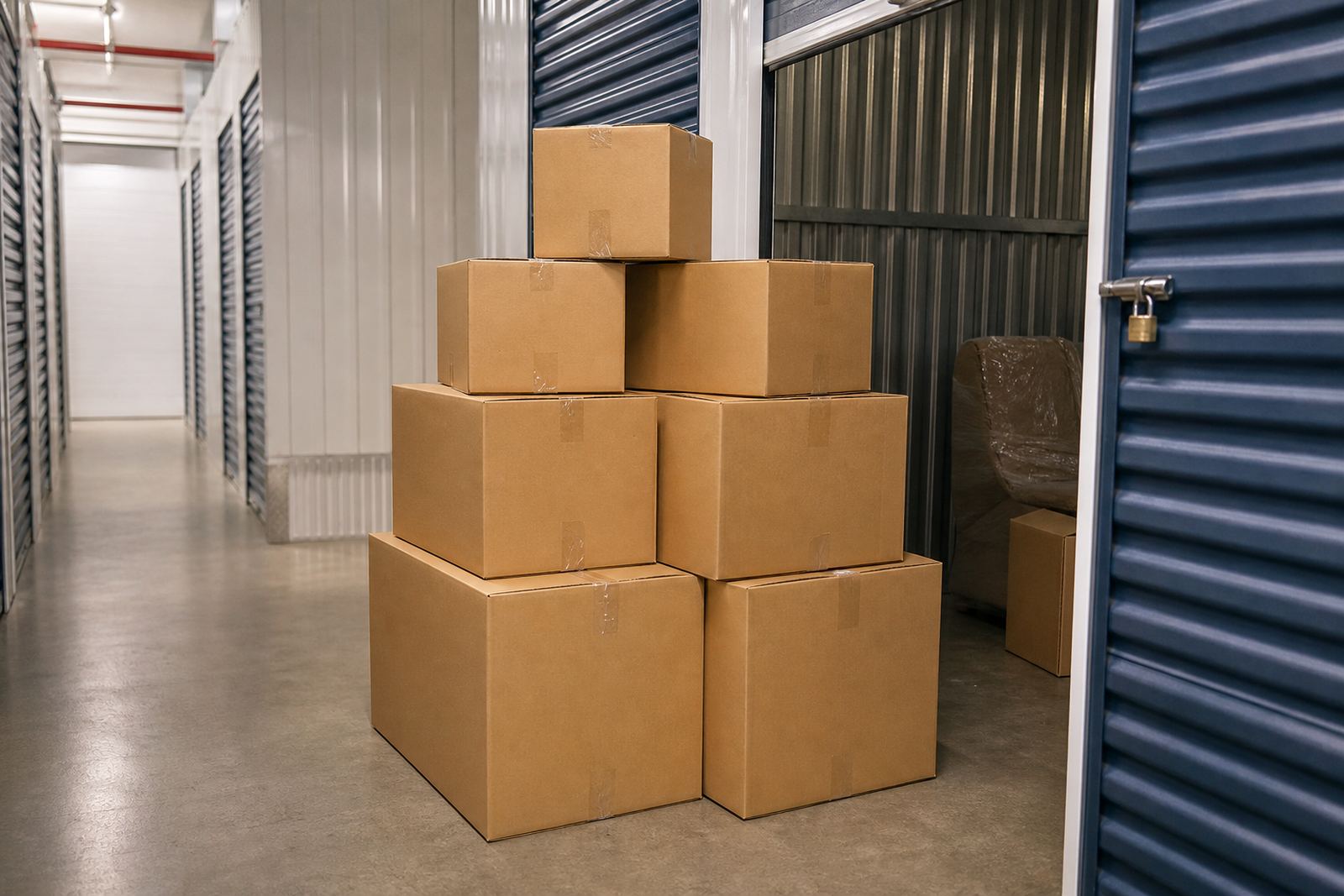
Many people choose a unit by guessing, then end up paying for too much or struggling with too little. A better method is to sketch the load, measure the larger pieces and think about how the boxes will stack. If you can leave a small walkway inside the unit, you will reach the back without unpacking everything. That is useful for stock rotation, archive retrieval and general peace of mind.
Business users often need unit size guidance for a different reason. They may need space for cartons, shelving items, samples or office furniture during a move. Home users may need a smaller unit but with enough height for stacking. If you are not sure, take photos of the items and note the number of boxes, cupboards, appliances and loose items. A good plan prevents waste and avoids awkward re-handling later. It also helps when you need to bring in more goods after the first week, which happens more often than people think.
- Measure large items before choosing a unit
- Leave a small walkway for reach and inspection
- Consider height as well as floor space
- Allow for extra boxes if the load may grow
Packing supplies make a unit easier to use
The unit itself is only part of the job. Good boxes, tape, wrapping and labels make storing and retrieving much easier. If you are keeping documents, use strong cartons that hold their shape. If you are storing kitchenware, wraps and dividers help avoid breakage. For business use, clear labelling and stock grouping save a lot of time when you need one box out of twenty. Farah Jacobs and the packing supplies team can help with practical advice on what works for different loads.
It is also worth thinking about how the items will sit inside the unit. Heavy cartons should go low, lighter boxes above them and fragile items where they will not get crushed. Avoid overfilling boxes because they become difficult to lift and they lose shape. Packing station setup is useful for companies preparing a move or families clearing a home before a sale. It sounds simple but a tidy packing system can cut the number of trips needed, which is no small thing when traffic is already busy on the way into Sandton or Pretoria.
- Use strong cartons for books and files
- Wrap fragile items before stacking
- Label boxes clearly on more than one side
- Keep frequently needed goods near the front
Think about support before move-in day
Choosing a unit is easier when the team can help you plan the move as well as the storage. Move-in support, move-out planning and access arrangement are useful if you are juggling a house move, an office relocation or a change in stock levels. For students, decluttering support or a smaller storage plan may be enough during holidays or between rentals. For businesses, archive planning and stock organisation can prevent loss of time later on.
The Midrand base gives LastBox a practical position for customers across Gauteng, from Centurion to Kempton Park. That local reach matters when you need to coordinate a collection, a delivery of packing supplies, or a unit change at short notice. Mxolisi Mdletshe and the team know that storage is usually part of a bigger project, not the whole project. If the process is clear from the start, the unit works harder for you and you spend less time rearranging boxes after the move.
- Ask for move-in support if you are short on time
- Use archive planning for files and records
- Choose stock organisation help if you run a business
- Plan move-out timing before the storage gets crowded
A practical Midrand example for home and business use
Consider a small business in Midrand that sells homeware online. The owner needs a unit for boxed stock, packing materials and a few display items while the shop floor is being reorganised. The best choice is not the cheapest space alone. It is the unit that allows regular access, sensible stacking and enough room for fast picking during busy weeks. The same logic applies to a family in Johannesburg storing furniture while waiting for renovations to finish. They need a unit that can handle bulk items, with enough order inside to find the dining chairs before the couch, not after.
That is why comparing storage units should always come back to daily use. If you know your route, your access needs and the kind of items being stored, the right choice becomes much clearer. Whether you are in Midrand, Pretoria, Randburg or Kempton Park, a well matched unit makes storage feel controlled instead of chaotic. It also gives you a better handle on your budget because you are paying for what you can actually use.