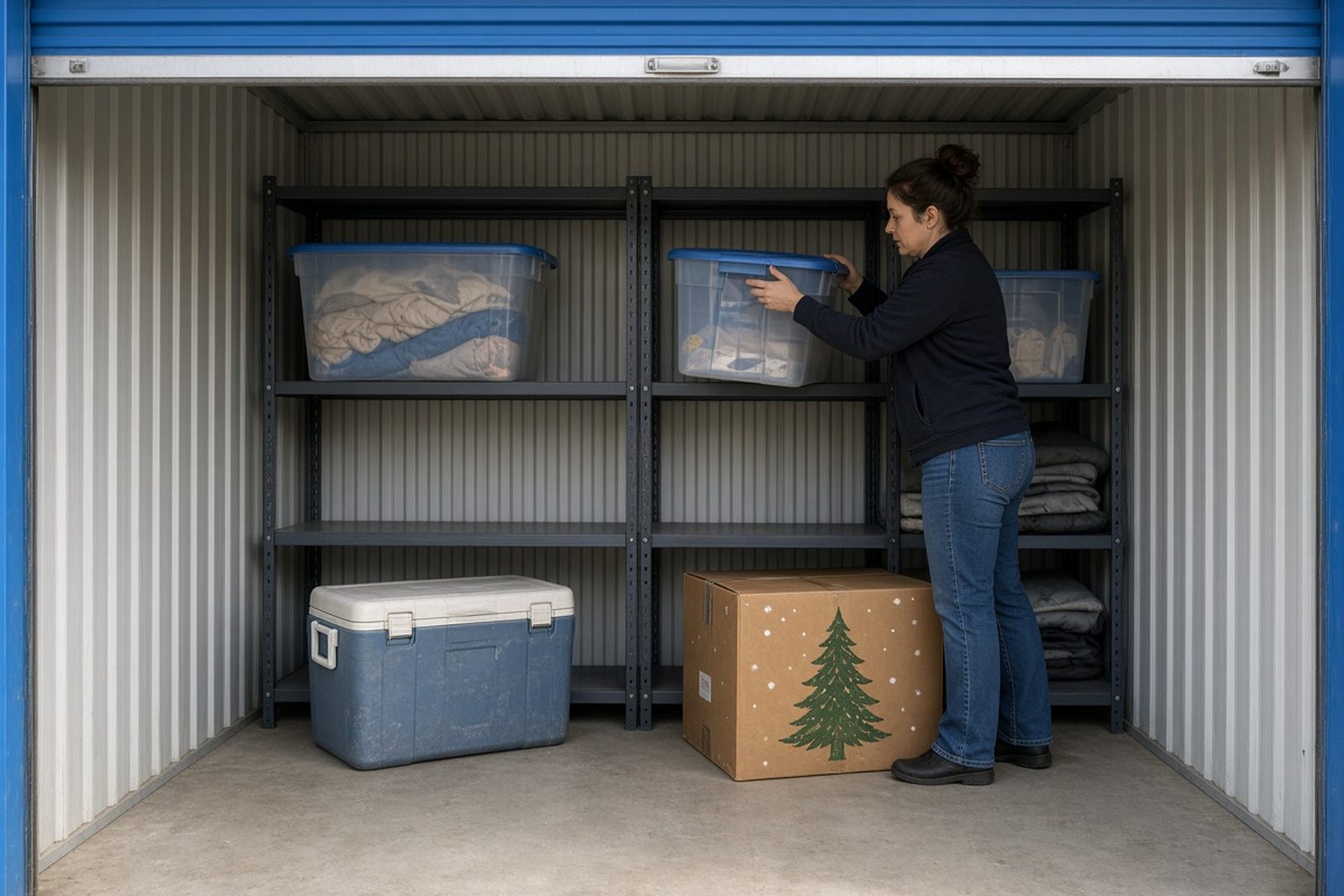


When the transfer date moves but the truck is ready
In Gauteng, transfer dates often shift for reasons that have nothing to do with you. The bond is approved, the sale is signed and the moving truck is booked, then the handover slips by a few days or even a few weeks. That gap can leave you with packed boxes in a garage, furniture in a passage, and no proper place to keep things dry and secure.
Self-storage is useful in that exact window. It gives you a temporary base in Midrand while you sort out the handover, collect keys, or wait for cleaning and repairs to finish. It also helps if you are moving between suburbs like Johannesburg, Pretoria, Centurion or Kempton Park and need storage that is easy to reach from the main routes.
At our Midrand base, people use storage for full household moves, partial loads, office furniture and stock. The aim is simple: keep your belongings organised until the new place is ready, without forcing everything into one rushed move.
Choosing the right unit size without overpaying for space
Transfer-date storage works best when the unit size matches what you actually need, not what sounds convenient on the day. A small apartment move may only need space for boxes, a mattress set and a few appliances. A family home, or a business move, may need much more room for tables, shelving, files and cartons.
Good advice starts with a proper list. Count the larger items first, then estimate the boxes. If you are storing only the overflow from a move, you may not need a full unit. If the transfer is delayed and the entire household has to be stored, then access to a larger unit can save a second move later.
- Start with furniture that cannot be stacked safely.
- Measure long items such as headboards, cabinets and boards.
- Separate fragile items so they can be packed near the top.
- Leave space for a walkway if you may need to fetch items during the storage period.
A quick size check upfront usually saves time, lifting and extra handling later.
Access that fits a moving schedule
When you are between properties, access matters just as much as the storage itself. You may need to drop off boxes after one final clean, collect a file before bond registration, or move out winter clothing once the new home is finally ready. That is why access arrangement should be part of the plan from the start.
In practical terms, it helps to know when you can load and unload, where vehicles can stop, and whether your move will be done in one trip or in stages.
We also advise customers to label boxes clearly and keep one small essentials box separate. That box should hold keys, chargers, toiletries, a kettle if needed, and basic documents. It saves a lot of searching when moving day runs late.
- Keep important papers with you, not in the unit.
- Use clear labels on every side of the box.
- Place daily-use items near the front of the unit.
- Plan your loading order before the truck arrives.
Packing for a short gap or a longer holdover
Not every transfer delay is the same. Some people need storage for a week between occupation and registration. Others need a few months while builders finish work, or while a sale on the old home and the move into the new one line up properly.
For a short gap, sturdy boxes, wrapping materials and clean blankets may be enough. For a longer holdover, the packing needs more thought. Items should be dry, elevated off the floor where possible, and protected from dust and moisture. This matters in coastal humidity too, but it is also useful inland when temperatures swing from hot to cold.
Our packing supply advice helps customers choose the right cartons, tape, wrapping and covers for the move. We also help with packing station setup so that fragile items are wrapped properly before they go into storage. A bit of structure at the start keeps the unpacking much easier later on.
Business stock, archives and office moves during transfer delays
Transfer date storage is not only for households. Many Gauteng businesses use storage when lease dates, property handovers or office moves do not line up. That is common for companies moving between offices in Sandton, Randburg, Edenvale or the eastern side of Johannesburg.
In those cases, the storage unit can hold boxed files, office furniture, excess stock or promotional material while the new space is being prepared. Archive planning is useful if you need to separate active records from older files. Stock organisation also matters, especially if you need quick access to a few cartons without unpacking the whole unit.
- Pack archive boxes by date or department.
- Keep stock counts on a simple written list.
- Store heavier cartons at the bottom and lighter items above.
- Leave a clear path if you may need to retrieve items before the final move.
For office move support, the most helpful approach is often to split the load into immediate-use items, short-term storage items and long-term storage items. That way the business keeps working while the property transfer runs its course.
A local Midrand example that makes the gap easier to manage
Consider a family moving from a townhouse in Midrand to a house in Centurion. The movers are booked for Friday, but the transfer date is pushed back and the new owner still needs a final clean and minor repairs. Instead of leaving furniture in limbo, the family places beds, dining items and sealed boxes into storage for two weeks.
They keep one essentials box at home, use a simple loading order and store the rest in a unit close enough to reach if needed. The result is less pressure on moving day and no need to cram items into a borrowed garage or leave them in the driveway. That kind of arrangement is practical, especially when weather, traffic and timing all line up badly on the same week.
The same approach works for a small retailer in Pretoria or a student moving between residences in Johannesburg. Transfer date storage gives you breathing room while the paperwork catches up with the move.
How to plan your move-out so the handover stays clean
A smooth transfer is usually the result of a few simple steps done early. First, decide what will go straight to the new place, what will go into storage, and what can be donated or discarded. Second, confirm your access plan so nobody is waiting at the wrong address with a van full of furniture. Third, pack with the idea that items may sit for a bit longer than expected.
Move-out planning is easier when one person keeps track of the list. That can be the homeowner, a family member or the office manager, depending on the move. If you are using storage during a property transfer, set aside time to check labels, separate fragile goods and keep a record of what is stored. It does not have to be fancy, just clear.
At LastBox, our Midrand team supports transfer-date storage with unit size guidance, access arrangement, business storage support and move-out planning. If you are between properties and need a practical place for your things, a proper storage plan can take a lot of strain out of the week.