

Start with a stock system that matches your sales pattern
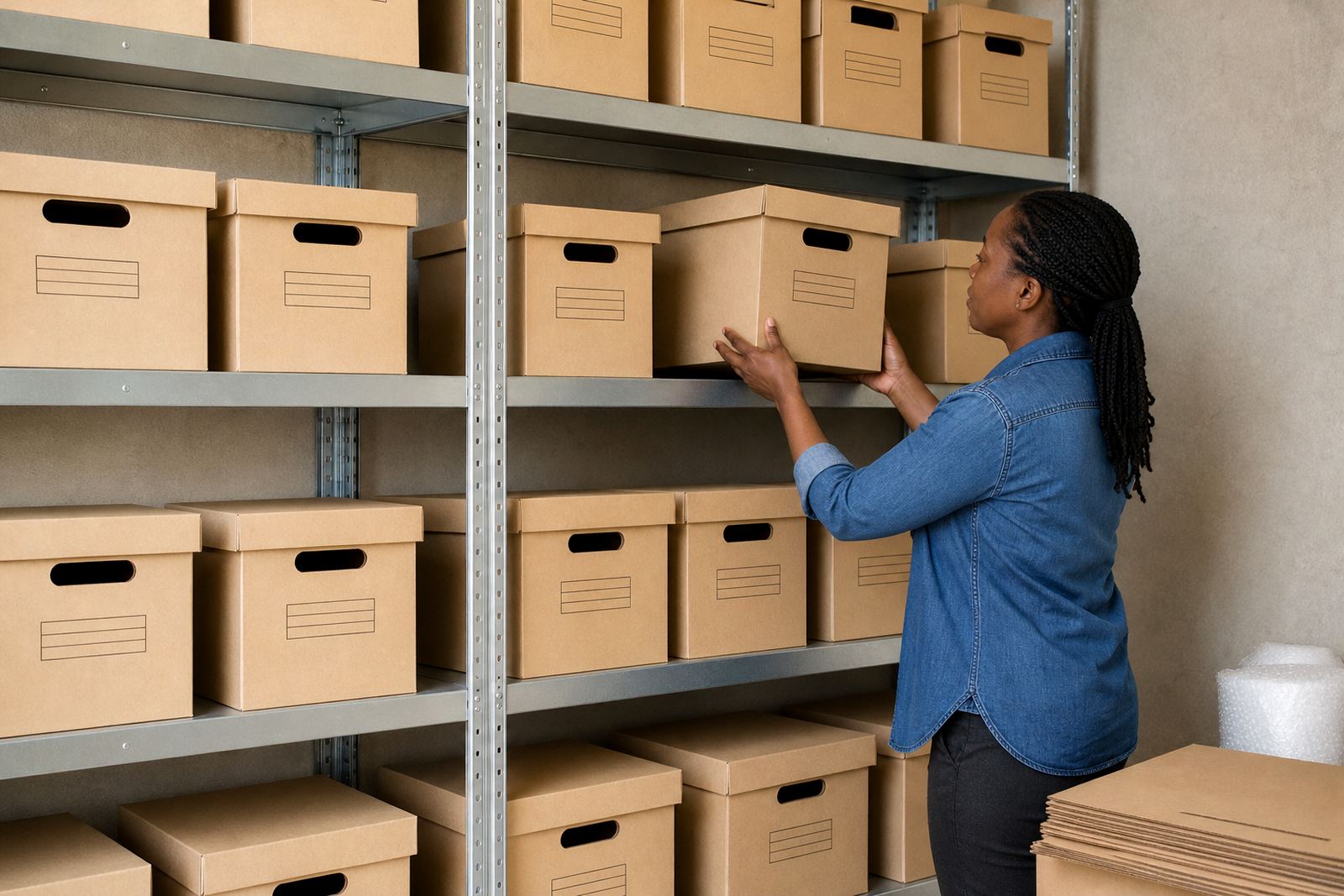
If your business keeps trading stock, spare parts, archived files or promotional items in storage, the first step is to group goods by how often they move. Fast-moving items should stay near the front of the unit, while slower stock can be placed further back. That simple habit saves time every week and makes checking quantities far easier.
Many Gauteng businesses in Midrand, Centurion and Johannesburg use storage when their offices, workshops or retail rooms get too full. The problem is usually not the amount of stock, but the way it is packed. If mixed cartons, loose labels and old paperwork all sit together, countng stock becomes messy and mistakes creep in. A clear system from day one keeps the unit useful instead of turning it into a pile of boxes.
- Group stock by product type, season or customer order category
- Keep one category per shelf, pallet or row of boxes
- Mark what is used weekly, monthly and seasonally
- Leave a clear walkway so items can be reached without moving everything
Label every carton for quick checks and easy retrieval
Good labels do more than name a box. They should show what is inside, the quantity, the date packed and the department or job it belongs to. If you run a small wholesale business in Midrand or store event stock for branches across Gauteng, this makes a big difference when staff need to locate items quickly.
Use a consistent naming style across every box. For example, do not write one carton as pens and another as stationery unless you always use the same wording. Stick to one format so anyone in the team can understand it at a glance. A short code system helps too, especially when several people access the unit over time.
- Write labels on two sides of each box
- Use bold writing that can be read in dim light
- Add a box number if the carton is part of a larger batch
- Keep a simple written or digital stock list that matches the labels
Pack by weight and frequency so the unit stays practical
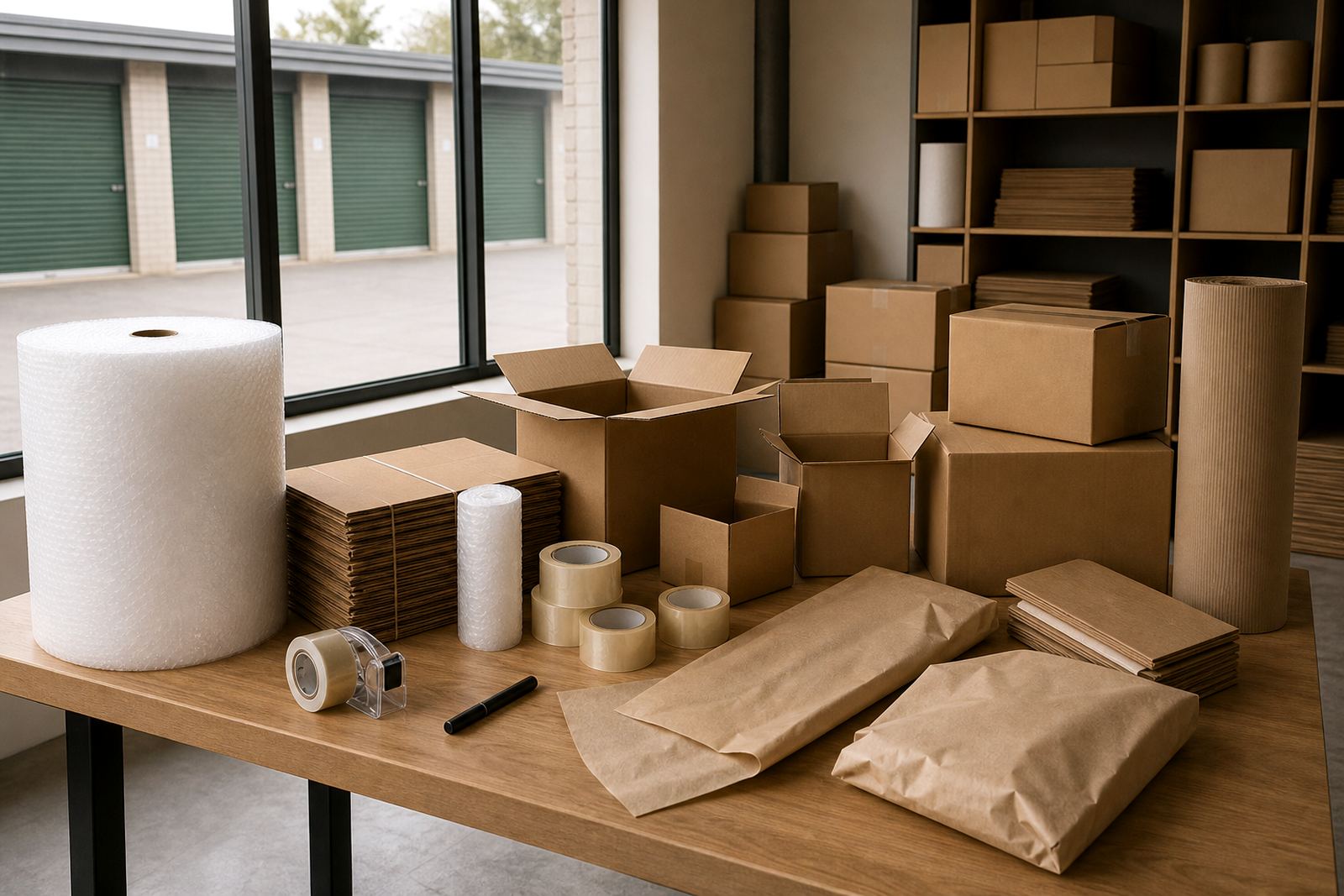
How you pack matters as much as what you pack. Heavier stock should stay lower down, with lighter goods above it. That protects the contents and reduces the chance of damaged cartons. If you store packaging material, files or small items in the same unit, place those in sealed containers so they do not get crushed or mixed up.
You should be able to enter, find what you need and leave without unpacking half the space. A practical layout also helps during wet Gauteng summers when humidity and dust can affect cardboard and paper goods.
- Do not stack heavy cartons on top of fragile items
- Use sturdy boxes for inventory that is moved often
- Seal loose items in bags or inner packs before boxing
- Leave the most commonly picked stock near the entrance
Use clear aisle space for counting and re-stocking
When stock is packed too tightly, teams waste time lifting, shifting and checking the same cartons again and again. A small aisle or access strip can save a great deal of effort. It also helps when you need to do a monthly count, prepare for a supplier delivery or pull out items for a customer order.
For businesses using self-storage in Sandton, Randburg or Edenvale, access planning matters because many operations are run by a small team. If one person can reach the full unit without calling in extra help, the storage setup is doing its job. A narrow but clear passage is often better than packing everything wall to wall.
- Keep one side of the unit for incoming stock and one for outgoing stock
- Reserve a front area for frequent pick-ups
- Never block labels with loose parcels or rubbish bags
- Recheck the layout after each delivery or dispatch run
Make monthly stock checks part of the routine
Stock organisation works best when it is maintained, not only sorted once. Set a fixed monthly check for counting, damage inspection and relabelling. This is especially useful for businesses that carry seasonal goods, office supplies or archive boxes that sit for longer periods. The goal is to spot problems early before they become expensive.
During the check, remove damaged cartons, replace weak tape and confirm that the written list still matches what is actually in storage. If a box has been moved, update the list right away. Small habits like this cut down on lost stock and make re-ordering much easier. It also keeps the unit neat enough for any team member to use with confidence.
- Count stock on the same day each month if possible
- Check for moisture, pests or crushed corners
- Update labels when item quantities change
- Remove old packing material that no longer serves a purpose
A Midrand example: stock control for a growing service business
A local business in Midrand supplying equipment and consumables to customers across Gauteng may start with stock kept in a back room, then quickly outgrow the space. Once cartons begin stacking in corners and counting takes longer than loading deliveries, moving the inventory into a self-storage unit can bring order back to the operation.
With a good storage layout, the team can keep monthly supplies together, separate returned items from new stock and prepare order batches without disturbing everything else. For a business that handles repeat deliveries between Midrand, Pretoria and Kempton Park, that kind of organisation saves time on the road and reduces picking errors. It also makes handover to the next staff member far easier, especially when the stock room is busy and someone is trying to finish a run before the afternoon traffic builds.
LastBox supports this kind of practical storage use with units for business stock, packing supplies and access arrangements across Gauteng. The aim is simple: keep your stock tidy, accessible and counted properly so your team can focus on trading, not searching.