Start with the breakables that need the most care
Before you pack anything, sort fragile items by shape and weight. Glasses, plates, mugs, picture frames, mirrors and decorative pieces all need different handling, so do not put everything into one mixed pile and hope for the best. Heavier items can crack lighter ones when a box shifts during transport or while being moved into a storage unit.
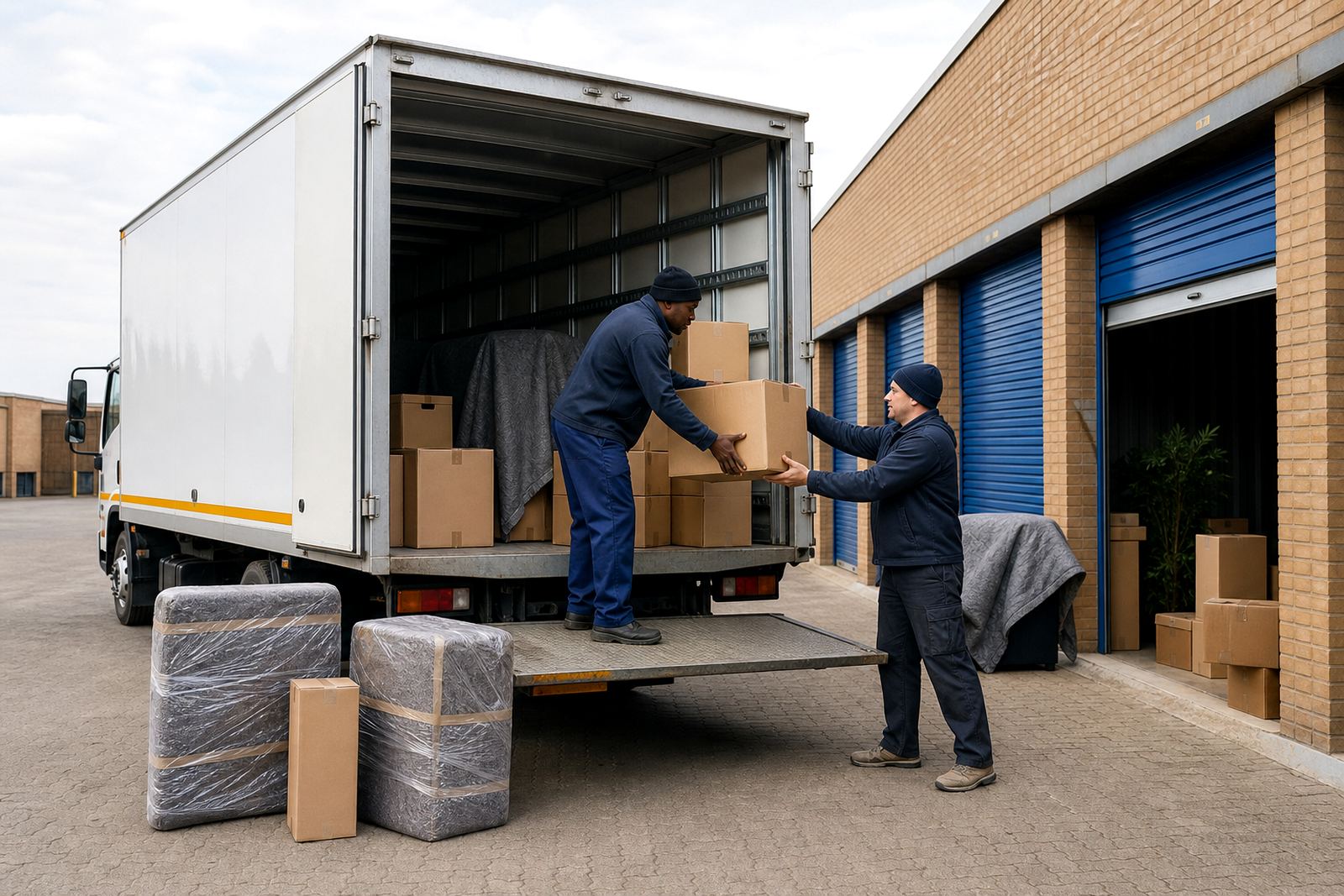
In Midrand and other Gauteng areas, storage often happens alongside a move, renovations, or business stock changes. That means boxes may sit in a bakkie, a trailer, or a unit for a few days before you return to unpack. The safer approach is to group items by fragility and use smaller boxes for the most delicate goods. A box that is too heavy gets dropped, and that is when chips and cracks happen.
- Pack plates with plates, glasses with glasses, and ornaments separately.
- Use small to medium boxes for fragile goods so they do not become too heavy.
- Keep odd-shaped items apart so they do not press against each other.
Wrap each item so it can move without touching the next one
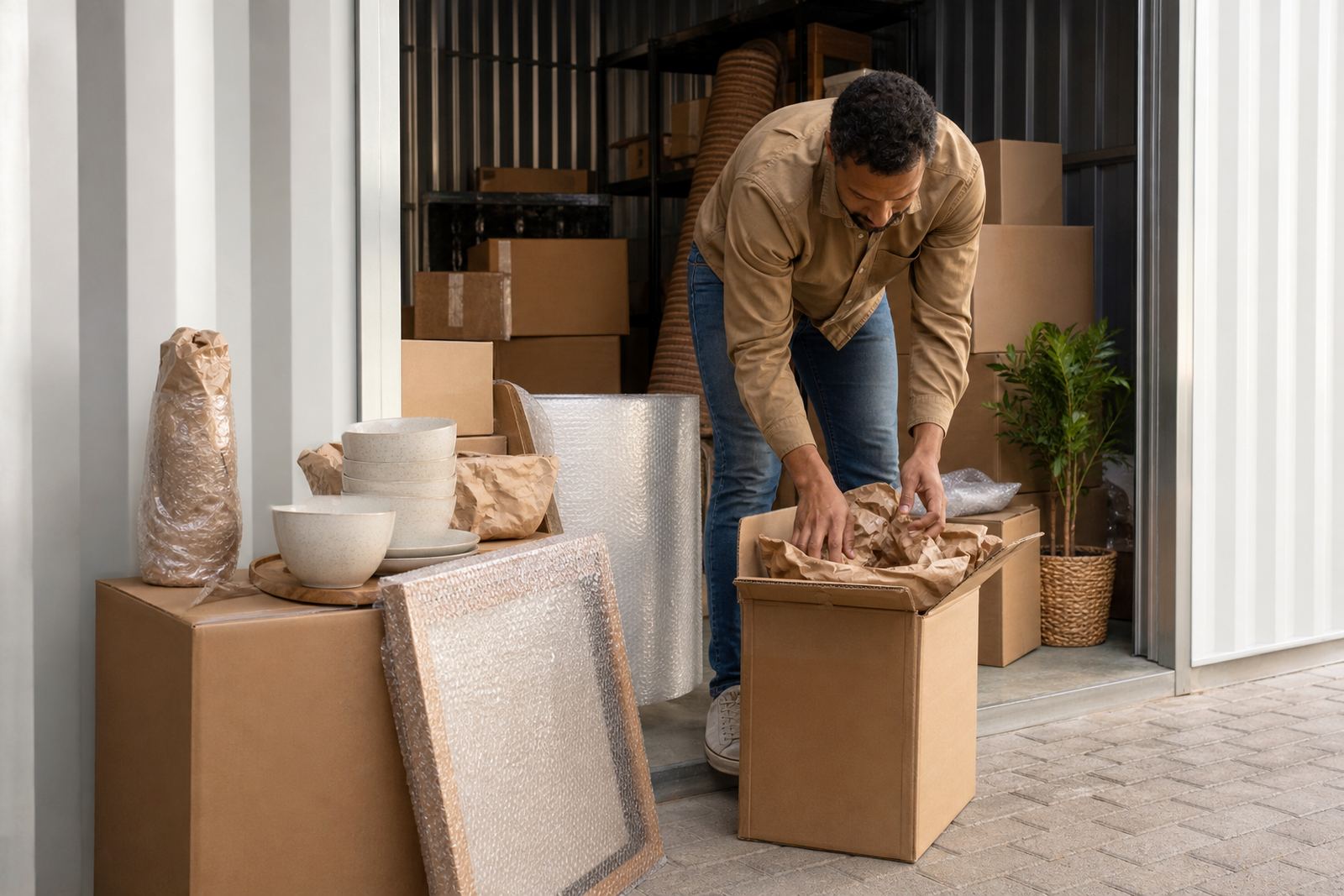
Good wrapping stops direct contact. Use clean paper, bubble wrap, or soft packing material around each item before it goes into a box. One layer is often not enough for glass or ceramics, especially if the box will be stacked in a unit. Wrap handles, rims, and corners carefully because these are the first points to take a knock.
If you are packing for storage in humid parts of Gauteng or near the coast later on, avoid wrapping items while they are still damp from washing. Moisture trapped in packaging can leave marks, odours, or even mildew on some materials. Make sure everything is fully dry first, then wrap it and seal it in the box. That extra half hour saves a lot of grief later.
- Use paper or soft wrap between each plate or glass.
- Add extra padding around corners, handles and lids.
- Do not use kitchen towels that may already be damp or used for food handling.
Fill boxes properly so items cannot shift around
Empty space inside a box is a problem. If fragile items can move, they will knock against one another when the box is lifted, turned or stacked. Fill gaps with packing paper, crushed paper, soft wrap or clean filler material. The goal is to keep each item snug without squeezing it too hard.
Boxes should close flat without bulging. If the lid is forced shut, the contents are under pressure and that can cause pressure marks or cracks. On the other hand, if the box is too loose, the contents will shift during handling. A neat, evenly packed box is much safer to store and easier to label. It also makes access easier if you need to find one item without opening every single box.
- Use filler to stop movement, not to cram more items in.
- Keep weight balanced across the base of the box.
- Close and tape boxes securely but do not overfill them.
Label every box clearly and keep a simple packing list
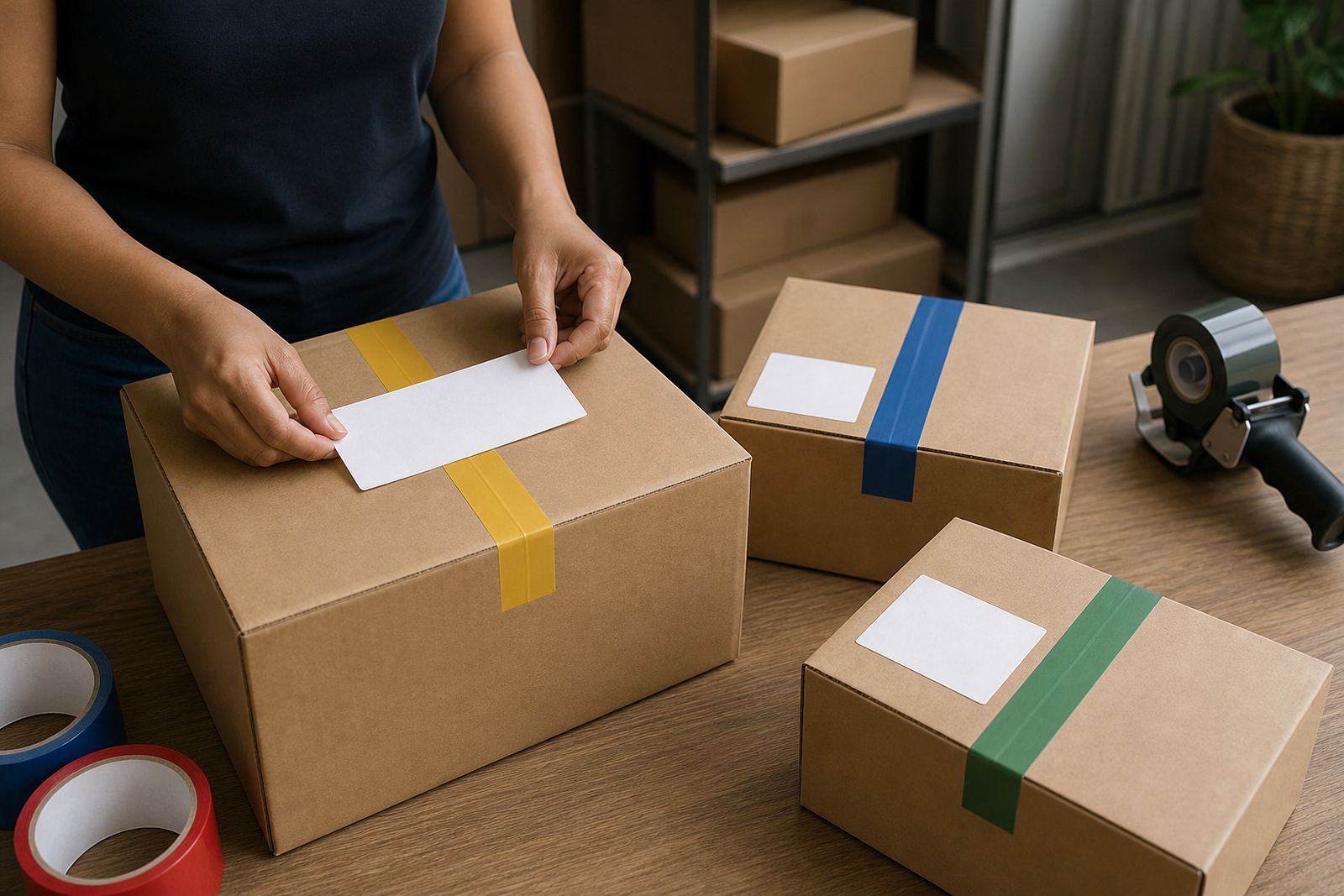
Clear labels save time when you come back to a storage unit. Mark each box with the room, the contents, and a warning such as fragile or this way up. If you are storing business stock, add a date or batch note so you can rotate items properly. A short packing list on your phone or on paper helps you remember what went where, which is useful when you are dealing with multiple boxes from a home, office, or student move.
At LastBox, customers using self-storage in Midrand, Johannesburg, Pretoria, Centurion and Kempton Park often ask for guidance on unit size and access arrangement. A neat label system helps with both. It saves you from pulling out several boxes just to reach one item, and it makes move-out planning easier if you only need a few things before the rest of the load goes out again.
- Write on more than one side of the box.
- Use a simple numbering system if you have many boxes.
- Keep one master list for breakables, documents and small valuables.
Choose the right storage conditions for sensitive goods
Fragile items are not only about breakage. Heat, damp air and poor stacking can all affect them over time. In Gauteng, storage units are often used during hot summers, school terms, office relocations and renovations, so it helps to think about airflow, clean packing, and how often you will need access. If you have mirrors, electronics, framed pieces or kitchenware, ask for advice on the best storage arrangement before you move everything in.
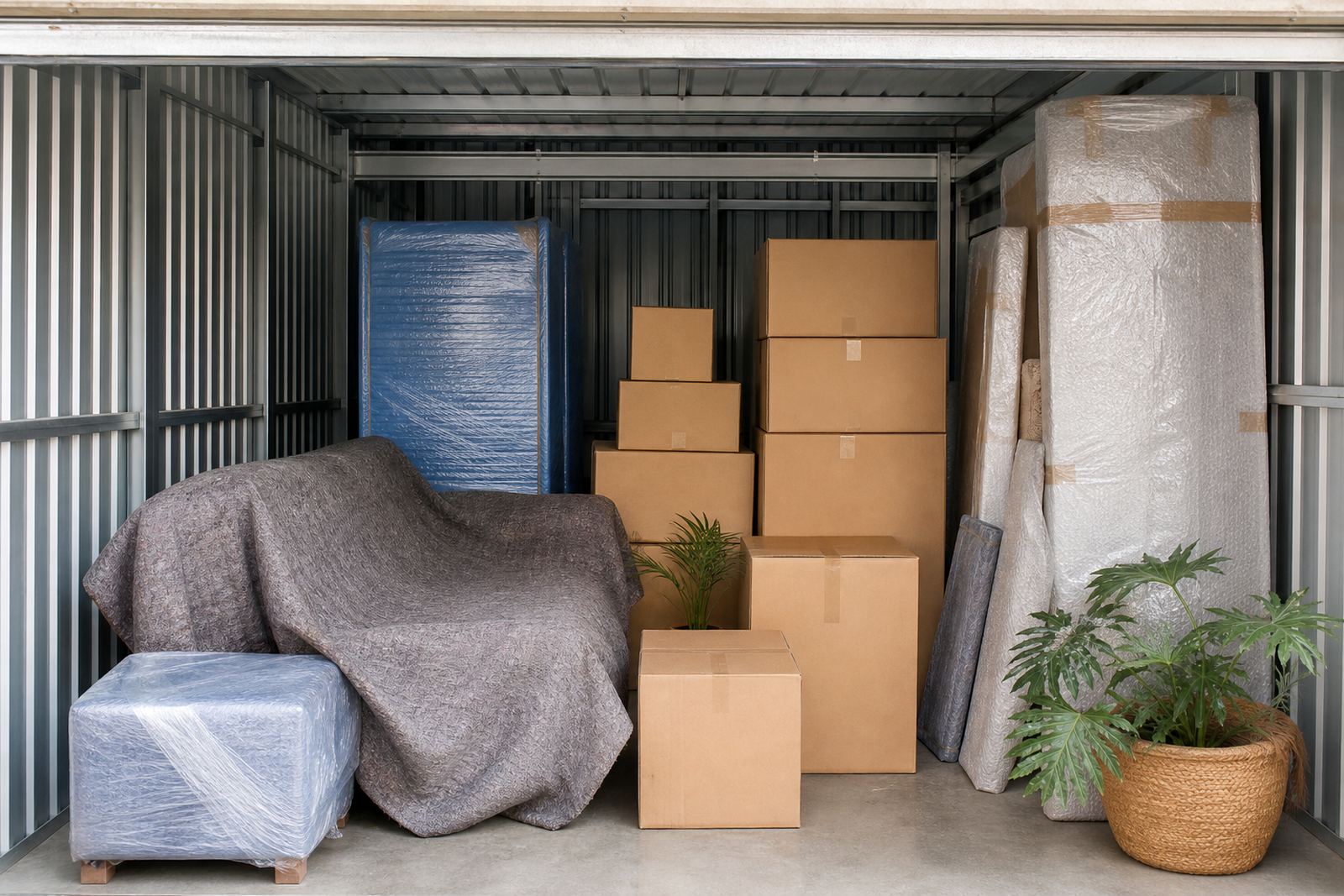
For long-term storage, keep breakables off the floor on pallets or sturdy shelving where possible. That helps protect them from dust and minor moisture issues if the weather changes. It also makes it easier to organise archive boxes, stock, or packed household goods.
- Store fragile boxes above heavy items, not under them.
- Leave a walkway so you can reach boxes without dragging others out.
- Keep delicate goods away from anything wet, sharp or oily.
Use the right supplies when you are packing for a move or a unit
Not every item needs the same packing method, so it helps to have a mix of supplies ready before you start. Strong boxes, padding material, tape, labels, markers and wrapping paper all make the job smoother. If you are moving from a flat in Sandton, a family home in Randburg, or a small office in Edenvale, having the supplies ready at the same time as the storage booking saves you from last-minute runs to buy extras.
Some customers only need a few boxes for crockery and ornaments. Others need packing supplies for archive files, stock, display items or office equipment. Packing station setup can help when there is a lot to sort through, especially for business storage or move-out planning. The main thing is to match the supply to the item. Thin boxes and loose packing are never enough for something fragile, and overpacking makes breakage more likely too.
- Use proper boxes rather than reused cartons that have softened.
- Keep tape, markers and labels close at hand while packing.
- Separate breakables from books, tools and heavy household items.
A simple Midrand example: packing crockery before storage
Take a practical local example. A family in Midrand is clearing space before a home renovation and needs to store crockery, glasses and framed artwork for six weeks. The safest plan is to wash and dry everything first, wrap each item separately, line the box with soft material, and keep plates upright rather than flat where possible. The frames should be wrapped on corners and placed in a box that does not allow them to slide around.
Once the boxes are sealed, they should be labelled, listed and moved into the unit in a way that leaves the fragile items accessible. If the family needs to collect only one or two things during storage, they will know exactly where to look. That kind of planning turns a stressful job into a manageable one, even when the move is happening between school runs, office hours and traffic on the Gauteng roads.
LastBox supports customers who need move-in support, packing supply advice, unit size guidance, access arrangement and move-out planning across the region. The aim is simple: keep your fragile goods organised, protected and easy to find when you need them.