

Start With the Last Box Plan, Not the First Load
On moving day, the biggest time saver is knowing exactly what is going into storage and what must stay close at hand. Before the truck leaves Midrand, sort items into clear groups: essentials for the new place, items for storage, and fragile pieces that need extra care. That simple step keeps you from unloading and reloading the same box twice.
If you are using a self-storage unit for the first time, speak to a storage advisor before the day starts. A quick unit size check helps you avoid turning a short drop-off into a long reshuffle. It also helps if you are storing business stock, office files or household goods together, because each group needs a different packing approach.
Pack for Fast Access, Not Just for the Van
Good packing is about what happens after the boxes reach the unit. Put heavier items at the bottom, keep breakables together and label every box on at least two sides. If you expect to visit the unit more than once, place the things you may need soonest near the front. That way you are not climbing over packed boxes to find one kettle or a file folder.
- Use strong boxes that can stack without bowing.
- Seal each box fully, especially in humid weather around Gauteng.
- Wrap glass, screens and crockery separately so one break does not spread.
- Mark boxes with room names and a short contents note, not just colour codes.
For moving day in places like Midrand or Centurion, where traffic and loading times can shift quickly, this kind of packing keeps the whole stop brief and orderly.
Keep the First 20 Minutes at the Unit Simple
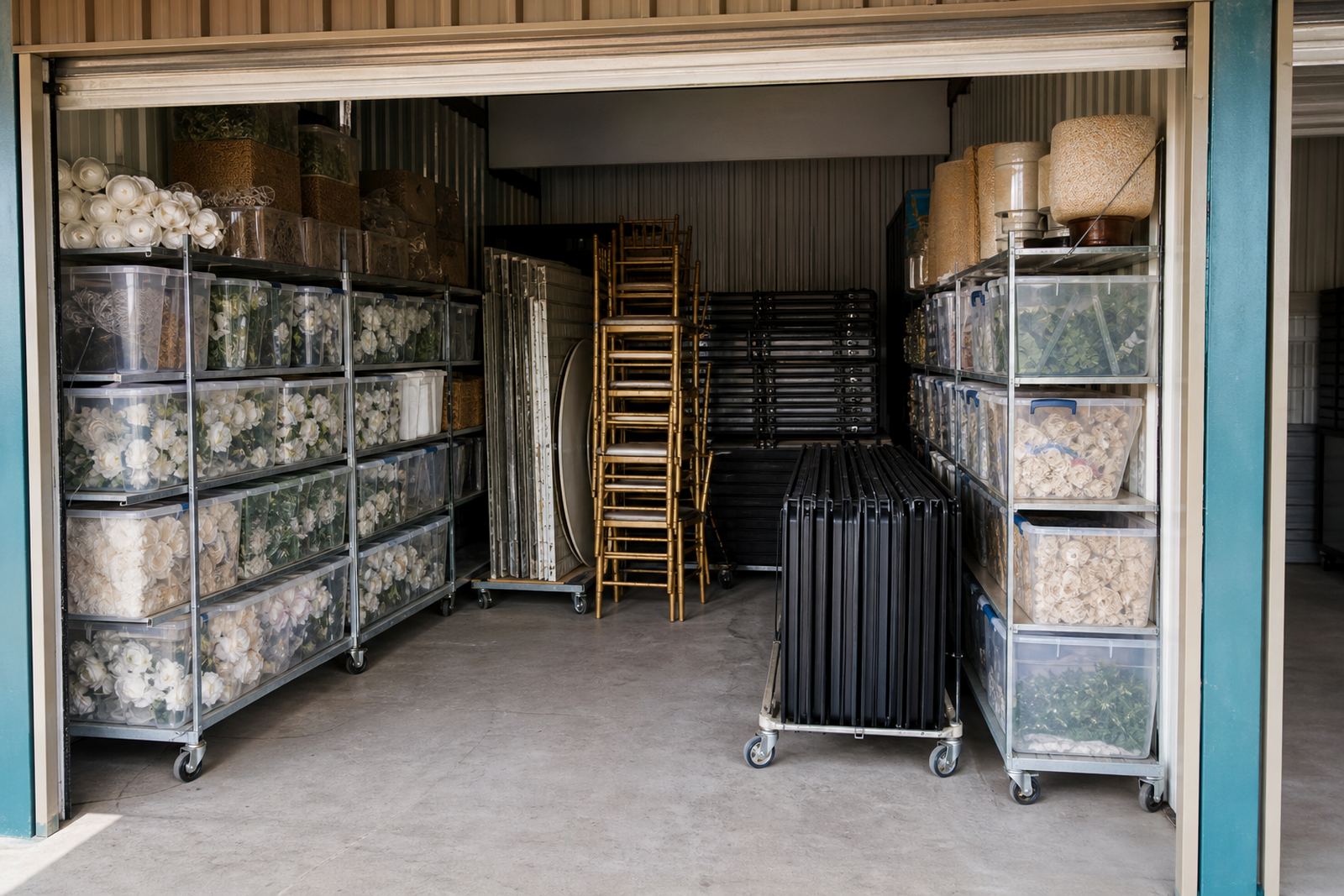
When you arrive at a storage facility, the first few minutes matter. Park so the vehicle can be unloaded without blocking others, then carry in the items you need at the back of the unit first. It sounds backwards, but it makes sense if you want regular access later. Leave a narrow aisle down the centre so you can reach boxes without taking everything out again.
Bring a basic moving kit with tape, scissors, a marker pen and a cloth for wiping dust from plastic tubs or furniture legs. On hot days in Pretoria or Kempton Park, a bottle of water and a short break also help the team keep focus.
Use the Right Boxes for the Right Job
Moving day goes smoother when packing supplies match the load. Small boxes are best for books, tools and files because they stay manageable. Medium boxes suit kitchen items and mixed household goods, while larger boxes work better for lighter soft items like linen, cushions or seasonal clothes. Do not overfill one box just because it looks like there is room. A box that is too heavy slows every part of the move.
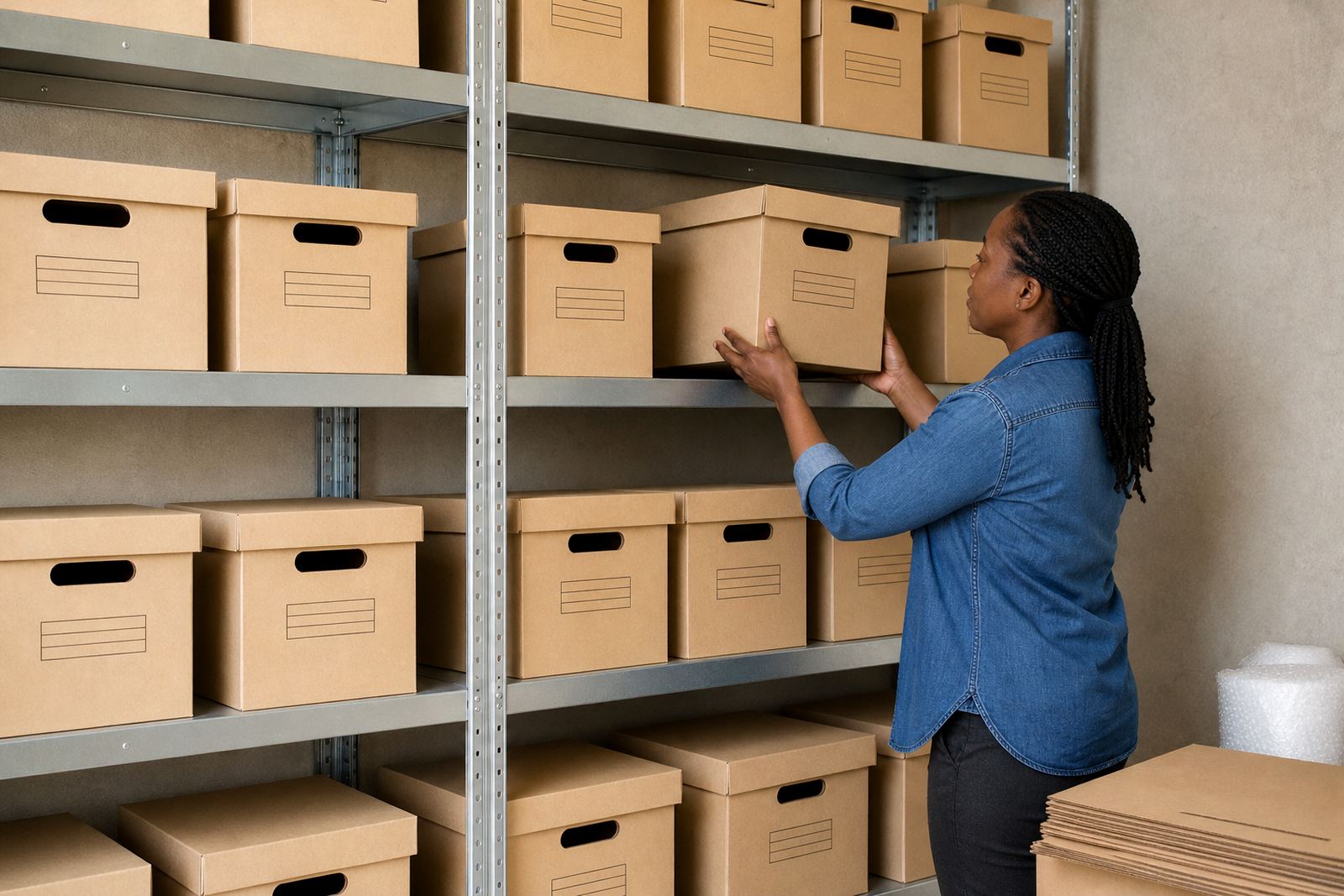
For businesses, stock organisation matters just as much. Separate archive boxes from day-to-day inventory, and keep office move supplies away from loose promotional items or spares. If you are moving a small team between Johannesburg and Midrand, label each department clearly so unpacking starts in the right order.
- Use tape to reinforce the base of each box before filling it.
- Fill empty space with paper or soft wrapping so items do not shift.
- Keep odd-shaped items together in one marked box or tub.
- Store screws, fittings and small parts in sealed bags taped to the matching item.
Plan Access Around Gauteng Traffic and Building Rules
Access planning is often the difference between a calm move and a frustrating one. If you are coming from Sandton, Randburg or Edenvale, build in extra time for traffic and parking. Some buildings and estates also have lift bookings, loading bay rules or gate procedures that can slow the move if you arrive unprepared. Check those details before the truck is loaded, not while it is waiting outside.
At a self-storage site, ask about access arrangement early if you know you will be arriving with a large vehicle or a full load. Clear routes, proper parking and a unit that is easy to reach can save a lot of strain on the day. A few minutes of planning up front usually beats a rushed unload at the end of a long afternoon.
Think Ahead If You Are Moving Home and Business at Once
Many Gauteng customers use storage for a mix of reasons at the same time. A family might be moving home while also keeping office equipment, student boxes or business stock in storage for a few weeks. In that case, sort by use case first, not by room. Keep the items you may need for work separate from the personal items you will not need immediately.
Move-In Support and Unit Size Guidance can help here, especially if you are unsure whether to keep documents, samples or surplus stock in one unit or split them across two. For a small business in Midrand, that could mean keeping archive files near the front and packing station supplies in a separate marked area. It is a simple system, but it saves time when orders come in or a client needs a file fast.
Finish the Day With a Clear Exit Plan
The last part of moving day is usually the most tired, so make it easy on yourself. Before you lock the unit, check that nothing fragile is exposed, that the aisle is clear and that the heaviest boxes are stable. Take a quick look at the outside of the unit too, because one forgotten strap or loose packing wrap can become a nuisance later.
If you are planning a move-out in stages, leave a note in your own files with what went into storage and when. That helps with decluttering support, archive planning and later collection. A good storage visit should not feel like a second move. It should feel like the place where the rest of the move finally makes sense.