
Start with the right packing area
Before you wrap anything, clear a clean surface with enough space to sort items by type. A dining table or kitchen counter works well, as long as it is dry and free of grit that can scratch glass or polished surfaces. In Midrand and other Gauteng areas, dust can build up quickly, so wipe the area first and keep packing materials within reach.
Set out your boxes, wrapping paper, bubble wrap, tape, markers and dividers before you begin. It helps to work in small batches rather than trying to wrap everything in one go.
- Use a flat clean surface
- Keep tape and markers close by
- Sort items by size and fragility
- Check for chips, hairline cracks and loose handles
Choose wrapping that suits each item
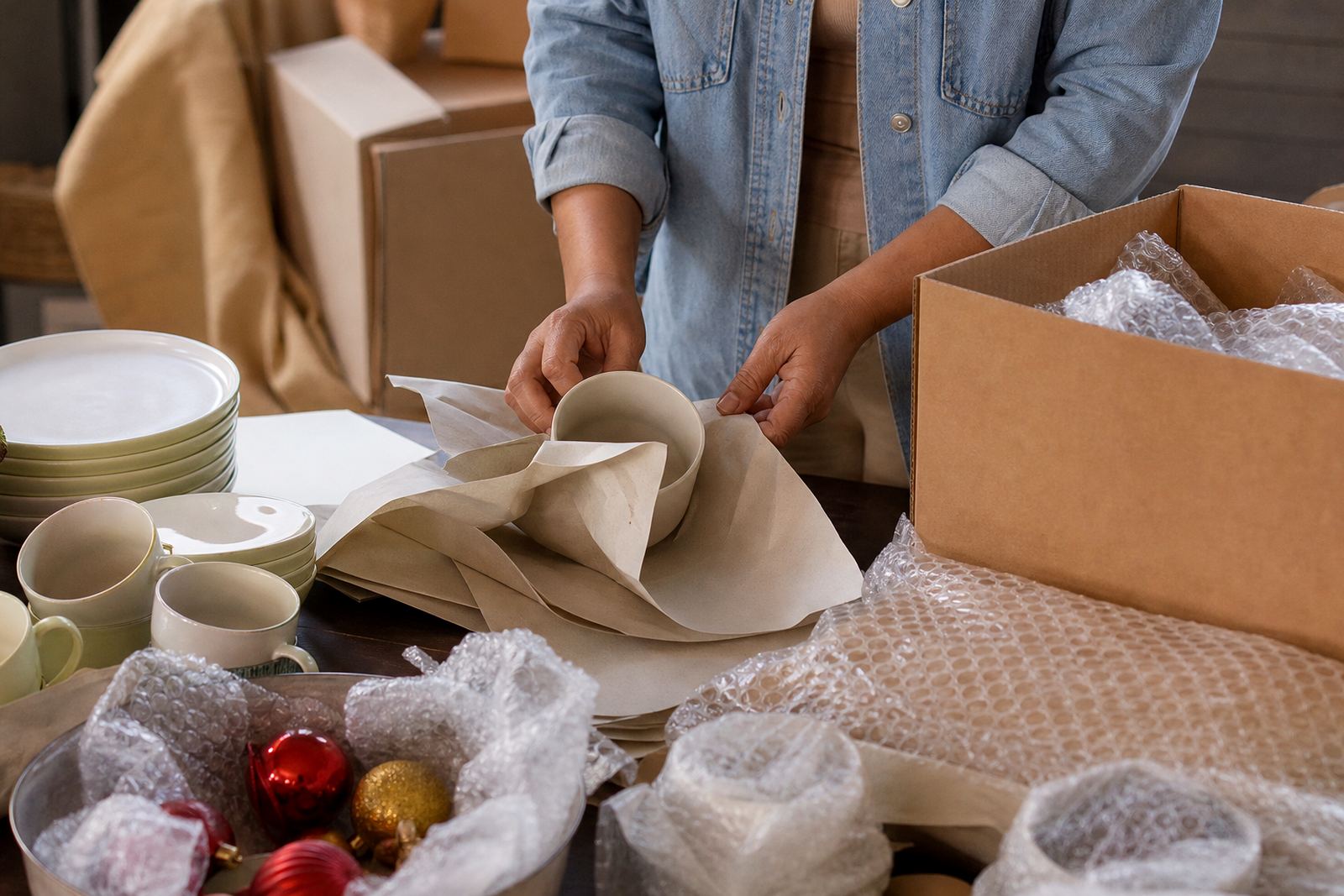
Not every fragile item needs the same treatment. Glasses, bowls, vases and picture frames all need different levels of support. Softer paper is useful for first layers because it prevents scratching, while bubble wrap adds cushioning for breakable pieces and heavier decor.
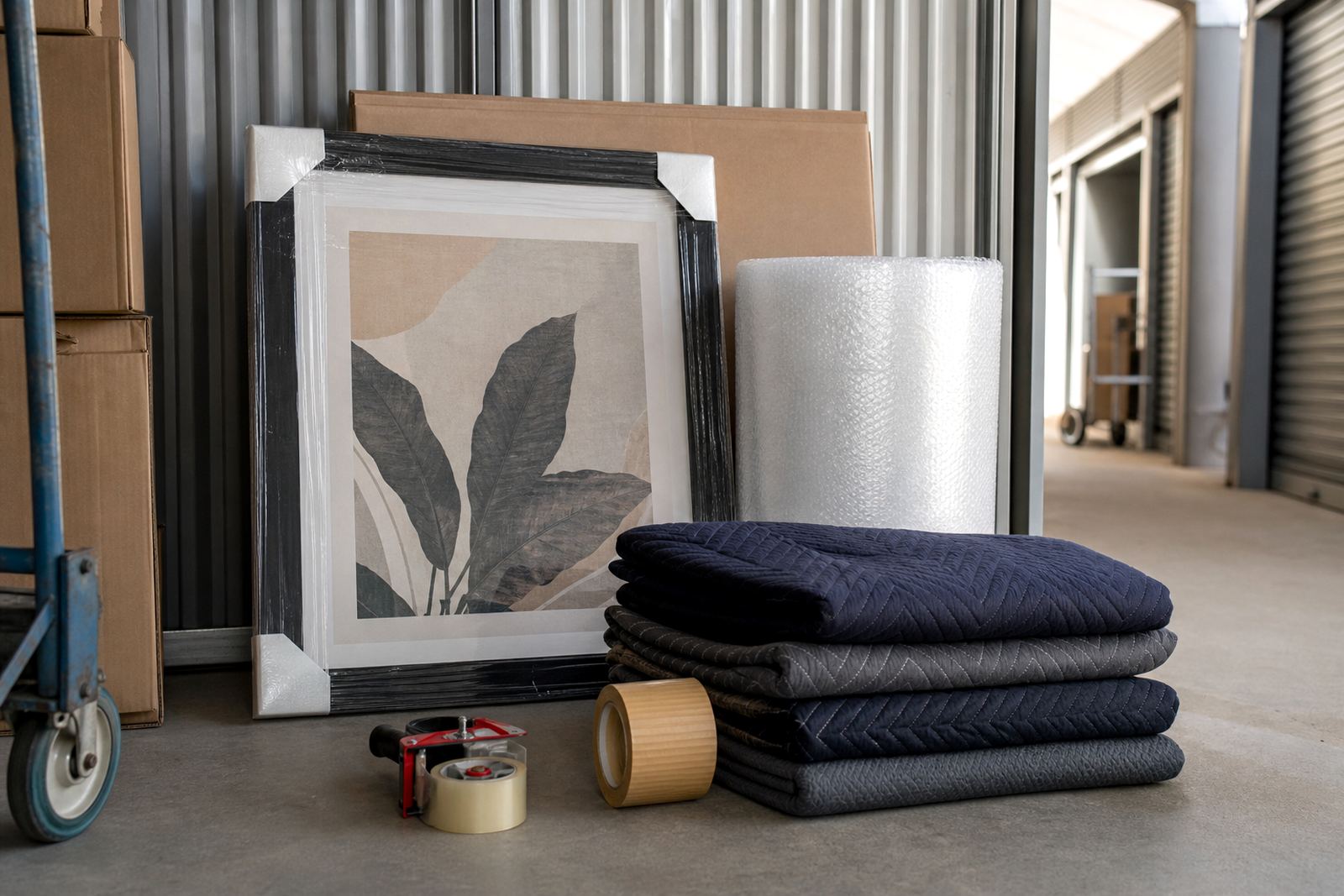
For cups and glasses, wrap each piece individually and tuck paper inside hollow spaces so they do not knock together. For plates, stack only a few at a time with paper between each one. For mirrors and framed prints, protect the corners first, then add a full layer around the front and back. If you are storing items in humid parts of Gauteng, make sure everything is dry before wrapping, otherwise trapped moisture can leave marks.
- Wrap each item on its own
- Use paper first, then cushioning where needed
- Protect corners on frames and mirrors
- Do not wrap damp items
Use separation inside the box
The most common packing mistake is letting fragile goods touch each other inside the box. Use crumpled paper, cardboard inserts or dividers to keep items apart. This matters for crockery, ornaments and small kitchen pieces, because movement during travel can cause edges to chip.
Line the bottom of the box with a soft layer first, then place heavier wrapped items lower down and lighter items on top. Fill any empty gaps so nothing shifts when the box is lifted. If the box still feels hollow, add more padding rather than closing it as is. A packed box should feel snug, not jammed tight.
- Separate items with paper or dividers
- Keep heavy pieces at the bottom
- Fill gaps so items cannot slide
- Test the box by gently moving it side to side
Pack by room or by item type
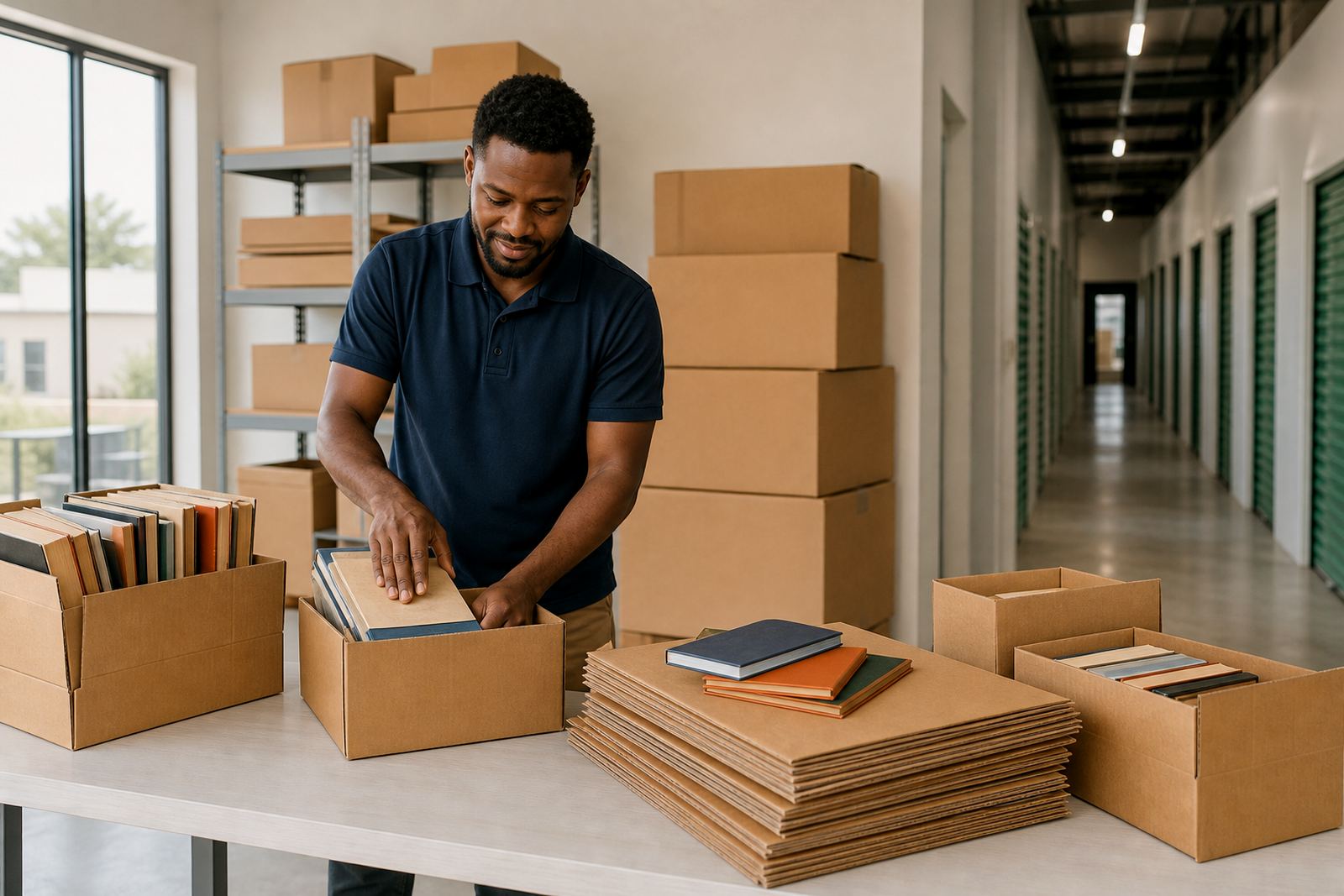
When you group fragile goods in a sensible way, unpacking becomes far easier. For a home move, keep kitchen glassware together, decor together and bathroom items together. For a business, separate archive boxes, display stock, equipment accessories and breakables used for presentation or packing stations.
Label each box clearly on the top and at least one side. Write what is inside and whether it needs to stay upright. This is useful for self storage too, because staff and customers can see at a glance what belongs where. If a box contains especially delicate items, mark it so it is handled with care when moved into a unit or vehicle.
- Group items by room or category
- Label boxes on more than one side
- Mark boxes that must stay upright
- Keep delicate stock separate from general goods
Make the box secure before sealing
Once the box is full, close it without forcing the flaps down hard. If it bulges, remove a few pieces and add more padding, because crushed tops can transfer pressure to the contents below. Seal the bottom and top with strong tape, running it across the centre seam and along the edges for extra hold.
For heavier delicate items, double tape the base and check that the box can carry the load before you lift it. A weak box may seem fine in the house but fail when it is moved from a storage unit to a bakkie or van. When boxes are sealed well, they are easier to stack and keep cleaner in storage.
- Close flaps without forcing them
- Repack if the box is bulging
- Tape the base and top properly
- Check the box before lifting
Store fragile goods correctly in a unit
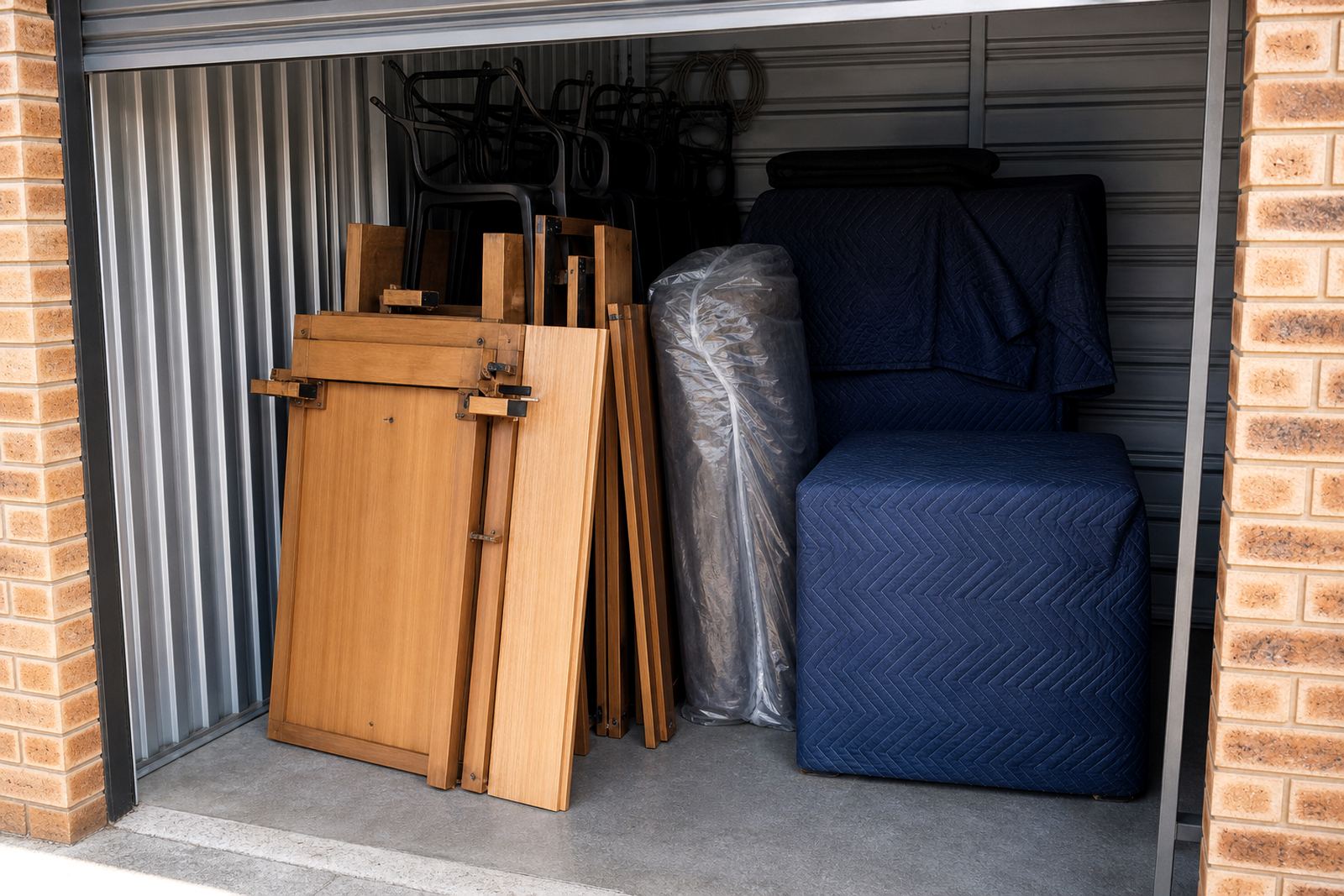
If your packed items are going into self-storage, place fragile boxes above heavier cartons and keep them off damp floors with pallets or shelving where available. Leave a small walkway so you can reach items without shifting everything around. In Midrand and coastal parts of Gauteng, humidity and dust can affect packaging over time, so the unit should be kept neat and dry.
Avoid stacking very heavy boxes on top of glassware or framed items. Put the items you may need first near the front, and store long-term pieces toward the back. If you are keeping business stock, archive files or office move items, group them by access frequency so you do not have to unpack the whole unit just to fetch one box.
- Keep fragile boxes above heavier ones
- Use pallets or shelving if available
- Leave a walkway for access
- Store frequently needed items near the front
Final check before sealing the load
Before the boxes leave your home or business, do one last check. Shake each box lightly to listen for movement, then open it and add padding where needed. Check that lids, handles and corners are secure, and that nothing is protruding through the tape.
If you are moving several fragile boxes together, keep them in one area so they can be loaded carefully and unloaded in order. This saves time during move-in support, storage access arrangement and move-out planning. A few extra minutes spent checking now can prevent broken pieces later, and that is worth it when you are packing anything valuable or awkward to replace.
- Listen for movement inside the box
- Add padding if anything shifts
- Check corners, handles and tape
- Keep fragile loads together for easier handling