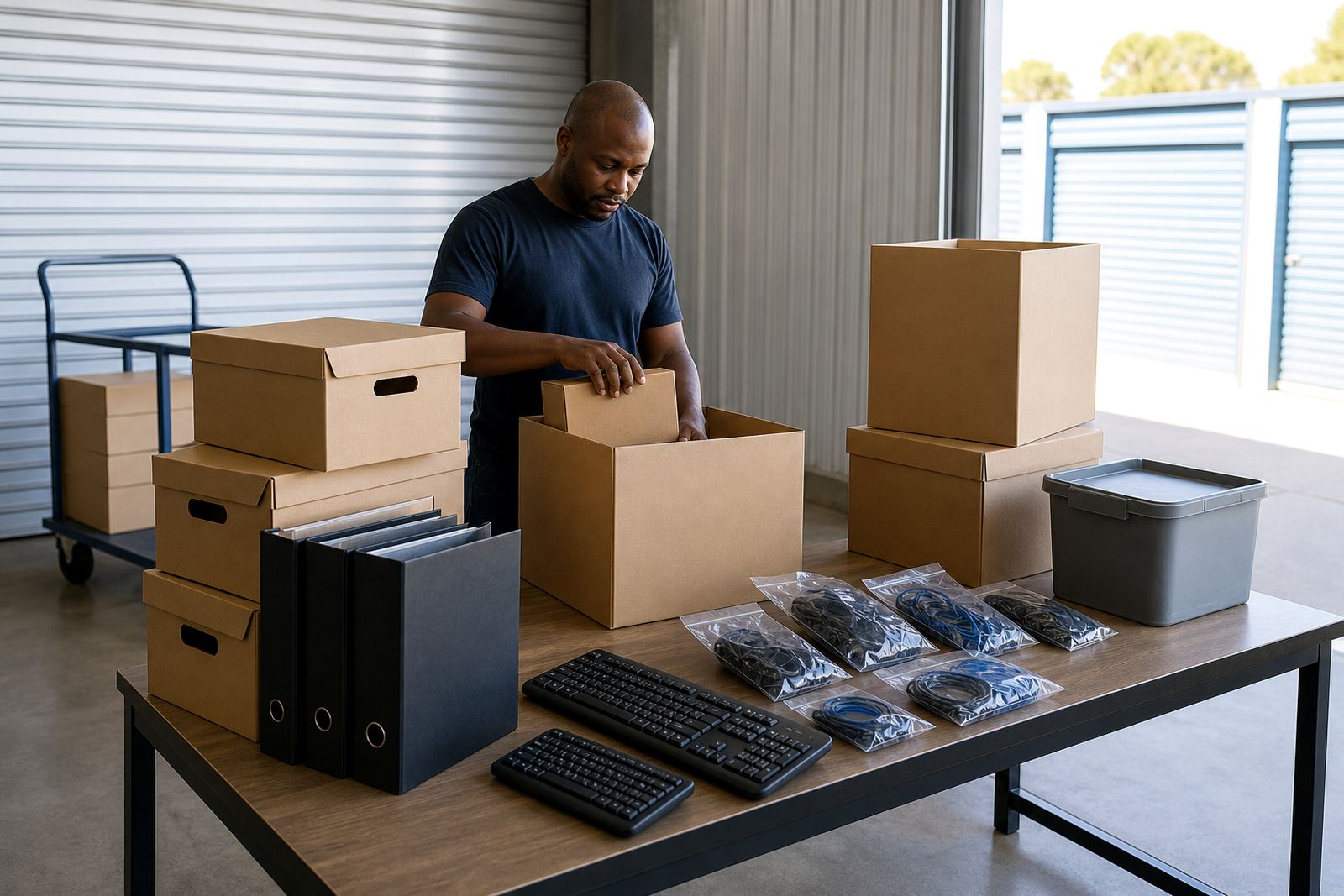
Start with a room-by-room pack plan
Before anything goes into a box, walk through the office and sort items by use and location. Keep current files, archived records, stationery, computer accessories and shared equipment in separate groups so each box has one clear purpose. That makes unpacking quicker and helps staff find what they need when the first workday starts in the new space.
Label each area by department or function, then decide what should travel with the team and what can go into storage for a few weeks or months. If you are handling a move in Midrand or Gauteng-wide, this step matters even more when access times are limited and loading bays are booked by the hour.
- Sort items into keep, store, shred and discard
- Set aside essentials for the first 48 hours
- Mark priority items for fast access at the new site
- Identify anything sensitive that needs locked storage
Pack files and paperwork so they stay usable
Files are usually the first things to go missing in a rushed office move. Use strong boxes that can take the weight of paper and do not overfill them. Keep active files upright where possible, and pack archived records in a way that matches your filing system so boxes can be checked against a simple list.
For offices in Sandton, Randburg or Centurion, where space is tight and staff may need quick access during the move, use clear box labels on two sides and on the top. A short contents note, such as finance 2024 or HR archive, is usually enough. Avoid mixing invoices, client records and general admin in the same box if those files will be needed at different times.
- Use small to medium boxes for paper files
- Keep confidential files sealed and clearly marked
- Group by year, department or project
- Store a master list of box contents separately
Protect stationery, cables and small equipment
Stationery, chargers, cables, headsets and other small office items often create the most frustration because they disappear into unlabelled boxes. Pack them in smaller cartons or plastic containers with divider bags if needed. Keep like items together, such as pens with pens, adapters with adapters, and staplers with related supplies.
Wrap fragile items like monitors, printers and small equipment with packing paper or bubble wrap, then fill empty spaces so nothing shifts in transit. In places like Kempton Park and Edenvale, dust and road vibration can be an issue on longer routes, so tight packing helps. Label each box with the equipment type and which team it belongs to.
- Use cable ties or reusable bands for cords
- Put screws and fittings in marked envelopes
- Remove ink or toner where recommended by the equipment maker
- Wrap screens and glass items separately
Set up a clear system for labels and access
A good label system saves hours on move day. Number every box, write the department name and add a short contents note. If boxes will go into self-storage before the final office handover, note whether they are quick access, archive, or long-term storage. That helps when you need to retrieve something without opening everything.
LastBox clients often ask for access arrangement guidance when they are moving between business premises or setting up temporary overflow storage. If you are packing around municipal move-out rules, building access windows or security checks, keep your most important items near the front of the load and mark them clearly. It keeps the process organised and reduces delays.
- Use one numbering system across all departments
- Mark fragile, confidential and urgent boxes clearly
- Keep a digital or printed box register
- Separate daily-use items from archive boxes
Use storage for overflow during the move
Not every office item needs to move straight into the new premises. Self-storage can help with excess stock, old furniture, records, seasonal equipment and boxed items that are not needed immediately. This is useful for businesses in Pretoria, Midrand and Johannesburg when lease dates do not line up perfectly or when a phased move is planned.
Choose a unit size that suits the volume you need to store, then stack boxes carefully so frequently needed items stay near the front. If the office is on a tight schedule, move non-essential stock and archive boxes first, then bring in day-to-day supplies once the new workspace is ready.
- Store archive boxes separately from active stock
- Keep an aisle clear for access to the back of the unit
- Place heavier boxes at the bottom
- Use pallets or off-floor storage where needed
Final checks before the truck leaves
On the last day, do one full walkthrough with the packing list in hand. Check drawers, cupboards, storage rooms and shared areas so nothing is left behind. Confirm that IT items, keys, access cards and critical documents are with the right person. A few minutes of checking now is better than a long search later.
Ask one person to sign off the box count and another to confirm the load order. If you are using packing supply advice or move-in support through LastBox, you can also plan which items should go into storage, which should stay with the team and which can be unpacked later. That keeps the move practical and keeps the office working sooner.
- Check all rooms before the final lock-up
- Count and confirm priority boxes
- Keep essential documents in one secure bag or box
- Leave a simple unpacking list for the new site
A simple office packing checklist
Use this checklist as a final guide before moving day. It works well for small offices and larger teams across Gauteng, whether you are moving from a shared space or relocating a full branch. The aim is to keep items organised, protected and easy to trace from start to finish.
- Files sorted by department and year
- Stationery packed in labelled boxes
- Cables and accessories tied and bagged
- Equipment wrapped and marked as fragile
- Archive boxes listed for storage or later access
- Keys, cards and critical paperwork kept separately
- Unpacking plan ready for the new premises
If your office needs extra space during the move, LastBox can help with unit size guidance, access arrangement and business storage support through the enquiry form on the contact page.