
Start with a simple unit plan before the van arrives
Before moving a single box, decide what must go in first and what must stay near the front. A good layout starts with the items you will not need for a while at the back, then works forward to the things you may collect more often. That way you avoid unpacking half the unit just to get one file box or toolbox.
In Midrand and across Gauteng, many customers use storage while moving between suburbs, managing stock, or making space at home during renovations. If you are storing for business, it helps to group items by use, for example archive boxes together, spare fittings together, and display material together. Keep a small open path if the unit size allows it, so you can reach items without shifting everything around.
- Sort items into keep, store, move soon and donate
- Separate fragile items from heavy ones before loading
- Put a list on your phone or clipboard for quick checks
- Keep essentials close if you expect regular access
Load heavy items first so the base stays stable
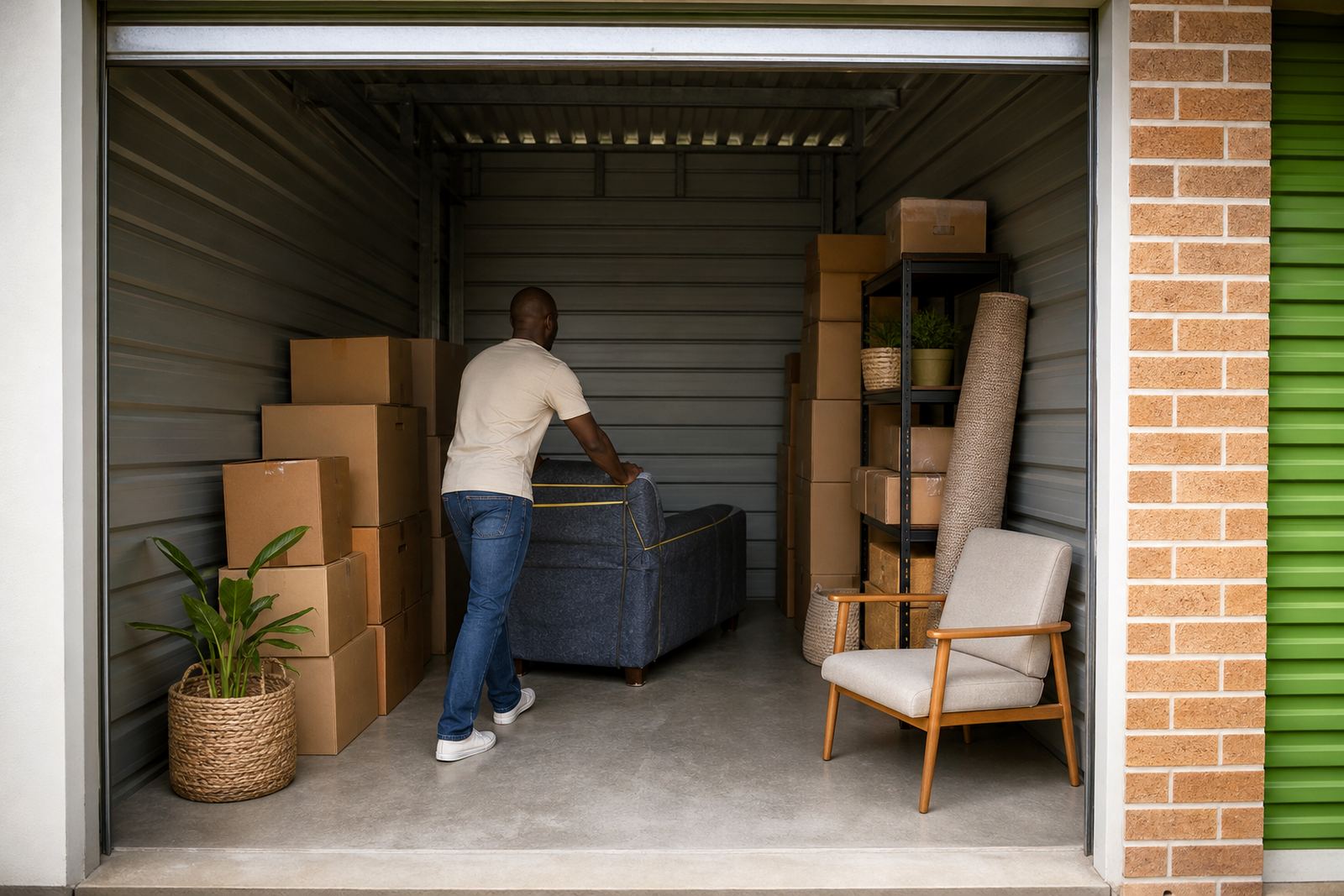
Heavy items belong on the floor of the unit, not on top of light cartons. Start with furniture, boxed tools, printers, appliances and sealed plastic tubs. Place them against the back wall first, then build across the unit side to side. If you are storing in a coastal area or keeping items for longer periods, lift things slightly off the floor with pallets or stands where possible to reduce damp risk.
Boxes should never carry too much weight. Small, strong boxes are better than one overpacked carton that buckles later. Label each box on at least two sides and write the room or category clearly. A quick note like office files, kitchenware or spare stock makes loading and unpacking much easier. A little care here saves time later, and less damage too.
- Place the heaviest boxes on the bottom row
- Keep fragile items above waist height
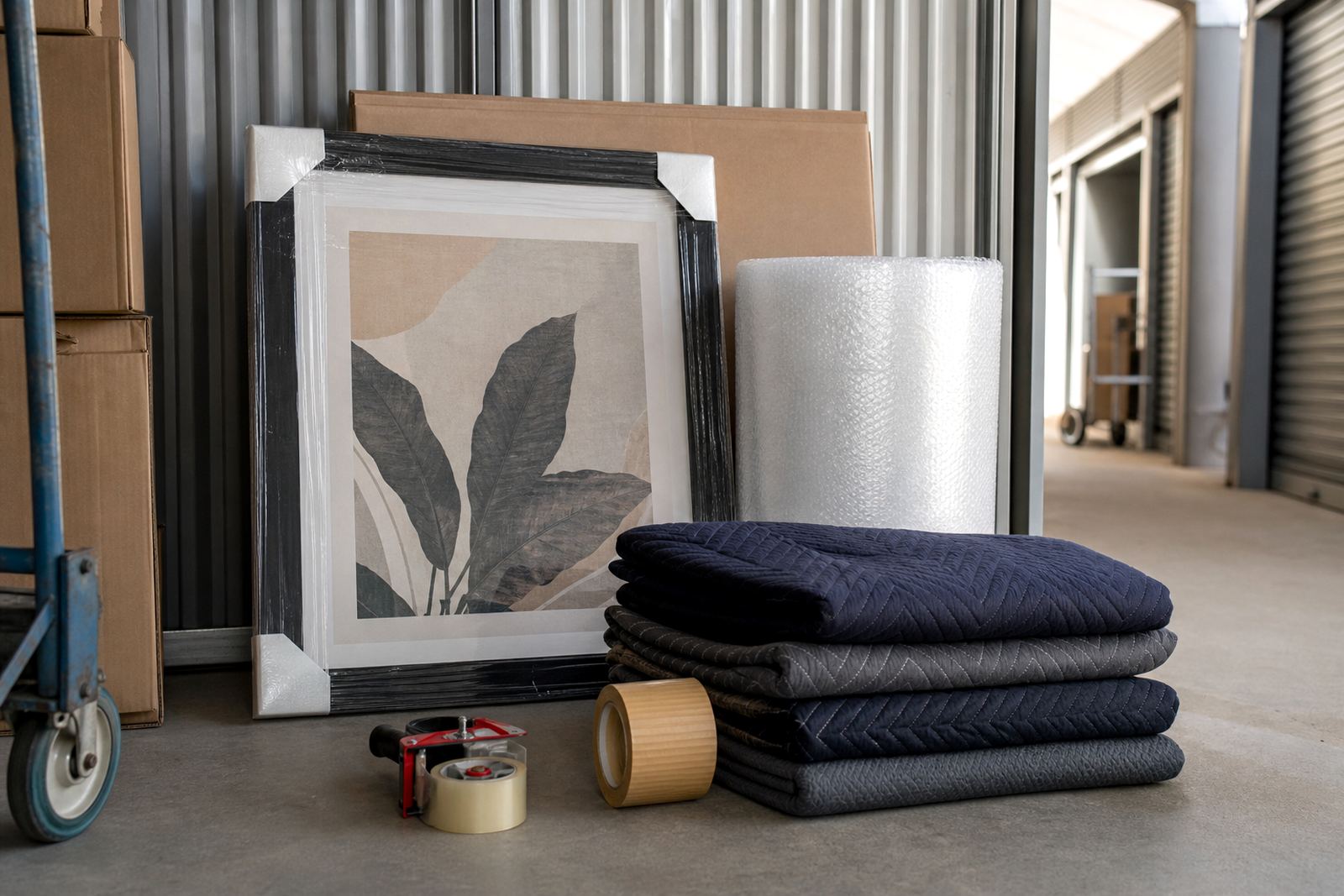
- Use blankets, cardboard or wrapping between hard surfaces
- Stack square items neatly rather than in loose piles
Keep frequent-access items where you can reach them fast
If you know you will need certain items often, plan for them from the start. Put those items near the entrance, in a clear section that does not require moving every box in front of it. This is useful for student storage, business files, sales stock and seasonal equipment.
A simple access zone works well: items used monthly go nearest the front, items used weekly stay within easy reach, and long-term storage goes deeper inside the unit. Leave enough standing space so you can open boxes without crouching around stacked items. If your storage plan includes office move support or archive planning, group documents in labelled rows by year, client or project. That small bit of order pays off later.
- Keep a clear aisle if the unit size allows it
- Store high-use stock or tools near the door
- Use colour codes or bold labels for fast identification
- Place a small box of essentials at the front
Use packing supplies that suit the load, not just the item
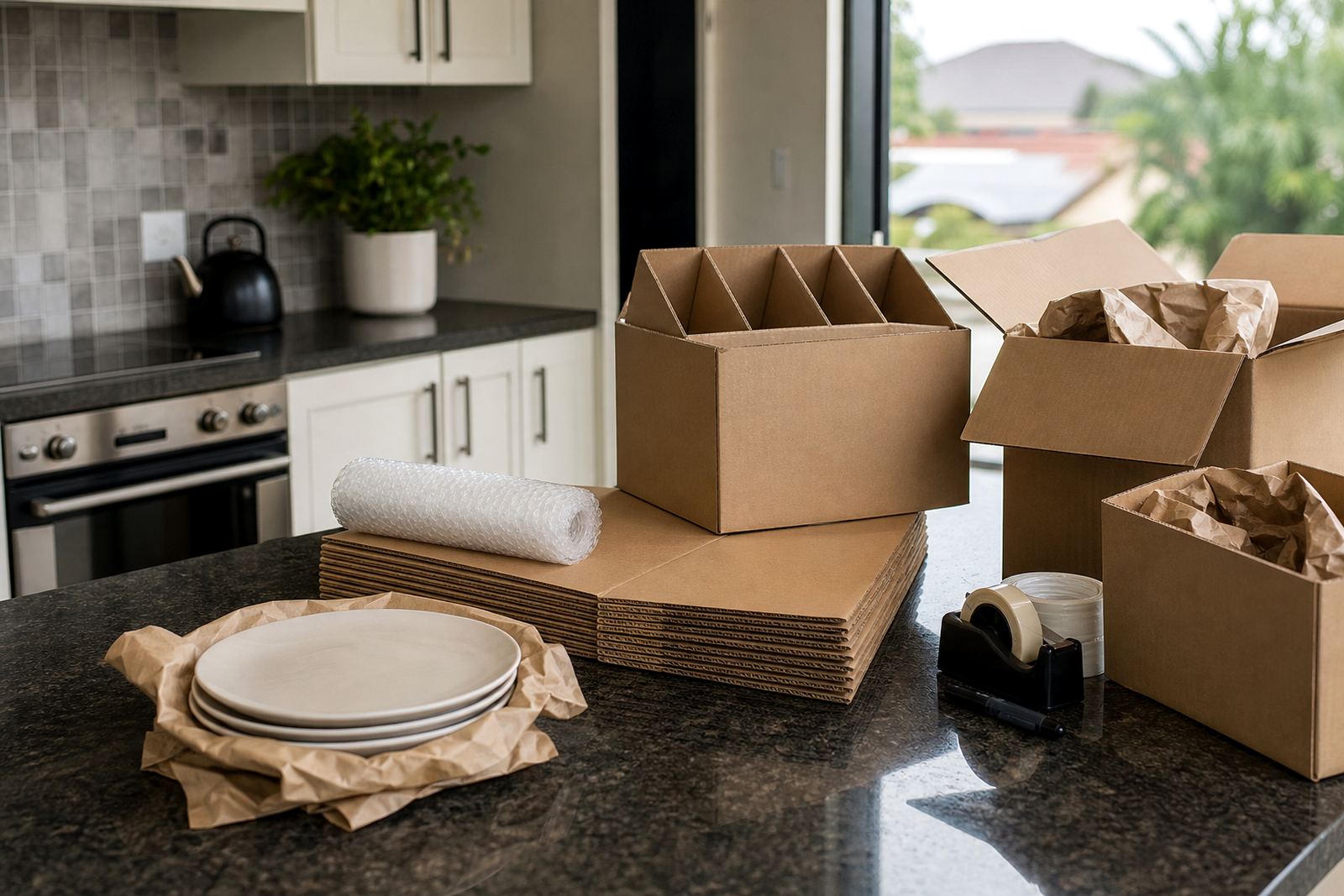
The right packing supply makes loading easier and safer. Strong cartons, wrap, tape, markers and covers all help prevent shifting during transport and stacking. If you are packing books, files or canned stock, use smaller boxes so the weight stays manageable. For linen, cushions and soft household items, larger boxes or bags can work well as long as they are sealed and labelled. When boxes are filled properly, they sit better and less is wasted in the unit.
Moving boxes should be clean, dry and firm enough to keep their shape. Avoid weak cartons that bow in the middle because they collapse when stacked. For items that can scratch, such as mirrors, frames or appliance parts, use padding between layers. If you are organising a packing station for a business move, set out tape, markers, labels and wrapping in one place before the team starts. That saves time and keeps the loading line moving.
- Use small boxes for books and files
- Use larger boxes for light, bulky goods
- Wrap sharp or fragile corners before stacking
- Seal boxes fully so dust does not get in
Make room for cleaning, checking and future visits
A unit should not be packed so tightly that you cannot inspect it. Leave enough space to walk in, check for movement and lift items out without dragging them across the floor. This matters in shared storage areas where customers may need access at different times, and it also helps with long term keeping during humid weather or dusty conditions.
Check that the items at the back are not pressing against the wall too hard and that nothing blocks the door track or handle. If you are storing business stock, keep the most active lines at the front and the slower-moving stock deeper inside. For households, place seasonal boxes, camping gear and spare furniture toward the back, while daily-use items stay closer to the entrance. A tidy unit is easier to maintain and quicker to use.
- Leave space to open boxes without pulling everything out
- Check labels from the front before adding more items
- Keep the floor clear of loose wrap, tape and offcuts
- Use the same layout each time you add more storage
A practical loading check for moving day
Before you lock the unit, do one last check from front to back. Heavy goods should be low and stable, fragile items should be protected, and anything you may need soon should be visible. If you are loading after a house move, office move or stock delivery, take a few minutes to note what went in and where. That habit avoids confusion later, especially when several people are helping.
It is also worth checking that doors, lids and drawers are closed properly, cords are tied back and loose fittings are packed together in one clearly marked box. Keep valuables and important documents separate from general storage, and make sure the unit plan suits the way you live or work. A well loaded unit is not just neat, it is practical every time you return.
- Confirm the front access items are easy to see
- Check that nothing can tip when the door opens
- Keep one note of what went in and when
- Remove empty cartons and packing waste after loading