

When the new keys are not quite ready
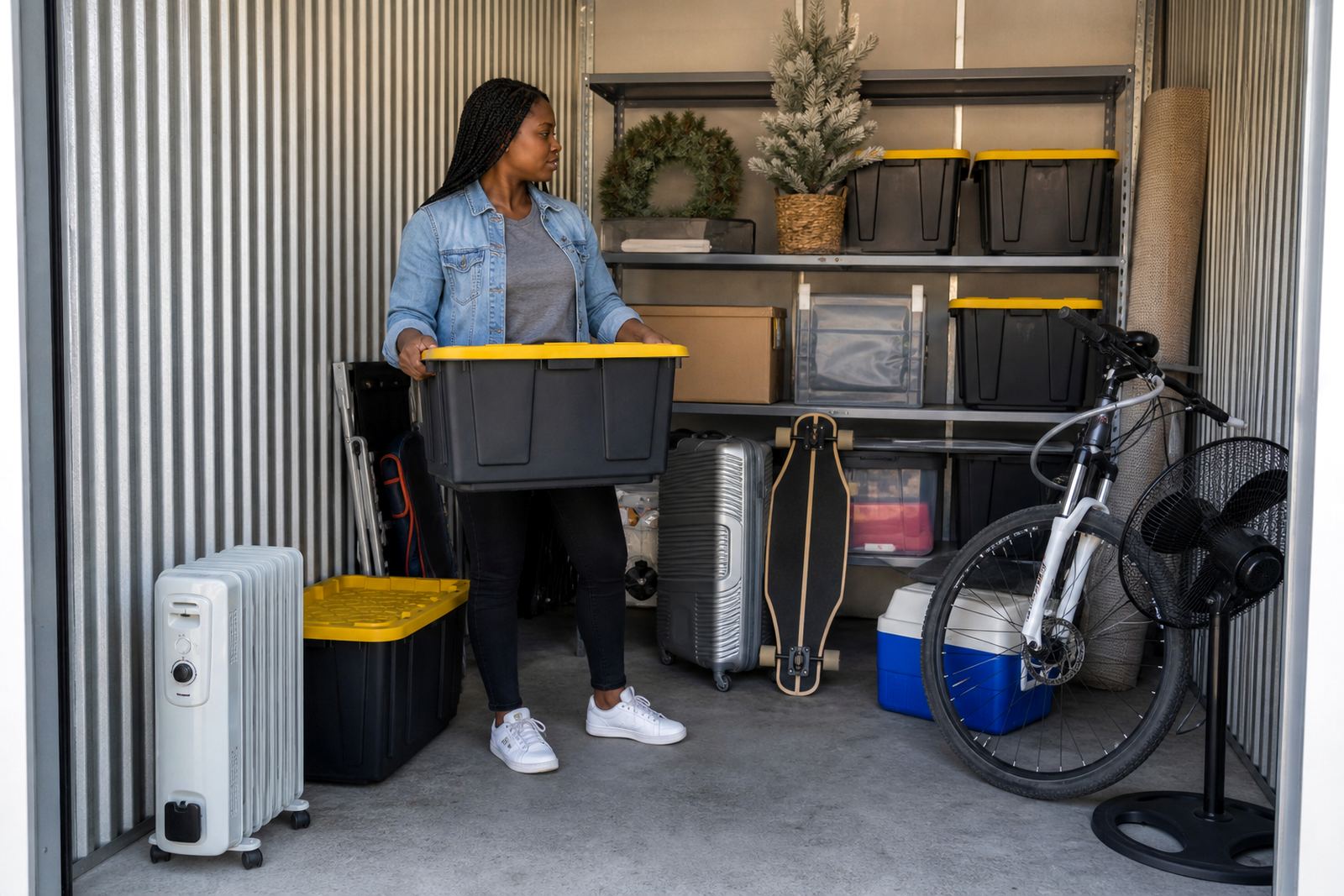
One of the hardest parts of moving house is timing. You may have handed back the old place, but the new one still needs repairs, cleaning or an occupation date that shifts at the last minute. That is where a storage unit can take pressure off. You can move bulky items out early, keep packed boxes safe, and avoid having everything stacked in a garage, passage or borrowed room.
LastBox supports moves across Midrand, Johannesburg, Pretoria, Centurion and Kempton Park, with storage options that suit short gaps and longer holding periods. If you are waiting on municipal work, body corporate access, transfer delays or a renovation to finish, keeping furniture and boxes in storage can give you space to work properly. It also helps when you need to keep some items separate for a few weeks while the rest of the home is already occupied.
The usual moving set and what belongs in storage
For a house move, the typical equipment set includes strong boxes, packing tape, labels, bubble wrap, protective covers, mattress protectors and markers for room sorting. If you are storing contents, it helps to use uniform box sizes where possible so the stack stays steady and easy to count. Sofas, fridges, dining sets, office chairs, filing cabinets and seasonal items often go into storage first because they free up the most room at home.
- Use smaller boxes for books, tools, crockery and heavy loose items.
- Use medium boxes for linen, toys and kitchen dry goods.
- Use larger boxes for light but bulky items like cushions and bedding.
- Wrap glass, mirrors and frames before loading them into the unit.
- Keep essential paperwork, medications and daily-use items separate at home.
If you are moving with children or running a home business at the same time, label by room and priority. That makes it easier to find school items, chargers, work files or a kettle without unpacking everything at once.
How to plan the unit so unloading is easier later
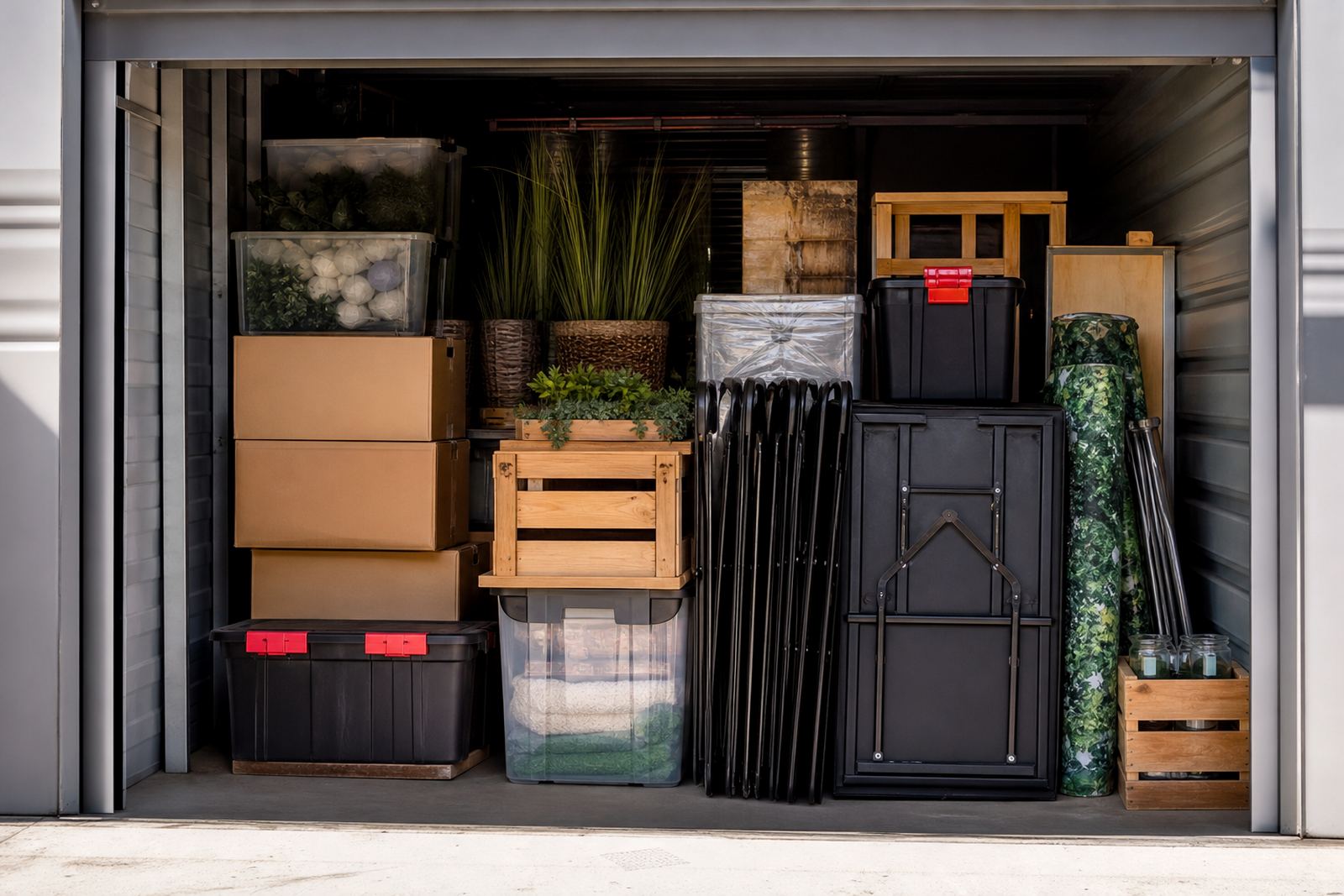
A good layout saves time on both ends of the move. Start with the items you will not need first, then place the heavier furniture along the back and side walls of the unit. Build stable rows and keep a clear walkway if you will need regular access. This is useful when some boxes must stay available for a few days while others can remain sealed until the new home is ready.
For Gauteng weather, packing matters. During summer rain and high humidity, use sealed bags for soft items and keep cardboard off damp floors. In winter, dust and dry air can still affect boxed items if they are not sealed properly. If your home is in a coastal pocket or you are moving from a place with more moisture, add extra wrapping around upholstered furniture and metal fittings. A simple inventory list on your phone or printed on paper also helps when you need to find one box fast.
Many customers also ask for access arrangement guidance, especially when move-in dates change.
Common mistakes during a house move
People often pack too much into a few large boxes, which makes them hard to lift and more likely to split. Another common mistake is leaving loose screws, shelves and fittings in a single bag with no label. That causes delays when the furniture has to go back together in the new place. A third mistake is mixing daily essentials with long-term storage items, then spending the first night in the new home searching for towels, charging leads or bedding.
- Do not overfill boxes with books or tiles from old renovations.
- Do not store items that still have moisture, as this can lead to odour and damage.
- Do not place fragile boxes under heavy furniture.
- Do not forget to label both the top and one side of each box.
- Do not leave access planning until the moving day itself.
It also helps to check what your new estate, complex or townhouse allows. Some places have rules about moving hours, truck size, parking and lift bookings. Planning ahead avoids rushed loading and reduces the chance of damaged items or complaints from neighbours.
What moving house storage usually costs in Rand
Budget depends on how much you are storing, how long you need access and whether you only need boxes and packing supplies or a unit as well. For a short move where you are storing a few rooms of contents, many households look at a monthly storage budget from about R700 to R2 500, with larger home loads running higher. Smaller storage needs, such as boxes, seasonal items or spare furniture, can sit below that range, while full household contents need more space and a larger budget.
Packing supplies also vary according to the volume of your move. A basic set of boxes, tape and wrapping materials may stay in the low hundreds of Rand, while a fuller moving pack for a family home can run into the higher hundreds or more. If you are moving between suburbs such as Midrand and Centurion or from Johannesburg to Pretoria, it is worth pricing the whole plan together so you are not caught paying twice for last minute materials.
LastBox helps with unit size guidance, packing supply advice and move-in support so you can match the plan to the actual load rather than guessing.
Getting support from the Midrand base
LastBox is based in Midrand and works with moving households across Gauteng, including Midrand Storage, Johannesburg Storage, Pretoria Storage, Centurion Storage, Kempton Park Storage, Sandton Storage, Randburg Storage and Edenvale Storage. The team includes Mxolisi Mdletshe, with support from Goitseone Mabandla, Johan Shabalala, Omolemo Phasha, Farah Jacobs, Moagi Ngcobo and Kamini Soobramoney. That mix matters when a move needs more than just space. You may need packing station setup, business storage support if you work from home, archive planning for old paperwork, or decluttering support before the removal truck arrives.
Clients reach out through the enquiry form on the contact page when they need help choosing a unit, sorting supplies or planning access. If you are moving house in stages, that can include move-out planning for the old place, unit size guidance for the in-between period and move-in support once the new home is ready. The goal is simple: keep the move organised, keep the load manageable and avoid the stress that comes from trying to store everything in the wrong place at the wrong time.