

Why online sellers outgrow home storage fast
When an online shop starts picking up, stock tends to spread into the lounge, spare room, garage and even the back seat of the bakkie. That works for a while, then the problems start.
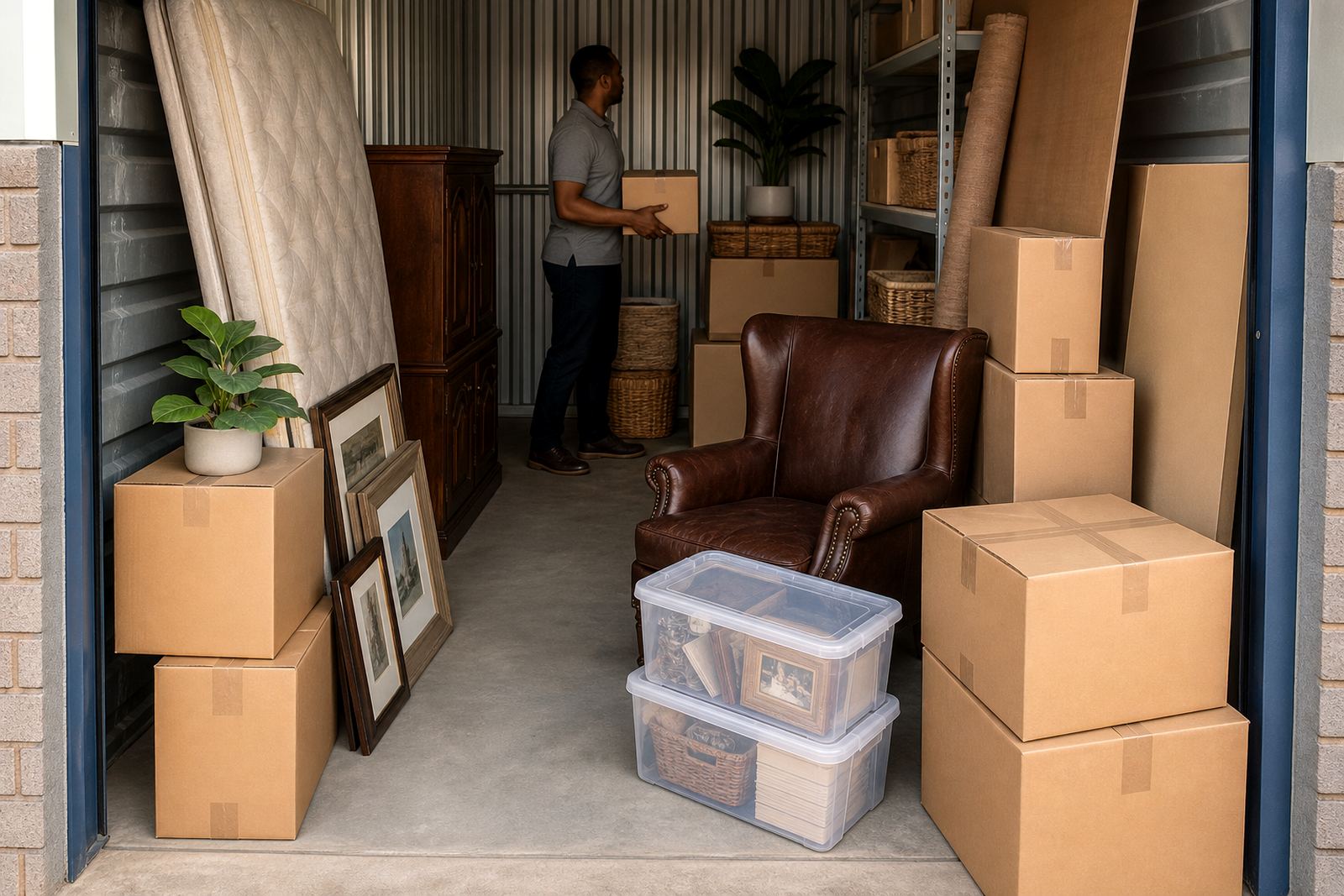
A storage unit gives you a separate place for inventory, packing materials and returns. It also helps if you trade from home but need a cleaner setup for family life, or if you run a small team and do not want boxes stacked against the washing machine. Many Gauteng sellers use storage to keep seasonal items aside, hold overflow stock after a sales campaign, or keep bulk orders from suppliers organised till they are needed. It is a practical step, not a luxury.
- Stock stays grouped by product line, size or SKU.
- Packing materials stay dry and easy to count.
- Returns can be set aside for checking and repacking.
- Home or office space stays usable for daily work.
The storage setup most sellers need
The right setup depends on how many parcels you send each week and how often new stock arrives. Some sellers only need space for cartons, poly mailers and a few shelves. Others need room for palletised stock, packing benches, archive boxes and a clear aisle for trolley movement. If you also keep invoices, seasonal promos or spare equipment, it helps to plan for those items from the start.
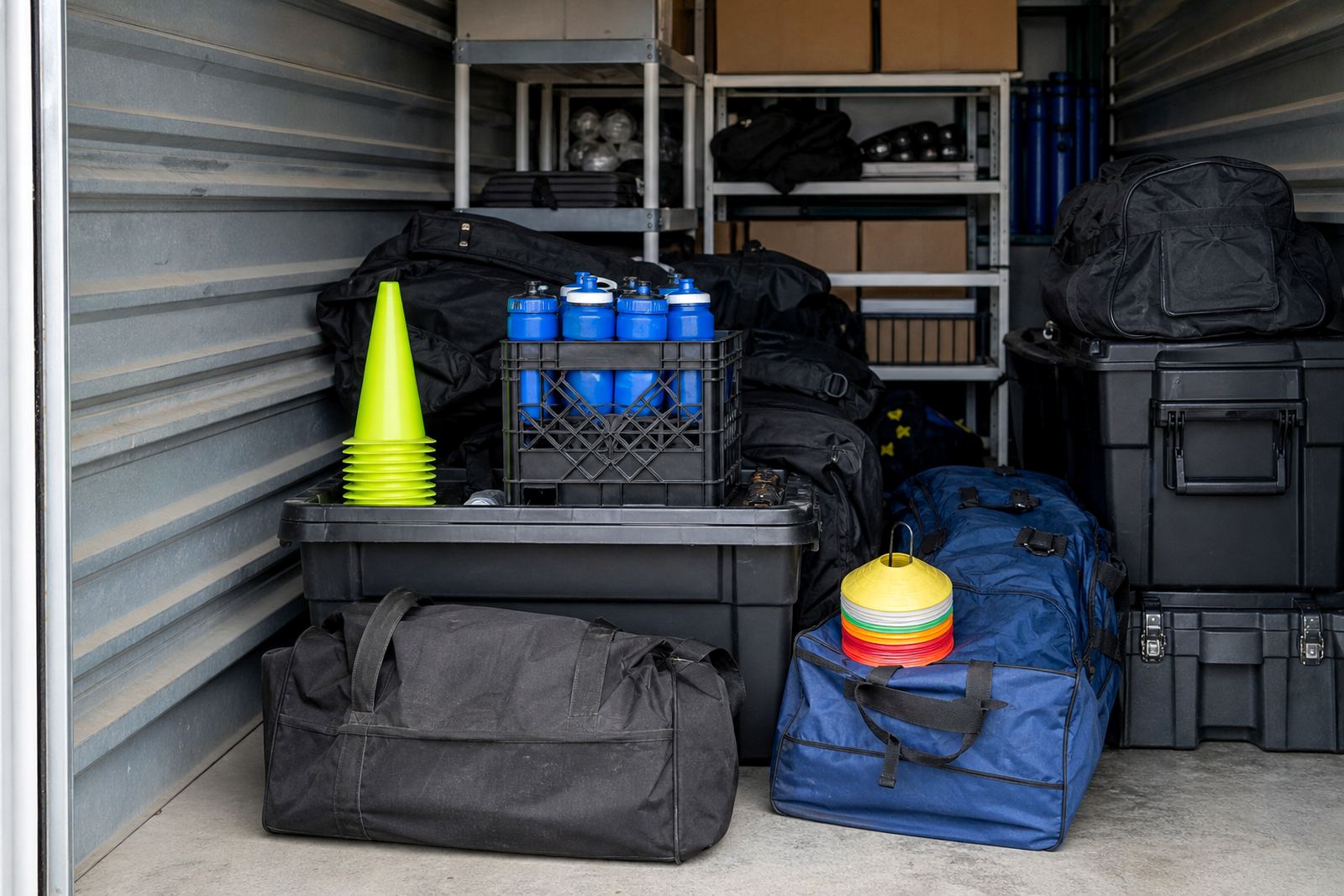
For many online retailers, the best arrangement is a unit with enough space for stacked boxes along the walls and a working strip down the centre. That keeps movement simple when you are pulling stock for a same day dispatch run. If your business handles clothing, homeware, phone accessories or beauty products, sorting by category and batch can save a lot of time. In humid coastal conditions or during summer rain, sealed cartons and plastic tubs help protect goods better than loose cardboard alone.
- Shelving for fast moving items.
- Sealed tubs for smaller parts and loose accessories.
- Cartons for bulk stock and seasonal overflow.
- Packing station space for tape, labels and void fill.
Planning the unit so picking stays quick
Online sellers do best when the unit is arranged around the daily packing flow. Put the most frequently moved stock closest to the front or at waist height if shelving is used. Keep mailers, labels, tape and fillers together in one clearly marked section so your team does not waste time searching for small items. If you receive stock regularly from suppliers in Midrand, Johannesburg or Pretoria, leave a receiving area near the entrance for new cartons before they are sorted.
Think about the order in which you work. In the morning, you may need to check returns, then pick orders, then pack and label, then load for collection. A sensible layout supports that sequence. Keep aisles clear, avoid overstacking and use strong labels on every box because once one item is moved, confusion spreads quickly. A little planning now saves a lot of rework later.
- Label shelves by product type, colour or size.
- Keep return stock separate from ready-to-sell items.
- Store packing supplies in one corner for easy top-up.
- Leave space for overflow after a promo or season change.
Packing materials that belong in storage
Online sellers usually need more than just shelf space. You also need the packing gear that keeps parcels moving. That includes cartons, mailing bags, bubble wrap, packing paper, tape, labels, markers, document sleeves and filler material. Depending on your product range, you may also need fragile stickers, garment bags, zip pouches or small part containers. Keeping these supplies in storage protects them from dust, damp and clutter at home.
It helps to treat packing supplies as stock in their own right. Count them, rotate older cartons first and keep similar sizes together. If your order volume changes each month, a flexible storage arrangement makes it easier to hold bulk supplies without crowding the work area. Many growing sellers spend somewhere in the range of a few hundred Rand a month on supplies to start, then adjust as volume increases. The point is to match storage spending to actual trading needs, not guesswork.
- Boxes and cartons for product protection.
- Mailers, tape and labels for dispatch.
- Void fill and wrap for fragile items.
- Document sleeves and markers for order control.
Security, access and daily handling matters
For online trade, the unit is not just a room for boxes. It becomes part of your supply chain, so access and security matter. Sellers need a place where stock can be dropped off, checked and collected without delays. Good site procedures, controlled entry and clear handling rules reduce the chance of mix-ups or unauthorised access. That matters even more when the unit holds high value items, business records or bulk orders due for dispatch.
It is also worth thinking about how often you need to visit. Some sellers come in once a week, others every day. If your business trades across Gauteng, a Midrand base can suit routes into Johannesburg, Pretoria, Centurion and Kempton Park. When stock moves often, the habit of stacking carefully and keeping paths open matters more than people realise. A unit that looks neat from the door but is hard to work in will slow your business down. And if you ever miss one label or pile up one box too many, the error can snowball.
- Choose access that fits your dispatch times.
- Keep a signed-in process for staff who collect stock.
- Use strong labels on incoming and outgoing cartons.
- Check that fragile goods are packed for the local climate.
Budgeting for growth without tying up cash
Online sellers often need to balance storage costs against stock growth. It is tempting to hire the largest space straight away, but that can lock up cash that should be used for new inventory or marketing. A better approach is to start with the unit size that matches current turnover, then review it after a few months of trading. If your order volume rises after payday periods, holiday campaigns or marketplace promotions, it may make sense to adjust space before the next busy cycle.
Budgeting also includes the cost of packing supplies and the time saved by being organised. A smaller, well planned unit can be more useful than a bigger messy one. For some growing sellers, monthly storage spend sits in the low hundreds of Rand. For others with larger stock turnover, the figure will be higher once shelves, boxes and access needs are added. The key is to keep the arrangement flexible enough for the next stage of growth, not just this month.
If you are moving from home storage to a proper trade setup, it helps to get guidance on unit size, packing supply quantities and how to set up a packing station without wasting space. That support can make the first move much smoother.