
Storage for traders who move stock often
Trader stock storage is about more than finding extra space. You need a place where cartons, hanging rails, tables, signage, gazebos and display stands can be kept in order, then collected without wasting time when the market, pop-up or event comes around. For traders in Midrand, Johannesburg, Pretoria, Centurion and Kempton Park, the right unit can help you keep stock close enough for quick collection while still keeping your home or workshop clear.
Many traders use storage during busy seasons, when the car or bakkie is already full, or when stock arrives in batches and needs sorting before it goes out again. It also helps if you work from more than one selling point, because you can keep surplus inventory in one place and move only what you need for the week. That makes it easier to avoid damage, shrinkage and clutter at home.
What traders usually store
The stock set for traders changes by trade, but there are common items that benefit from organised storage. Some are fragile, some are bulky, and some just need to stay clean and dry until the next setup.
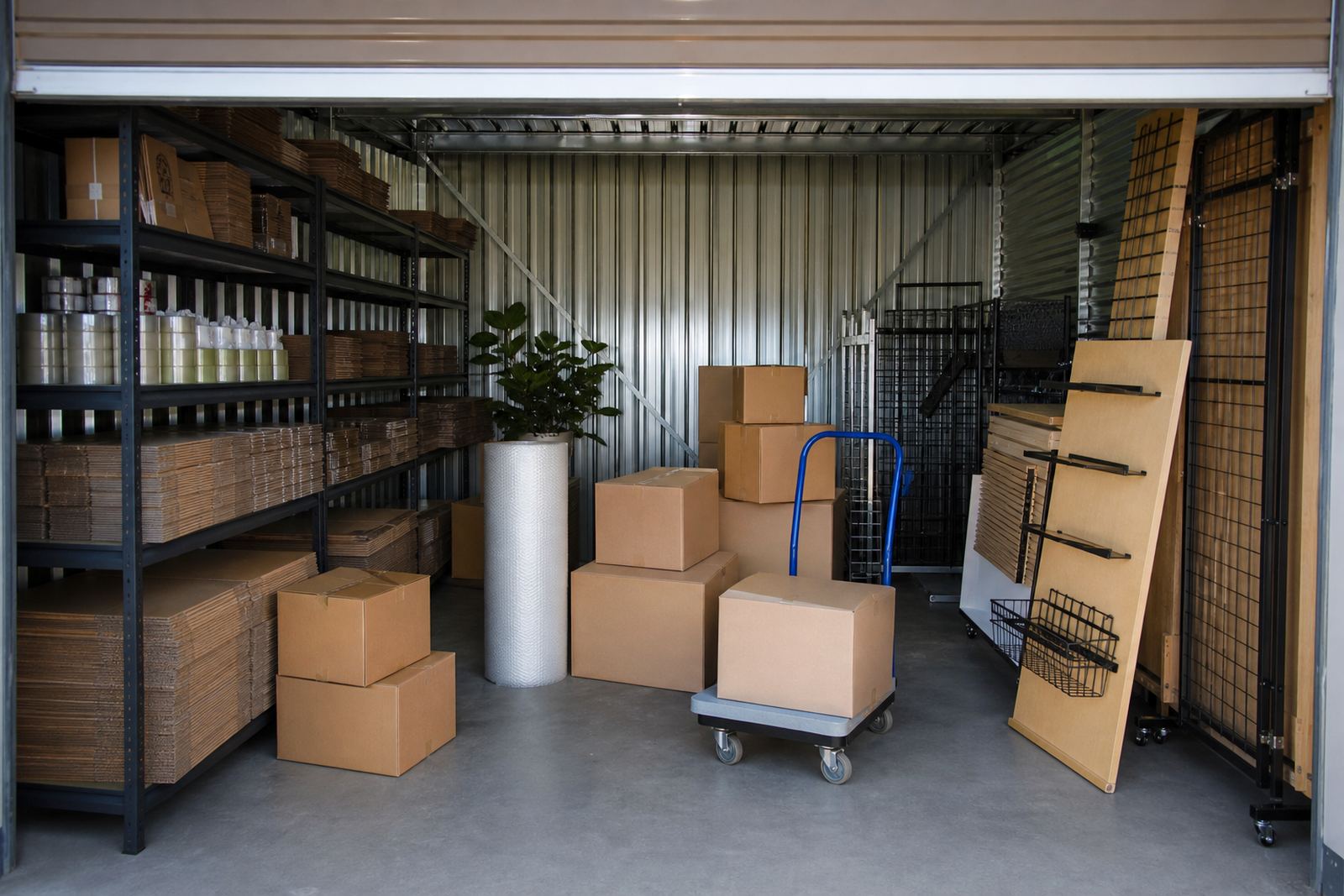
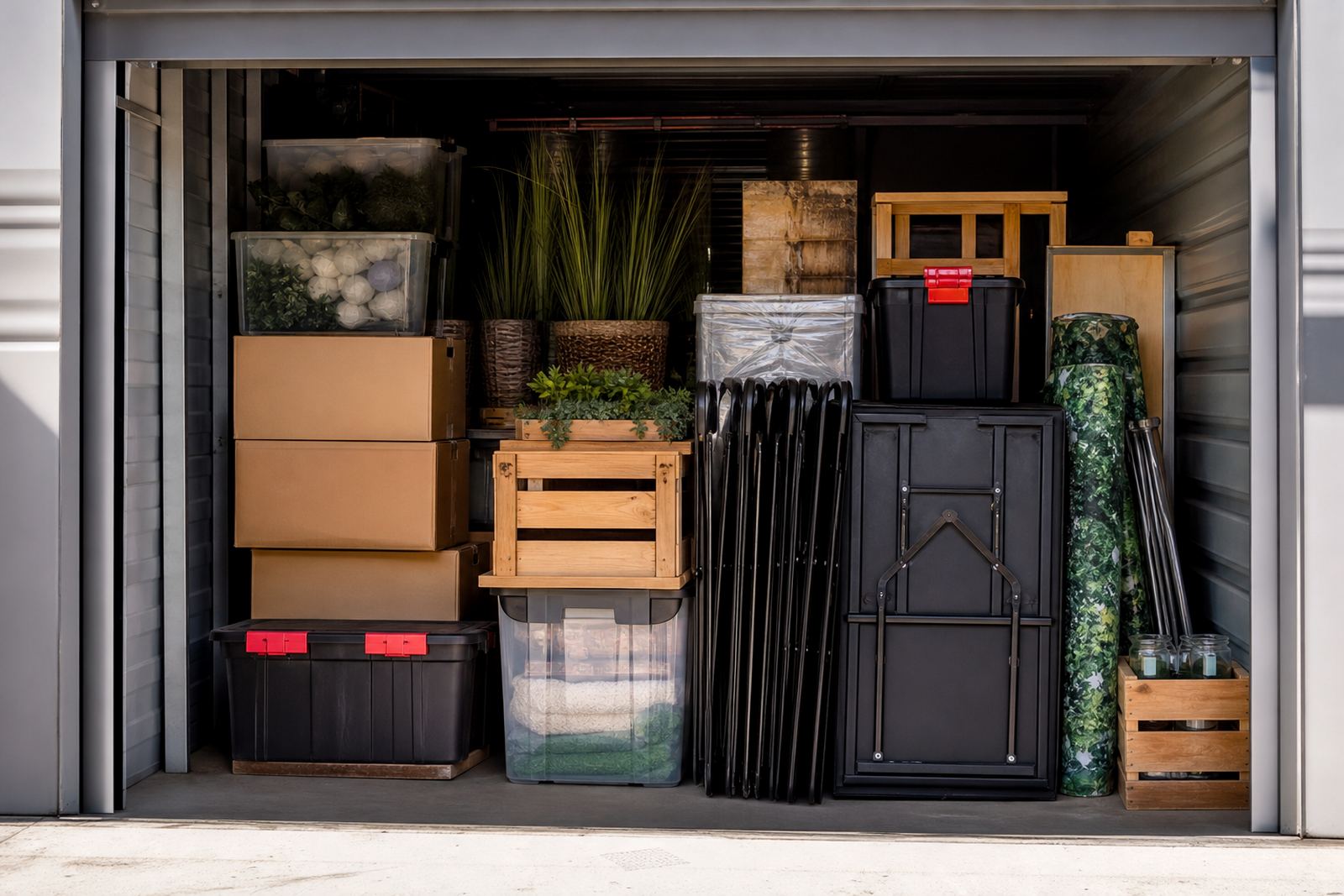
- Foldable tables, crate boxes and display racks
- Clothing stock in cartons or garment covers
- Homeware, toys, accessories and gift items
- Printed material, banners and seasonal promotion items
- Packing tape, labels, bubble wrap and stretch wrap
- Tools, cords, extension leads and small equipment
- Archive boxes for invoices, records and stock notes
In Gauteng, dust and changing temperatures can affect packed stock if it is left in a garage or under a sheet for too long. That is why many traders prefer a proper storage unit with good housekeeping and controlled access instead of leaving stock in the back room and hoping for the best.
How to plan your unit around real trading patterns
The best layout depends on how you buy, pack and sell. If you restock weekly, keep the fastest-moving items near the front and the seasonal stock toward the back. If you use a mix of display items and sealed cartons, store display gear upright and use clear labels so the right crate is easy to pull out. For traders who also handle market tables or event setups, it helps to create one side of the unit for clean stock and one side for equipment.
At LastBox, the team can help with unit size guidance, access arrangement and move-in support so you are not paying for space you do not use. A practical layout saves time every week, not just on day one.
- Keep fast-moving stock closest to the door
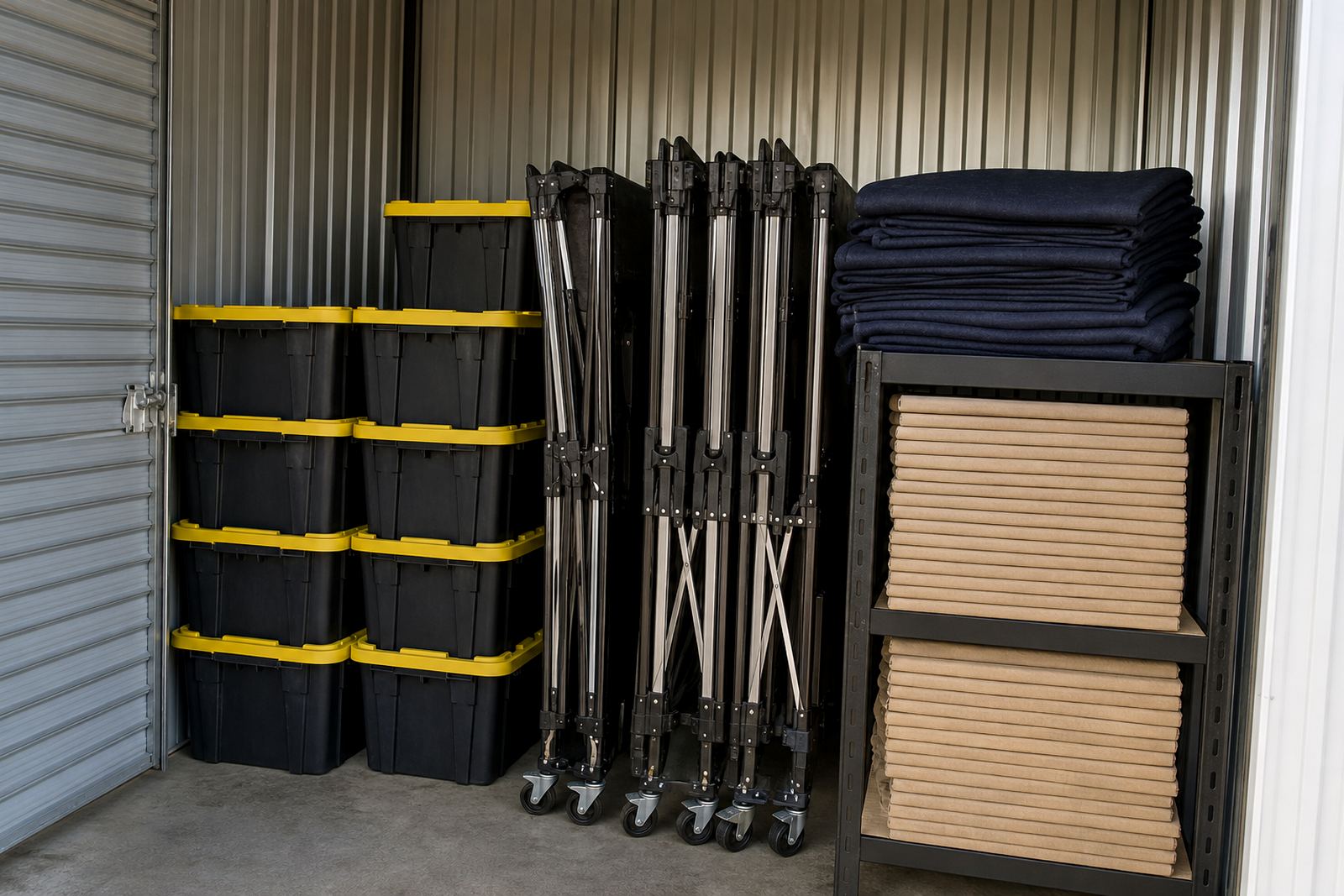
- Use shelving or stackable cartons to make the most of height
- Group items by season, product type or event date
- Leave a clear path so one person can move boxes safely
- Store fragile items above floor level, not on bare concrete
Security, access and condition of stock
Traders need access that fits early starts, late pack-downs and last-minute collection. That is why security and entry control matter just as much as floor space. A good storage setup should allow you to retrieve stock without long delays, while still keeping the site monitored and access controlled. It should also be easy to park, load and unload without dragging cartons across a muddy verge or crowded pavement.
For stock that sits for a while, condition matters too. Boxes should be closed properly, sealed against dust and lifted off the floor where needed. In coastal humidity around parts of Gauteng's supply chain routes, and during wet spells in the Highveld, packing quality makes a real difference. Goitseone Mabandla and Moagi Ngcobo focus on day-to-day storage handling and facility care, which helps keep things orderly and easier to find when you need them.
- Use strong cartons for mixed stock and label both ends
- Wrap fragile items before stacking anything on top
- Keep a simple stock list, even if it is handwritten
- Check access times before planning weekend collections
- Make sure vehicle loading is quick, especially during rain
Packing supplies that suit trader stock
Many traders do better when storage and packing supplies are planned together. If you are storing garments, small retail items or market displays, the right box size and packing material can reduce breakages and keep unpacking faster. LastBox supplies moving boxes and packing materials across Gauteng, with advice from Farah Jacobs on what works for the type of stock you carry and how often you move it.
Typical packing needs include different carton sizes, tape, wrap, markers, labels and protective fillers for delicate pieces. A trader who moves stock between Midrand and Pretoria may need different packaging from someone who keeps one permanent selling point and only rotates seasonal lines. It is worth choosing supplies that are strong enough for repeat handling but not so bulky they waste space in the unit.
Kamini Soobramoney also supports planning for packing station setup, which is useful when stock has to be sorted before an event or market day. A tidy packing area cuts down on errors and helps staff work faster, especially when orders pile up.
Common mistakes that cost traders time and money
The most common mistake is renting a unit with no clear storage plan. Traders sometimes move in quickly, then mix display stock, sale stock and empty containers together. That makes it harder to check what is available and easier to lose items in the back of the unit. Another mistake is using weak boxes that collapse after a few weeks, or packing heavy items at the top where they become difficult and unsafe to reach.
It also happens that traders choose the wrong unit size because they only think about today's stock, not next month's order cycle. If your business grows or you add more product lines, a cramped unit can become a daily problem. Johan Shabalala helps clients think through unit size guidance and stock rotation so the setup works for trading rather than against it. Budgeting too tightly can also backfire, because the cheapest option may not be the one that saves the most time.
Typical monthly budget ranges for trader stock storage in Gauteng can start around R650 to R1 500 for smaller needs, move into the R1 500 to R3 500 range for medium storage, and sit higher for larger or busier stock requirements. Packing supplies are usually budgeted separately, depending on how much boxing, wrapping and labelling you need. Those figures are only a working guide, but they help traders plan around seasonal stock and cash flow.
Who trader stock storage suits best
This use case suits traders who sell at markets, roadside points, community events, school functions, trade fairs or online pickup points. It also suits small businesses that keep stock in rotation, such as clothing sellers, accessories traders, homeware resellers and mobile vendors who need to keep display items secure between setups. Omolemo Phasha and the customer service team handle enquiries through the contact page enquiry form, so it is easy to ask for a storage option that matches your trading pattern.
Whether you are starting out with a few cartons or managing stock across more than one area, a proper storage arrangement gives you better control. It keeps your stock off the floor, your equipment together and your loading routine simpler. For traders, that can mean fewer delays, less damage and a calmer start to every trading day.