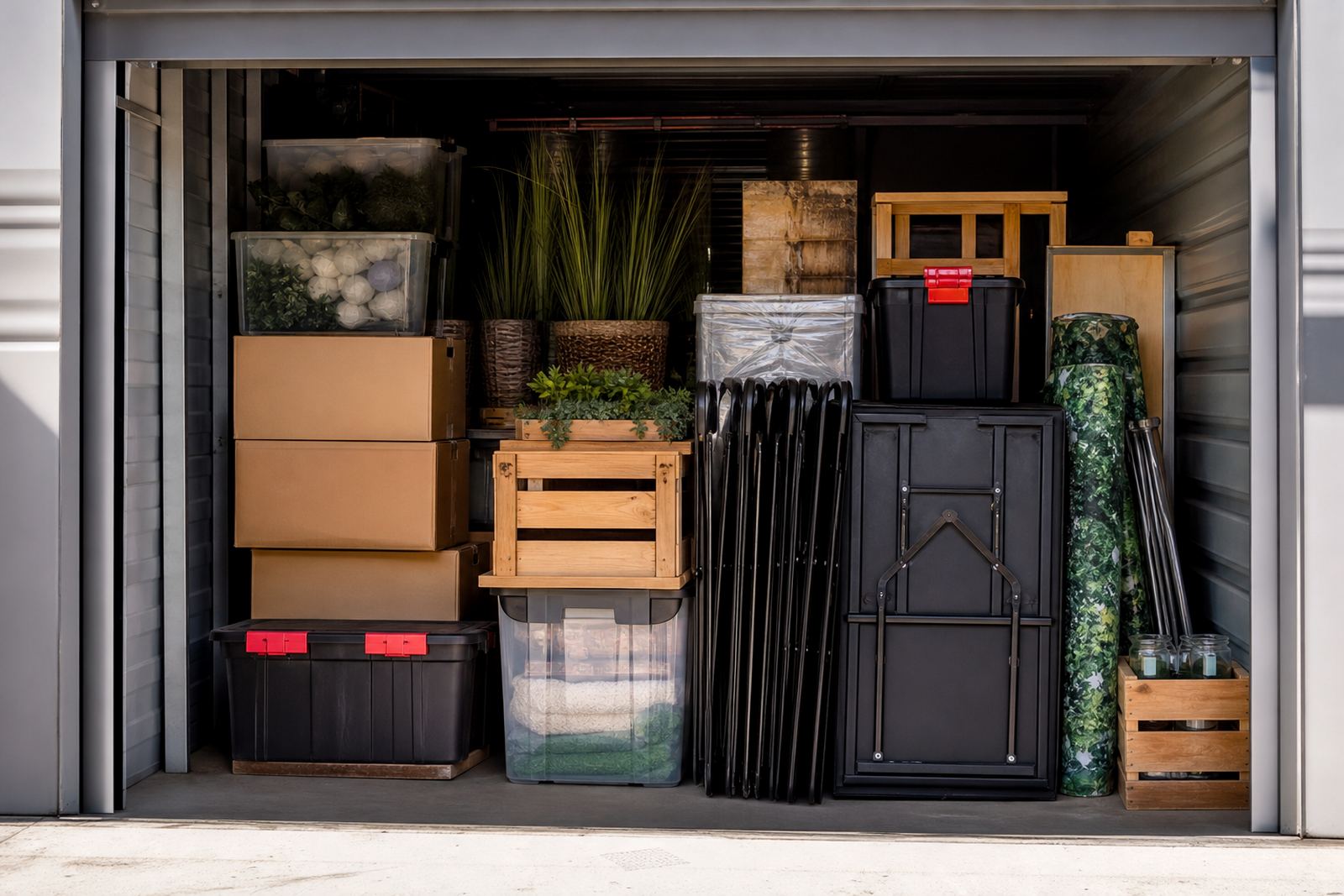

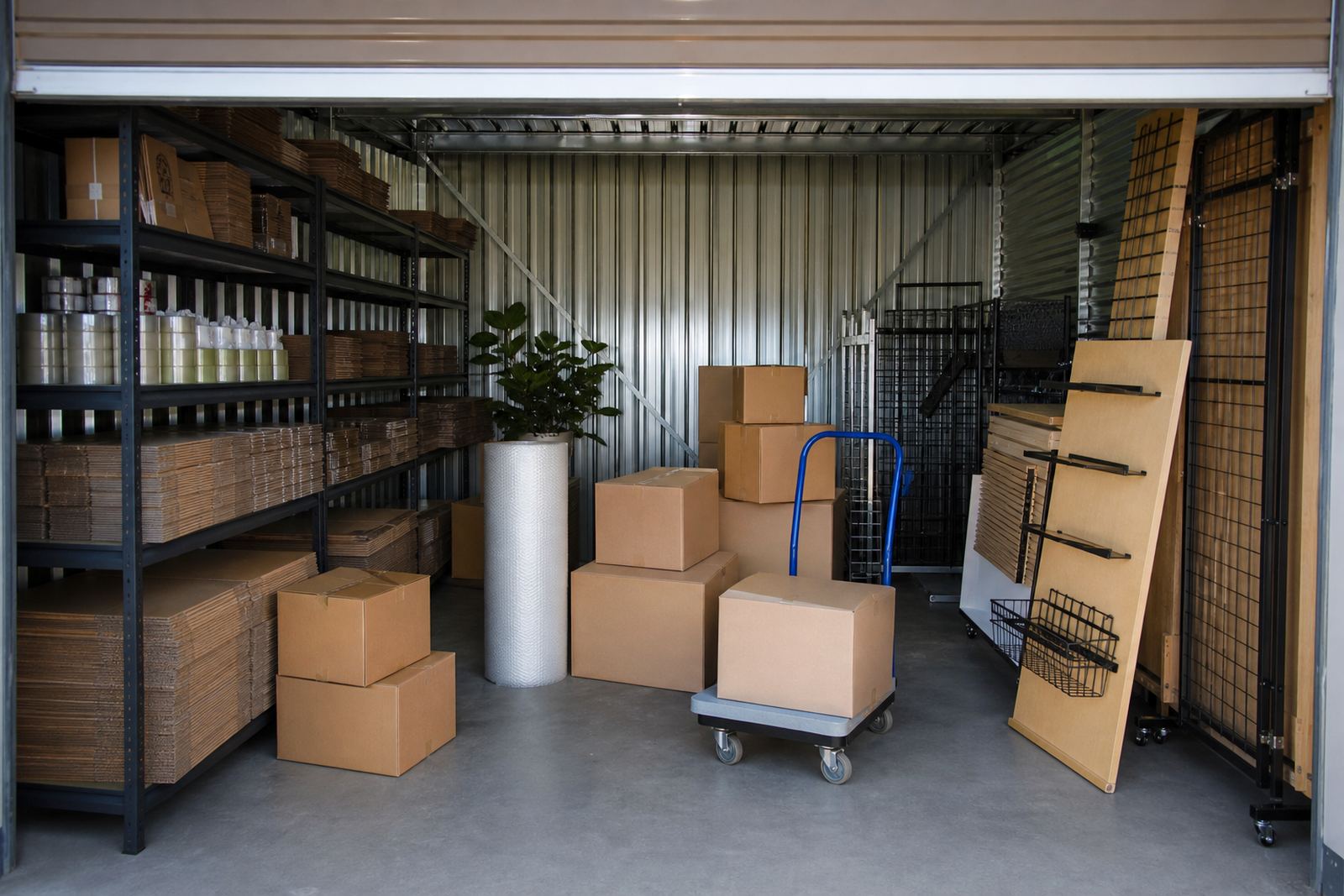
When Retail Stock Starts Taking Over the Back Room
Many retailers only notice the pressure once staff can no longer move freely behind the till area or in the receiving bay. Extra cartons, seasonal displays, poly bags, gift wrap, hangers and promotional material pile up quickly, especially when deliveries arrive in batches or a sale period ends and the extra stock has nowhere proper to go. For shops in Midrand, Johannesburg, Pretoria, Centurion and Kempton Park, overflow storage is often the simplest way to keep the main premises neat without losing access to valuable stock.
Retail overflow is useful for independent clothing stores, beauty outlets, hardware counters, boutique gift shops and small online sellers working from a shopfront. It also helps during renovation work, stock takes, mall trading changes and year-end clear outs. A well planned storage unit can hold reserve stock and packaging supplies while keeping the items you need most close enough to collect without a long wait.
- Excess stock from seasonal orders
- Display fixtures, shelving parts and signage
- Packaging materials such as boxes, tape and labels
- Archive files, marketing items and point-of-sale material
What Retailers Usually Put into Storage
The right mix depends on what you sell and how often you restock. Clothing businesses often store folded merchandise, garment rails that are not in use, spare mannequins and bag stock. More product-based shops may keep sealed cartons, spare shelves, product stands and shrink wrapped promotional packs. If you sell online as well as in a physical store, the unit can also take overflow packing tables, courier cartons and stock waiting for dispatch.
Fast-moving items should be placed nearer the front of the unit, while slow stock, archive boxes and event displays can go further back. Pallets, plastic crates and strong cartons make it easier to move stock in and out without damage from damp floors or dust. In coastal humidity areas people think about moisture more often, but even inland dust, rainwater and temperature shifts can affect packaging if items are left loose.
- Reserve inventory for peak trading periods
- Empty display stands and seasonal decor
- Courier supplies, labels and wrapping material
- Back-up stock for online orders or pop-up sales
Choosing a Unit Layout That Works for Retail
A good retail overflow layout should save time, not create another headache. The first step is separating stock by category and turnover rate. Keep incoming cartons together, store display items in a marked section and leave a clear aisle so staff can reach items without unpacking half the unit. If several team members will collect stock, label shelves and stack zones clearly so nobody needs to guess where things are kept.
For many businesses, the best approach is to plan the unit like a small back room. Use vertical space with stable stacking, but do not load cartons too high if staff will be handling them often. Heavier items should sit on the bottom and lighter packaging on top. Where stock is fragile or boxed in plastic, leave breathing room so items are not crushed. LastBox can help with unit size guidance, access arrangement and move-in support so your storage setup suits the way your business works in Midrand or at any of the nearby areas.
When planning access, think about trading hours, supplier drop-offs and staff shifts. If your team usually collects stock before opening or after closing, a simple system for unit access saves time and avoids repeated trips. That matters during month end, stock takes and busy December trading when every hour counts.
Packing Supplies That Make Retail Storage Easier
Retail overflow storage works better when the packaging is consistent. Loose items waste space and make it harder to track stock. A practical packing set usually includes strong cartons, tape, labels, marker pens, stretch wrap, bubble wrap for breakables and crates for smaller items. If you run a business with many small products, divided containers and clear labelling help prevent mixed stock and missing pieces.
For shops that move a lot of cartons, packing stations can be set up at the premises before items are taken into storage. That saves time when staff are preparing replenishment orders or packing for a market weekend. Packing supply advice is especially useful when businesses are trying to balance storage with budget, because the wrong carton size or poor sealing often leads to damage and wasted space.
- Strong cartons for folded stock and small items
- Stretch wrap for grouped displays and loose parts
- Labels for stock rotation and quick retrieval
- Packing tape, markers and protective wrap for fragile items
Common Mistakes Retailers Make with Overflow Stock
The biggest mistake is treating storage as a dumping ground. Once that happens, stock becomes hard to count and even harder to move. Another common problem is mixing sale stock with archived material, which leads to double handling and lost items. Some businesses also forget to plan for future deliveries and end up with a unit that is full before the next order arrives.
Avoid placing items directly on the floor if they are likely to be affected by dust or light dampness. Do not overstack cartons that may need regular checking, and do not store slow moving items in front of stock that must be accessed weekly. For busy shops, a simple stock list taped to the inside of the unit door often works better than a complicated system nobody updates.
- No labels on cartons or shelves
- Mixing display stock with reserve inventory
- Blocking the front of the unit with bulky items
- Ignoring future deliveries and seasonal changes
Budget Ranges for Retail Overflow in Gauteng
Storage budgets depend on how much space you need, how often staff must access the unit and how much packing support is required. A small overflow setup for cartons and a few display items may sit in a lower monthly range, while a larger business storage arrangement with regular access and more inventory will cost more. As a broad guide, many retail clients in Gauteng plan for somewhere between about R1 200 and R8 500+ per month, depending on unit size, use and access needs.
It is worth budgeting for packing supplies as well, especially if you are moving products in batches or storing stock for several months. That can include cartons, protective wrap, labels and tape. If your business needs help moving stock in and out, or needs guidance on how to separate archive boxes from active inventory, LastBox can assist through the enquiry form on the contact page. The Midrand base supports retail customers across Midrand, Johannesburg, Pretoria, Centurion, Kempton Park and nearby business areas.
Retail overflow should make trading easier, not harder. When the right stock is in the right place and the unit is set up for quick access, your shop floor stays cleaner and staff spend less time shifting boxes around.