

When student break storage makes sense
There are many student situations where a small storage unit is easier than moving everything back home. Maybe your lease ends before the next one starts, your shared flat is being renovated, or you are leaving residence for a holiday and do not want to haul a full room back and forth. In those gaps, a neat storage plan saves time and prevents damage to laptops, textbooks, bedding and clothing.
Students in Midrand, Johannesburg, Pretoria, Centurion and Kempton Park often use storage for a few weeks or a few months. The aim is simple: keep items close enough to collect when needed, but out of the way and protected from dust, knocks and damp. If you are sharing accommodation, it also helps avoid confusion about who owns what and where it should go.
What students usually store during a break
A student room can fill up quickly, especially when there is a mini-fridge, study lamp, printer, fan and several bags of clothes. For a short break, most people need space for a mix of personal items and a few lightweight pieces of furniture. Packing in the right order matters, because you may need to find one box of notes later without opening everything else.
- Textbooks, files, notebooks and exam papers
- Bedding, blankets, pillows and towels
- Clothes, shoes and seasonal items
- Small appliances such as kettles, microwaves or fans
- Lamps, mirrors, plastic drawers and storage tubs
- Sport gear, musical items or hobby equipment
Before moving anything in, check for loose batteries, open containers, food items and wet laundry. These are the things that cause smells, pests and unnecessary mess fast. A quick sort now makes the move-out day much easier later on.
How to plan a unit that suits student storage
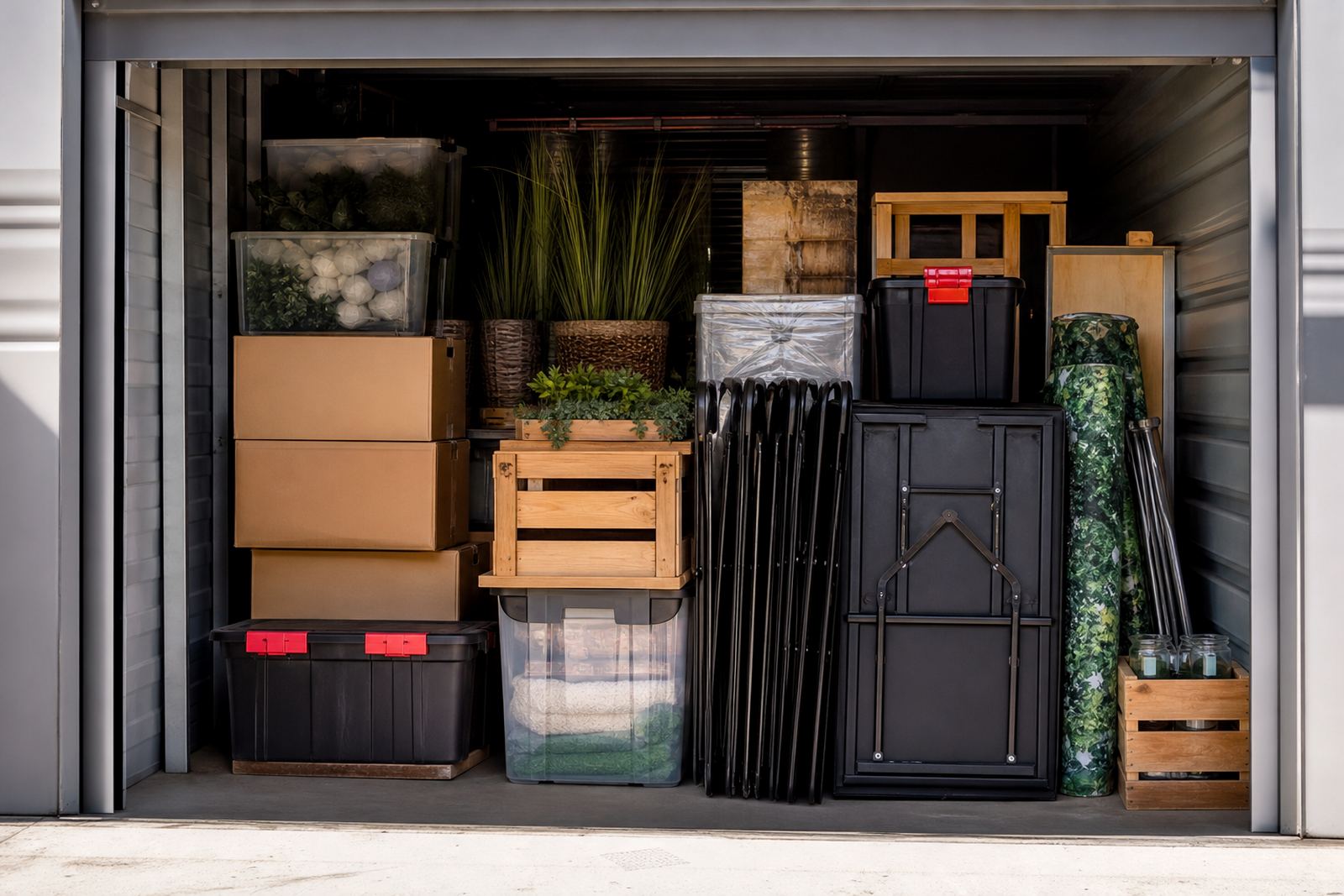
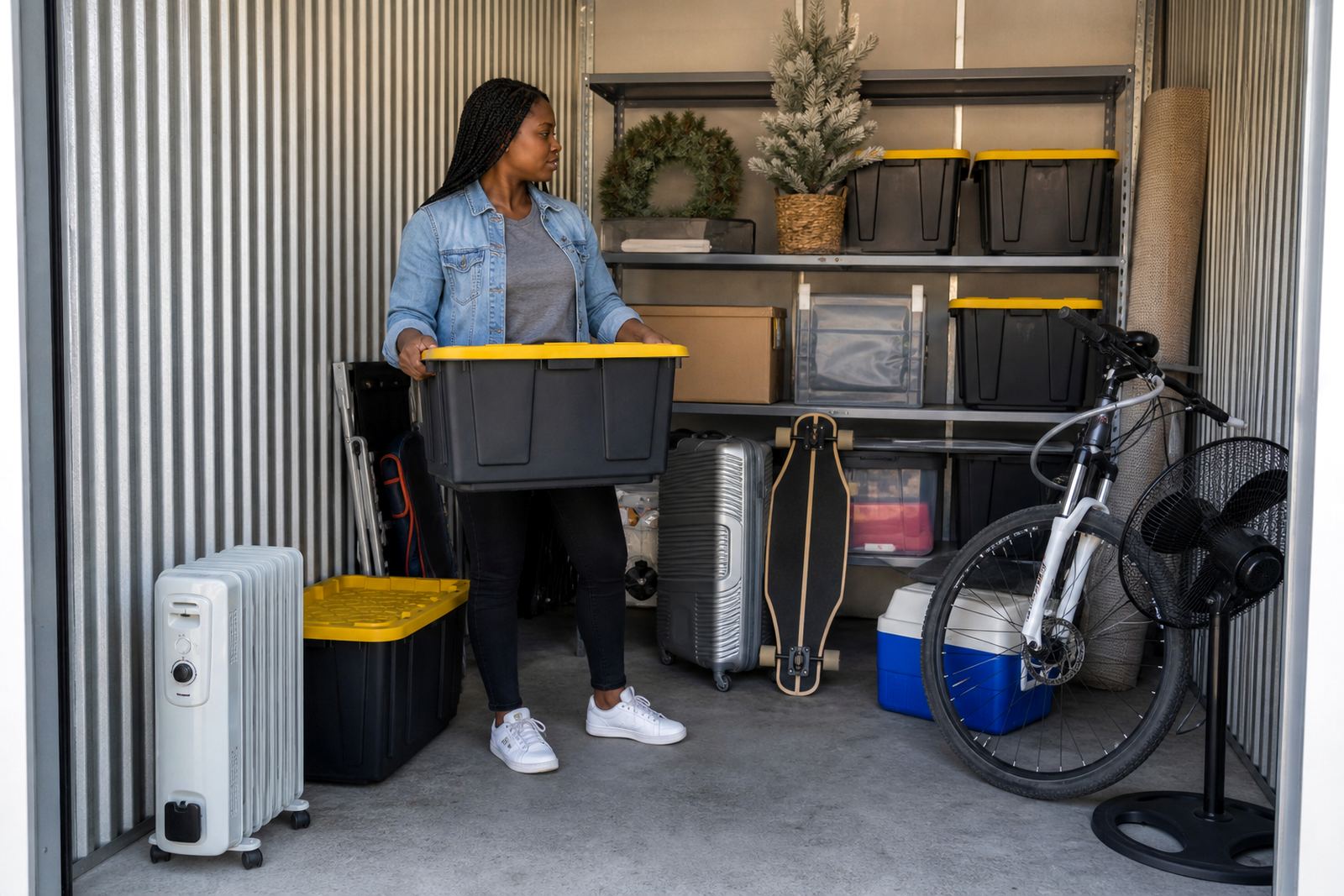
The best unit is the one that fits what you actually own, not what you think you might own one day. Start by listing everything by category, then group items by how often you will need them. Things you may need at short notice should go nearest the front, while long-stay items can be packed deeper inside.
It helps to leave a clear walking space down the middle if you plan to visit during the break. That way you can reach a box without shifting half the room. If you are storing with two or three housemates, label each person's items clearly and keep one shared list so nobody has to guess whose box is whose.
- Use identical box sizes where possible so stacking stays stable
- Place heavier boxes on the bottom and lighter ones on top
- Protect glass, screens and lamps with proper wrapping
- Keep a small inventory on your phone or on paper
- Label boxes on the side as well as the top for easier viewing
Midrand can get hot in summer and dusty in windy spells, so sealed packing matters. If your items are sensitive to moisture, use dry packing materials and avoid leaving items in open bags for long periods.
Access, security and what to ask before you book
Students usually want storage that is easy to reach on weekends, after class or during move-in week. Ask how access works, whether you need to arrange a visit in advance, and how loading areas are set up for quick drop-offs and collections. If you are storing with a friend or shared room group, make sure everyone knows who is authorised to access the unit.
Security is also a practical concern, especially if your belongings include electronics or study equipment. Good storage habits include locking the unit properly, not sharing your access details casually and keeping valuables in closed boxes rather than loose bags.
LastBox supports access arrangement and student storage help so the handover is straightforward. If you are not sure what size or setup you need, a quick chat through the enquiry form can help you choose a sensible option without overpaying for unused space.
Packing supplies that suit a student budget
For most students, the packing budget should be practical and controlled. A basic break-storage pack can often stay in the low hundreds of Rand if you only need a few boxes, tape and wrapping. If you are storing a fuller room with fragile items or multiple roommates, the budget can move into the mid hundreds or more, depending on how much protection and how many supplies you need.
The useful thing is to buy for the job, not for a once-off scramble. Farah Jacobs and the packing supplies team can help with packing supply advice, which means you get enough material without loading yourself up with extras that will just sit in a cupboard later. Good packing also reduces the risk of breakage, which is where students often lose more money than they meant to save.
- Small and medium boxes for books, shoes and kitchen items
- Strong tape for sealing and reinforcing box tops
- Wrapping material for glass, screens and lamps
- Marker pens and labels for clear identification
- Protective covers for bedding and soft items
If you are doing a late move-out after exams, pack the last box with the first items you will need next term. That keeps your opening day much less stressful and avoids digging through everything for charger cables or important notes.
Common student storage mistakes to avoid
The biggest mistake is leaving packing until the final day. That usually leads to overfilled boxes, poor labelling and forgotten items left in a cupboard or under a bed. Another common error is storing damp clothing or half-empty food containers. Those things can affect the rest of your load within a few days.
Students also sometimes choose a unit that is too small because they want to save a few Rand, then spend extra time squeezing boxes in and making the space hard to use. On the other hand, taking a unit that is too large means paying for empty space you do not need. A proper unit size guidance conversation helps get that balance right.
- Do not mix fragile items with heavy textbooks in the same box
- Do not leave cables, chargers and small accessories unpacked
- Do not store dirty laundry or open food
- Do not stack boxes so tightly that nothing can be reached later
- Do not forget to check whether your move-out date and access date line up
Planning early also helps if you need move-in support or move-out planning around transport times. That is especially useful when your accommodation change happens between terms, when everyone is moving at once and availability is tight.
A simple storage plan for the next term
If you are leaving Midrand for a holiday, internship or a short home stay, keep your plan basic. Sort items into keep, carry and store. Pack the store pile by category, then write down what is inside each box. If you share a place, agree on one person to hold the inventory list so there is no confusion later.
A practical student break storage plan should do three things: protect your belongings, save transport hassle and make the next move easier. That is why many students use a unit for the non-daily items and keep only essentials with them. When term starts again, you can collect what you need and get back to class without unpacking the whole world first.
LastBox serves students across Midrand, Johannesburg, Pretoria, Centurion and Kempton Park from the Midrand base, with options that suit personal storage, shared room moves and small business items. The setup is built for sensible access, steady security and packing that fits real student life, not guesswork.