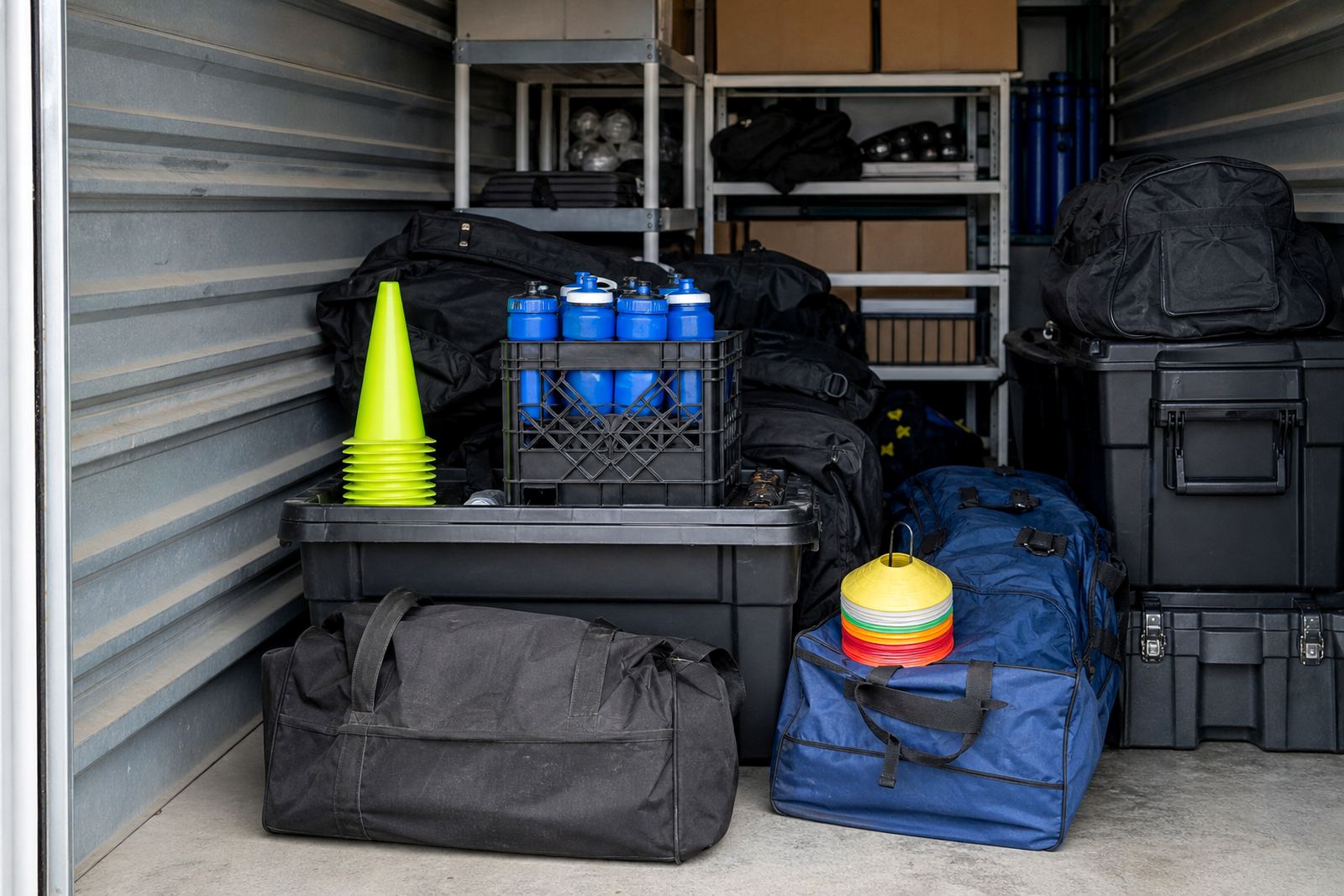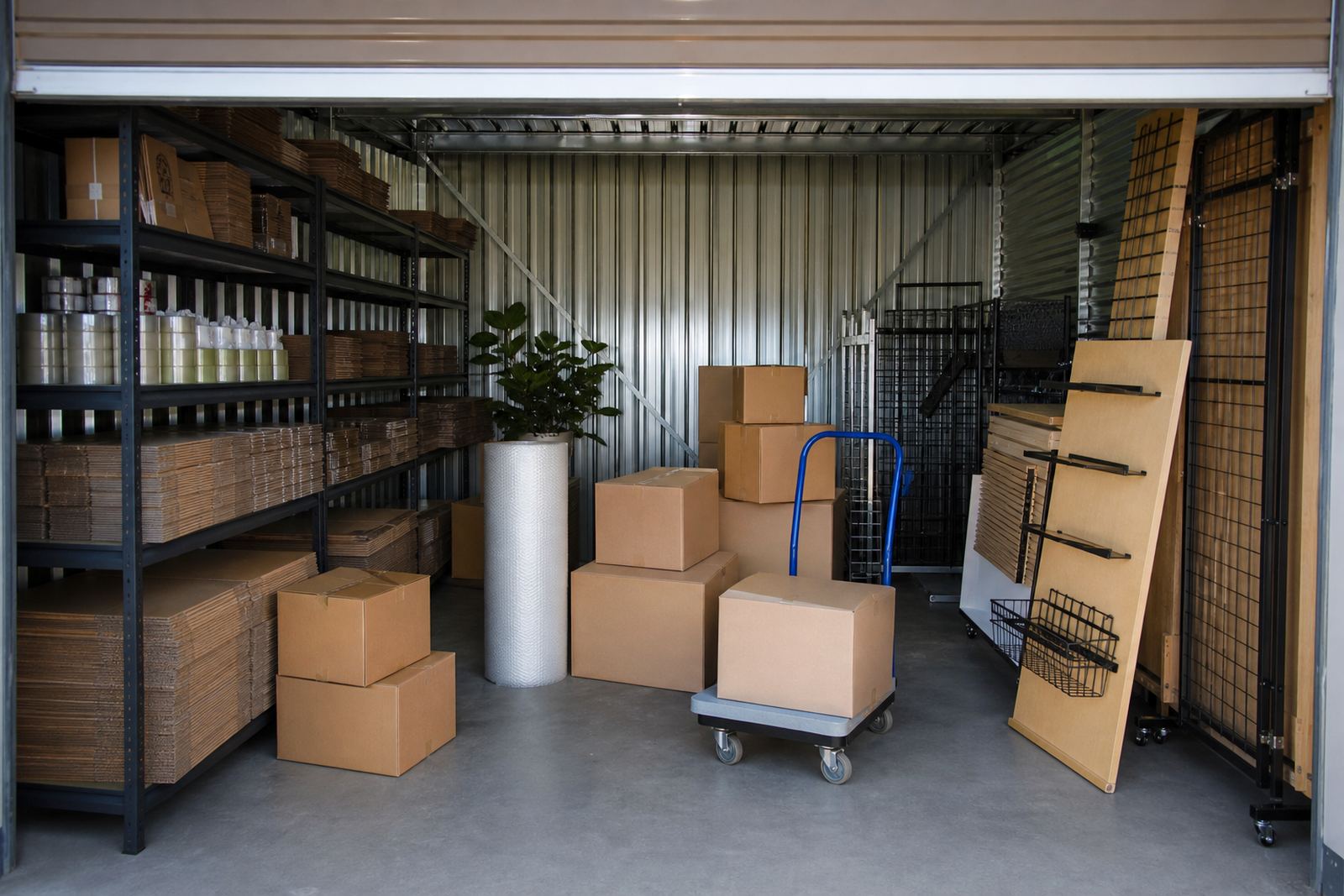


Keep rooms clear while the builders are working
Renovation projects move faster when the living room, bedrooms and passageways are not crowded with furniture and packed boxes. A storage unit gives you a dry place to hold couches, beds, cupboards, appliances and cartons until the dust has settled and the last coat of paint is dry. It also helps if one room at a time is being renovated, because you can move out only what is needed and keep the rest close by.
Many customers in Midrand, Johannesburg, Pretoria, Centurion and Kempton Park use storage for a few weeks or for longer builds that run over time. It is a practical option when the kitchen is out of action, new flooring is being laid or ceilings are being repaired and you need the house to stay usable. In summer, damp and dust can be a problem, so packing properly before move-in is worth the effort.
What people usually store during renovations
The item mix depends on the scale of the work, but most renovation customers bring a combination of large furniture, packed household goods and a few tools or materials that must stay dry and out of the way. If you are replacing floors, for example, it may be better to remove every loose item from the room rather than move things from one corner to another. That way tradespeople have space to work and there is less chance of damage.
- Couches, chairs, dining sets and bedroom furniture
- Mattresses, linen, curtains and rugs
- Kitchen boxes, small appliances and crockery
- Tools, paint trays, fittings and spare hardware
- Archive boxes, paperwork and seasonal items
- Retail stock or office contents during a shop or office upgrade
For business customers, renovation storage can also hold stock, display pieces and office files while the premises are being painted or reconfigured. This is especially useful for small operations that do not have a back room or spare container on site.
Packing for dust, moisture and repeated handling
Good packing makes the difference between items arriving back in usable condition or needing repair after the work is done. We recommend strong boxes, tape that closes properly, wrap for fragile pieces and labels that clearly show the room or category. In Gauteng, dust from sanding and plaster work gets into open gaps quickly, and in coastal parts of the province or during wet weather any cardboard left open can soften.
Use smaller cartons for books, tools and crockery so they are easier to lift. Keep heavy items low and avoid overfilling boxes. Blankets, foam and wrapping paper help protect wood surfaces and mirrors. If you are storing cupboards or tables, take off loose legs and secure fittings in a marked packet. A bit of planning now saves time when you move everything back in later.
- Wrap furniture edges and corners before loading
- Use sealed boxes for fabric and soft furnishings
- Label each box with the room name and contents
- Keep screws, shelves and fittings in one marked packet
- Do not stack very heavy boxes on top of fragile ones
Planning the unit so the move-back is easier
When the renovation ends, the last thing you want is to open a unit and start hunting for one chair leg, one kettle or a bag of screws. Good layout planning makes move-back quicker and less stressful. Place the items you will need first near the front of the unit, such as beds, kitchen boxes or office supplies. Keep frequently used pieces together and leave a central walkway if the unit is full.
We also advise grouping by room. That makes it easier for movers, family members or contractors to unload in the right order. If your renovation is phased, you may only need certain rooms back at a time, so this layout helps avoid extra handling. For customers who are managing a whole-house project, our Storage Advisor can help with unit size guidance and access arrangement so the visit fits your schedule.
- Front load: items needed first after the renovation
- Middle load: packed boxes sorted by room
- Back load: seasonal items and extras needed later
- Keep a clear note of what is inside each section
Common mistakes people make before a remodel
A common mistake is leaving furniture in the house and covering it with plastic only. Dust still gets in, edges can chip and tradespeople often need space that the furniture blocks. Another problem is packing too late, which leads to rushed loading and damaged boxes. Customers also sometimes forget to keep a few essentials aside, so daily life becomes harder than it needs to be during the work.
Here are the issues we see often:
- Using weak boxes that collapse when stacked
- Leaving small parts loose instead of bagging and labelling them
- Storing wet or damp items before they have dried
- Mixing tools, toys and household goods in one box
- Underestimating how much floor space furniture takes up
A short walk-through before move-in helps avoid these mistakes. If you are unsure what to keep at home and what to store, speak to our team through the enquiry form and we can help you plan the load.
Budget ranges that make sense for renovation storage
Storage budgets depend on how much you are keeping, how long the work will take and whether you also need moving boxes or packing supplies. A small project, such as one room being painted, will usually cost less than a full house renovation where most furniture has to move out. If you are only storing a few boxes and a table or two, your spend will be lower than if you are clearing an entire family home or office.
As a practical guide, customers often set aside a budget in the low hundreds of Rand for packing supplies and a separate amount for the storage period itself. Larger renovation jobs can move into the higher hundreds or more, depending on duration and access needs. It helps to plan for a little extra if the project might run over time, because renovations often do. We can guide you on unit size and packing supply choices so you do not overpay for unused space.
For Midrand and surrounding Gauteng areas, our team can assist with move-in support, packing supply advice, access arrangement and move-out planning, whether you are renovating a flat, townhouse, house or small office.