

Why office moves need storage between premises
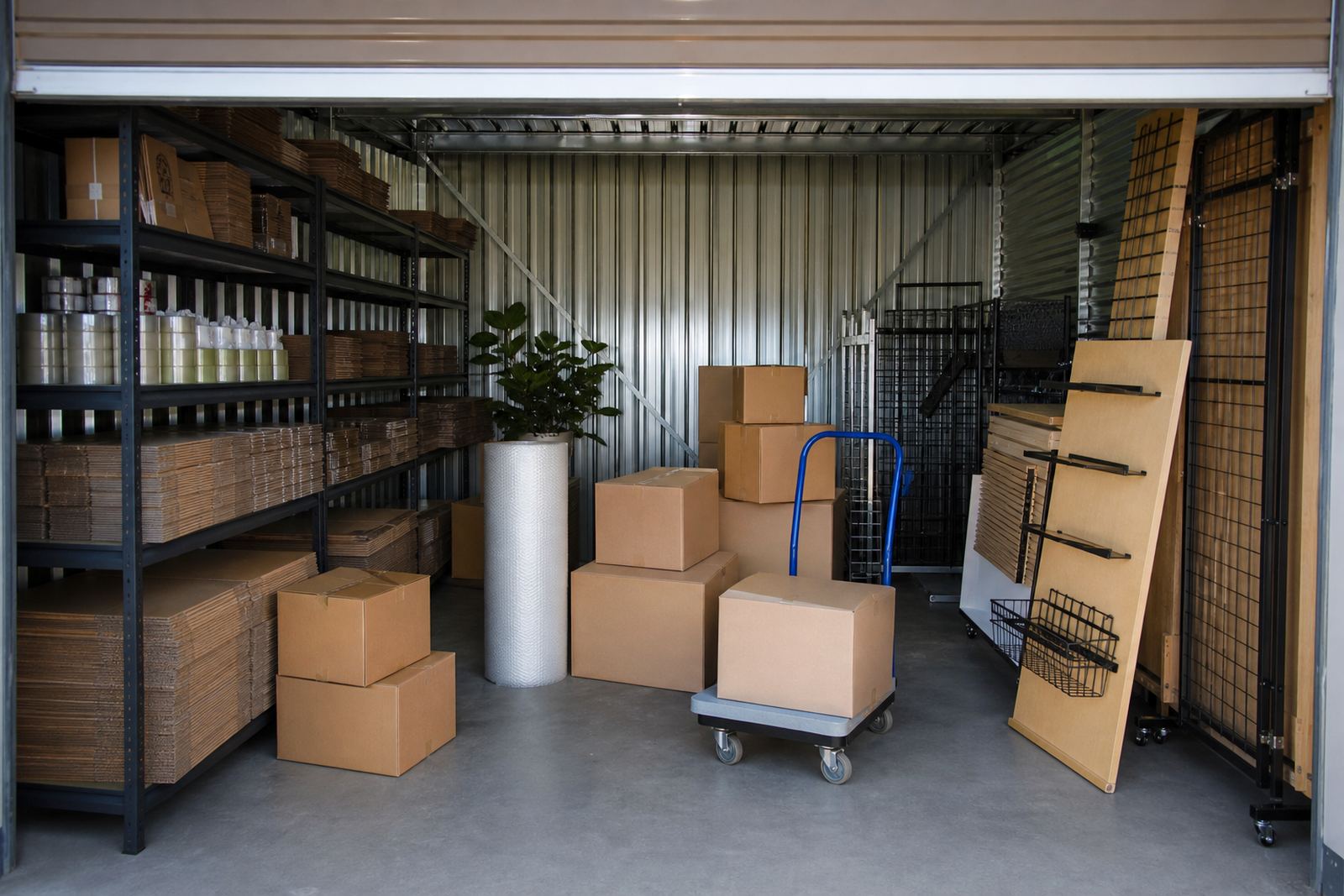
When a business leaves one site and waits for the next one to be ready, storage becomes a practical bridge. It gives you a place for workstations, chairs, archived files, printers, small appliances and boxed supplies while movers work through the move in stages. That matters in Gauteng where building access can change at short notice, lifts are booked out, and landlords expect the old space cleared before the new one is fully operational.
Office relocation storage also helps when teams are moving in phases. Your finance files may need to stay accessible, while excess furniture, sample stock or old equipment can be held separately until the final layout is confirmed. For many businesses, this reduces clutter in the new premises and keeps the move from becoming a rush job.
- Short term holding for furniture during handover delays
- Space for records, archive boxes and office consumables
- Temporary storage for surplus stock and equipment
- Better control over what moves first and what stays packed
Typical office items stored during a relocation
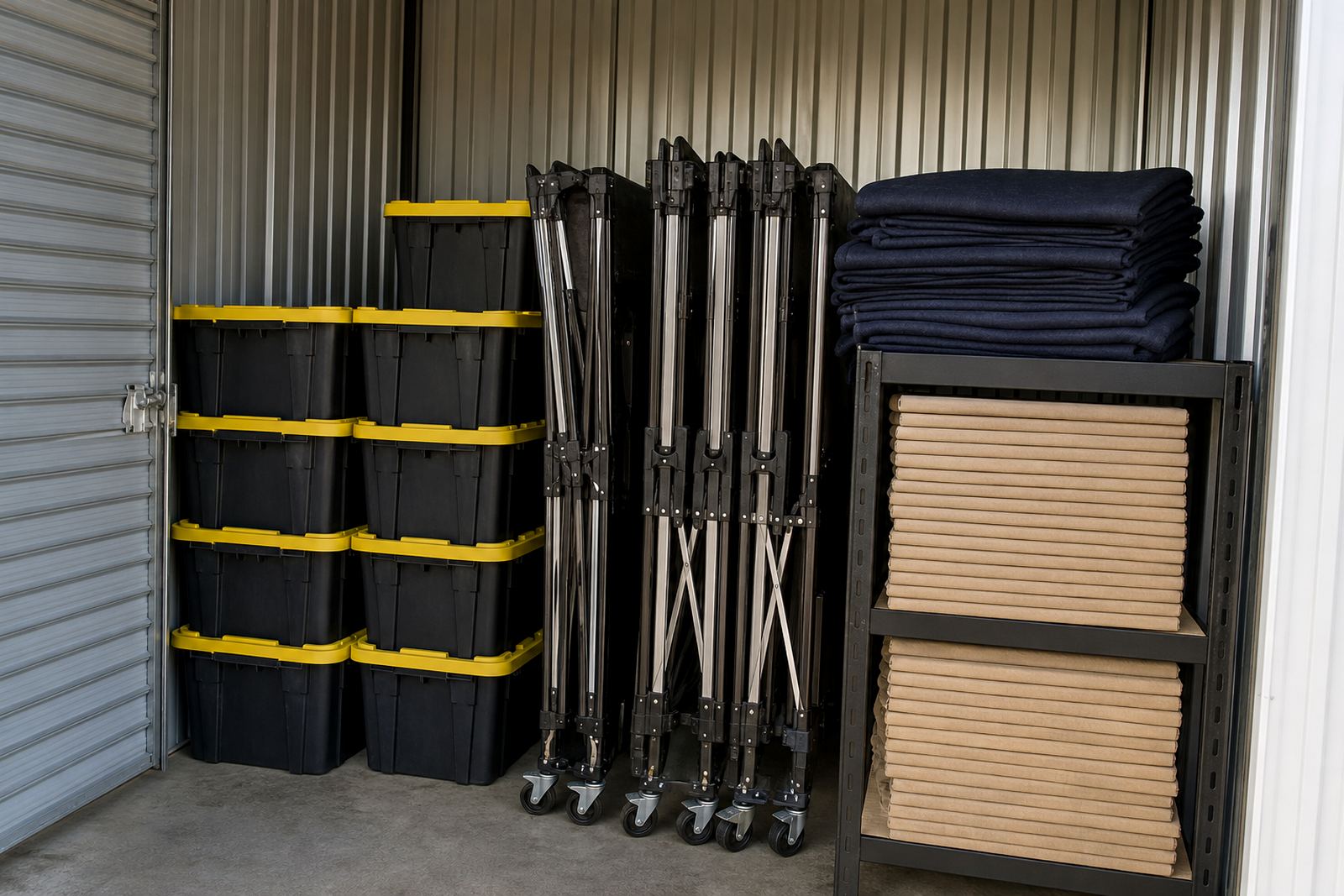
Office moves usually involve a mix of bulky, fragile and confidential items. Storage works best when these are separated by type and labelled clearly before they arrive. That makes it easier to find what you need later, and cuts down on handling when the new office is still being arranged.
Common items include counters, pedestals, office chairs, meeting tables, shelving, compactors for files, archive boxes, monitor arms, routers, stationery cupboards, sample stock and boxed IT accessories. Some businesses also store exhibition materials, point-of-sale equipment, spare screens and seasonal stock while the move is underway.
- Files and archive boxes sorted by department or year
- Furniture wrapped and labelled before loading
- IT accessories packed separately from heavier equipment
- Stock and supplies grouped for easy reissue after move-in
Layout and access planning for a smoother move
A good office relocation starts with a clear loading plan. Before anything is moved, decide what must be available on day one, what can stay in storage for weeks, and what should be disposed of. That way the storage unit becomes part of the move plan, not a last-minute dumping ground.
Many businesses in Midrand, Sandton, Randburg and Edenvale use storage to stage items in order of priority. Heavy items go in first, lighter and more frequently needed items closer to the front. Boxes should be marked on at least two sides, and sensitive files kept in sealed containers or locked cabinets where possible. It also helps to keep a simple inventory with the team member responsible for each section. Access arrangements matter too, especially where staff need to collect files during business hours or where deliveries are arriving in batches.
- Plan the move by department, not by random room clearing
- Keep a list of what is stored and where it sits in the unit
- Use a clear labelling system for urgent, medium and long term items
- Leave an aisle in the unit for checking and retrieval
Packing supplies that make office storage easier
Office packing is less about filling boxes and more about protecting records, equipment and the items you will need back in a hurry. Good packing supplies reduce damage and save time when the move is part of a larger handover process. In Gauteng, where dust and dry air can be an issue in some areas, closed boxes and proper wrapping are worth the effort.
Businesses often ask for strong cartons, tape, wrapping material, file boxes, marker pens, labels and protective covers for furniture. For larger moves, it can also help to set up a packing station where teams can sort, seal and mark boxes before the movers arrive. That keeps the process steadier and helps the office stay open for longer during the relocation period.
- Double-wall cartons for heavier office contents
- Labels and markers for department and floor numbering
- Wrapping material for screens, chairs and delicate surfaces
- Protective covers for furniture and upholstered items
Common mistakes during office relocation storage
The biggest mistake is assuming all office items are the same. They are not. Files, furniture and equipment each need a different packing and storage approach. Another common problem is leaving the sorting until moving day, which usually means mixed boxes, missing cables and no record of what went where.
Some teams also underestimate how much space archive boxes and dismantled furniture take up. A storage unit that looks fine on paper can feel too small once steel cabinets, boardroom tables and packing waste are added. It is also easy to forget about humidity near the coast or dust in open loading areas, so protective wrapping should be done properly from the start. Lastly, avoid storing urgent items in the back of the unit if your staff will need them often, because that creates avoidable delays.
- Mixing confidential files with general office clutter
- Skipping labels because the move feels temporary
- Forgetting power leads, chargers and small fittings
- Overfilling boxes so they split during handling
Budget ranges for office relocation storage in Rand
Office relocation budgets usually depend on unit size, how long you need storage, how much packing material you use, and whether access is needed during working hours. A small temporary move with a few file boxes and chairs will cost less than a full office clear-out with furniture, stock and equipment. Monthly storage can range from about R900 to R6 500 or more depending on the space required and the duration. Packing supplies can add a smaller line item, often from a few hundred Rand for basic materials to several thousand Rand for larger office moves.
It is worth building the budget around the move plan rather than guessing at the end. If you know which items are staying, which will be stored, and which will be discarded, it becomes easier to choose the right unit and avoid paying for unused space. Businesses in Johannesburg, Pretoria and Centurion often use this stage to reduce clutter and simplify the next lease, which can save money later on.
LastBox supports move-in planning, unit size guidance, business storage support, archive planning and move-out planning from its Midrand base. Clients can send an enquiry through the contact page to discuss the move and arrange the most practical storage option for the job.