
A straightforward lock for everyday unit security
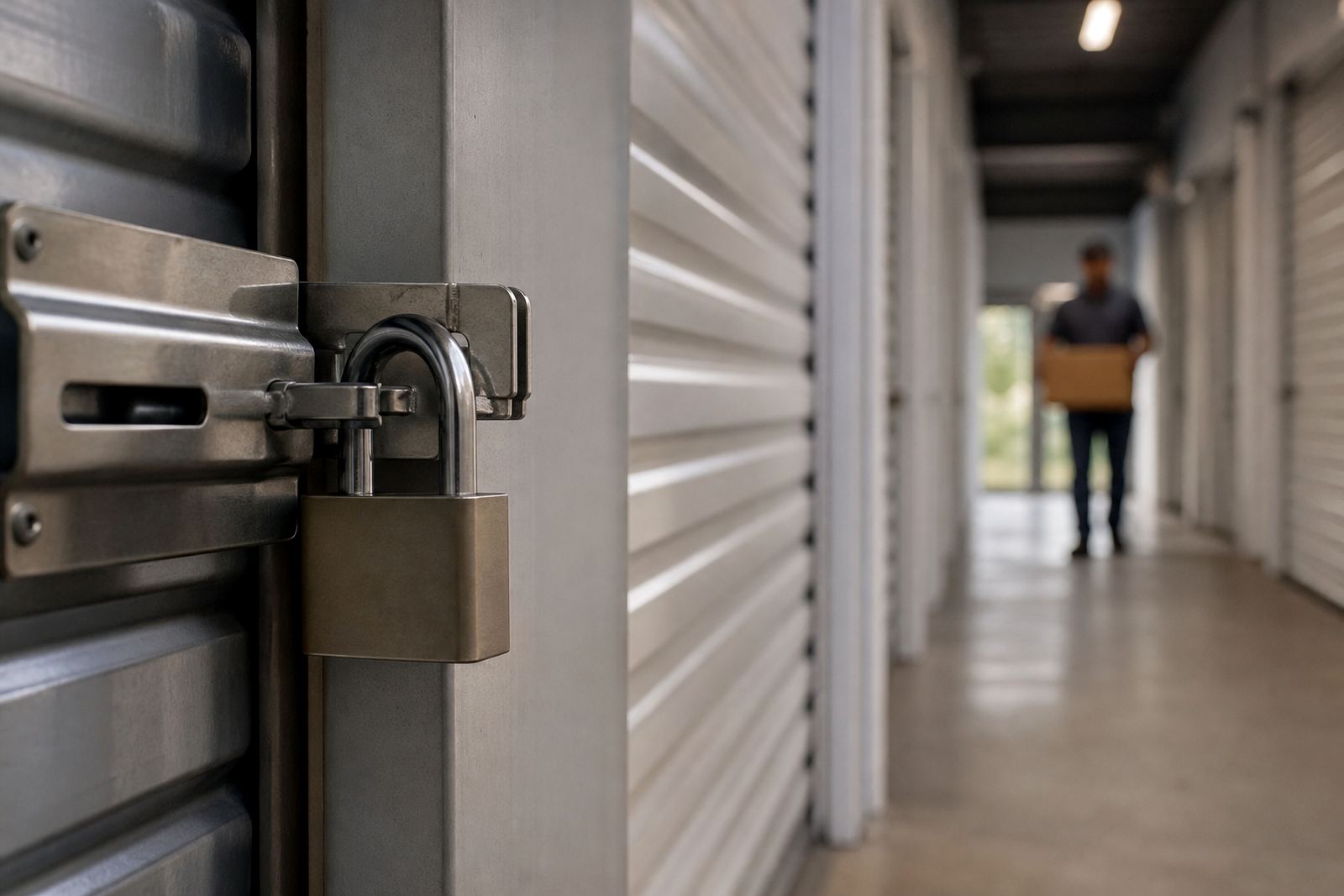
A padlock is the type of lock many customers use as the final step when securing a storage unit, external gate or lockable box. It is a practical option for people moving house, storing stock, keeping archive files safe, or holding furniture and household items between locations. The aim is simple: make access easier for the right person and harder for anyone else.
For self-storage customers in Midrand, Johannesburg, Pretoria, Centurion and Kempton Park, the right padlock needs to suit the unit latch, the amount of use, and the environment. A lock that turns smoothly and closes properly matters more than most people think.
We guide customers on the kind of lock that fits best with standard unit doors, roller-style doors, gate hasps and box storage points. Some customers prefer a compact lock for light personal storage, while others want a heavier unit for regular business access. The key is matching the lock to the space rather than buying something that looks strong but does not sit properly on the latch.
Sizes and lock options that suit different storage needs
Padlocks come in different body sizes, shackle lengths and locking styles. The best choice depends on the opening you are securing and how much clearance is available on the latch or gate. A lock with a short shackle can be neat and harder to tamper with, while a longer shackle may work better where the fitting is deeper or wider.
Common options include standard keyed padlocks, closed-shackle styles for added protection around the shackle, and weather-suitable finishes for units exposed to damp air or coastal humidity. For storage users in Pretoria or inland Gauteng, general-purpose options are often fine for dry conditions. For customers moving goods through Edenvale or storing items closer to humid areas, corrosion resistance becomes more important.
- Compact body: useful for lighter boxes, small gates and neat fitting on narrow latches.
- Medium body: a common choice for standard storage units and frequent access.
- Larger body: preferred for heavier doors, business storage points and wider hasps.
- Short shackle: offers a tighter fit where the lock point is close to the door.
- Long shackle: helps where the fixing point sits further from the latch.
We do not force a one-size-fits-all answer because it usually leads to inconvenience later. If a lock is too bulky it can knock against the door frame, while one that is too small may not close properly. Both are frustrating when you are trying to move in or out on a busy day.
Where padlocks work best across home and business storage
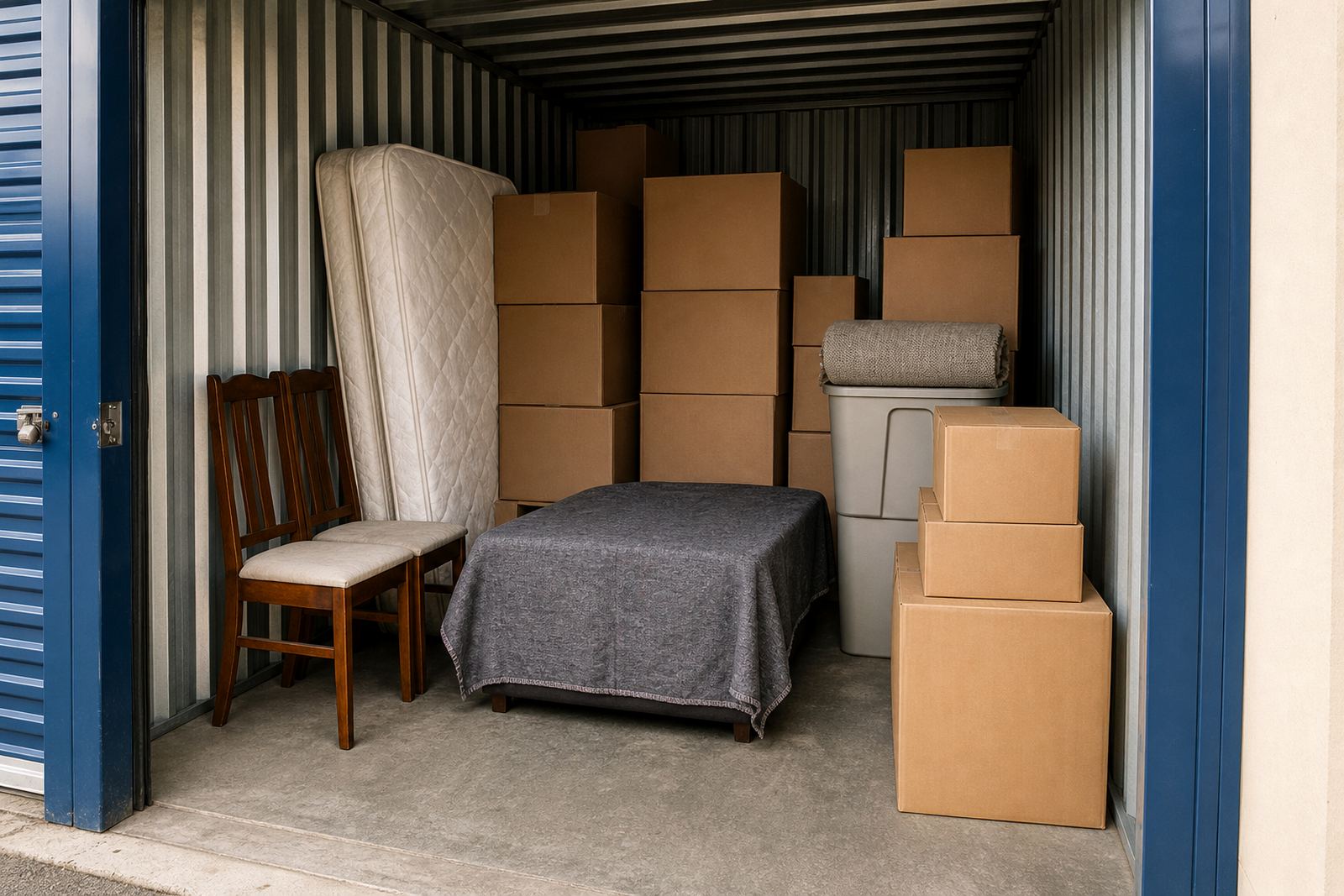
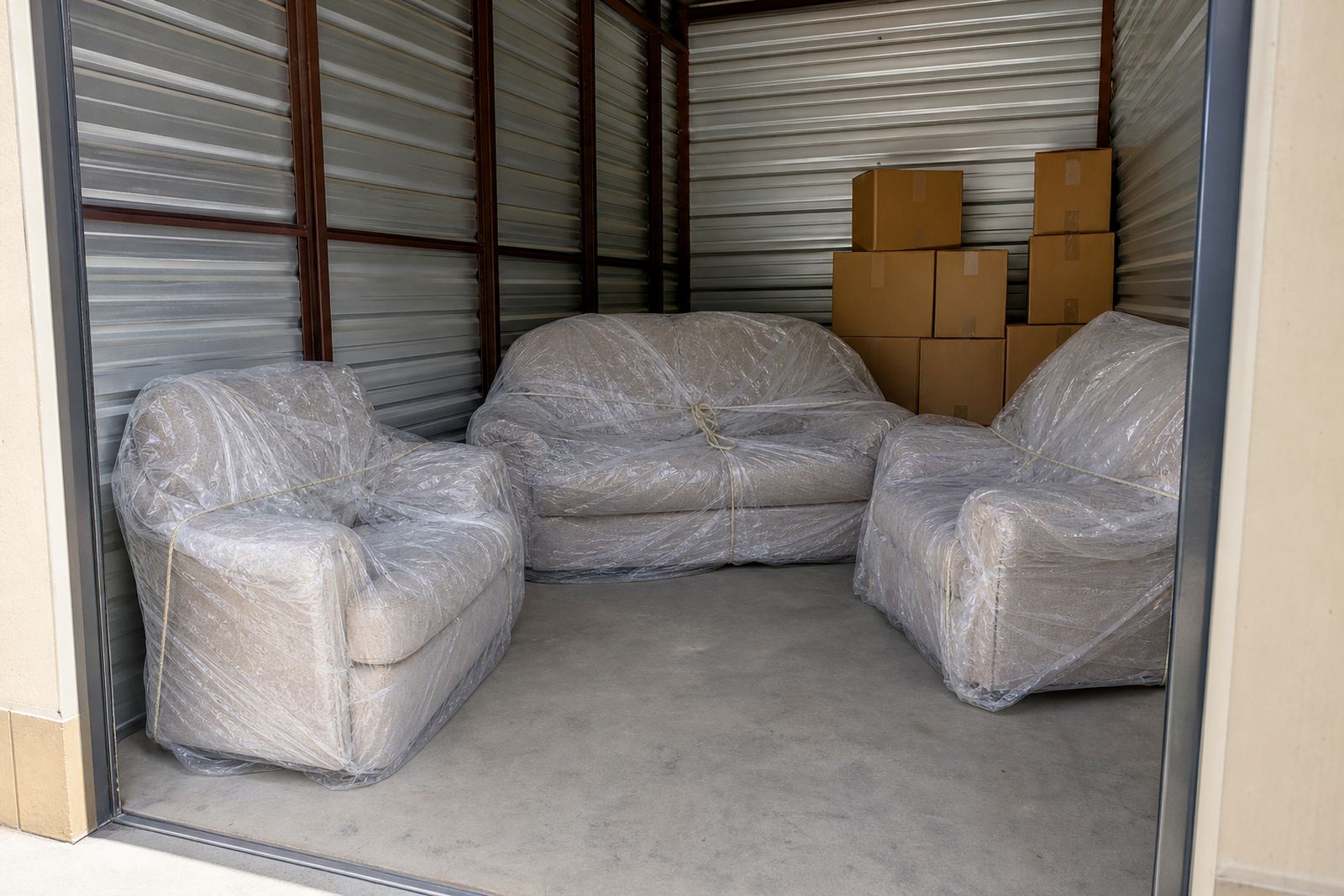
Padlocks suit a wide range of storage situations. They are commonly used for private unit doors, small business stores, record rooms, and temporary holding areas during office moves. They also work well for customers storing seasonal items, trade tools, spare furniture, display stock or student belongings between terms.
For business storage support, padlocks are often chosen for areas where staff need controlled access without changing the physical setup of the unit. That makes them useful for stock organisation, archive planning and packing station setup. If you are sharing a space or rotating items in and out often, a dependable lock helps keep the process orderly.
- Personal storage during relocation or decluttering
- Business stock and archive holding
- Student storage over holidays or between leases
- Office move support and temporary overflow storage
- Furniture, appliance and box storage between properties
Customers often ask whether a padlock alone is enough. The honest answer is that it is one part of a broader storage routine. Good unit selection, careful packing, sensible stacking and secure access arrangements all matter too. A lock supports the setup, it does not replace good storage practice.
Fitting your lock and keeping access practical
Padlocks are manual security items, fitted directly to the unit latch, gate or locking point. That keeps them simple and dependable, especially for customers who want something easy to use during regular visits.
Fitting is usually quick if the unit hardware is in good condition. The important check is whether the shackle clears the locking point and closes without strain. If the lock is rubbing, forced shut or hanging loosely, it can become awkward to open later. A neat fit also reduces wear on both the lock and the latch.
If the lock will be used often, it helps to test it a few times before leaving the unit. Check that the key turns smoothly, the shackle seats correctly and the door closes fully. In busy areas like Midrand, Sandton or Randburg, customers often want access that is quick but still controlled, so choosing a lock that opens cleanly matters.
For shared family storage or business teams, it is worth keeping one spare key in a safe place. Many access problems come from misplaced keys rather than lock failure, and that can delay a move or a stock collection by several hours.
Care for long-term use
A padlock lasts longer when it is kept clean and dry. Dust, rain and coastal moisture can work into the moving parts over time, especially if the lock is used outdoors or on a unit that opens often. Wiping it down now and then and checking the keyway for grit will help keep it usable.
If the lock starts to feel stiff, do not force it. A gentle clean and suitable lubricant can help, but heavy force may bend the key or damage the mechanism. For storage customers near busy loading areas, small knocks from trolleys or furniture corners can also affect the lock body, so regular visual checks are sensible.
We also suggest checking the shackle and housing from time to time for rust, warping or surface wear. If a lock has had years of use or has been exposed to weather, replacement is often the better option than trying to keep a tired lock going. That is especially true for business users who rely on repeated access and want fewer delays.
- Wipe the lock after rain or dusty loading days
- Keep keys separate from heavy tools and loose metal items
- Check for rust or stiffness before busy move days
- Replace worn locks before they start sticking
- Store spare keys in a known, secure place
Before you move in
Before choosing a padlock, it helps to check the size of the latch, the type of storage door, and how often you will open the unit. If you are unsure, measure the clearance around the locking point and note whether the lock must fit through a narrow opening or clear a thicker hasp. That simple step saves time and prevents the wrong fit.
You should also think about the items being stored. A unit holding archive boxes, retail stock or office files may need a different kind of access than one used for a few household items. For customers taking advantage of our move-in support, packing supply advice or unit size guidance, this is often part of the same conversation because the lock choice should match the way the unit will actually be used.
When ordering, ask yourself:
- Does the lock need to suit an indoor or outdoor storage point?
- Will access be daily, weekly or only occasionally?
- Is the latch narrow, wide, short or set back?
- Will the lock need better resistance against moisture?
- Are spare keys needed for family or staff use?
- Is the lock for a private unit, business stock area or temporary move storage?
If you are still unsure, the safest choice is the one that fits correctly, opens smoothly and matches the conditions where it will be used. A well chosen padlock gives peace of mind without slowing down your access.
Unit details
| Product type | Padlock for storage units, gates and lockable storage points |
|---|---|
| Typical use | Self-storage units, business storage, boxes, archive rooms and move-in holding areas |
| Size options | Compact, medium and larger body sizes with short or long shackle choices |
| Material guidance | General-purpose and weather-suitable finishes, depending on exposure and use |
| Fitting | Fits by hand to an existing latch or locking point |
| Care | Keep clean, dry and checked for wear, stiffness or rust |