
What furniture covers do in storage and during a move
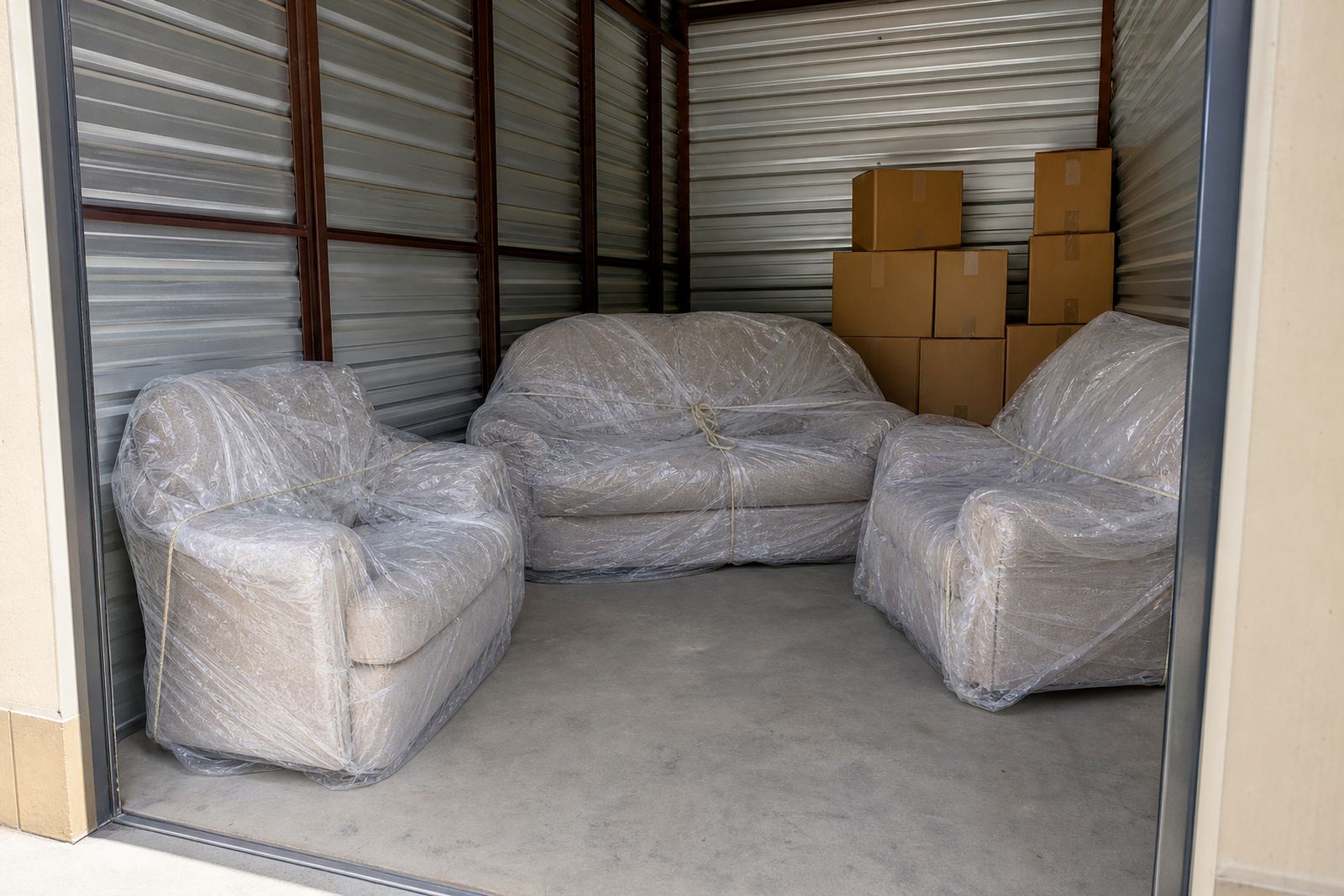
Furniture covers are used to keep dust, scuff marks and light surface dirt off household pieces while they are being carried, loaded or stored. They are especially useful when furniture will sit in a unit for a few weeks or several months, or when there is a gap between moving out and moving in. In Gauteng, where dust, traffic grime and sudden weather changes are common, a proper cover helps keep upholstery and finished surfaces in better condition.
These covers are made for practical protection, not decoration. They help reduce the amount of cleaning needed later and make it easier to stack or position items inside a storage unit. For items like dining chairs, couches, ottomans and lounge suites, a cover can make handling easier too because loose fabric and small scratches are less likely during loading.
- Helps keep furniture cleaner while stored
- Reduces rubbing during transport and stacking
- Useful for short term moves and longer storage stays
- Suits homes, offices and rental properties
Cover types and sizing for household pieces
Different furniture pieces need different cover styles. A sofa cover is usually wider and deeper than a chair cover, while a corner unit or chaise needs more generous material to avoid exposed areas. Some customers prefer fitted covers for a neater hold, while others choose looser covers that are easier to get on and off. The right option depends on the shape of the item, how often it will be moved, and whether it will stand in a stackable storage area.
When ordering, it helps to have the overall length, width and height of each piece on hand. This makes it easier to match the cover to the item instead of guessing. If the furniture has high arms, thick cushions, recliners, or unusual shapes, a slightly larger cover may be the better option. The aim is to keep the material from pulling too tight because that can leave exposed sections or split at the seams over time.
- Light covers for short term use and quick moves
- Heavier covers for longer storage periods
- Options for sofas, armchairs, dining chairs and ottomans
- Oversized choices for bulkier lounge pieces
For business storage, it is also worth grouping similar furniture together so that one cover size can be used across more than one item. That saves time during packing and makes the storage area easier to organise.
Where furniture covers suit best in Midrand and beyond
Furniture covers are useful in many storage situations across Gauteng. In Midrand, they are often used by families moving between homes, landlords preparing a property for new tenants, and small businesses keeping office furniture in safe keeping. They also suit students and young professionals who need to store a couch or table for a term break or while relocating.
In areas like Sandton, Randburg and Johannesburg central, furniture can spend time in storage while renovations are under way. In Pretoria, Centurion and Kempton Park, covers are handy when households are reducing clutter or managing a staged move. They are also useful where furniture is kept in a garage, lock-up, or a storage unit with regular access. If the unit is near a coastal route or a humid area, it is even more important to keep items covered and dry, because moisture can affect fabric and timber finishes.
- Home moves and temporary relocation
- Renovations, repainting and room clear-outs
- Office or reception furniture storage
- Student and family short term storage
Fitting covers properly before storage or loading
Fitting a furniture cover should be straightforward. The piece should be clean and dry before the cover goes on, then the cover should be pulled into place so it sits evenly over the arms, seat and backrest. Sharp edges, exposed legs or loose fittings should be checked first, because they can snag the material. If an item has removable cushions, it may help to cover the main frame and pack the cushions separately in clean bags or wrapped bundles.
For storage units, it is sensible to keep covered furniture off damp floors where possible and leave some space around the item so air can move. Covers are not a substitute for a dry unit, but they do add an extra layer of care. If furniture is going into a business unit or archive area, label the pieces clearly so they can be identified without opening every cover.
- Clean and dry the item before covering
- Check for loose screws, broken feet or sharp corners
- Pack cushions separately if needed
- Keep covered items slightly off the floor where practical
How to care for covers while items are in storage
If a cover becomes dusty, it can usually be wiped down or shaken out before being refitted. For fabric covers, follow the care instructions on the product and avoid using harsh cleaners that may weaken the material. If the cover is reusable, keep it folded neatly so it does not take up too much space in the unit.
Furniture stored for long periods benefits from regular inspection. Look for signs of moisture, pests, or pressure marks from items stacked too close together. A cover is there to protect the surface, but the storage area also needs to be orderly and dry. In some cases a customer may need extra packing supplies, such as wrap, tape or labels, to manage the rest of the move properly.
- Inspect covers during long storage periods
- Keep them clean and folded when not in use
- Avoid harsh chemicals and rough scrubbing
- Use labels if several pieces are stored together
Before you move in
Before ordering furniture covers, it helps to confirm the type of furniture, the approximate size, and how long the item will be stored. A small chair cover and a large sofa cover are not interchangeable, so measurements matter. Check whether the piece has loose arms, a recliner footrest, a chaise section or other special shape. If the furniture is being moved through narrow passages or lifts, a cover that is easier to fit and remove may save time.
It is also useful to think about the storage setting. A covered lounge suite in a home garage may need different handling from office seating going into a busy storage unit with frequent access. Customers should also consider whether they need related packing supplies at the same time, such as boxes for loose items, wrap for glass tables, or labels for a move. If you are unsure, ask for sizing guidance before ordering so the cover matches the job properly.
- Confirm the furniture type and main measurements
- Check if the item has unusual shapes or detachable parts
- Consider the storage period and access needs
- Order related packing supplies if needed
LastBox assists customers across Midrand and surrounding Gauteng areas with practical storage support, packing supply advice and unit guidance. Enquiries can be sent through the contact page when you need help choosing the right cover for the job. Our Midrand base supports households and businesses that want their furniture kept in better condition while it is not in use.
Unit details
| Product type | Furniture covers for household and office pieces |
|---|---|
| Primary use | Protection during storage, moving and temporary hold periods |
| Suitable items | Sofas, chairs, armchairs, ottomans and similar furniture |
| Size approach | Chosen to match item length, width and height, with oversized options where needed |
| Care | Keep clean, dry and folded; inspect regularly during storage |