

Clear labelling for boxes, shelves and archive packs
Labels and markers help you identify what is inside each box, tote, archive pack or shelf bay before anything gets moved. That means faster unloading, less handling and fewer mix-ups when items are stacked in storage or transported between Midrand, Johannesburg, Pretoria, Centurion and Kempton Park.
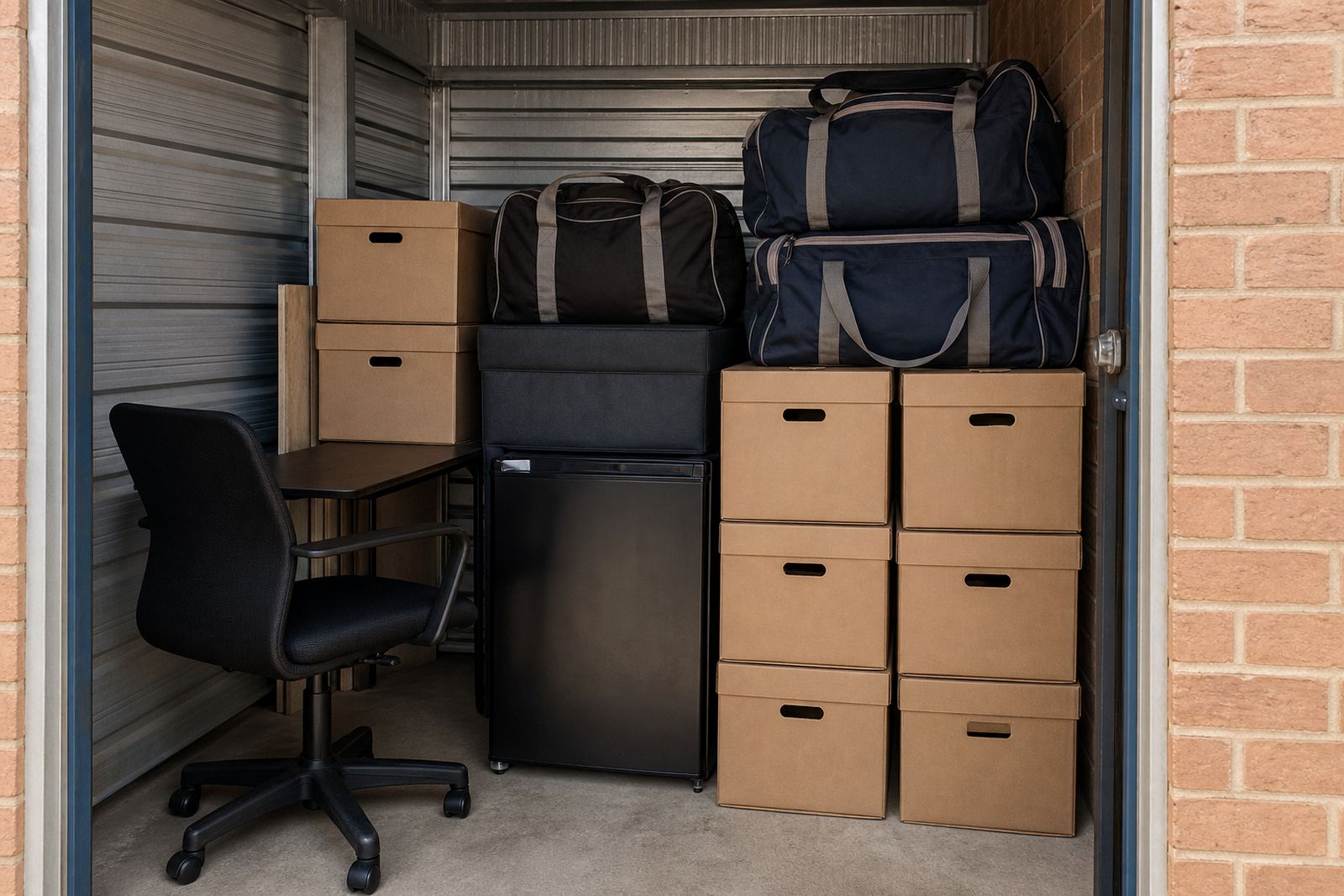
For self-storage users, good labelling is especially useful for seasonal goods, household overflow, student items and business stock. It also helps when you need to find one file, one cable box or one decor carton instead of opening ten others, which saves time and a lot of hassle.
- Write short item descriptions, room names or stock codes
- Mark fragile, top load only and keep dry notes clearly
- Use colour to separate home, office or stock categories
- Number boxes in sequence for quick checking at move-in
Marker types and label sizes that suit different jobs
LastBox supplies everyday labelling options for moving, storage and stock handling. Common choices include adhesive labels, card tags, plastic tag sleeves and permanent markers for carton sides, file boxes and storage crates. Smaller labels suit files and small parts, while larger labels are easier to read on high shelves or long rows of packed cartons.
For most users, the best setup is a mix of large box labels and fine tip markers for notes. If you are handling goods with barcodes or repeated stock movements, choose labels that leave space for codes, dates and short notes. A neat label system makes a big difference when inventory starts to grow.
- Adhesive labels for clean carton sides and file packs
- Writable tags for reusable containers and crates
- Permanent markers for plain box surfaces and tape
- Colour markers for sorting by room, department or client
Where labels and markers are most useful
These supplies suit almost any storage or moving job. Home users rely on them for decluttering, garage packing and seasonal items. Students use them for room moves and holiday storage, while offices use them for archive boxes, stationery stock, IT accessories and move-out sorting. They are also handy for small businesses with repeat stock deliveries or packed shelves.
If your items are going into a self-storage unit, labels help with access planning because you can keep like items together and leave a clear aisle if needed. They are also useful for businesses storing samples, tools or printed material, especially when stock has to be rotated or checked often.
- Home moves and decluttering
- Student storage during holidays or internships
- Office moves and archive planning
- Business stock organisation and packing stations
Practical use around Gauteng storage units and move days
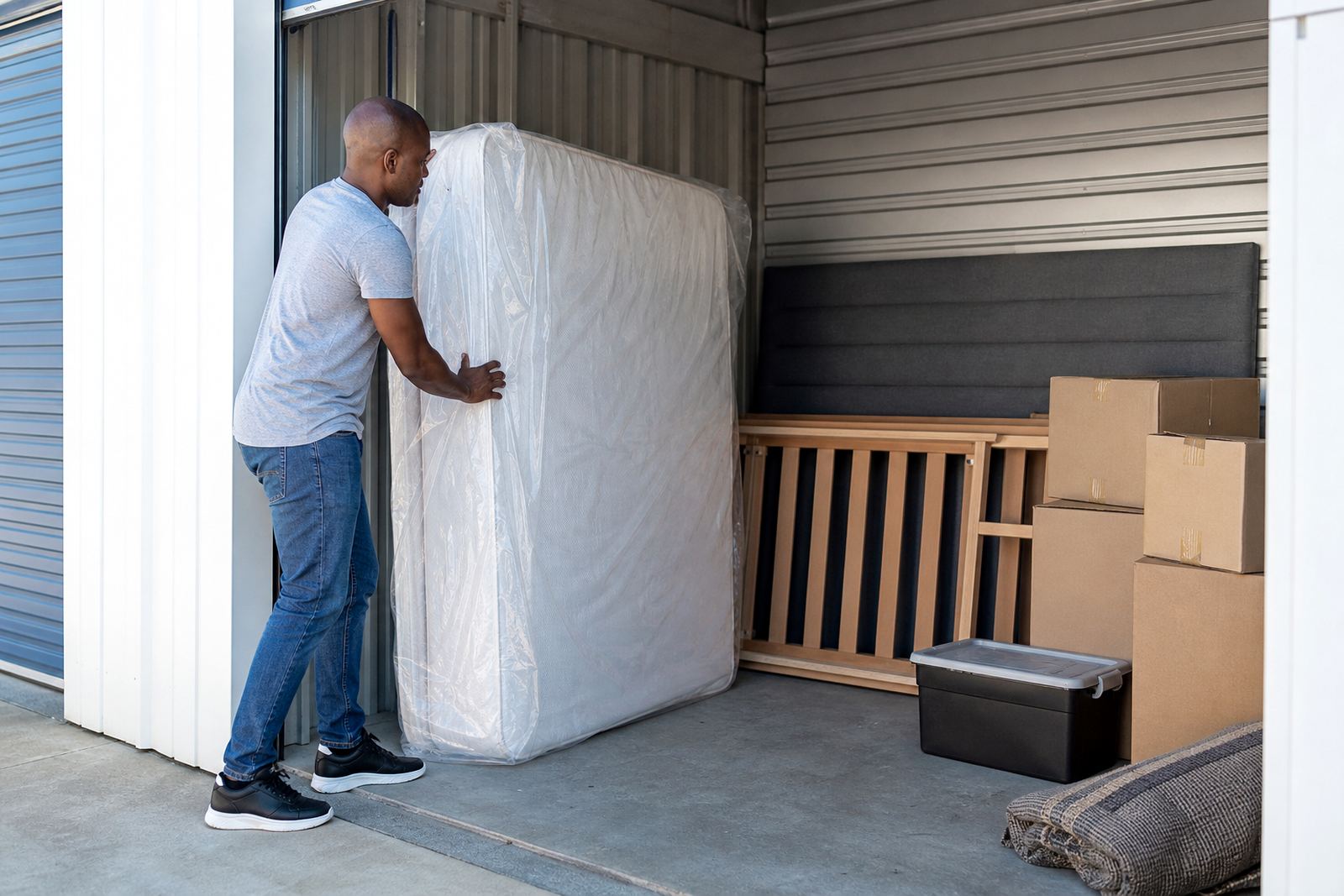
If the lift is out or access is tight, staff and movers can still identify which boxes go where without extra unpacking. That is useful in Midrand business parks, Pretoria office blocks and residential complexes with access rules.
For coastal-style moisture is less of a concern inland, but humidity, rain and dust still affect paper labels, so choosing the right type matters. If boxes may sit for a while before collection, use labels that stay readable and markers that do not smudge easily. It helps to label both the top and one side of each box, just in case the stack shifts a bit.
Labelling before you load the unit
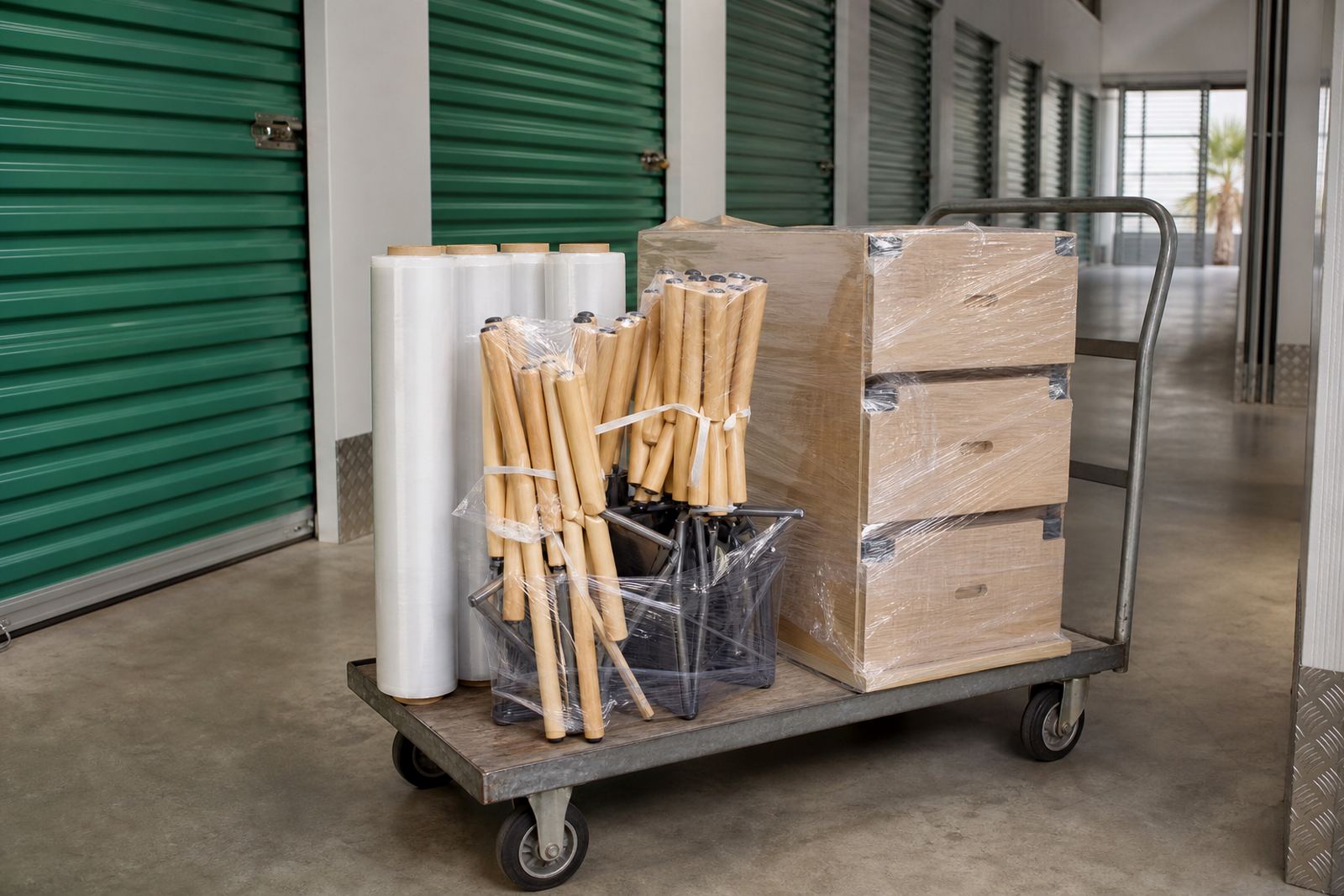
Labels and markers are ready to use straight away, which makes them one of the easiest packing supplies to keep on hand. A flat writing surface, a clean box and enough space to sort items are usually all you need.
If you are setting up a packing station at home or at work, keep labels, markers, tape and scissors together in one place so the process stays orderly.
- Works with cartons, crates, files and shelving
- Suitable for temporary packing stations and back rooms
Care, storage and re-ordering of supplies
To keep labels and markers in good condition, store them in a dry place away from direct sun and high heat. Caps should be replaced after use so the ink does not dry out. Adhesive labels should be kept flat in their packs to stop curling, and rolls of labels should not be left in damp areas or near open windows for long periods.
If you are packing for ongoing use, it helps to keep spare markers and labels in a dedicated container inside the unit or in the office store room. That way you are not hunting for supplies when a new delivery arrives or when you need to update box contents. A small stock buffer is useful for busy teams and it avoids last minute shortages.
Before you move in
Before ordering labels and markers, think about what you are labelling, how often the items will be moved, and whether you need writing, colour coding or both. It also helps to check the surface of your boxes or containers, because some finishes hold adhesive better than others. If the items will be handled often, choose supplies that are easy to read and quick to apply.
Ask yourself whether you need a simple home move set, a larger office stock pack or supplies for a storage room with repeated access. If you are labelling archive boxes, make space for dates and folder notes. If you are marking business stock, include product type, quantity and intake date. Good labelling is small work at the start, but it saves time later, honestly.
- Check the surface type: cardboard, plastic or file board
- Decide if you need permanent, removable or writable labels
- Confirm how much space you need for notes or codes
- Choose colours that match your rooms, shelves or stock groups
Unit details
| Product type | Labels and markers for storage, moving and stock organisation |
|---|---|
| Use | Box identification, shelf marking, archive sorting and packing stations |
| Options | Adhesive labels, writable tags, plastic sleeves and permanent markers |
| Formats | Small, medium and large labels with fine tip and broad tip marker options |
| Surface compatibility | Cardboard, plastic crates, file boxes, tape and shelving |
| Care | Store dry, capped and away from direct sun and high heat |