
What large storage units are used for
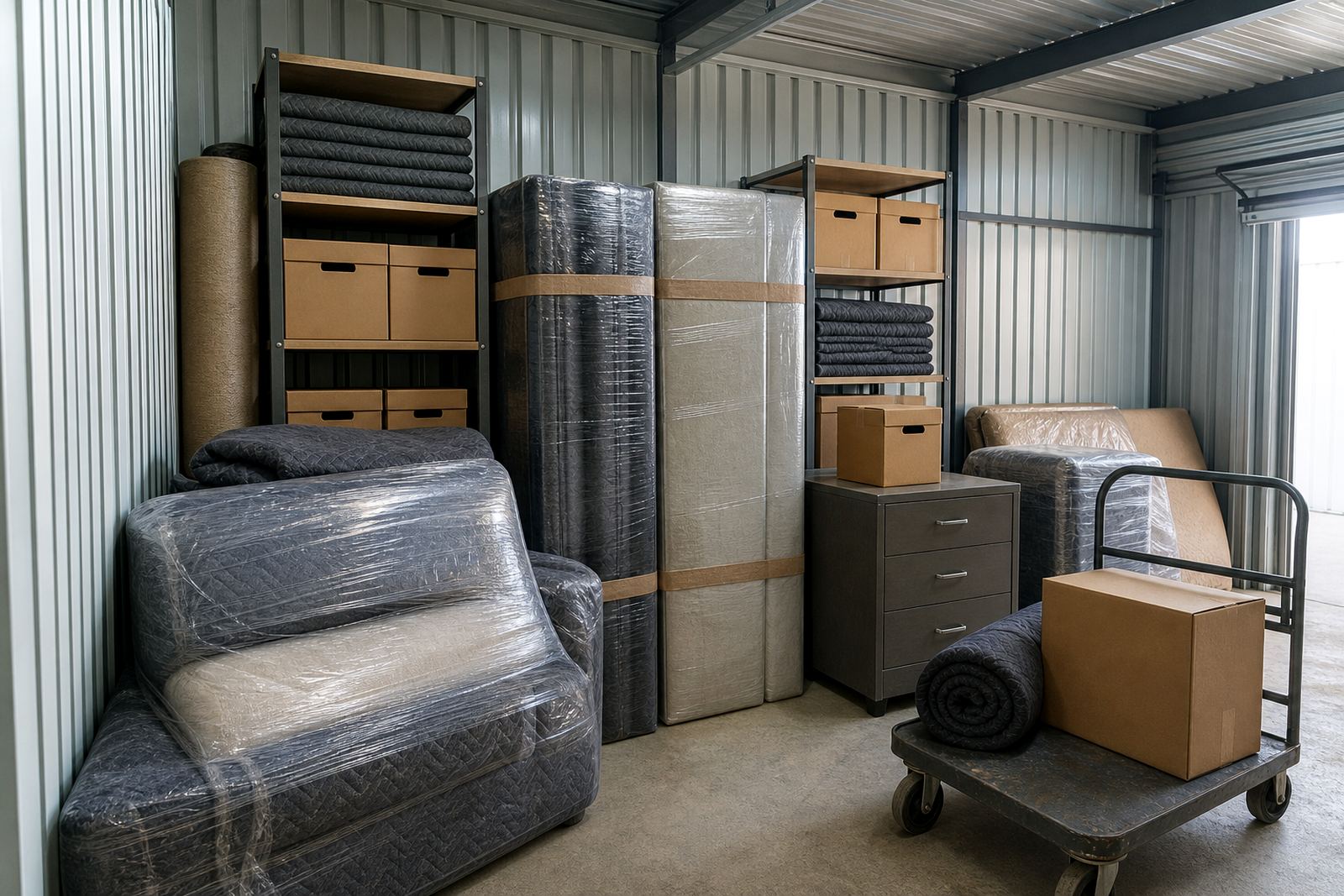
Large storage units are designed for customers who need more than a few boxes stored safely in one place. They work well for full or partial house moves, furniture between properties, office contents during a relocation, business stock, event equipment and long term overflow items. If you are clearing a home in Midrand, moving an office from Sandton or holding stock for a branch in Pretoria, a bigger unit gives you room to organise things properly rather than stacking everything in a rush.
They are also useful when you need to keep items dry, off the floor and easy to reach. For many customers the main value is simple, predictable space with access arranged around the way they actually work.
Size options and how to choose the right fit
Large units are available in a range of larger formats, from extra roomy spaces for household furniture to bigger storage bays for commercial stock and archive material. The right choice depends on what you are storing, how often you need access and whether items will stay for a short period or for several months. A single large unit can suit a family move with beds, appliances and packed cartons, while a business may need a wider space for shelves, cartons and equipment handling areas.
When deciding on size, think beyond the item count. Allow space for walking in, turning trolleys, and separating items by category. If you are storing business stock, leave a clear aisle so you can reach older cartons without unpacking everything. If you are storing household goods, keep fragile items and heavy pieces apart. A little planning now saves a lot of lifting later, and it also helps when you need to find things quickly.
- Best for full household furniture and packed boxes
- Suitable for office contents, shelves and filing cartons
- Useful for bulk stock, display items and equipment
- Allows organised stacking with space for access
Where large units suit homes, offices and trade stock
Large storage units suit a wide mix of customers across Midrand, Johannesburg, Pretoria, Centurion and Kempton Park. Homeowners use them during moves, renovations and decluttering projects. Students and families sometimes share one bigger unit when items need to be kept together for a few months. Businesses use them for office furniture, archived records, spare fittings, samples and stock that must stay secure while space is being reworked or a move is under way.
Trade customers often need more than just storage. They need a place to sort stock, stage outgoing cartons and keep categories separate by site or client. That is where larger units help, because they can support organised packing, short term holding and planned retrieval. For a business in Centurion or Edenvale, the space can function as a practical back-up point while deliveries are being scheduled and teams are rotating through different work sites.
Access, security and site arrangements
Access should be checked before you book a large unit, especially if you expect frequent visits or a vehicle with a bigger load. Ask how access is arranged, when you can collect items and whether there are any site rules for loading, parking or after-hours entry. Some customers need regular access for business stock, while others only need an occasional visit for seasonal items or file boxes. The more clearly you plan that access, the smoother the storage period will be.
Security matters as much as size. A good storage site should have controlled entry, monitored movement and clear rules around who may enter the premises. It should also be easy to keep your own unit organised, with goods packed so doors close properly and nothing is left loose on the floor. In a large unit, even a small gap can turn into a problem if boxes are stacked badly or if a pallet is moved without care. Keep high-value items recorded and avoid leaving anything unlabelled.
- Check gate access and site operating times
- Ask how vehicle entry and loading are managed
- Confirm whether you need regular or occasional access
- Keep an inventory for business stock or archive files
Getting your unit ready
Large storage units are normally chosen for dry goods, furniture, boxes and business items, so the first question is what must and must not go inside. If you have equipment with batteries, fuel, charging needs or special handling instructions, check those requirements before you book.
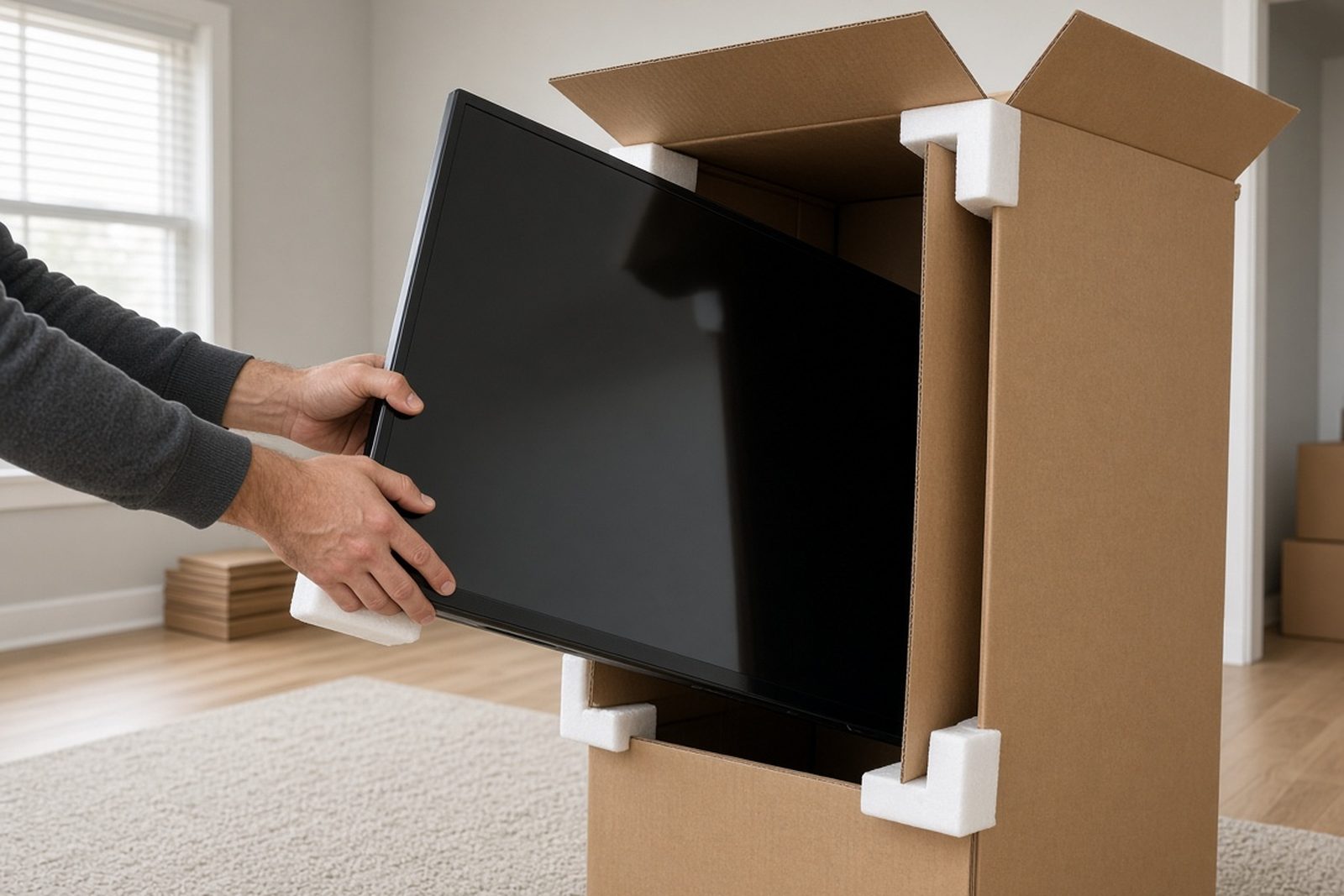
If your stock includes devices, isolate or remove the batteries before storage. For items that are sensitive to temperature, moisture or dust, use sealed boxes, plastic sheeting or pallets where suitable, especially in the rainy season when condensation can be an issue.
Care and packing standards
Keeping a large unit in good condition starts with proper packing. Use strong cartons, label each box clearly and place heavier items at the bottom. Furniture should be cleaned before storage, dried fully and protected with covers that still allow airflow where needed. If you are storing archive boxes, keep them off the floor on pallets or shelves to reduce the chance of damp. Good packing also makes each visit easier, because the unit stays neat and accessible for your next visit.
It helps to revisit the unit from time to time and check for settled boxes, loose wrapping or anything that has moved after a delivery. If the storage period is longer, ask whether your arrangement needs a quick review so access remains practical. A small tidy-up now and then can prevent damage and make your move-out faster later on, especially when stock must leave on a strict schedule. We also recommend checking labels before each visit so you can find items without opening every carton.
- Use clean, dry cartons and proper sealing tape
- Keep items off the floor where possible
- Label by room, department or stock category
- Review packed goods after delivery and after storms
Before you move in
Before you book, work through a short checklist so the unit matches your needs from day one. Confirm the volume of items you have, the type of goods being stored, how often you need access and whether you will need help with move-in or move-out planning. If you are storing business stock, think about how items will be rotated and whether the unit should support regular picking. If you are moving home, think about the largest furniture pieces and whether they can be placed inside with room to spare.
You should also ask about entry arrangements, security procedures and any site rules that affect loading times or vehicle size. For customers across Midrand, Johannesburg, Pretoria, Centurion and Kempton Park, these practical details matter just as much as the unit itself. Once those basics are clear, it becomes much easier to plan packing supplies, schedule delivery and keep the store organised until you need everything back again.
- Confirm the type and amount of goods to be stored
- Check access arrangements and site operating times
- Ask what items are restricted or need special handling
- Plan packing supplies before the move-in day
Unit details
| Product type | Large self-storage units for household and business use |
|---|---|
| Location | Midrand base, serving Gauteng |
| Areas served | Johannesburg, Pretoria, Centurion, Kempton Park, Sandton, Randburg and Edenvale |
| Typical uses | Bigger moves, office contents, archive storage, bulk stock and decluttering |
| Access planning | Arrange access through the enquiry form on the contact page |
| Support services | Move-In Support, Unit Size Guidance, Business Storage Support and Move-Out Planning |