
Packing paper for safer wrapping and cleaner storage
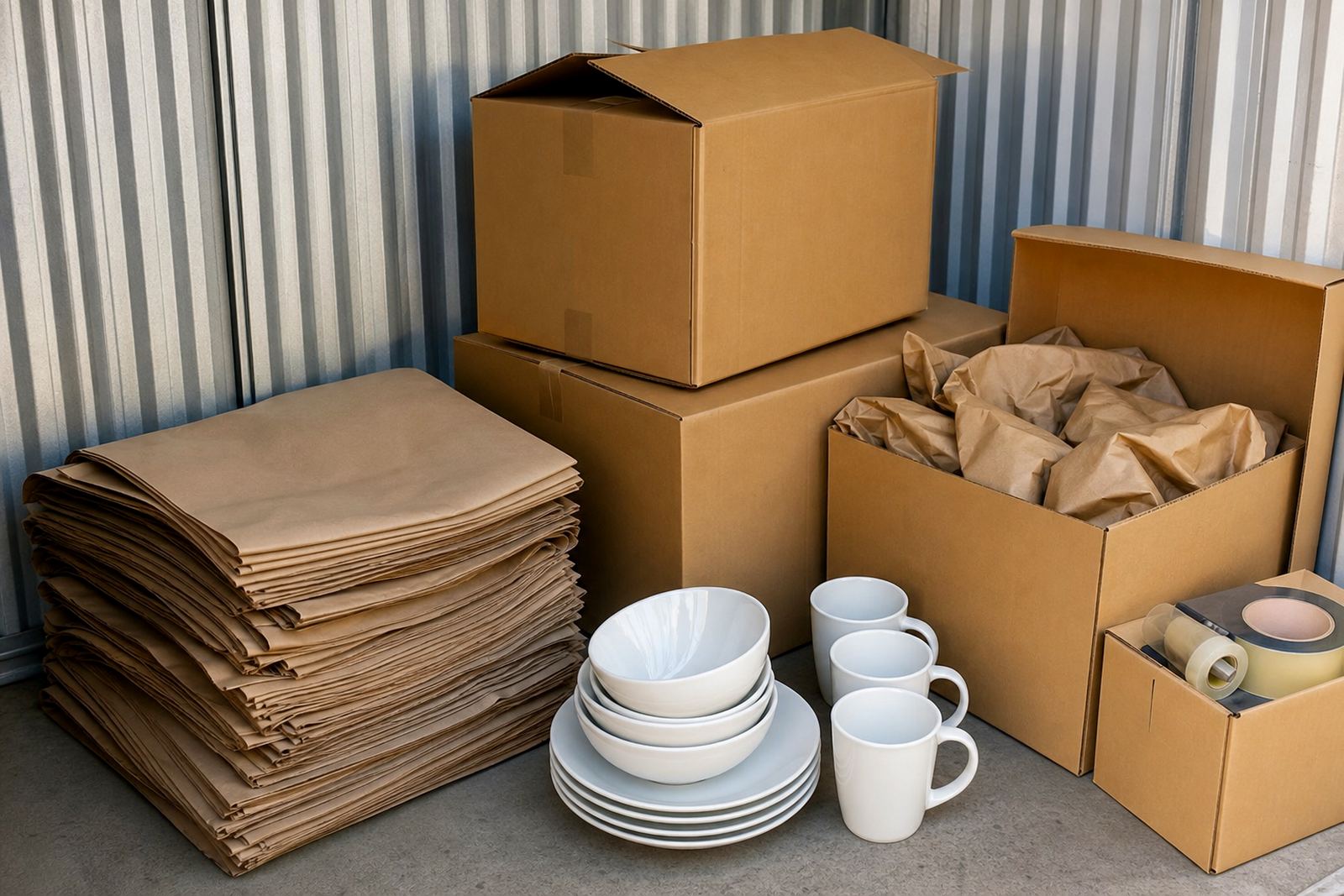
Packing paper is a plain, uncoated paper used to wrap fragile household and business items before they go into boxes or storage units. It works well for plates, mugs, glassware, framed pictures, ornaments and polished surfaces that need a bit of protection from scratches and dust. Because it is easy to tear, fold and shape, it suits fast packing jobs where you need decent coverage without adding much bulk.
In Midrand and the surrounding Gauteng areas, packing paper is often used by families moving between suburbs, students packing up rooms, and businesses setting aside stock or archive items. It is also handy where you need to separate items inside a box so they do not knock against each other during transport or while stored for a few months.
- Use for crockery, ornaments, small appliances and picture frames
- Helps reduce surface marks and minor chips during handling
- Useful for homes, offices, shops and archive packing
- Fits neatly into moving boxes without taking up too much space
Sizes and packing options that suit different jobs
Packing paper is usually supplied in manageable packs or reams so you can choose an amount that matches the size of the move. Smaller pack sizes suit a flat, a single room, or a few delicate items from the kitchen. Larger packs are more practical for full house moves, office packing stations, or business stock that needs careful wrapping before storage.
If you are packing by section, it helps to think about how much paper each room needs. Kitchens and display cupboards usually need more than bedrooms. If you are moving from a home in Sandton to a storage unit in Midrand, for example, it is worth allowing extra paper for glasses, serving dishes and loose decorative pieces. A small bit extra is better than running short halfway through.
- Available in practical pack sizes for small and larger packing jobs
- Suitable for room-by-room packing or mixed household cartons
- Can be used with boxes, tape and labels as part of a full packing set
- Good for separating layers inside cartons to help keep items steady
Where packing paper works best in homes and businesses
This product suits a wide range of packing jobs across Midrand, Johannesburg, Pretoria, Centurion and Kempton Park. At home, it is useful for kitchenware, ornaments, lampshades and bathroom accessories. In offices, it can be used for file items, framed certificates, small display pieces and equipment parts that should not rub together. For retail and stock storage, it is handy for separating fragile stock before it goes into a unit.
It is especially useful where items may sit in storage for a time, because it helps keep dust off surfaces and gives a bit of cushioning between layers. In coastal humidity is less of a concern in Gauteng than along the coast, but boxes still benefit from clean, dry packing and proper sealing. If a unit is being used for business overflow, neat wrapping makes stock easier to count and stack later.
- Home moves and decluttering projects
- Student storage between terms or rentals
- Office moves, archives and equipment packing
- Business stock organisation and display items
How to use it with boxes, tape and storage units
You simply keep it dry, tear off sheets as needed, and wrap items before placing them in boxes. For best results, fill empty spaces in boxes so items do not shift around. Use sturdy cartons and seal them properly with packing tape, then label the box clearly so you know what is inside later.
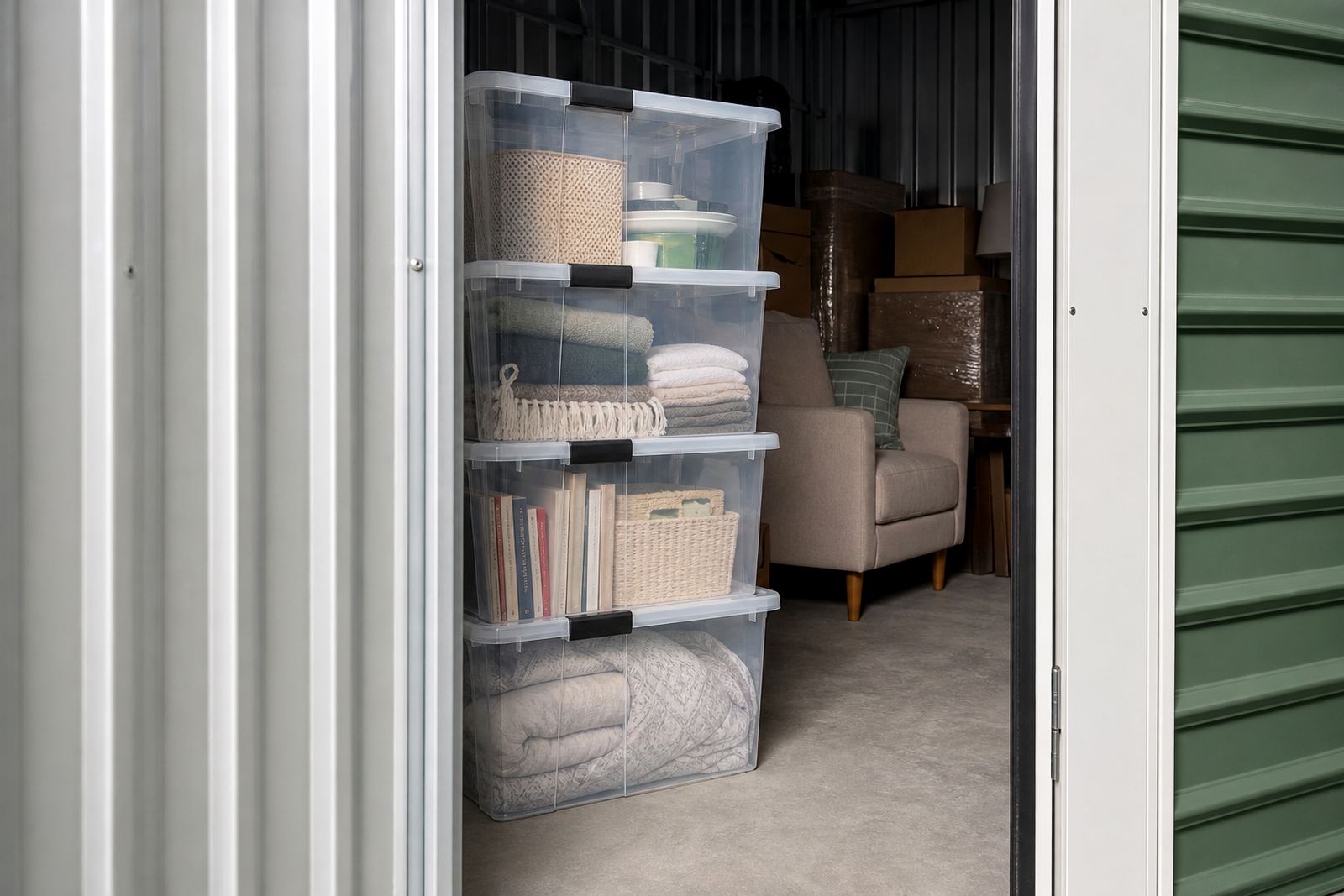
When storing packed items in a unit, place the heavier cartons at the bottom and keep fragile boxes above them. Leave a narrow aisle if you may need access to the unit again.
- Works with standard moving boxes and tape
- Best stored in a clean dry place away from damp floors
Care and storage for paper supplies
Packing paper needs very little care, but it should be kept dry and flat if possible. Do not leave packs on concrete floors where moisture can creep in, especially in garages or storage rooms that are opened often. If the paper becomes damp, it can lose strength and be less effective around crockery or polished surfaces. Store opened packs inside a box or on a shelf so sheets stay clean and ready to use.
For ongoing use in a business, it helps to keep a small stock in your packing station and top up before a busy move-out period. Shops, offices and storage customers often find it useful to keep paper near the tape, markers and boxes so the packing process moves faster. One small packing station can save a lot of time, especially when staff are handling stock on a tight schedule.
- Keep packs dry and off the floor
- Store away from sharp tools and wet cleaning areas
- Check sheets before use if the pack has been opened for a while
- Good for repeated use across several packing sessions
What to check before ordering packing paper
Before ordering, check what you are wrapping and how much of it needs protection. A kitchen move calls for more sheets than a bedroom move, while business stock may need extra layers for fragile or high value items. It also helps to know whether you are packing for immediate transport or for storage over a longer period, because that affects how carefully items should be wrapped and boxed.
Also check the type of cartons you plan to use, and whether you need extra packing materials such as tape, markers, bubble wrap or box dividers. If you are moving in Gauteng during a busy month, it is sensible to allow a little more paper than you think you will need. Running short halfway through packing is a nuisance, and nobody wants to rewrap cups with odd scraps at the end.
- Count fragile items room by room before ordering
- Allow extra sheets for glassware, lamps and framed pieces
- Match the paper supply to your box count and move size
- Check if you need other supplies for a full packing job
Unit details
| Product type | Packing paper for wrapping fragile and delicate items |
|---|---|
| Typical use | Crockery, ornaments, glassware, picture frames and surface protection |
| Supply format | Practical packs or reams for small and larger jobs |
| Care | Keep dry, flat and away from damp floors |
| Coverage area | Midrand, Johannesburg, Pretoria, Centurion and Kempton Park |