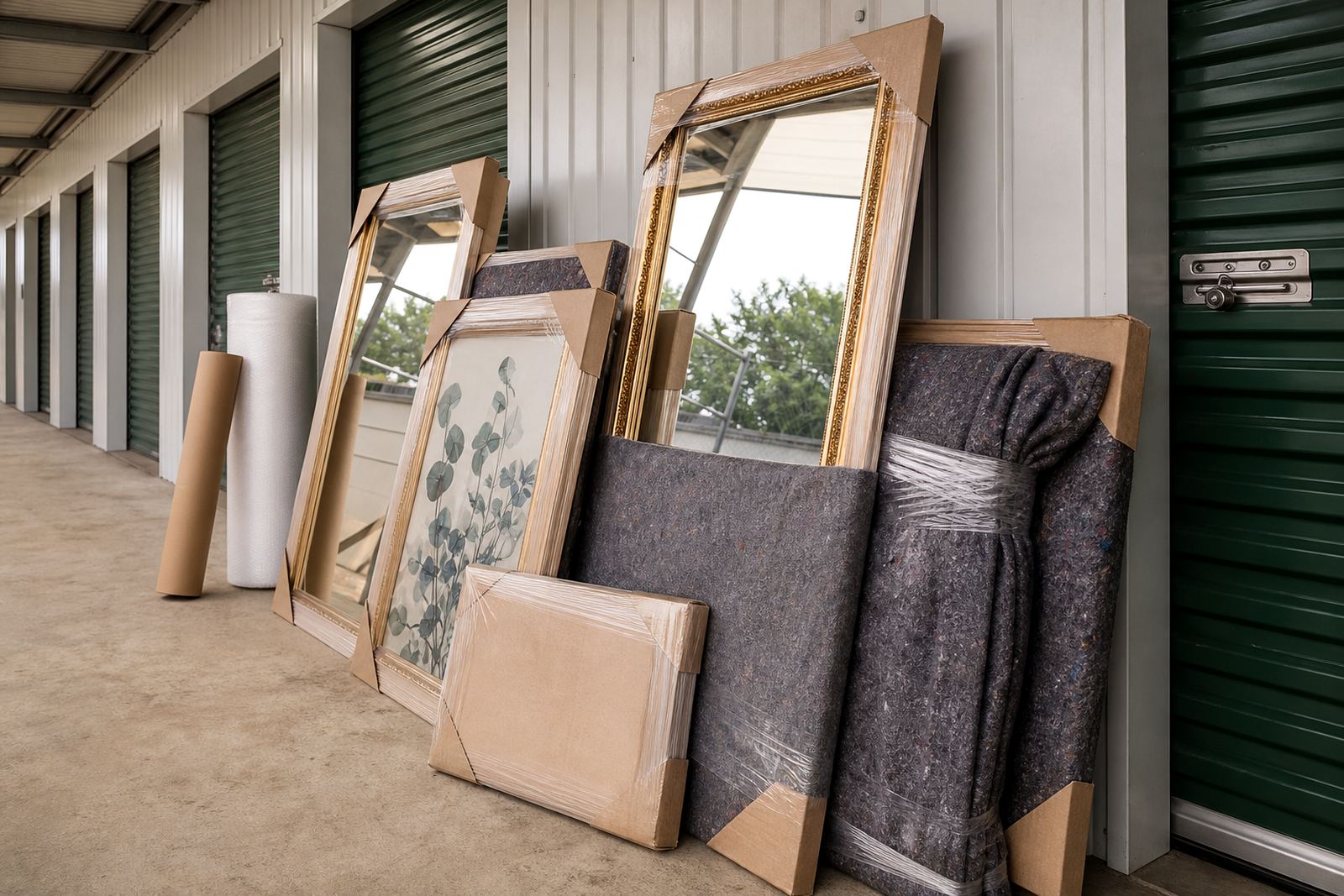


What inventory units are used for
Inventory units are storage spaces set aside for business stock, packaging, spare items and documents that need a tidy place away from the work floor. They are useful when stock starts taking over a storeroom, a garage or part of an office and you need a more structured setup. Many businesses use them during busy trading periods, relocations or when they want to keep fast-moving items close without crowding their own premises.
These units are arranged for practical access, so you can bring in boxes, shelves, cartons or sealed tubs in a way that makes stock counts easier. Some clients keep retail stock, others store tools, displays, files or seasonal goods. In Midrand and the surrounding areas, the main need is usually simple: keep stock dry, easier to find and out of the way, but still available when needed.
Sizes and layout choices for different stock volumes
Inventory units are normally chosen according to how much stock you keep, how often you need access, and whether your items are boxed, palletised or stored on shelving. A smaller unit may suit sample stock, overflow cartons or archive boxes. Larger spaces work better for business stock that arrives in regular batches, or for companies that need room to sort, count and stage products before dispatch.
- Small units for cartons, paperwork and slower-moving stock
- Medium units for mixed stock, shelving and packing material
- Larger units for bulk stock, seasonal inventory and business overflow
- Flexible layouts for boxed goods, archive storage or stock rotation
When choosing a size, it helps to think about aisle space too. If you want to move between shelves or reach items at the back, leave enough room for clear walkways. That bit of planning saves time later, and reduces the chance of damaged packaging or missed stock.
Where inventory units suit business use
These units are a practical fit for retailers, traders, online sellers, service businesses and offices that need overflow space without committing to a larger premises. They are also useful for companies that bring in seasonal products, promotional stock or project materials in bursts. For businesses in Sandton, Randburg, Edenvale and the wider Gauteng area, the main value is having a controlled place for items that would otherwise take up valuable working space.
Inventory storage also helps when a business is moving sites, opening a new branch or waiting for office improvements to finish. Instead of stacking products in corridors or placing cartons in loading areas, stock can be kept in a unit where it is easier to monitor. For some clients, this is the difference between a working storeroom and a space that becomes cluttered very quickly.
- Retail stock overflow during busy months
- Online order packing and dispatch stock
- Office archive boxes and equipment spares
- Project materials, displays and branded items
- Seasonal goods and promotional inventory
Access, security and practical day to day use
Good inventory storage depends on access that suits your trading hours and a site that is set up for controlled entry. You should be able to retrieve stock without creating delays for your team, especially if you collect items often or need to rotate stock through the week. In busy areas like Midrand and Johannesburg, this is especially useful for businesses that cannot afford long detours just to pick up boxes of product.
Security matters too. Inventory should be stored in a place with monitored entry, tidy common areas and clear procedures for handling access. It is worth checking how vehicles enter the site, whether there is enough turning room for bakkies or delivery vans, and whether the loading point works in wet weather. If the area is exposed to coastal humidity or heavy dust elsewhere in Gauteng, ask how the unit is protected from moisture and airborne dirt.
- Ask when access is available and how after-hours entry works
- Check whether vehicle access is suitable for your delivery size
- Confirm the unit is suitable for sealed stock and labelled cartons
- Find out how the site handles entry control and visitor movement
- Consider lighting, loading space and dry access during rain
Safety checks before you store stock
If your stock includes equipment, batteries, small appliances or items that may be affected by heat, you should ask whether the space is suitable before storing them.
It is best to check this before moving anything in, rather than after your stock has already been packed. Any item with liquid, fumes, a leak risk or special storage conditions should be discussed upfront. That applies to cleaning stock, maintenance supplies and certain work tools as well.
Setting up is usually straightforward because the main need is simply a clean, secure space with a sensible layout. If you plan to use shelving, pallets or trolleys, make sure the unit size and access path support that setup. A bit of planning at the start saves time on every visit.
Care and what to ask before you book
Inventory units work best when stock is packed neatly, labelled clearly and checked from time to time. Good housekeeping makes it easier to rotate old and new stock, spot missing items and keep packaging in better condition. If cartons are weak or loosely sealed, replace them before they collapse under weight. That small step can save a lot of sorting later.
It is also worth asking how the site is maintained. Clean floors, working lighting, tidy corridors and sensible pest control all matter when you are keeping business stock for weeks or months at a time. If you store paperwork or archive boxes, ask about moisture protection and how the site handles temperature swings. In Gauteng, summer storms and winter dust can both cause problems if stock is not packed properly.
- Ask what type of stock the unit is suitable for
- Check whether shelves, pallets or trolleys are allowed
- Confirm access times and collection procedure
- Find out about site maintenance and cleaning routines
Packing support for stock that stays organised
LastBox also supplies moving boxes and packing supplies across Gauteng, which helps when inventory needs to be packed in a way that is easy to count and lift. Strong cartons, tape, wrapping material and labels all make stock storage more manageable. If you are setting up a packing station, keeping similar items together will save time when orders come in or when stock needs to move out again.
For businesses that need help choosing the right amount of supply, packing advice can be matched to the type of items being stored. Lightweight goods, printed material, tools and boxed stock all need slightly different handling. Our Midrand base supports customers across Midrand, Johannesburg, Pretoria, Centurion and Kempton Park, with local branches and area support for smaller businesses and growing teams. A simple, well labelled system is usually the easiest way to keep stock moving without confusion.
Unit details
| Product type | Self-storage units for business inventory and stock overflow |
|---|---|
| Typical use | Organised storage for boxed goods, documents, equipment and seasonal stock |
| Access | Controlled site access with practical collection and drop-off arrangements |
| Security features | Monitored entry, secure perimeter procedures and managed access control |
| Coverage area | Midrand, Johannesburg, Pretoria, Centurion, Kempton Park and surrounding Gauteng areas |