
Archive Boxes for orderly file storage
Archive boxes are built for documents that you do not use every day but still need to keep in good order. They suit invoices, contracts, staff records, client files, tax paperwork, school records and other sorted documents that must be kept together. For many businesses in Gauteng, these boxes help reduce clutter in offices, back rooms and storerooms where paper can quickly get out of hand.
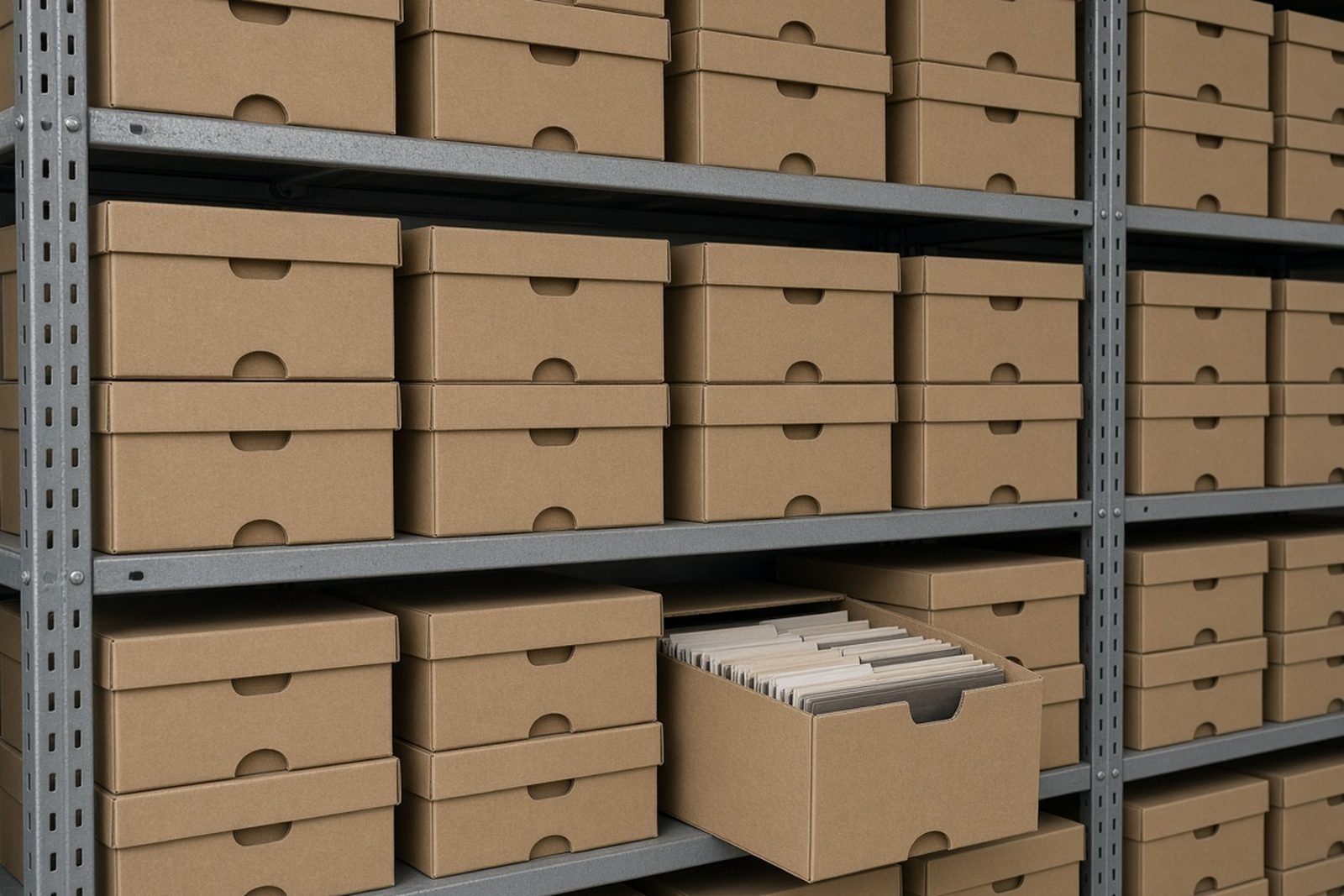
Our archive boxes are selected for practical use rather than show. They are easy to handle, easy to label and suited to stacking on shelving or placing inside a self-storage unit. If you need to move files between offices, keep older records off site, or store personal documents after a move, archive boxes make it simpler to keep everything in date order and by category.
They are also useful where paperwork must remain accessible for audits, inspections or day to day retrieval. In busy sites around Midrand and Johannesburg, a proper archive box system can save time and keep sensitive papers from being mixed with general packing cartons.
Sizes, formats and packing options
Archive boxes are usually chosen by file type and storage method. Some are better for lever arch files, while others work well for loose papers, folders and document bundles. The right size depends on how much weight you want to lift, how often the box will be moved, and whether it will sit on shelving or inside a storage unit.
When ordering, it helps to check the internal space, handle cut-outs and lid design. Boxes with a simple fold top are often easier for labelling and stacking, while reinforced sides can help when the box is full of paper. If you are storing records for a business in Pretoria or Centurion, it is worth matching the box size to your filing system so folders do not bend or sit loose.
- Standard archive box for general document storage and sorting
- File box format for papers that need regular access
- Reinforced box for heavier records and long-term storage
- Box with clear labelling area for file dates, departments or reference codes
- Pack combinations for moving, storage and archive reorganisation
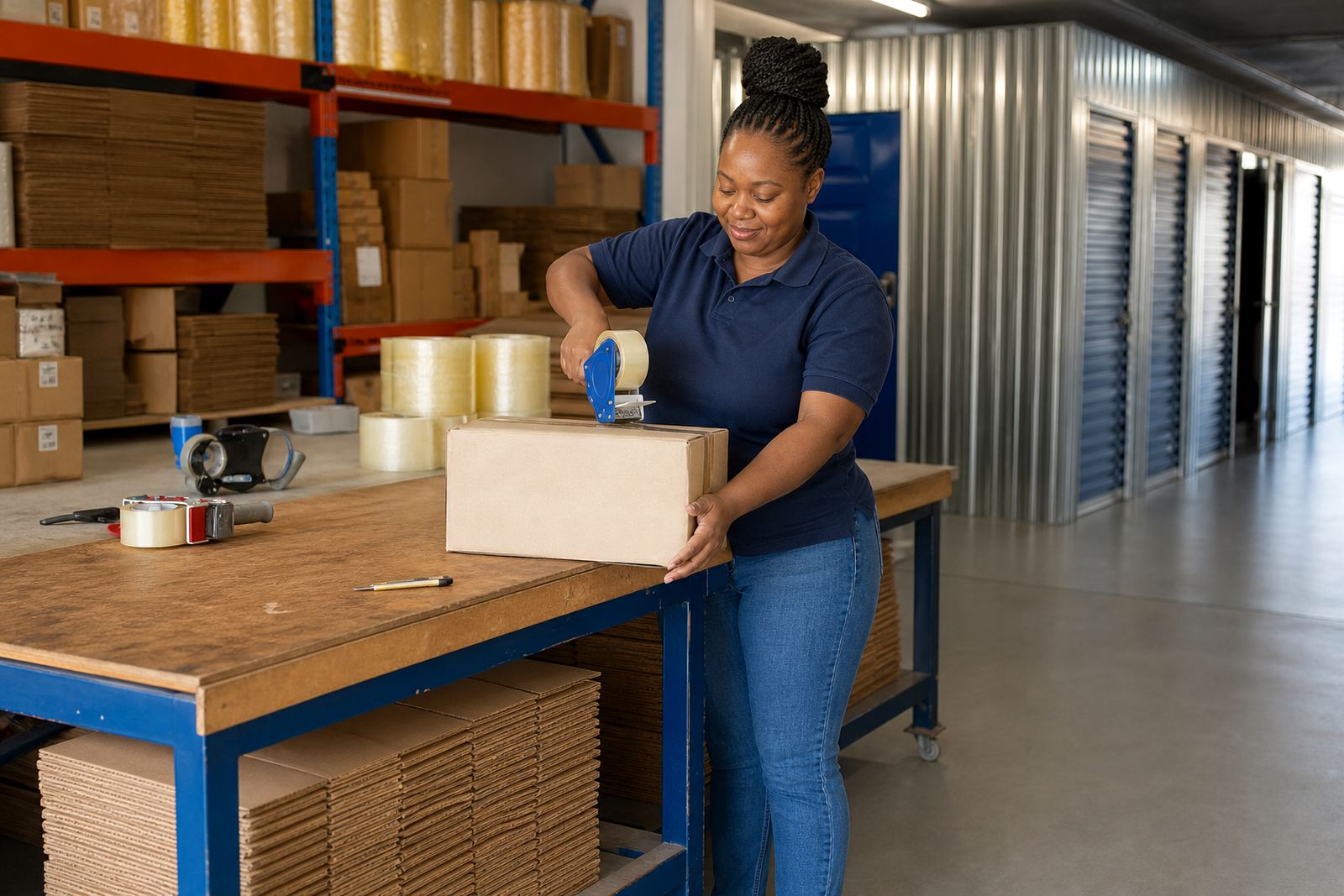
We also help customers choose packing supplies that go with archive storage, such as tape, labels and wrapping materials. That keeps the records dry, tidy and easier to track when moving between branches or into a storage unit.
Where archive boxes work best
Archive boxes suit both personal and business storage. At home, they are handy for school papers, household records, warranties, old statements and seasonal paperwork that should not be left loose in cupboards. In office settings, they support archive planning, stock records, HR files and project paperwork that must be kept in date order.
They are especially useful for companies that need to free up workspace without throwing away important papers. Businesses in Sandton, Randburg and Edenvale often use archive boxes when moving offices, clearing filing areas or setting up a better records system. They also work well for student storage during holidays, and for people moving homes who need to keep documents separate from clothing and household items.
For long-term storage, archive boxes should be kept in a dry, clean place with some air movement. Gauteng’s climate is usually manageable, but dust and damp can still affect paper if boxes are left near open floors, leaking pipes or unsealed doors. In coastal areas this matters even more, though that is less of a concern in Midrand. A raised shelf or pallet can help keep boxes off the concrete and away from small spills.
Access and storage conditions
Archive boxes protect your records best when they are stored well. If you are placing them in a self-storage unit, check that the unit is clean, dry and easy to reach with a trolley or hand truck. Ask whether you can access the unit at the times you need, especially if your records are used during business hours.
For offices and business premises, it helps to plan the archive area around shelving, aisle space and safe lifting. Avoid storing heavy boxes too high, and keep the most recent records at eye level.
- Store boxes in a dry area away from leaks, heat and direct sun
- Use shelving or pallets instead of placing boxes straight on the floor
- Keep a simple index of box contents and date ranges
- Leave enough space to remove one box without shifting the whole stack
- Check that access routes suit trolleys, lifts and door widths
If archive boxes are kept in a business unit with other stock, separate the files from anything dusty, oily or wet. Records can pick up odour and damage quickly if they sit near cleaning chemicals, building materials or unpacked equipment.
Care and document protection
Archive boxes need sensible handling. Once packed, label each box clearly on at least two sides. Include department, date range, file type and any reference number you use internally. That makes a big difference later when you need one file fast and do not want to open every box.
Boxes should not be overloaded. Paper is heavier than many people expect and one full box can become awkward to lift, especially if it contains bound records or thick files. For longer term storage, keep the contents flat and avoid stuffing loose folders into a box that is already full. A neat pack makes the box last longer and keeps the corners from collapsing.
If boxes are being moved between branches in Midrand, Johannesburg or Pretoria, seal them properly and keep them upright where possible. It is a good idea to check the tape, labels and box condition before moving day, because a corner that looks fine in the storeroom can split once the box is lifted and carried. Small tears can be fixed early, but a broken base is often a sign the box was packed too heavy.
Before you move in
Before ordering archive boxes, think about the type of records you have, how often you need access, and whether the boxes will be stored short term or for several years. The best choice for a moving project is not always the best choice for permanent archiving. A short term office move may need stronger boxes for repeated lifting, while long term storage may need simple, consistent boxes that stack well.
It is also worth checking how your records are organised now. If files are mixed across departments or years, packing should start with a sorting plan. That makes the archive process easier and reduces the chance of losing important paperwork. For businesses with several branches, the same labelling format should be used across all sites so records can be found without guesswork.
- Confirm whether you need boxes for lever arch files, loose papers or mixed documents
- Check how many boxes are needed for the full archive run
- Decide on labels, numbering and colour coding before packing starts
- Make sure your storage space has dry conditions and suitable shelving
- Order tape and labels with the boxes so packing can happen in one go
If you are unsure, our team can help with archive planning, packing supply advice and unit size guidance. That includes practical support for business storage, office moves and stock organisation, so the archive boxes fit into the rest of your storage plan and not just onto a shelf.
Buying archive boxes from LastBox
LastBox supplies archive boxes and related packing materials for customers across Gauteng, with support from our Midrand base and storage areas in Johannesburg, Pretoria, Centurion, Kempton Park, Sandton, Randburg and Edenvale. We work with home users, students and businesses that need tidy document storage and practical moving support.
Clients can reach us through the enquiry form on our contact page to ask about archive boxes, packing supply advice, access arrangement and storage support. If you are preparing for a move, clearing out old records or setting up a new filing system, we can help you choose the right box format and make the packing process easier. It keeps the paperwork under control, and that matters when files need to be found quickly.
Whether you need a few boxes for personal records or a larger order for business archives, the aim is the same: keep documents sorted, protected and ready when needed.
Unit details
| Product type | Archive boxes for files, records and organised paperwork |
|---|---|
| Typical use | Home records, office archives, tax files, student paperwork and business documents |
| Packing format | Flat-pack box for folding, labelling and stacking |
| Storage suitability | Shelving, self-storage units, archive rooms and office storerooms |
| Care guidance | Keep dry, label clearly, do not overload and store off the floor |