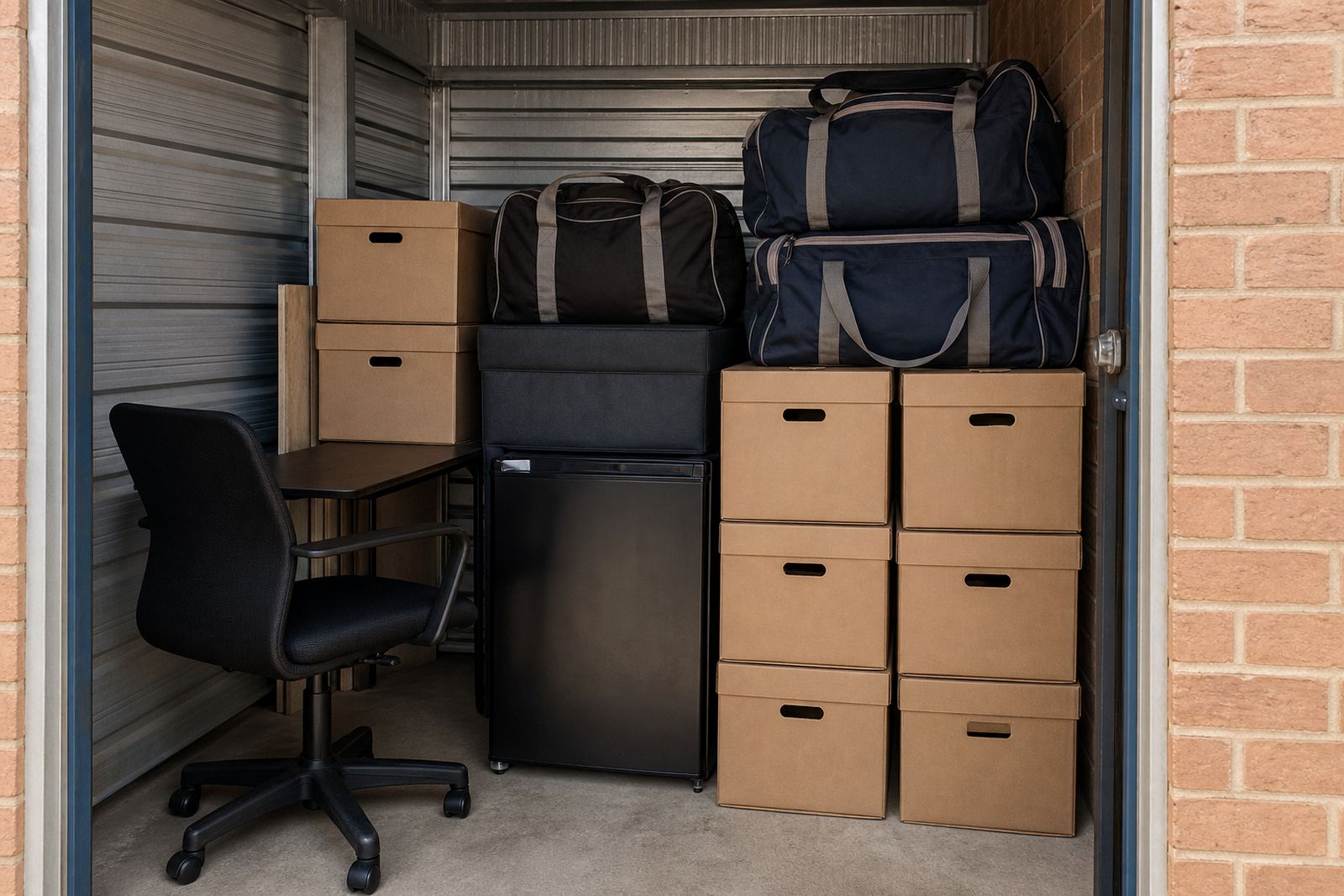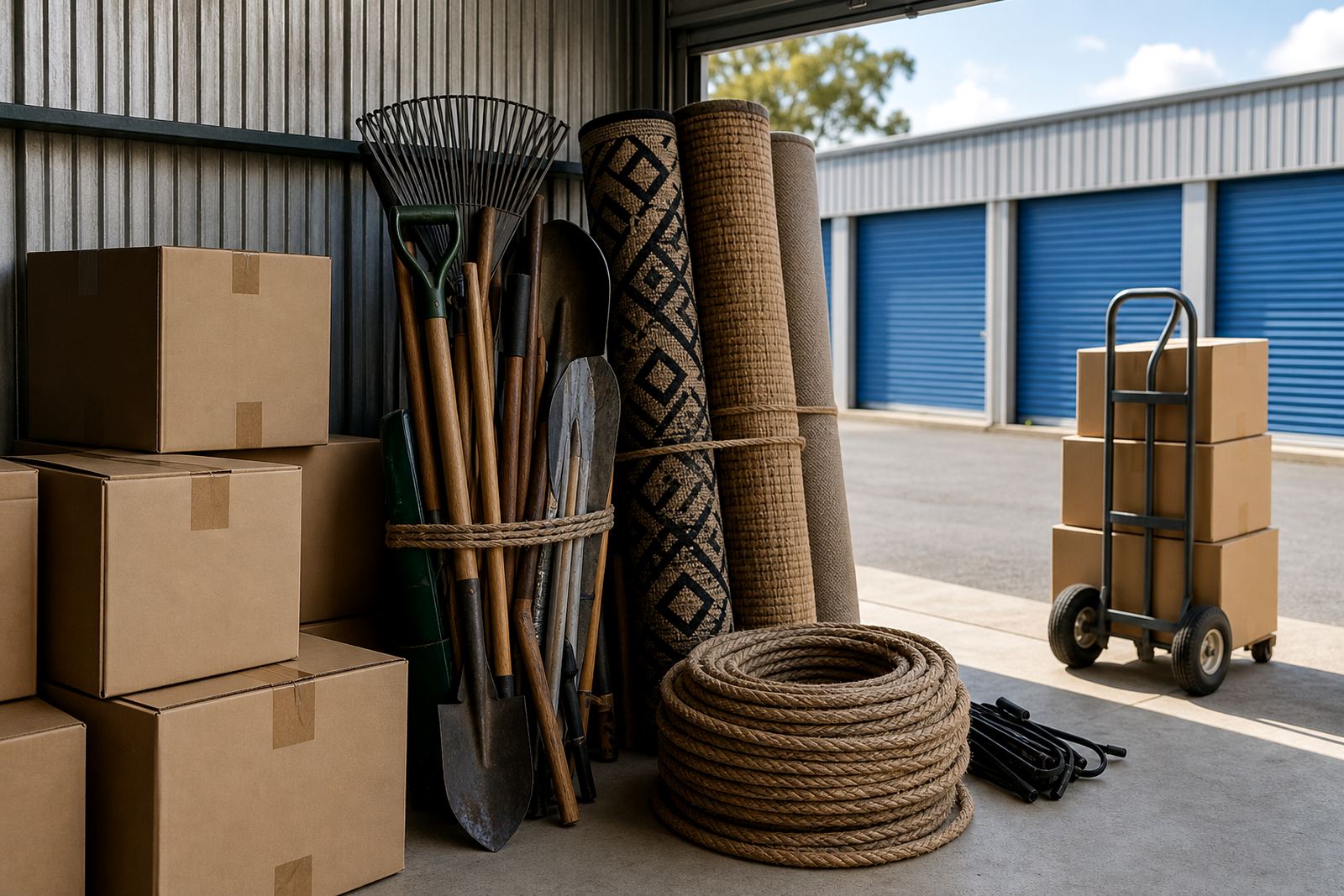

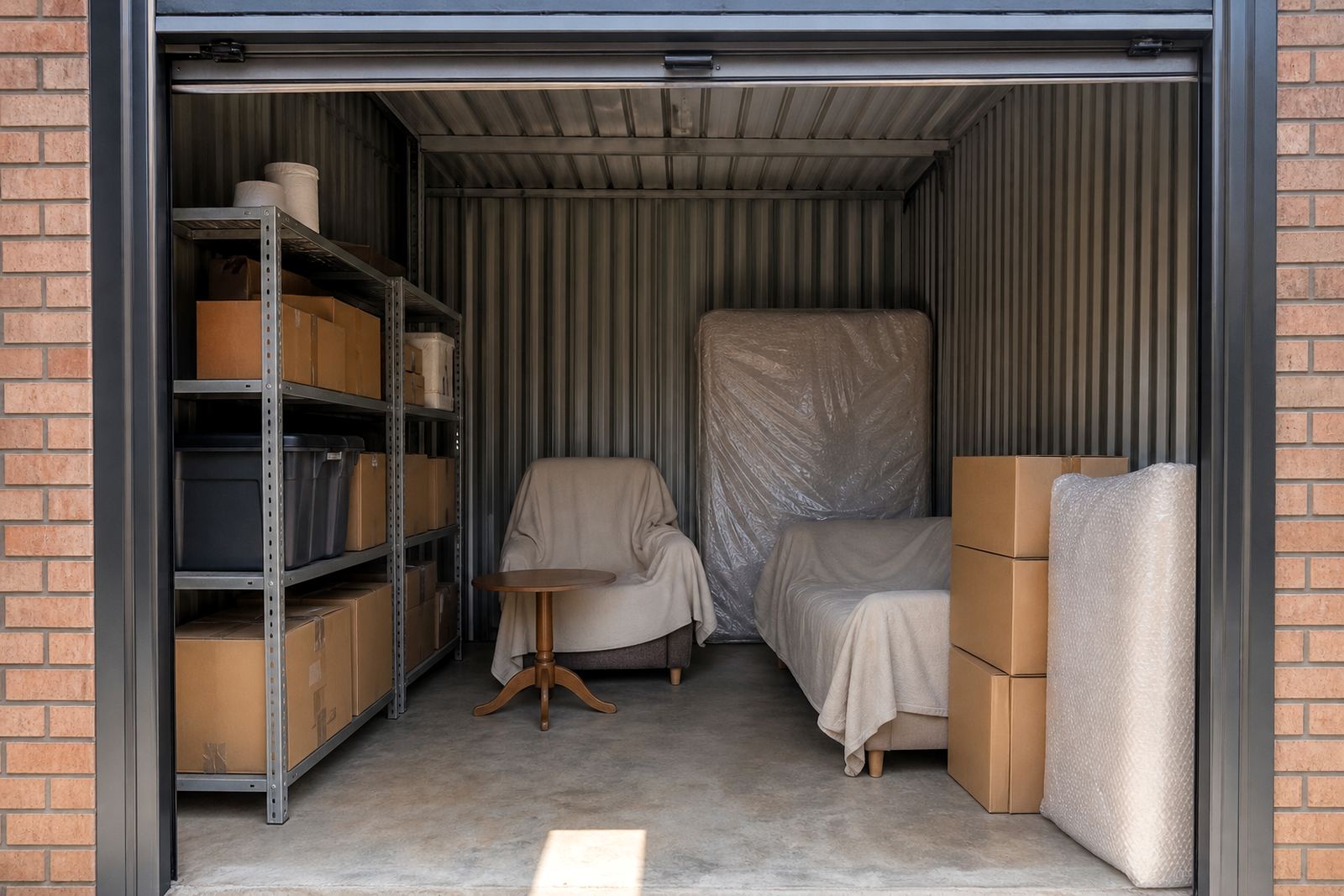
Long-Term Storage That Fits Real Gauteng Needs
Long-term storage is for items you do not need every week, but still want close by and in good condition. It suits people between homes, families making space at home, small businesses holding extra stock, and companies that need a place for files, seasonal equipment or archive boxes. In Gauteng, that often means storing during renovations, relocation, travel, slow office moves, or simply because a garage and spare room have reached capacity.
At LastBox, long-term storage is arranged around access, safety and practical handling. The aim is to keep your goods protected from dust, unauthorised access and rough handling, while still allowing you to retrieve items when needed. It is a sensible option for customers in Midrand, Johannesburg, Pretoria, Centurion and Kempton Park who want storage without overcomplicating the process.
For items that will sit for many months, packing matters just as much as the unit itself. Boxes should be sound, labelled clearly and stacked with weight in mind. Furniture needs to be cleaned before storage, and appliances should be dry inside so moisture does not build up in summer heat or during wet weather.
Unit Sizes And Storage Options For Different Loads
Long-term storage is not one size fits all. Some customers only need a small space for a few archive cartons and personal boxes, while others need a larger unit for furniture, spares, office stock or mixed household goods. Unit choice depends on how often you expect to access the items, how much shelving or stacking you plan to use, and whether you are storing irregularly shaped goods.
Smaller units suit documents, seasonal clothing, books, tools and boxed household items. Mid-sized units work well for the contents of a one-bedroom flat, student storage or business overflow. Larger units are better for bulkier household items, office contents, stock movement and longer term storage during a move or building project. If you are unsure, size guidance is worth getting before you pack, because poor sizing can waste space and make access harder.
- Small storage for archive boxes, personal items and light seasonal goods
- Medium storage for furniture, mixed boxes, office items or student belongings
- Larger storage for household moves, stock holding and business equipment
- Flexible access arrangement for items you may need to collect more than once
For long-term use, it helps to leave an aisle or a front row of items you may need first. That saves time later and avoids unpacking the full unit when only one box is needed.
Where Long-Term Storage Works Best
Long-term storage is useful in many everyday situations. Homeowners use it while renovating, downsizing or waiting for transfer dates. Tenants use it when lease dates do not line up or when they are moving between areas. Families often store baby items, extra furniture, inherited goods or seasonal equipment that is worth keeping but not needed every day.
Businesses use long-term storage for archive planning, stock organisation, office move support and packing station setup. It is also handy for trade tools, display items, promotional material and spare fittings that are needed occasionally rather than daily. In Gauteng, where many businesses run with limited floor space, storage can keep work areas clear and reduce clutter in the office or workshop.
Students and young professionals also make use of storage during holidays, internships or shared housing changes. It is often easier to store a few well packed boxes than move everything repeatedly between places.
- House moves and delayed transfer dates
- Renovations, repainting and flooring work
- Business overflow, archives and stock holding
- Student breaks, relocations and shared accommodation changes
Access, Security And Day-To-Day Handling
For long-term storage, access should be planned before the first box goes in. Ask how access is arranged, what identification is required, and what times suit collection or drop-off. If you expect to visit more than once, the unit layout and route to the space matter. Easy access is important when you need a single file box, a spare chair or a part for a business delivery.
Security should also be checked properly. Look at controlled entry, perimeter protection, unit locking arrangements and on-site management. A well run storage facility should make it clear how entry is managed and how stored goods are monitored. This is especially important for items kept for several months, because you want consistency, not just a good first impression.
Long-term storage should be dry, ventilated and suitable for items that may be sensitive to heat, dust or damp. If you are storing electronics, paper records or soft furnishings, ask what protection is recommended and how to prepare them for a longer stay. Coastal humidity is not the issue in Midrand, but summer moisture and dust still affect unprotected goods.
Packing and what to prepare before storing
Long-term storage works best when items are packed for the period they will be kept, not just for the trip there. Use strong cartons for books and files, lighter cartons for clothing and bedding, and sturdy wrapping for breakables. Avoid overfilling boxes. It makes lifting unsafe and causes collapse when boxes are stacked for months. Label every side if you can, not only the top.
Some goods need special attention before storage. Fridges, washing machines and similar items should be dry and clean. Furniture should be free of loose fittings. Items with batteries should be checked before storage because heat can shorten battery life over time.
- Make sure all items are clean, dry and fully packed
- Use clear labels for rooms, contents or stock categories
- Keep fragile items separate from heavy cartons
- Plan for easy access to documents or frequently used goods
For appliances or equipment, check that cords and removable parts are secured before packing.
Ongoing Care And What To Check When Ordering
Long-term storage should be chosen with the full storage period in mind. Before you book, check unit access, security arrangements, the condition of the space, how easy it is to load and unload, and whether the location suits your route through Gauteng. If you store business stock or archives, also check whether the unit layout will allow sensible stacking and clear labelling over time.
It is worth asking about care and upkeep too. For example, how the site is maintained, how often common areas are checked, and what happens if you need a different unit size later. Long-term storage is easier when the facility is managed properly and communication is straightforward. At LastBox, customers can use the enquiry form on the contact page to ask for unit size guidance, access arrangement help, packing supply advice or move-in support.
If you are storing for a long period, think ahead to your move-out as well. Keep the items you may need first near the front, leave a clear path if possible, and keep a simple list of what is stored. That saves time months later and makes it easier to bring items back into use without unnecessary handling.
- Check access times and how unit entry is managed
- Confirm security and site control measures
- Look at unit condition, ventilation and dry storage suitability
- Plan for future retrieval so items do not get buried at the back
Unit details
| Storage type | Long-term self-storage for personal and business use |
|---|---|
| Typical use | Household goods, archive boxes, stock, tools, office items and student belongings |
| Areas served | Midrand, Johannesburg, Pretoria, Centurion, Kempton Park, Sandton, Randburg and Edenvale |
| Access | Arranged access with unit selection based on retrieval needs |
| Security | Controlled entry and on-site management |
| Support services | Move-In Support, Unit Size Guidance, Access Arrangement, Archive Planning, Decluttering Support |