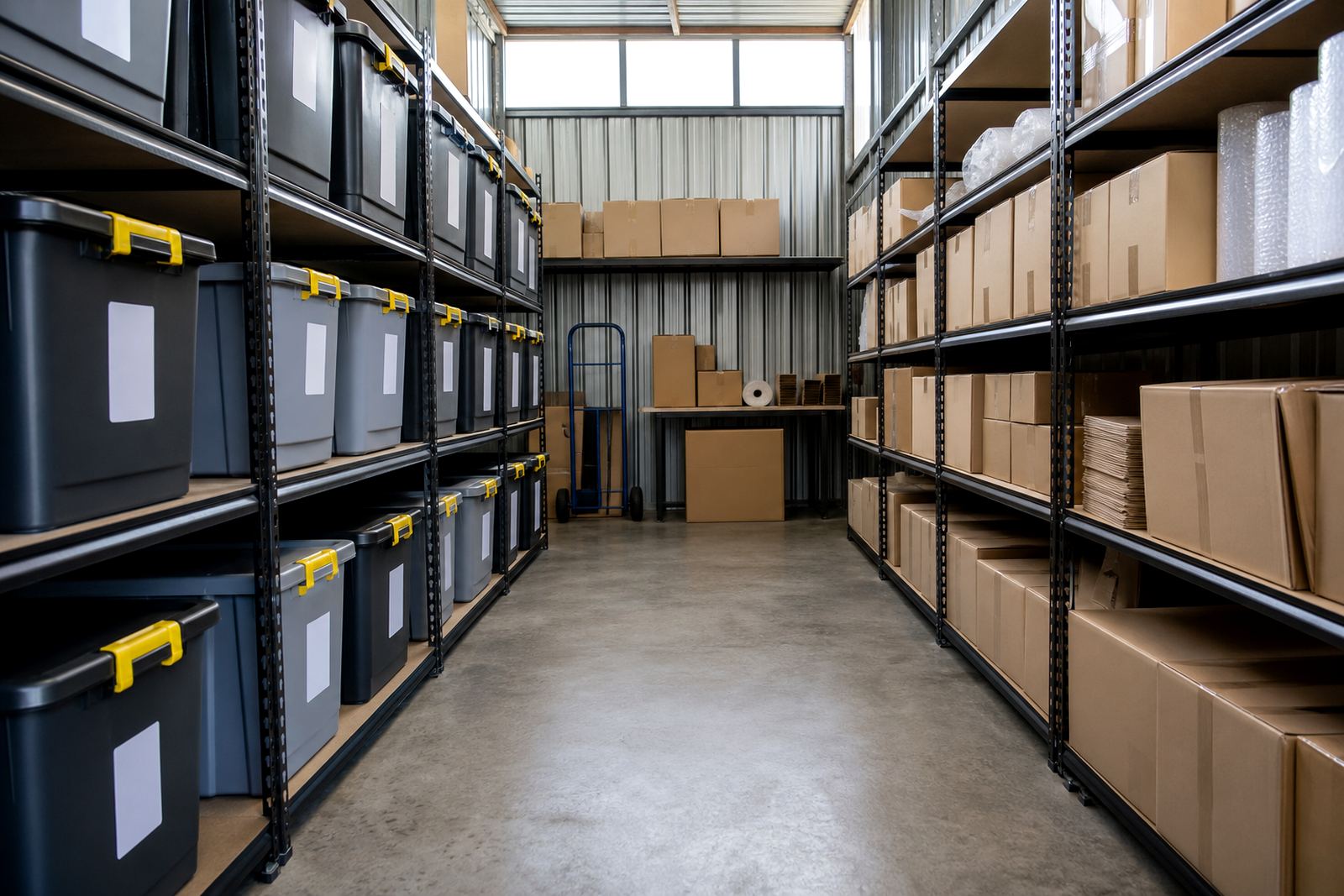
What our packing supply advice covers
We help customers choose packing supplies that suit the items they are moving or storing, not just whatever happens to be on hand. That means matching the box type, wrapping and internal protection to the weight, shape and fragility of each load. If you are packing kitchenware in Midrand, office files in Sandton or stock for a small business in Pretoria, the aim is to reduce damage and keep packing more orderly.
Advice is available for single-room moves, family homes, student storage, office moves and business stock handling. The focus is practical: fewer wasted materials, better stacking and easier checking when you unpack.
- Box selection for light, medium and heavier contents
- Wrapping options for glass, ceramics, electronics and furniture parts
- Protective fillers for empty spaces and corner protection
- Labelling, sealing and stacking advice for home or business use
How we match materials to different belongings
Different items need different support. Books and files are best packed in smaller, stronger cartons so the weight stays manageable. Linen, toys and soft goods can usually go into larger cartons with fewer layers of protection. Kitchen items, framed pictures and computer accessories need more careful wrapping and better separation inside the box.
We also look at how the items will be handled after packing. If a box will be lifted by hand several times, we usually suggest smaller sizes and tighter sealing. If items are going into a unit for a few weeks or longer, we can advise on dust protection, moisture barriers and ways to leave a clear aisle for later access. For offices and archive rooms, we often suggest a consistent labelling system so files can be found quickly without opening every carton.
- Small cartons for books, records and file packs
- Medium cartons for mixed household goods and kitchen items
- Large cartons for light bulky goods like bedding and cushions
- Special wrapping for breakable, polished or moisture-sensitive items
Step by step from enquiry to supply list
The process starts when you send an enquiry through the contact form. We ask a few practical questions about what you are packing, where it is going and how long it needs to stay packed. From there, we suggest the most suitable materials and explain what can be reused, what should be replaced and where it is worth spending a little more on protection.
For many customers, the advice is given before collection or delivery of supplies, so the pack lasts first time. If needed we can also help you plan a packing station at home or in the office, with clear zones for sealing tape, markers, wrapping and finished cartons. When the load is time-sensitive, we make the process straightforward and keep the recommendation list short and workable.
- Send an enquiry with the items you need to pack
- Receive guidance on box sizes and protection materials
- Collect or arrange supply delivery in the agreed area
- Pack, label and stack with a clear handling order
Supply specs for common packing jobs
Our supply advice is based on common packing requirements rather than fixed one-size-fits-all sets. Still, there are useful specs to keep in mind. A good carton should hold its shape when sealed, be easy to carry with two hands and suit the weight of what goes inside. Wrapping materials should protect surfaces without leaving sticky residue, and filler should stay in place during transport or storage.
For most household and office jobs, we recommend a mix of cartons, tape, wrap and markers, plus corner protection for anything fragile. Where stock is being moved for a business, it helps to have a few spare cartons on hand for re-packing or returns. In our Midrand base, the team also checks whether the materials you choose will suit the route, the storage period and the handling needed at the destination.
- Cartons for general packing and item sorting
- Heavy-duty cartons for files, books and dense contents
- Bubble-style wrap or paper wrap for breakables and polished surfaces
- Sealing tape with strong hold for repeated handling
- Markers and labels for room, contents and priority notes
- Moisture protection for longer storage or coastal moves
How quickly you can move in
For straightforward requests, packing supply advice is usually given quickly once we have the details of the move or storage plan. More involved jobs, such as office moves, archive planning or business stock organisation, may need a little more discussion so that the materials fit the task properly. If you need supplies for a same-week move, tell us early and we will advise on what to prioritise first.
Pricing is handled according to the supplies requested and the volume needed, rather than a fixed package for every customer. That keeps the advice practical for a student moving from a small flat in Pretoria or a retailer packing inventory in Kempton Park. You only buy what is useful for the job, and we can point out where standard materials are fine and where stronger protection is better. No unnecessary extras, just the right mix for the contents and the handling involved.
Checking supplies and keeping the packing area ready
Packing supplies should be checked before a move starts and again if the items will stay in storage for a while. That helps you spot crushed boxes, loose tape or any sign of moisture before it becomes a bigger problem.
For businesses, regular checks also help keep stock organised and ready for retrieval. A tidy packing area in the unit or at the office means fewer errors when staff are loading, unloading or making up delivery orders. If you are storing records, consider revisiting labels and box counts at set intervals so the archive stays usable. It is a small habit, but it saves time later.
- Inspect tape, labels and box condition before each move
- Review stored cartons every 2 to 4 weeks for long-term holds
- Replace crushed or damp materials before restacking
- Keep a simple contents list for boxes that will be reopened later
Unit details
| Service area | Midrand, Johannesburg, Pretoria, Centurion and Kempton Park across Gauteng |
|---|---|
| Advice types | Boxes, wrapping, fillers, tape, labels and moisture protection |
| Typical users | Home movers, students, offices, retailers and storage customers |
| Enquiry method | Contact form on the website |
| Turnaround | Quick for standard requests, longer for detailed packing plans |
| Pricing basis | Recommended according to the materials and quantity needed |