
What the Irene group needed from storage
The brief came from a community sports club based in Irene, Centurion, with equipment spread across a few homes, a vehicle garage and a small club room. The committee wanted one secure point for storage that would suit coaches, volunteers and members who collect kit before early practices or evening sessions. They also needed a clear handover process because different people manage the gear at different times.
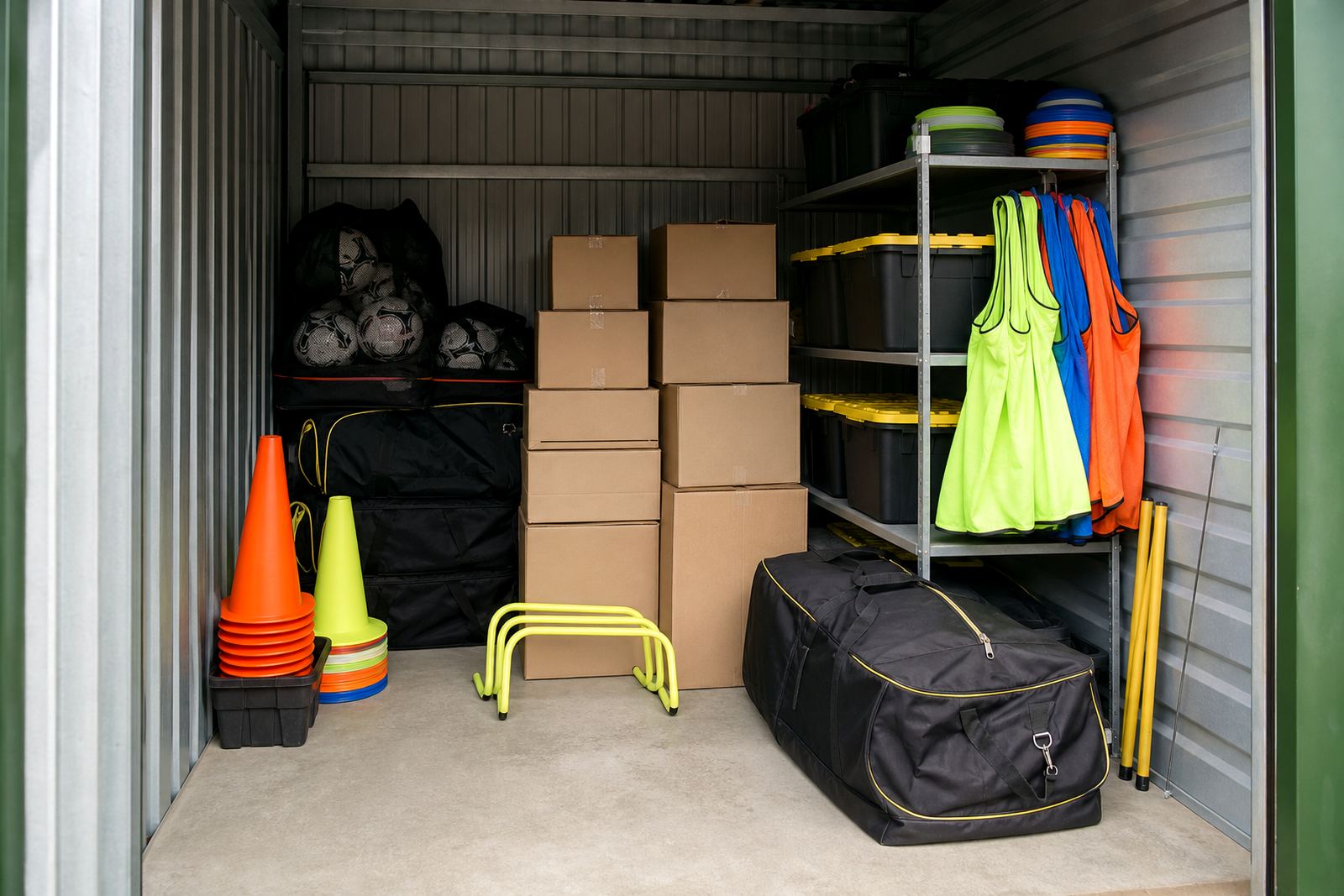
We kept the focus on practical use. That meant space for balls, cones, bibs, training ladders, folding chairs, clipboards, first-aid items and boxed seasonal kit, plus enough room for regular movement in and out. The group did not need a fancy setup, only reliable access and enough order to avoid lost items or damaged equipment.
Site conditions and planning limits
The main constraint was frequency of use. Sports groups often need gear at short notice, so the unit had to be accessible without creating confusion over who held keys or when items could be collected. Another consideration was Gauteng weather, especially dust in dry months and the need to keep equipment off the floor during heavy rain periods.
Access and packing had to be simple enough for volunteers. No one wanted a complicated layout that relied on memory alone. We also took into account that some items were bulky but light, while others, like boxes of paperwork and small accessories, were easy to misplace if they were not clearly grouped. The solution had to work for weeknights and weekend fixtures alike.
- Client type: community sports group
- Location: Irene, Centurion
- Use case: shared training and match equipment storage
- Key constraint: easy access for several authorised users
- Practical need: clear separation of kit, paperwork and consumables
How we set up the storage arrangement
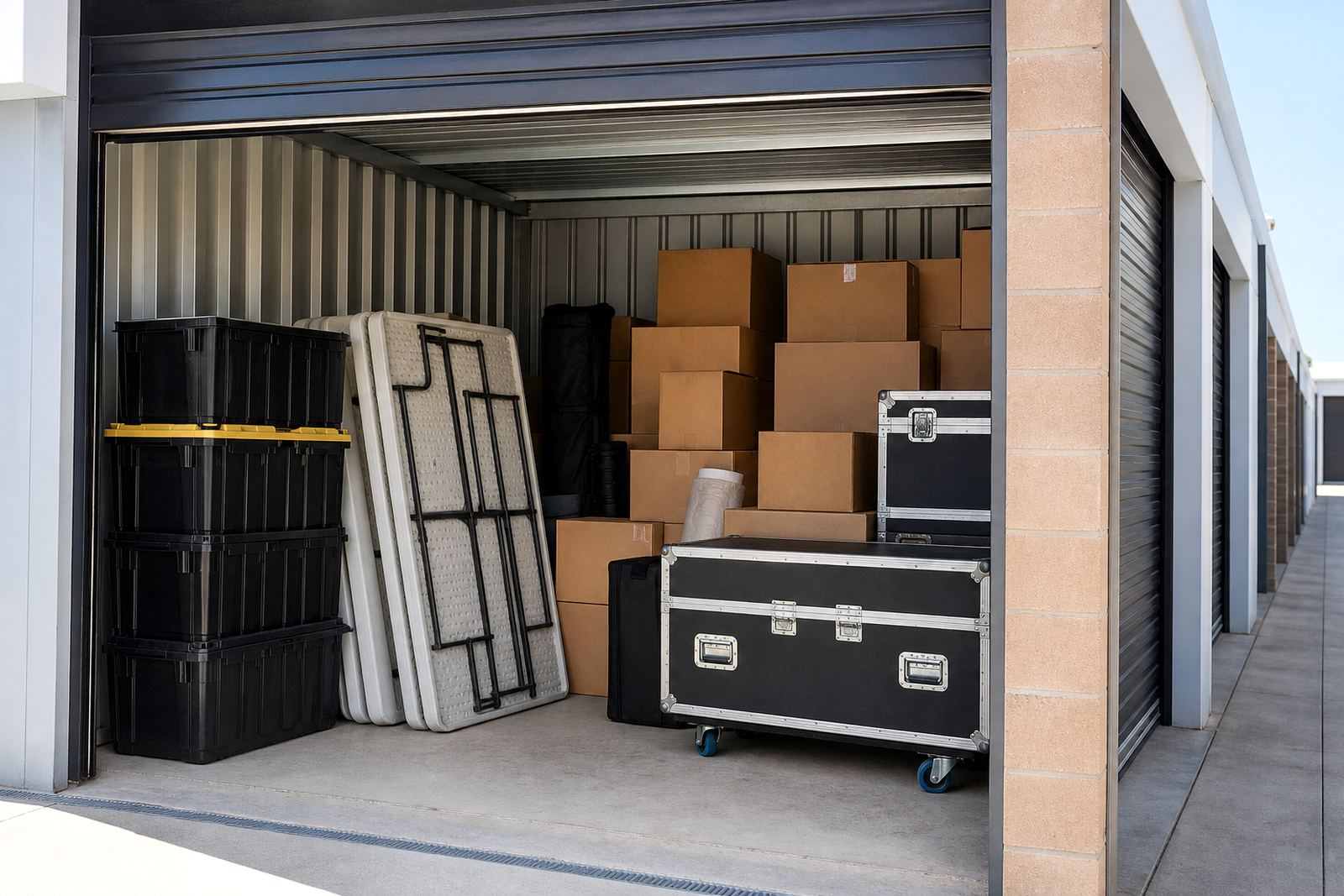
LastBox supplied secure self-storage unit options and helped the club decide on the size and layout that matched their actual volume of gear. We also recommended packing boxes, labels, tape and protective wrap so the group could divide items by category instead of stacking everything in one pile. The aim was to keep frequently used equipment near the front and less used items stored further back.
Our team set out a simple handling system. Coaching kit was grouped together, admin files were separated from playing equipment, and smaller items were packed into marked boxes that could be lifted by one person. The group also used clear packing stations for sorting and check-out. That made it easier for the club to track what left the unit and what came back after matches or training camps.
- Secure storage unit chosen for shared access
- Moving boxes supplied for documents and small kit
- Packing tape, wrap and labels provided for sorting
- Category-based layout for quick retrieval
- Access arrangement set for authorised committee members
Security, access and day-to-day handling
For a club like this, security is not only about the lock. It is also about knowing who can enter, when they can enter, and how items are recorded on the way in and out. We helped the group shape a practical access plan so the unit could be used by a few trusted people without slowing down busy training days. This reduced the chances of people arriving and finding no one on site to help.
We also advised on how to store equipment in a way that keeps walkways clear and helps avoid damage. Items that can be crushed were not placed under heavier boxes, and paperwork was kept separate from dusty or wet gear. The unit was arranged so the most commonly used items were easy to reach without unpacking half the storage space. That sort of planning saves time, and it cuts down on small frustrations over the season.
Timeline from first call to handover
The project ran over three weeks. In week one we assessed the volume of equipment and discussed how many people needed access, how often items would move, and what had to stay separate. In week two we supplied the packing materials and helped the group sort their equipment into clear categories. By week three the storage arrangement was in place and the committee had a simple routine for access, return and stock checks.
The timeline was short because the group was ready to act quickly. They already knew what had to be stored, so the work was mostly about converting a messy spread of gear into a controlled system. A few items had to be repacked after the first sort, but that was part of getting the layout right for regular use.
- Week 1: needs assessment and access planning
- Week 2: packing supplies and sorting
- Week 3: final placement and handover
- Outcome: one organised storage point for shared club use
What changed for the club after the move
Once the equipment was stored in one place, the club found it easier to prepare for practices and fixtures. Coaches no longer had to call around to different members before collecting basic items. Volunteers could see what was available at a glance, which made setup faster and reduced duplicated purchases. It also became simpler to plan for seasonal storage when some items were not needed for weeks at a time.
There was also a practical benefit for accountability. With boxes labelled and grouped, the committee could tell which items were for active use, which were spares, and which were paperwork or archive material. That made the storage unit more than a holding space. It became a working part of the club's routine, which is what community groups need when everyone is volunteering around work and family commitments.
What we would repeat for another sports club
If we were doing the same project again, we would keep the same approach: start with a full count of equipment, decide who needs access, and pack items by use rather than by size alone. That method works well for community sport because it keeps the most important kit easy to reach and avoids clutter building up around the entrance area. We would also repeat the use of clear labels and simple handover notes for any equipment that changes hands often.
For a club in Irene or anywhere across Gauteng, the lesson is straightforward. A storage space only works when it matches real behaviour, not just the size of the pile. With the right unit, good packing supplies and a sensible access plan, the group can keep training kit safe, organised and ready for the next session.
Unit details
| Project | Irene Club Equipment |
|---|---|
| Client type | Community sports group |
| Town | Irene, Centurion |
| Timeline | 3 weeks |
| Supply items | Secure storage unit options, moving boxes, tape, labels and packing wrap |
| Main use | Central storage for training kit, match equipment, admin files and seasonal items |